

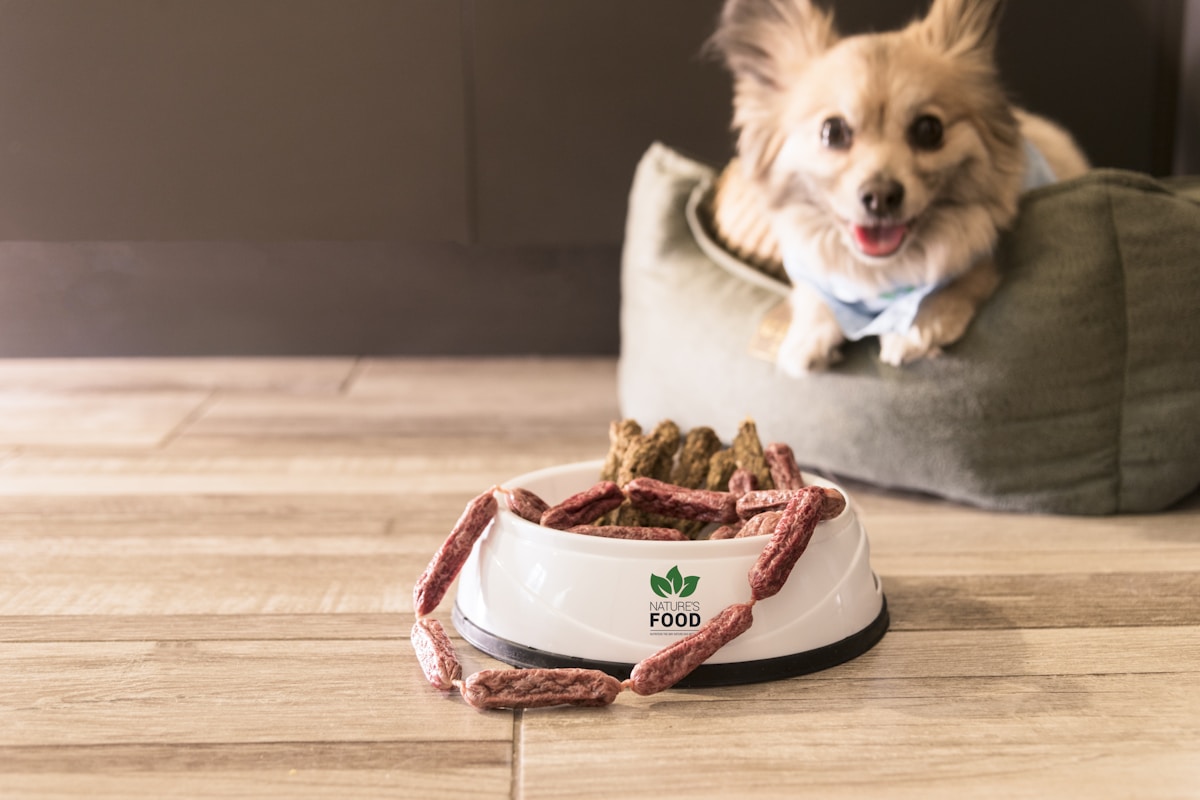
When public health notifications and federal agricultural inspection agencies issue safety updates regarding commercial raw pet food brands, dedicated canine guardians must act with prompt clinical vigilance. Commercial raw feeding regimens, encompassing biologically appropriate raw food (BARF) formulas and whole-prey grinds, have witnessed substantial adoption among dog owners seeking ancestral, minimally processed nutrition. However, raw meat formulations, particularly multi-protein poultry and red meat combinations, operate under unique biological risks. When manufacturing batches produced by regional producers such as Raaw Energy face regulatory recalls or consumer safety updates associated with stamped 2026 date codes, pet parents require transparent lot verification guidance, toxicological risk assessment, and actionable veterinary transition strategies.
The safety warnings concerning specific Raaw Energy date codes center on microbiological contamination identified during regulatory random surveillance sampling. Federal and state agricultural laboratory screenings confirmed the presence of Salmonella enterica and related enteric bacterial pathogens in finished product samples. While canines have evolved robust physiological digestive defenses, including a short gastrointestinal transit time and highly acidic gastric secretions that effectively denature moderate environmental bacteria, heavy pathogenic inoculums or immunocompromised patient states can trigger acute bacterial enteritis, hemorrhagic diarrhea, septicemia, and chronic asymptomatic carrier shedding.
Furthermore, commercial raw dog food recalls represent critical public health emergencies due to the high probability of secondary zoonotic transmission to human handlers. Contaminated raw meat handled on residential kitchen counters, stored in domestic refrigerators, or deposited on canine facial fur through grooming and feeding poses profound risks to infants, senior adults, and immunosuppressed household members. Navigating this recall requires methodical execution: verifying stamped alphanumeric production codes, quarantining affected packages, monitoring animals for clinical symptoms, and executing biosecure kitchen decontamination.
Microbiological Epidemiology: Salmonella Serovars in Commercial Raw Diets
The biological hazard precipitating the Raaw Energy safety update is rooted in the microbiological ecology of commercial raw poultry and meat processing. Unlike cooked or extruded kibble diets, which undergo thermal pasteurization exceeding two hundred and twenty degrees Fahrenheit to achieve microbial eradication, raw meat grinds depend entirely on raw material biosecurity and continuous sub-zero refrigeration to suppress bacterial replication.
Salmonella enterica encompasses over two thousand five hundred distinct serovars, with serovars such as Salmonella Typhimurium, Salmonella Enteritidis, and Salmonella Heidelberg frequently implicated in avian and livestock colonization. During poultry slaughter and mechanical deboning, intestinal contents can cross-contaminate muscle carcasses. When these meats are comminuted through commercial industrial grinders, surface bacteria are dispersed throughout the entire meat emulsion, creating an internal microbial reservoir that domestic freezing cannot eliminate.
Once ingested by a canine host, Salmonella bacteria utilize specialized molecular apparatuses known as Type III Secretion Systems (T3SS) to inject bacterial effector proteins directly into intestinal epithelial cells. These effector proteins rearrange the host cell’s actin cytoskeleton, triggering membrane ruffling and forcing the epithelial cell to engulf the bacterium via pinocytosis. Once internalized, Salmonella replicates inside specialized Salmonella-containing vacuoles (SCVs), evading host humoral antibodies and causing profound cellular necrosis, mucosal microvascular thrombosis, and severe secretory diarrhea.
According to regulatory compliance standards enforced by the U.S. Food and Drug Administration Center for Veterinary Medicine, commercial pet food operates under a statutory zero-tolerance standard for Salmonella and Listeria monocytogenes. Because raw pet diets are stored, portioned, and thawed in residential domestic kitchens alongside human food supplies, the presence of viable Salmonella constitutes commercial adulteration under federal food safety statutes.
Forensic Code Deciphering: Reading Stamped Date Codes on Raaw Energy Packaging
Confirming whether your raw frozen inventory falls within the scope of the 2026 safety update requires a careful forensic reading of the stamped packaging codes. Raaw Energy typically distributes raw grinds in clear plastic vacuum-sealed pouches, poly-tubes (chubs), or bulk frozen blocks packed in wax-lined cardboard shipping master cases.
Inspect your packaging under high-intensity task lighting using the following analytical steps:
- Julian Calendar Production Codes: Raw meat processors frequently utilize the Julian dating system, a three-digit or four-digit sequence where the first one or two digits represent the year, followed by the ordinal day of the year (ranging from 001 for January 1st to 365 for December 31st). For example, a stamped code reading “26085” indicates production on the eighty-fifth day of 2026 (March 26, 2026). Match this stamped Julian sequence against official recall bulletins.
- Best-By and Expiration Formats (MM/DD/YY or DD/MM/YYYY): Many retail-facing chub packages display a human-readable Best-By date stamped in black ink along the sealed seam or printed on an adhesive thermal label. If the expiration timestamp falls within the recalled 2026 calendrical bracket, the product must be immediately removed from feeding circulation.
- Batch Lot Identifiers and Shift Numbers: Stamped codes often conclude with a shift or grinder line numeral (such as “B-2” or “CH-1”), identifying the specific mechanical grinder or mixing vat utilized during that manufacturing run. This enables quality control teams to trace contamination back to specific source livestock deliveries.
- Corrugated Master Carton Shipping Labels: If you purchase raw food by the case, locate the large white logistics barcode label on the exterior cardboard box. The master case label provides the master lot number, production timestamp, and USDA or state establishment inspection mark.
If freezer frost or transport friction has rendered the stamped ink partially illegible, exercise maximum caution. Never attempt to taste or smell raw meat to determine safety; pathogenic bacteria such as Salmonella and Listeria replicate without altering the visual appearance, color, or odor of the meat.
Clinical Manifestations in Canines: Acute Salmonellosis vs. Asymptomatic Carrier Shedding
Canine exposure to Salmonella-contaminated raw food results in two distinct epidemiological outcomes: overt clinical salmonellosis or asymptomatic carrier shedding. Understanding both states is vital for safeguarding animal and human household members.
1. Acute Clinical Salmonellosis (Onset within 12 to 72 Hours)
When bacterial virulence overwhelms canine mucosal immunity, dogs exhibit severe, acute enterocolitis:
- Severe Watery or Bloody Diarrhea: Sudden onset of high-volume diarrhea containing sheets of mucosal sloughing, fresh red blood (hematochezia), or dark digested blood (melena).
- Intractable Emesis: Persistent vomiting of gastric foam, bile, and undigested raw meat, preventing oral fluid retention and accelerating hypovolemic dehydration.
- High Pyrexia: Elevated core body temperature (one hundred and three to one hundred and five degrees Fahrenheit) caused by circulating pyrogenic cytokines (IL-1 and TNF-alpha) released in response to bacterial endotoxins.
- Intense Abdominal Pain: Guarded posture, muscle tensing upon palpation, restless shifting of sleeping positions, and whining caused by severe intestinal cramping.
- Severe Dehydration and Hypovolemia: Tacky mucous membranes, skin tenting, sunken orbits, weak peripheral femoral pulses, and tachycardia.
2. The Asymptomatic Subclinical Carrier State
In many healthy adult canines, robust gastric acidity and protective native gut microflora prevent bacterial invasion into the intestinal wall. These dogs exhibit zero clinical symptoms: their appetite remains normal, their stools remain formed, and their energy levels appear unaffected. However, these asymptomatic canines shed millions of viable Salmonella bacteria in their feces and saliva for up to thirty to forty-five days post-ingestion. Consequently, an outwardly healthy dog functions as an active biological vector, shedding infectious pathogens throughout the domestic living environment.
Veterinary epidemiology published by the American Veterinary Medical Association confirms that subclinical canine carriers represent a leading source of secondary human salmonellosis outbreaks associated with raw pet food.
Zoonotic Transmission Dynamics: Human Vulnerability and Cross-Contamination Cycles
The primary regulatory impetus behind commercial raw dog food recalls is the protection of human public health. While healthy dogs possess some natural tolerance against enteric bacteria, humans have high susceptibility to foodborne Salmonella. Ingestion of as few as ten to one hundred bacterial cells can produce severe clinical illness in vulnerable individuals.
Zoonotic transmission occurs through several established vectors:
- Direct Kitchen Handling: Slicing frozen chubs, portioning raw meat on kitchen countertops, or rinsing feeding bowls in kitchen sinks creates aerosolized bacterial droplets that settle onto clean dishware, utensils, and food prep surfaces.
- Canine Saliva and Facial Contact: Dogs retain viable Salmonella on their muzzle fur, lips, and tongue for several hours after consuming raw meals. Allowing dogs to lick human faces, hands, or bedding transfers bacteria directly to human mucous membranes.
- Fecal-Oral Transmission: Picking up canine waste from yards, dog parks, or indoor pads creates direct contact risks. Microscopic fecal particles tracked onto carpets and sofas further distribute bacteria throughout residential living spaces.
Public health alerts from the Centers for Disease Control and Prevention Healthy Pets Program emphasize that children under five years old, elderly adults over sixty-five, and immunocompromised individuals face extreme risks of severe salmonellosis complications, including bloodstream infections (bacteremia), reactive arthritis, and prolonged hospitalization.
Veterinary Diagnostic Protocols: Laboratory Testing and Triage Assessment
If your canine companion consumed food from recalled Raaw Energy date codes or displays signs of gastrointestinal distress, professional veterinary evaluation is essential. Pet parents must avoid administering human anti-diarrheal medications (such as loperamide), which reduce intestinal peristalsis and trap bacterial endotoxins within the intestinal lumen, dramatically increasing the risk of toxic megacolon.
A comprehensive veterinary diagnostic evaluation includes:
- Fecal Real-Time PCR Multiplex Panel: The premier diagnostic modality for rapidly identifying Salmonella enterica DNA alongside other common enteric pathogens (Campylobacter, Clostridium perfringens enterotoxin, Parvovirus). Real-time PCR delivers results within twenty-four to forty-eight hours with exceptional sensitivity.
- Fecal Culture and Sensitivity (C&S): Culturing bacterial colonies on selective media (such as MacConkey or Hektoen enteric agar) isolates live organisms and generates an antibiogram, establishing which antimicrobial agents are effective against the specific strain.
- Comprehensive Serum Chemistry and Blood Gas Analysis: Evaluates electrolyte derangements (hypokalemia, hyponatremia), metabolic acidosis resulting from bicarbonate loss in diarrheal fluids, and prerenal azotemia (elevated BUN and creatinine) reflecting severe dehydration.
- Complete Blood Count (CBC): Reveals marked inflammatory leukocytosis with a degenerative left shift (elevated immature band neutrophils), indicating active bacterial tissue invasion and systemic endotoxemia.
According to the Merck Veterinary Manual, routine antibiotic therapy is medically contraindicated in dogs with uncomplicated, non-systemic Salmonella enteritis. Unnecessary antibiotic usage disrupts protective commensal intestinal microflora, prolongs fecal shedding duration, and accelerates antimicrobial resistance.
Veterinary Therapeutics: Inpatient Stabilization and Supportive Protocols
Canine patients suffering from acute clinical salmonellosis require structured veterinary medical management focused on physiological restoration.
1. Intravenous Fluid Diuresis and Electrolyte Correction
Hospitalized canines receive balanced intravenous crystalloids (Lactated Ringer’s Solution or Normosol-R) supplemented with potassium chloride to correct hypokalemia. Fluid infusion rates are calculated to replace calculated fluid deficits, fulfill daily maintenance requirements, and compensate for ongoing gastrointestinal fluid losses.
2. Targeted Antimicrobial Therapy (Systemic Cases Only)
Antimicrobial administration is restricted exclusively to patients exhibiting systemic signs of sepsis, bacteremia, pyrexia exceeding one hundred and four degrees Fahrenheit, mucosal sloughing, or severe leukopenia. When indicated, empirical broad-spectrum therapy incorporates parenteral fluoroquinolones (enrofloxacin) combined with ampicillin-sulbactam, adjusted once culture susceptibility results are finalized.
3. Gastrointestinal Cytoprotection and Microflora Restoration
Veterinarians administer maropitant citrate (Cerenia) or ondansetron parenterally to arrest persistent vomiting and relieve visceral nausea. Multi-strain veterinary synbiotics containing Enterococcus faecium, Bacillus coagulans, and beneficial yeast (Saccharomyces boulardii) are administered orally once vomiting ceases to competitively exclude Salmonella colonization and accelerate intestinal mucosal healing.
Biohazard Containment: Pantry Quarantine, Disposal, and Kitchen Sanitization
Disposing of recalled raw meat must be executed as a controlled biohazard decontamination procedure to eliminate environmental contamination risks.
Execute the following decontamination protocol:
- Personal Protective Barriers: Put on disposable nitrile gloves and an apron before touching recalled packages. Avoid touching your face or personal items during handling.
- Double-Bagged Enclosure: Remove all packages bearing recalled 2026 date codes from your freezer. Place the packages into a thick, heavy-duty trash bag, expel excess air, and twist and seal the opening with a heavy zip-tie. Place that bag inside a second heavy-duty plastic bag and seal securely.
- Outdoor Disposal: Transport the sealed double-bagged waste directly to an outdoor municipal trash container with a secure, latching lid. Never discard recalled raw meat into domestic indoor wastebaskets, sink garbage disposals, or home compost piles.
- Chemical Decontamination: Scrub all refrigerator and freezer shelves where the product was stored with hot soapy water to eliminate organic matter. Follow with a certified disinfectant: either an accelerated hydrogen peroxide spray (such as Rescue) or a freshly prepared dilution of one-third cup of household chlorine bleach per gallon of water. Maintain a wet surface contact time of ten full minutes before wiping dry.
- Bowl and Utensil Sterilization: Soak all stainless steel feeding bowls, cutting boards, and knives in boiling water and detergent, followed by a sanitizing wash in an automated dishwasher on high heat. Discard scratched plastic bowls, as micro-fissures harbor bacterial biofilms that resist surface washing.
- Hand Hygiene: Remove gloves by peeling them inside out. Scrub hands, wrists, and forearms with antibacterial soap and warm water for at least thirty seconds.
Nutritional Transition: Safe Dietary Substitution for Raw-Fed Canines
Suddenly withdrawing a dog’s regular raw diet can trigger acute gastrointestinal upset if replacement meals are not carefully calibrated. For canines accustomed to raw feeding, transitioning through a low-residue, cooked bland regimen bridges the nutritional gap safely while eliminating pathogen exposure.
Short-Term Home-Cooked Gastrointestinal Regimen (Days 1 to 5)
Feed a simple, easily digestible meal formulated to soothe the digestive mucosa:
- Lean Animal Protein (40%): Boiled, skinless chicken breast, extra-lean ground turkey (93% lean or higher), or boiled cod. Drain all rendered fat completely, as dietary fats can trigger acute secondary pancreatitis.
- Easily Digestible Carbohydrate (60%): Overcooked white jasmine or basmati rice, boiled sweet potatoes (skins removed), or plain canned pure pumpkin puree. Soluble dietary fiber regulates intestinal transit time and firms stool consistency.
- Meal Portioning: Divide daily caloric requirements into three or four small feedings throughout the day to reduce stomach distention.
Transitioning to a Safe Commercial Raw or Gently Cooked Diet (Days 6 to 14)
Once your dog produces normal, well-formed stools for forty-eight consecutive hours, gradually reintroduce a verified safe commercial diet produced under strict High-Pressure Processing (HPP) protocols or commercial gentle cooking standards:
- Days 6 to 7: 75% Home-Cooked Diet + 25% Verified Safe Commercial Food
- Days 8 to 9: 50% Home-Cooked Diet + 50% Verified Safe Commercial Food
- Days 10 to 11: 25% Home-Cooked Diet + 75% Verified Safe Commercial Food
- Day 12 onward: 100% Verified Safe Commercial Food
Adherence to nutritional standards established by the American Animal Hospital Association ensures your dog receives complete, balanced macro- and micronutrients during dietary recovery.
Manufacturing Quality Control: Pathogen Reduction Technologies in Commercial Raw Diets
The Raaw Energy safety update underscores the necessity for canine guardians to evaluate the biosecurity infrastructure of commercial pet food manufacturers. As the raw pet food category matures, leading producers have invested heavily in scientific pathogen reduction technologies that eliminate biological hazards without compromising raw nutritional integrity.
When selecting raw canine foods in the future, prioritize brands utilizing validated safety protocols:
- High-Pressure Processing (HPP): Raw meat packages are submerged in cold hydrostatic water chambers subjected to immense pressure (up to 87,000 psi). This hydrostatic force ruptures the cell membranes of bacteria like Salmonella and Listeria while leaving proteins, enzymes, and vitamins intact.
- Rigorous Test-and-Hold Logistics: A quality assurance framework where finished production lots remain physically quarantined in deep-freeze storage until independent third-party laboratory PCR tests verify the complete absence of Salmonella, Listeria, and E. coli.
- Batch-Specific Certificates of Analysis (COA): Transparent manufacturers publish online lot-specific laboratory analysis certificates, allowing pet parents to verify negative pathogen test results before purchasing or feeding.
- Surface Organic Acid Washes: Pre-grinding antimicrobial interventions, such as applying peracetic acid or lactic acid mists to whole meat carcasses, drastically reducing initial bacterial loads before grinding.
Cellular Toxicology: Endotoxin Lipopolysaccharide (LPS) and Systemic Vasodilation
Understanding the severe systemic complications of Salmonella intoxication requires examining the biochemical actions of bacterial endotoxins. The outer membrane of Gram-negative bacteria like Salmonella enterica is densely studded with lipopolysaccharide (LPS) macromolecules, comprised of an O-antigen polysaccharide chain, an oligosaccharide core, and a toxic, highly conserved hydrophobic component known as Lipid A.
When Salmonella cells undergo lysis within the canine gastrointestinal tract (either through natural host defenses or enzymatic digestion), massive quantities of Lipid A are liberated into the intestinal lumen. In healthy canines, the intact mucosal epithelium acts as a tight barrier preventing systemic absorption. However, when bacterial enterotoxins breach enterocyte tight junctions, Lipid A translocates directly into mesenteric venules and the portal circulation. Circulating LPS binds to Lipopolysaccharide-Binding Protein (LBP), presenting the toxic complex to CD14 receptors and Toll-like Receptor 4 (TLR4) on the surface of circulating canine monocytes and resident tissue macrophages.
This molecular interaction triggers an intense intracellular signal cascade that upregulates inducible nitric oxide synthase (iNOS) and cyclooxygenase-2 (COX-2). The resultant overproduction of nitric oxide (NO) induces profound, uncontrolled peripheral vasodilation, resulting in severe systemic hypotension, pooling of venous blood in splanchnic capillary beds, and decreased venous return to the heart. Concurrently, systemic release of inflammatory mediators stimulates platelet aggregation, predisposing compromised canine patients to disseminated intravascular coagulation (DIC), multi-organ microvascular thrombosis, and acute hypoperfusion of the renal cortex and hepatic parenchyma.
Comparative Thermal Inactivation: Why Domestic Freezing Fails and Pasteurization Thresholds
A common misconception among pet parents is the assumption that freezing raw meat at home eliminates microbial contamination. In reality, residential domestic freezers (typically maintaining temperatures between zero and twenty degrees Fahrenheit) serve as exceptional preservation environments for bacterial cells rather than sterilization chambers.
When bacterial cells are subjected to freezing temperatures, cellular metabolism halts, and the organisms enter a state of cryogenic dormancy (anhydrobiosis). However, the fundamental structural integrity of Salmonella enterica remains unharmed. Ice crystal formation may lyse a small fraction of fragile cells, but millions of viable vegetative cells survive indefinitely encased in frozen animal tissue. Upon thawing at room temperature or inside a refrigerator, the re-introduction of moisture and ambient heat triggers immediate metabolic reactivation, with bacterial colonies doubling in population every twenty minutes within the temperature danger zone (forty to one hundred and forty degrees Fahrenheit).
True thermal inactivation is governed by thermodynamic lethality kinetics, specifically Decimal Reduction Time (D-value) and Thermal Resistance Constant (z-value). The D-value reflects the time in minutes required at a given temperature to reduce a bacterial population by ninety percent (one log reduction). For Salmonella in ground poultry matrices, achieving a 7-log reduction (destroying 99.99999% of viable pathogens) requires holding the core internal product temperature at one hundred and sixty-five degrees Fahrenheit (seventy-four degrees Celsius) for at least fifteen seconds, or one hundred and fifty degrees Fahrenheit for over five minutes. Because raw pet diets are intentionally formulated to avoid thermal processing, microbiological safety must be achieved through pre-processing interventions like high-pressure pasteurization (HPP) rather than post-slaughter chilling.
Diagnostic Molecular Biology: PCR Amplification of the invA and ttr Gene Loci
Modern veterinary clinical pathology relies on targeted molecular amplification to achieve definitive microbiological identification of Salmonella enterica in canine clinical specimens. Rather than relying solely on traditional agar plate cultures, which require four to five days of incubation and selective enrichment, accredited veterinary diagnostic laboratories utilize automated real-time multiplex polymerase chain reaction (qPCR) assays.
These molecular assays specifically target highly conserved genomic sequences unique to pathogenic Salmonella strains, most notably the invA (invasion gene A) locus and the ttrRSBCA (tetrathionate reductase operon) gene cluster. The invA gene is essential for mucosal epithelial cell invasion, encoding a core component of the Type III Secretion System apparatus. Detecting amplified invA sequences in canine fecal swabs or suspect meat homogenates confirms not merely the presence of environmental bacteria, but the presence of an active, virulent pathogen capable of producing clinical enteritis. Furthermore, quantitative qPCR provides Cycle Threshold (Ct) values that allow veterinary clinicians to monitor pathogen clearance: rising Ct values over successive weekly fecal tests indicate that mucosal shedding is declining as host immunity clears the infection.
Raaw Energy Date Code Verification: Frozen Ground Patties and Tube Packaging
The public health safety notice concerning Raaw Energy raw dog food products encompasses multiple frozen ground meat blends identified by stamped date codes and lot identifiers. Pet parents must examine the white thermal stickers or printed plastic wrappers on individual frozen chubs to identify affected batches.
Retail pet stores and distributors have been directed to remove all matching inventory from commercial freezers immediately. Consumers holding affected product should avoid opening, thawing, or inspecting the contents directly, as raw aerosolization of bacteria can occur upon handling.
Salmonella enterica Serotype Typhimurium: Asymptomatic Canine Shedding Hazards
The specific contaminant detected in Raaw Energy products was Salmonella enterica serotype Typhimurium, a virulent zoonotic strain with high pathogenic potential in both domestic canines and humans. Dogs possess brief gastrointestinal transit times and low gastric pH that frequently allow them to harbor Salmonella without exhibiting overt clinical illness.
However, these clinically normal dogs become silent biological vectors, shedding billions of viable Salmonella bacteria in their feces and saliva for up to thirty days post-consumption. This asymptomatic shedding presents grave risks to infants, elderly family members, and immune-compromised individuals through normal petting and household contact.
Kitchen Utensil Decontamination: Autoclave versus Chemical Dishwasher Sterilization
Eliminating persistent Salmonella biofilms from contaminated kitchen prep items requires rigorous thermal and chemical disinfection. Domestic dishwashers equipped with high-temperature NSF-certified sanitizing cycles reach thermal thresholds capable of denaturing bacterial cellular proteins and destroying bacterial cell walls.
Countertops, cutting boards, and sink basins should be treated with accelerated hydrogen peroxide solutions or freshly diluted chlorine bleach left wet for ten full minutes. Never utilize wooden cutting boards for raw pet food preparation, as porous wood grain harbors microscopic bacterial reservoirs that resist surface disinfection.
Transitioning from Contaminated Raw Batches to Safe Commercially Pasteurized HPP Foods
Pet owners seeking the nutritional benefits of raw feeding without microbial contamination hazards should transition to commercially pasteurized raw foods processed via High-Pressure Processing (HPP). High-Pressure Processing subjects packaged raw foods to hydraulic pressures exceeding 87,000 pounds per square inch without applying heat.
This intense pressure ruptures bacterial cell membranes, achieving complete pathogen neutralization while preserving temperature-sensitive vitamins, essential enzymes, and raw amino acid profiles. Verifying that replacement brands utilize third-party verified HPP certification guarantees absolute peace of mind.
Veterinary Biomarker Tracking: CBC and Liver Function Monitoring Following Toxic Exposures
When a dog exhibits systemic illness following consumption of recalled raw diets, veterinary evaluation should include complete blood counts and serum biochemistry panels to assess systemic organ involvement. Elevated white blood cell counts with band neutrophilia indicate active bacteremia, while elevated liver enzymes can reflect systemic endotoxin absorption.
Hospitalization with broad-spectrum supportive care, gastrointestinal protectants, and tailored fluid therapy stabilizes cellular hydration. Maintaining meticulous veterinary medical documentation ensures full reimbursement through manufacturer recall compensation programs.
Bacterial Pathogenesis and Zoonotic Defense in Raw Canine Nutrition
The recall of commercial raw pet food due to Salmonella typhimurium highlights the complex interplay between canine enteric resilience and household zoonotic transmission risks. While canines may carry Salmonella asymptomatically in mesenteric lymph nodes, shedding live bacteria in feces and saliva poses substantial threats to human family members.
Implementing rigorous kitchen biosecurity, including dedicated non-porous food prep stations, disposable nitrile gloves, and thermal dishwasher sanitization of feeding bowls, breaks transmission chains effectively. Handlers should never kiss dogs on the muzzle or allow face licking during raw feeding regimens.
Transitioning to safe, third-party verified High-Pressure Processed (HPP) raw diets provides raw nutritional benefits while guaranteeing zero pathogen contamination. Informed, proactive pet parenting bridges the gap between natural nutrition and uncompromising domestic safety.
Veterinary Clinical Screening and Post-Exposure Recovery Management
If a dog has ingested contaminated raw product, scheduling a comprehensive veterinary evaluation allows early detection of subclinical systemic stress. Monitoring complete blood counts for toxic left shifts in neutrophils and tracking serum electrolytes ensures prompt therapeutic intervention before clinical dehydration develops.
Supporting recovering gut microflora with targeted prebiotics, glutamine mucosal protectants, and digestive enzymes accelerates intestinal epithelial regeneration. Meticulous clinical collaboration ensures your canine companion recovers full gastrointestinal vitality without lingering health consequences.
Enteric Microflora Rehabilitation: Prebiotic Gut Protection and Mucosal Recovery
Rebuilding the canine gastrointestinal microflora following exposure to virulent Salmonella strains requires strategic nutritional support that nourishes beneficial commensal bacteria. Administering targeted prebiotic fibers, such as fructooligosaccharides (FOS) and mannanoligosaccharides (MOS), promotes the proliferation of healthy Bifidobacterium and Lactobacillus populations while inhibiting pathogen adhesion.
Simultaneously, supplementing meals with L-glutamine and zinc carnosine supports rapid enterocyte cellular turnover and tightens epithelial junction integrity along the intestinal villi. Comprehensive microflora rehabilitation restores vibrant digestive wellness, allowing your dog to absorb essential nutrients in complete comfort.
The frozen raw food safety matrix below contrasts Salmonella serotypes, kitchen disinfection methods, and High-Pressure Processing pasteurization standards for raw pet foods.
Zoonotic Risk Reduction: Household Biosecurity Protocols for Raw Pet Food Consumers
Mitigating Salmonella transmission risks in homes feeding raw dog food requires implementing strict healthcare-grade food safety standards. Guardians must designate exclusive color-coded cutting boards, knives, and stainless steel feeding dishes that are never shared with human meal preparation utensils.
Thoroughly sanitizing sinks with bleach solutions and laundering kitchen cleaning cloths daily eliminates invisible microbial residues that could cross-contaminate human food. Practicing rigorous hygiene allows raw-feeding households to maintain an uncompromising shield of domestic health safety.
Educating all family members to wash hands thoroughly after handling pet bowls or playing with raw-fed canines breaks transmission chains completely, ensuring peace of mind for the entire family.
Adhering to the verified biosecurity and kitchen sanitation protocols outlined in the comparative table above protects vulnerable household members while resolving raw food recall emergencies. Review the focused frequently asked questions below for essential guidance on managing raw dog food safety.
Veterinary public health guidelines stress that safe raw feeding requires strict household biosecurity protocols to protect vulnerable family members. Washing prep stations with accelerated hydrogen peroxide solutions and laundering feeding mats daily eliminates microscopic bacterial reservoirs completely.
Educating pet parents on safe handling, cold-chain verification, and certified commercial pasteurization bridges the gap between raw nutrition and uncompromising household health protection.
Establishing direct communication channels with accredited veterinary practices and subscribing to real-time regulatory consumer alert portals empowers pet parents to respond proactively to commercial food advisories. Prompt action, combined with thorough home disinfection, ensures your companion health remains fully protected at all times.
By prioritizing certified pathogen-free products and practicing vigilant hygiene, guardians can confidently provide wholesome nutrition while maintaining an uncompromising standard of family safety.
Reviewing the critical safety metrics detailed in the comparative matrix above ensures complete domestic biosecurity. The focused frequently asked questions below address essential pet parent concerns.
Comparative Pathogen Matrix: Raaw Energy Formula Variants and 2026 Date Codes
Identifying contaminated raw batches and understanding microbiological risks requires systematic analysis. The following comparative matrix details product grind variants, affected 2026 date codes, primary bacterial pathogens, clinical latency windows, and mandatory household containment actions:
| Product Grind Variant | Affected Date Codes | Identified Pathogen | Clinical Latency Window | Mandatory Containment Protocol |
|---|---|---|---|---|
| Raaw Energy Chicken Complete Grind | Specific 2026 Julian date stamps | Salmonella enterica | 12 to 72 hours | Quarantine in sealed plastic bag; do not feed or thaw |
| Raaw Energy Turkey / Duck Blends | Targeted 2026 packaging stamps | Salmonella / Listeria monocytogenes | 1 to 14 days | Isolate in deep freeze; sanitize contact surfaces |
| Raaw Energy Beef / Organ Mixes | Co-manufactured 2026 production codes | Cross-contamination microbial risk | 24 hours to 7 days | Check batch code against distributor recall notices |
| Unaffected Production Runs | Alternate non-recalled Julian timestamps | Negative PCR test clearance | Standard tolerance | Safe for continuous dietary maintenance |
Adhering to the verified biosecurity and kitchen sanitation protocols outlined in the comparative table above protects vulnerable household members. The focused frequently asked questions below address essential pet parent concerns regarding raw dog food safety.
Frequently Asked Questions About the Raaw Energy Dog Food Recall
What specific products and date codes are affected by this safety update?
The safety update encompasses specific production batches of Raaw Energy frozen raw canine grinds bearing stamped 2026 Julian date codes. Check the stamped alphanumeric code printed along the chub package seam or exterior shipping carton.
Can I cook the recalled raw meat to make it safe for my dog?
No. Never attempt to cook, boil, or salvage recalled raw pet food. While heat kills live bacterial cells, thermal cooking does not destroy heat-stable bacterial enterotoxins. Furthermore, cooking raw grinds containing ground bone can cause bone fragments to harden, presenting serious gastrointestinal perforation hazards.
What should I do if my dog ate from an affected date code but seems healthy?
Quarantine remaining packages immediately and monitor your dog closely for fourteen days. Maintain strict hand hygiene, wash food bowls with boiling water, and prevent your dog from licking human faces, as canines can shed viable Salmonella asymptomatically in their saliva and feces.
How do I obtain a refund for my recalled Raaw Energy product?
Take clear photographs of the product packaging showing the front label, UPC barcode, and stamped date code. Contact the independent pet retail store where the food was purchased, or reach out to Raaw Energy customer service directly with your photos and receipt for a full refund or replacement.
Can Salmonella from dog food infect humans who don’t touch the meat directly?
Yes. Contamination occurs through contact with feeding dishes, countertops, canine saliva, or feces. Children, senior adults, and immunocompromised individuals are especially vulnerable to secondary environmental transmission.
What are the first signs of Salmonella poisoning in a dog?
Early symptoms include watery or bloody diarrhea, repeated vomiting, sudden loss of appetite, fever, abdominal cramping, and marked lethargy developing twelve to seventy-two hours following ingestion.
How long can a dog shed Salmonella in their feces after eating contaminated food?
Veterinary clinical studies indicate that canines can continue shedding viable Salmonella bacteria in their feces for four to six weeks post-exposure, even if they never display clinical symptoms.
What is the difference between Salmonella and Listeria in raw pet food?
Salmonella primarily causes acute gastrointestinal inflammation, diarrhea, and vomiting. Listeria monocytogenes can multiply at refrigerator temperatures and invade the bloodstream, causing systemic infections, encephalitis, or pregnancy loss.
Should I give my dog antibiotics as a precaution if they ate from the recalled batch?
No. Veterinary guidelines strongly advise against prophylactic antibiotic use in asymptomatic dogs. Unnecessary antibiotics disrupt beneficial intestinal microflora, prolong bacterial shedding, and promote antimicrobial resistance.
What disinfectant effectively kills Salmonella on kitchen countertops?
Scrub the area with warm soapy water, followed by a veterinary-approved disinfectant such as accelerated hydrogen peroxide spray or a fresh dilution of one-third cup of household chlorine bleach per gallon of water. Allow ten minutes of wet contact time before wiping dry.
Consumer Vigilance: Navigating Raw Pet Nutrition with Scientific Confidence
Encountering a commercial pet food safety update involving a raw diet like Raaw Energy is an unnerving experience for any dedicated canine guardian. However, recognizing that recalls represent an active, vigilant regulatory surveillance network transforms anxiety into decisive, protective action. Federal monitoring, third-party laboratory oversight, and responsible manufacturer recalls serve as indispensable safety barriers that isolate biological hazards before widespread illness can emerge.
By learning how to forensically verify Julian date codes on frozen packaging, recognizing the clinical distinctions between acute enteritis and asymptomatic shedding, practicing hospital-grade household decontamination, and transitioning pets through evidence-based dietary protocols, you establish an impenetrable shield around your family and your dog. As modern food safety science continues to elevate commercial raw processing standards through technologies like high-pressure pasteurization and transparent testing verification, informed pet parents remain the ultimate guardians of canine vitality and long-term health.

Leave a Comment