

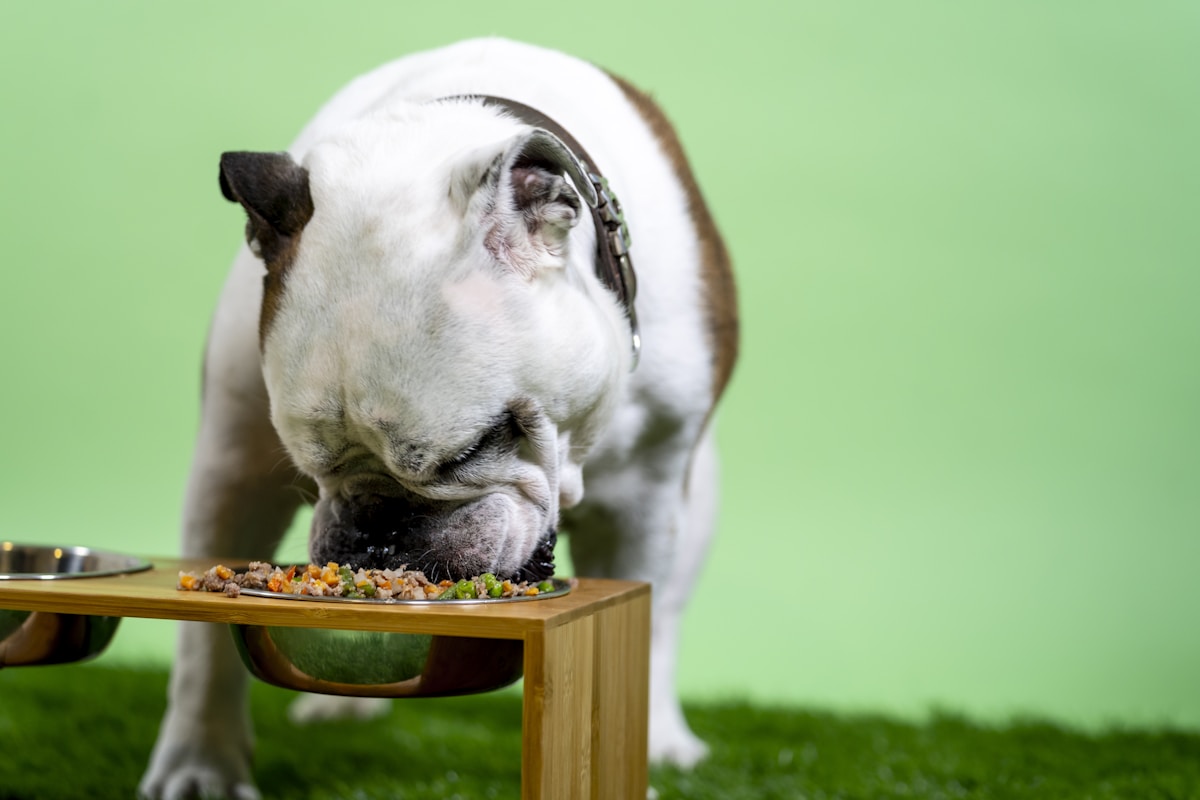
When federal regulatory inspection bulletins and commercial pet food recall advisories issue urgent consumer alerts regarding raw frozen canine diets, pet owners who invest in biologically appropriate raw food (BARF) regimens require immediate, forensic clarity. Commercial raw dog foods, which have gained substantial popularity among pet parents seeking ancestral, grain-free canine nutrition, carry distinct biological vulnerabilities inherent to raw poultry and raw red meat matrices. When specific production batches, such as Oma’s Pride Woof Complete raw canine food bearing stamped manufacturing lot BB012729, become subject to formal safety recalls or regulatory impoundment, guardians must navigate the situation with clinical objectivity, rapid biohazard quarantine, and rigorous veterinary oversight.
The safety recall concerning lot BB012729 centers on the detected presence of microbiological pathogens, predominantly Salmonella enterica and Listeria monocytogenes, identified during routine surveillance testing conducted by state agricultural departments or federal regulatory inspection teams. While canines possess innate evolutionary defenses against dietary bacteria, including an anatomically abbreviated gastrointestinal tract and highly concentrated gastric hydrochloric acid secretion, opportunistic bacterial colonizations can trigger severe clinical gastroenteritis, systemic endotoxemia, or prolonged asymptomatic bacterial shedding. More critically, contaminated raw pet food represents a potent zoonotic vector, placing human family members, especially young children, senior citizens, and immunocompromised individuals, at direct risk of debilitating foodborne illness through direct contact with food bowls, packaging, or canine saliva.
Safeguarding your household requires a decisive protocol: inspecting freezer storage for specific alphanumeric lot markings, executing biosecure product quarantine, recognizing early and delayed clinical symptoms in both dogs and humans, and implementing a scientifically formulated nutritional transition plan.
Microbiological Pathogenesis: Salmonella enterica and Listeria monocytogenes in Raw Meat
Understanding the biological threat posed by lot BB012729 requires a detailed look into veterinary microbiology. Raw meat matrices, particularly comminuted (ground) muscle and organ preparations, provide an optimal nutritional medium for bacterial proliferation. Grinding redistributes surface bacteria throughout the entire meat emulsion, embedding microbial cells deep within the core where ambient freezing can suspend, but not destroy, their cellular viability.
Salmonella enterica is a Gram-negative, facultatively anaerobic, rod-shaped bacterium capable of producing potent enterotoxins and cytotoxins. When ingested in sufficient colony-forming units (CFUs), Salmonella penetrates the mucosal barrier of the canine ileum and colon, invading enterocytes and intestinal lymphoid follicles (Peyer’s patches). The organism releases lipopolysaccharide (LPS) endotoxins from its outer cell membrane, triggering profound local mucosal inflammation, microvascular thrombosis, and severe secretory diarrhea. While canine gastric secretions (pH 1.0 to 2.0 during raw digestion) kill a substantial proportion of ingested bacteria, heavy bacterial concentrations or rapid gastric emptying can overwhelm these defenses.
Listeria monocytogenes presents an entirely distinct microbiological challenge. It is a Gram-positive, facultatively intracellular pathogen with psychrotolerant properties, meaning it can actively replicate at standard refrigeration temperatures (thirty-four to thirty-eight degrees Fahrenheit, or one to three degrees Celsius). Once inside the host, Listeria utilizes specialized bacterial virulence proteins (internalins) to induce its own uptake into non-phagocytic cells. It then produces listeriolysin O, a pore-forming cytolysin that dissolves the host phagosomal membrane, allowing the bacteria to escape into the cellular cytoplasm, multiply, and spread directly to adjacent cells using actin rocket motility without ever entering the extracellular space.
According to research published by the U.S. Food and Drug Administration Center for Veterinary Medicine, raw pet food products operate under a strict zero-tolerance regulatory policy for both Salmonella and Listeria. Because these foods are handled directly by human consumers within residential domestic kitchens, the presence of even a single viable pathogen cell per analytical sample renders the entire manufacturing batch adulterated under the federal Food, Drug, and Cosmetic Act.
Forensic Packaging Identification: Locating Lot BB012729 on Oma’s Pride Packaging
Accurate verification of your pet food inventory is paramount. Misreading a batch number can lead either to unnecessary disposal of safe food or the dangerous feeding of contaminated meat. Oma’s Pride packages raw diets in multiple packaging configurations, primarily plastic film chubs (sausage-style rolls) and wax-lined cardboard cartons containing individually wrapped frozen patties.
Examine your frozen inventory under direct task lighting following this forensic verification procedure:
- Chub Package Identification: On frozen chubs, the lot number is thermal-ink printed directly onto the white or clear plastic casing, typically running parallel to the metal crimp ring on either end of the chub. Look for the exact alphanumeric code: BB012729. The letters “BB” generally signify “Best By” or “Batch Blend,” followed by the specific six-digit manufacturing sequence.
- Cardboard Carton Identification: If you purchase multi-pound boxes of frozen patties, locate the white adhesive shipping and warehouse label affixed to the exterior corrugated cardboard box. Lot BB012729 is printed directly beneath the Universal Product Code (UPC) barcode, adjacent to the net weight and manufacturing facility establishment code.
- Best-By Date Correlation: Verify the associated expiration date. Batch BB012729 corresponds to specific production dates with expiration dates extending through 2026. If the lot number matches BB012729, the product is adulterated, irrespective of the physical appearance, aroma, or color of the raw meat.
- Damaged or Frost-Obscured Labels: If freezer frost obscures the stamped lettering, gently wipe the casing with a dry cloth or moisten slightly with rubbing alcohol to reveal the ink. Never submerge the chub in warm water to thaw the label, as this creates an immediate micro-leakage and bacterial proliferation hazard.
Clinical Manifestations in Dogs: Acute Enteritis, Septicemia, and Subclinical Carrier States
Canine physiological responses to Salmonella and Listeria contamination follow three distinct clinical trajectories: acute gastrointestinal disease, severe systemic septicemia, and subclinical carrier shedding. Pet owners must monitor their pets diligently for up to twenty-one days following exposure.
1. Acute Gastrointestinal Salmonellosis (Onset within 12 to 72 Hours)
When bacterial virulence factors breach intestinal defenses, canines display classic signs of acute enterocolitis:
- Profuse Diarrhea: Liquid, foul-smelling diarrhea, frequently containing visible mucus streaks or flecks of digested blood (melena) and fresh blood (hematochezia).
- Persistent Emesis: Vomiting of partially digested raw meat, foamy gastric juices, and bile, leading to rapid electrolyte depletion.
- Pyrexia and Systemic Chills: Elevation of core rectal body temperature to one hundred and three to one hundred and five degrees Fahrenheit, accompanied by shivering and profound physical lethargy.
- Severe Abdominal Discomfort: Canines adopt a “prayer position” (front paws flat on the ground, chest low, hindquarters elevated) to relieve intense abdominal pain.
2. Invasive Listeriosis and Systemic Septicemia
While acute diarrhea can occur with Listeria, the pathogen’s true clinical danger lies in its capacity for hematogenous dissemination. In puppies, senior dogs, pregnant females, and canines receiving immunosuppressive medications, Listeria can cross the blood-brain barrier and placenta:
- Neurological Impairment: Encephalitis, cranial nerve deficits, head tilting, facial paralysis, ataxia (uncoordinated gait), and involuntary circling.
- Spontaneous Abortion: In pregnant breeding bitches, Listeria colonizes the gravid uterus, causing fetal death, septic abortion, or severe neonatal septicemia.
- Endotoxic Shock: Severe hypotension, pale or muddy mucous membranes, prolonged capillary refill time (exceeding two seconds), hypothermia, and cardiovascular collapse.
3. The Asymptomatic Subclinical Carrier State
Crucially, many robust adult canines consume Salmonella-contaminated raw food without showing any outward signs of clinical distress. Their innate immune system confines the infection to the lumen of the gastrointestinal tract. However, these asymptomatic dogs shed millions of viable, infectious Salmonella organisms in their feces and saliva for up to thirty to forty-five days post-ingestion. Consequently, an apparently healthy dog presents an invisible, active biohazard to every human member of the household.
Clinical data compiled by the American Veterinary Medical Association highlights that canine subclinical shedding represents one of the primary vectors for household Salmonella outbreaks associated with raw commercial pet food.
Zoonotic Transmission Dynamics: Protecting Human Family Members
The primary regulatory impetus behind pet food recalls involving Salmonella and Listeria is human public health. While dogs possess some natural resilience against enteric pathogens, humans are extraordinarily susceptible to foodborne salmonellosis and listeriosis. Ingesting as few as ten to one hundred Salmonella bacterial cells can induce severe illness in a vulnerable human host.
Human infection occurs via three primary pathways:
- Direct Contact with Raw Meat: Handling frozen chubs, slicing raw patties, or rinsing meat packaging without immediate, surgical-grade hand hygiene. Pathogens transfer from fingertips to mouths, food preparation surfaces, or eating utensils.
- Canine Saliva and Facial Affection: Raw-fed dogs retain viable bacterial cells on their teeth, tongue, and muzzle hair for several hours following feeding. Affectionate behaviors such as licking human faces, hands, or broken skin readily transmit pathogens directly to household members.
- Fecal Contact and Environmental Shedding: Cleaning dog waste from yards, litter boxes, or indoor pads exposes owners to massive pathogen concentrations. Viable bacteria can also contaminate canine bedding, rugs, and living room furniture where dogs rest.
According to epidemiological reports from the Centers for Disease Control and Prevention Healthy Pets Program, human salmonellosis symptoms include severe diarrhea, debilitating abdominal cramps, high fever, and vomiting, persisting for four to seven days. In immunocompromised individuals, Salmonella can cause arterial infections, endocarditis, and reactive arthritis. Listeriosis in pregnant women can result in miscarriage, stillbirth, or life-threatening neonatal meningitis.
Clinical Diagnostic Workup: Veterinary Laboratory Testing Protocols
If your canine companion consumed food from Oma’s Pride lot BB012729, or displays symptoms of acute enteritis, professional veterinary intervention is imperative. Do not attempt at-home symptomatic suppression with human anti-diarrheal medications, which can paralyze intestinal motility and trap bacterial endotoxins within the bowel.
A comprehensive veterinary diagnostic protocol encompasses:
- Fecal Multiplex Real-Time PCR Panel: The definitive gold standard for enteric pathogen identification. Real-time PCR assays detect bacterial DNA for Salmonella species, Listeria monocytogenes, Campylobacter jejuni, and Clostridium perfringens enterotoxin genes with extreme sensitivity within twenty-four to forty-eight hours.
- Fecal Bacterial Culture and Antimicrobial Susceptibility Testing: Isolates live bacterial colonies from fecal swabs, identifying the exact serovar and providing an antibiogram that details which antimicrobial medications are effective against the specific strain.
- Complete Blood Count (CBC) and Blood Smear Evaluation: Assesses systemic inflammatory response. Hallmarks include marked leukocytosis (elevated white blood cell count) with a degenerative left shift (presence of immature band neutrophils), indicating active tissue invasion and endotoxemia.
- Comprehensive Serum Biochemistry: Evaluates total protein, albumin, blood urea nitrogen (BUN), creatinine, and electrolyte concentrations (sodium, potassium, chloride). Severe diarrhea causes hypokalemia, hyponatremia, and prerenal azotemia resulting from hypovolemic dehydration.
Veterinary reference resources, including the Merck Veterinary Manual, caution that prophylactic antibiotic therapy in healthy, asymptomatic canines shedding Salmonella is medically contraindicated. Indiscriminate antibiotic use prolongs fecal bacterial shedding, disrupts protective endogenous intestinal microbiota, and selects for multidrug-resistant bacterial strains.
Veterinary Medical Management: Inpatient Stabilization and Outpatient Protocols
Canine patients exhibiting clinical salmonellosis or listeriosis require structured veterinary medical management tailored to disease severity.
1. Inpatient Hospitalization and Fluid Resuscitation
Canines suffering from severe dehydration, intractable emesis, or hypovolemic shock require immediate hospitalization. Intravenous fluid therapy (balanced crystalloids such as Lactated Ringer’s Solution or Plasma-Lyte A) is administered at tailored infusion rates to restore intravascular volume, correct electrolyte deficits, and maintain renal perfusion pressure.
2. Judicious Antimicrobial Intervention
Antimicrobial medications are reserved exclusively for patients exhibiting evidence of systemic invasion, bacteremia, sepsis, severe mucosal sloughing, or those with significant underlying immunosuppression. When clinically indicated, empirical broad-spectrum therapy involves parenteral administration of fluoroquinolones (enrofloxacin or marbofloxacin) combined with potentiated penicillins (ampicillin-sulbactam) or aminoglycosides, adjusted following culture and susceptibility reports.
3. Gastrointestinal Mucosal Support and Antiemetic Therapy
To control nausea and alleviate abdominal cramping, veterinarians administer maropitant citrate (Cerenia) or ondansetron parenterally. Gastrointestinal protectants and mucosal coating agents (such as sucralfate) are utilized if upper gastrointestinal ulceration is suspected. Highly concentrated veterinary-grade synbiotics (probiotics and prebiotics) containing verified strains of Enterococcus faecium and Saccharomyces boulardii are introduced to competitively inhibit pathogenic colonization and accelerate intestinal mucosal restoration.
Biosecurity Containment: Quarantine, Disposal, and Kitchen Decontamination
Disposing of recalled raw meat must be approached as a hazardous biological containment operation. Casual disposal in a kitchen trash bin can contaminate household air and attract pests.
Follow this rigorous, step-by-step containment protocol:
- Personal Protective Equipment: Wear disposable nitrile or latex gloves before touching recalled chubs, patties, or cartons. If food has leaked, wear safety glasses to prevent ocular splash contamination.
- Hermetic Double-Bagging: Remove all packages of lot BB012729 from your freezer. Place the packages inside a heavy-duty contractor trash bag, squeeze out excess air, and twist and tape the neck securely. Place that bag inside a second heavy-duty trash bag and seal tightly.
- Outdoor Waste Disposal: Immediately transport the sealed double-bagged waste to an outdoor municipal refuse container with a secure, latching lid. Do not place the waste in indoor trash cans, garage bins, or municipal composting receptacles.
- Chemical Decontamination of Freezer and Countertops: Remove all food items from the freezer compartment where the recalled product was stored. Scrub the shelves with hot soapy water to remove physical organic debris. Follow with a clinical chemical disinfectant: either an accelerated hydrogen peroxide spray (such as Rescue) or a freshly prepared dilution of one-third cup of standard household chlorine bleach per gallon of water. Maintain a wet surface contact time of ten full minutes before wiping clean.
- Feeding Dish Sterilization: Discard porous plastic bowls. Soak stainless steel or ceramic feeding dishes and prep knives in boiling soapy water, followed by a ten-minute soak in mild bleach solution or a high-heat sanitizing cycle in an automated dishwasher.
- Hand Hygiene: Remove gloves inside out and discard them. Wash hands with antibacterial soap and warm running water for at least thirty seconds, scrubbing beneath fingernails and around wrists.
Nutritional Transition: Safe Replacement Diets for Raw-Fed Dogs
Suddenly halting your dog’s standard raw diet can induce secondary osmotic diarrhea and digestive stress if replacement meals are not carefully calibrated. For canines accustomed to raw feeding, transitioning to a cooked, low-residue diet bridges the nutritional gap safely while eliminating pathogen exposure.
Emergency Home-Cooked Gastrointestinal Diet (Days 1 to 5)
Prepare a simple, easily digestible meal designed to minimize gastrointestinal workload:
- Lean Protein Component (40%): Boiled boneless, skinless turkey breast, extra-lean ground beef (90% lean or higher, boiled and drained of all rendered tallow), or cooked cod. Avoid rich poultry skin or fatty marrow.
- Complex Digestible Carbohydrate (60%): Overcooked white jasmine or basmati rice, boiled sweet potatoes (skins removed), or plain canned pure pumpkin puree. Soluble dietary fiber regulates intestinal transit time and absorbs excess water.
- Feeding Frequency: Divide daily caloric requirements into three to four small, room-temperature feedings throughout the day.
Transitioning to a Safe Commercial Raw or Gently Cooked Diet (Days 6 to 14)
Once your dog produces firm, normal stools for forty-eight consecutive hours, gradually reintroduce a verified safe commercial diet produced under strict High-Pressure Processing (HPP) protocols or commercial gentle cooking standards:
- Days 6 to 7: 75% Home-Cooked Diet + 25% Verified Safe Commercial Food
- Days 8 to 9: 50% Home-Cooked Diet + 50% Verified Safe Commercial Food
- Days 10 to 11: 25% Home-Cooked Diet + 75% Verified Safe Commercial Food
- Day 12 onward: 100% Verified Safe Commercial Food
Adherence to veterinary nutritional standards outlined by the American Animal Hospital Association ensures your dog receives complete, balanced macro- and micronutrients during dietary recuperation.
Commercial Raw Biosecurity: Testing Protocols and High-Pressure Processing (HPP)
The recall of lot BB012729 highlights the critical need for pet parents to understand industrial biosecurity measures within the commercial raw pet food sector. The food safety movement has driven significant technological innovation to mitigate raw meat pathogen risks without destroying heat-sensitive enzymes and amino acids.
When selecting future raw commercial diets, prioritize manufacturers that implement validated pathogen reduction technologies:
- High-Pressure Processing (HPP): Sealed raw pet food packages are submerged in a chilled hydrostatic pressure chamber and subjected to immense water pressure (up to 87,000 pounds per square inch, or 600 MPa) for several minutes. This intense physical pressure ruptures the cell membranes of bacteria like Salmonella and Listeria without utilizing heat, achieving complete microbiological pasteurization while maintaining raw texture and nutrient profiles.
- Bacteriophage Applications: Targeted bio-control solutions utilizing specific natural bacteriophages (viruses that infect and destroy specific bacteria) sprayed onto raw meat surfaces to selectively eliminate Listeria monocytogenes without altering beneficial microflora.
- Test-and-Hold Logistics: A mandatory manufacturing standard where finished product inventory is held in quarantine at the production warehouse until independent third-party laboratory PCR testing confirms negative results for Salmonella, Listeria, and E. coli. Manufacturers who ship before receiving test results put consumers at severe risk.
- Transparent Certificates of Analysis (COA): Leading raw food producers provide public, batch-specific COAs accessible on their websites by entering the package lot number, demonstrating complete analytical transparency.
Cellular Immunology: Canine Intestinal Immune Responses to Salmonella Endotoxins
The pathophysiological impact of consuming Salmonella-contaminated raw meat depends heavily on the immunological resilience of the canine gastrointestinal mucosa. The gut-associated lymphoid tissue (GALT) represents the canine body’s largest immune organ, orchestrating a complex biochemical defense against ingested enteric pathogens while maintaining tolerance toward dietary proteins.
When Salmonella enterica bacteria reach the mucosal surface of the small intestine, they encounter the single-cell thick intestinal epithelial layer. Specialized pattern recognition receptors, specifically Toll-like Receptor 4 (TLR4) located on the apical membranes of enterocytes and resident dendritic cells, immediately detect bacterial lipopolysaccharides (LPS), the primary endotoxin component of the Gram-negative bacterial outer membrane. This receptor engagement triggers an intracellular signaling cascade mediated by myeloid differentiation primary response 88 (MyD88) and nuclear factor kappa B (NF-kB), precipitating the rapid synthesis and secretion of potent pro-inflammatory cytokines, including tumor necrosis factor-alpha (TNF-alpha), interleukin-1 beta (IL-1beta), and interleukin-6 (IL-6).
Simultaneously, mucosal plasma cells located within the lamina propria accelerate the local secretion of dimeric Secretory Immunoglobulin A (sIgA). Secretory IgA functions as an immunological shield, binding to bacterial flagella and surface fimbriae, thereby neutralizing bacterial motility and preventing physical adhesion to the mucosal microvilli. In immunocompetent adult dogs, this coordinated immunological assault frequently encapsulates the infection within the intestinal lumen, preventing bacteremia. However, in juvenile canines with immature GALT architecture, or in dogs experiencing chronic enteropathy or immunosuppressive corticosteroid therapy, the mucosal barrier fails. Bacterial invasion triggers extensive epithelial apoptosis, microvascular capillary damage, mucosal detachment, and systemic translocation, allowing live bacteria to seed the liver, spleen, and mesenteric lymph nodes.
Cold-Chain Distribution Mechanics: Temperature Abuse Profiles and Spoilage Dynamics
A critical, often overlooked vulnerability in commercial raw pet food safety is the integrity of the cold-chain distribution network. While manufacturers may implement rigorous biosecurity within production facilities, temperature abuse during freight transit, distributor cross-docking, and retail freezer holding can transform a low-level, subclinical microbial presence into an explosive pathogenic bloom.
Commercial raw pet foods must remain continuously stored at or below minus four degrees Fahrenheit (minus twenty degrees Celsius) to ensure microbiological dormancy. If refrigerated freight trailers experience refrigeration unit cycling failures, or if palletized cases sit on commercial distribution loading docks at ambient temperatures during staging, the outer layers of cartons absorb latent heat. Even a temporary temperature spike to thirty-eight degrees Fahrenheit (three degrees Celsius) permits psychrotolerant organisms like Listeria monocytogenes to resume cellular metabolic replication while the core of the chub appears superficially frozen.
Furthermore, commercial retail display freezers frequently undergo automated defrost cycles every twelve to twenty-four hours to eliminate frost accumulation along evaporator coils. During these cycles, localized freezer air temperatures can rise significantly for forty-five to sixty minutes. Repeated micro-thawing and refreezing cycles cause cellular water within the raw meat to expand into large, jagged ice crystals. These ice crystals shear animal muscle cell walls, releasing nutrient-rich cellular sarcoplasmic fluids (known as purge) upon eventual consumer thawing. This liquid purge provides an exceptionally fertile culture medium that accelerates bacterial replication exponentially the moment the chub thaws in a consumer’s refrigerator.
Oma Pride Batch Lot BB012729 Identification: Visual Label and UPC Barcode Audit
The FDA safety advisory regarding Oma Pride Woof Complete Canine Food specifically targets production lot BB012729 with associated universal product codes. Guardians must inspect the printed label along the plastic chubs or frozen container lids to verify the alphanumeric batch coding.
Documenting the batch code with high-resolution photographs facilitates seamless consumer compensation through manufacturer customer advocacy portals. Any product matching lot BB012729 should be immediately segregated from standard food storage and locked in secure freezer bags to prevent accidental usage.
Dual Pathogen Inoculation: Salmonella and Listeria Concurrent Enteric Vulnerabilities
Laboratory testing of lot BB012729 revealed concurrent contamination with both Salmonella enterica and Listeria monocytogenes. This dual pathogen load presents heightened clinical danger because simultaneous bacterial colonization severely disrupts normal competitive exclusion mechanisms maintained by healthy gut microflora.
Concurrent infections trigger severe mucosal damage, profuse hemorrhagic diarrhea, high fever, and systemic sepsis. Even if adult dogs remain asymptomatic carriers, they shed viable pathogens into the household environment, creating significant health risks for human family members.
Biohazard Bagging and Municipal Waste Regulations for Contaminated Raw Meat
Disposing of contaminated raw meat formulations requires strict biohazard containment protocols. Never compost recalled meat, flush it down kitchen disposals, or toss it into open recycling containers where wastewater systems and scavenging animals can become contaminated.
Double-bag the frozen product in heavy-gauge polyethylene trash bags, seal tightly with duct tape, and place directly into outdoor municipal solid waste bins on scheduled collection mornings. Wear protective nitrile gloves throughout the handling process and sanitize all touched surfaces immediately afterward.
Post-Contamination Gastrointestinal PCR Testing and Electrolyte Rehydration
If a canine has consumed portions of recalled lot BB012729, close veterinary clinical monitoring is essential over the subsequent seven to fourteen days. Quantitative fecal real-time PCR panels identify active shedding of Salmonella and Listeria DNA, allowing targeted medical therapy before bacteremia takes hold.
In symptomatic canines experiencing fluid loss, aggressive intravenous or subcutaneous balanced electrolyte rehydration restores blood volume and stabilizes acid-base balance. Judicious antimicrobial therapy is reserved for systemic infections to prevent inducing chronic antibiotic-resistant carrier states.
Comprehensive Home Kitchen Decontamination and Cross-Contact Prevention
Handling contaminated frozen raw pet food inevitably transfers microscopic bacteria to refrigerator shelves, kitchen sink faucets, feeding bowls, and food preparation utensils. Thorough decontamination requires mechanical scrubbing with hot detergent water followed by application of an EPA-registered disinfectant.
Stainless steel and ceramic feeding dishes should be washed at sanitizing temperatures exceeding 150 degrees Fahrenheit in domestic dishwashers. Cloth kitchen towels, sponges, and drying mats used during raw food preparation must be laundered in hot wash cycles with bleach to break transmission chains.
Microbial Pathogen Surveillance: Laboratory Testing and Enteric Defense Protocols
When a raw pet food batch is recalled for Salmonella and Listeria contamination, understanding the microbiological kinetics of canine gastrointestinal colonization is vital. While healthy adult dogs possess high gastric hydrochloric acid concentrations and rapid peristaltic clearance that naturally deter bacterial attachment, heavy pathogen loads can breach mucosal defenses.
Veterinary clinical monitoring should include qualitative fecal bacterial cultures and real-time PCR panels to detect active shedding of virulence genes. Administering targeted probiotic therapies containing Enterococcus faecium and Saccharomyces boulardii reinforces competitive exclusion mechanisms, preventing pathogenic bacteria from establishing persistent colonies.
In severe cases with hemorrhagic enteritis, aggressive fluid replacement therapy and systemic antibiotic administration under strict veterinary guidance prevents bacteremia and endotoxemia. Diligent post-exposure medical management ensures complete physical recovery and eliminates household shedding hazards.
Biosecurity Disposal Standards and Consumer Advocacy in Pet Food Recalls
Executing safe disposal of pathogen-tainted raw pet foods requires strict containment to protect domestic and municipal waste systems. Double-bagging contaminated chubs in heavy contractor trash bags and sanitizing outer surfaces with chlorine bleach prevents biological leakage and stops scavenging wildlife from spreading zoonotic disease.
Documenting lot numbers and expiration dates photographically before disposal supports consumer claims through manufacturer regulatory portals. Staying informed through official FDA pet food recall alert subscriptions ensures pet parents can act swiftly to protect their beloved canine family members.
Molecular Pathogen Diagnostics: Real-Time PCR Screening and Enteric Biosecurity
Confirming pathogen clearance following raw pet food contamination involves utilizing quantitative real-time polymerase chain reaction (qPCR) panels capable of detecting minute fragments of Salmonella and Listeria DNA in canine stool samples. Fecal shedding can persist intermittently for up to thirty days in asymptomatic dogs, making serial PCR testing the most definitive tool for verifying complete microbial elimination.
Maintaining household disinfection using accelerated hydrogen peroxide cleaners throughout the recovery period prevents environmental reinfection. Providing tailored gastrointestinal probiotic supplements containing Bacillus coagulans and Enterococcus faecium restores mucosal barrier defenses, ensuring a swift return to robust digestive health.
The microbiological pathogen comparison matrix below analyzes the virulence profiles, environmental persistence, and clinical symptoms of Salmonella and Listeria in recalled raw canine foods.
Enteric Mucosal Defense: Secretory IgA and Gut Barrier Preservation during Microbial Challenges
When canines are exposed to pathogen-contaminated raw diets containing Salmonella and Listeria, the primary line of defense is the gut mucosal barrier supported by secretory immunoglobulin A (sIgA). Secretory IgA coats enteric epithelial surfaces, physically binding to bacterial pili and flagella to prevent pathogen adherence to enterocytes.
Administering functional prebiotic supplements that stimulate endogenous sIgA production reinforces intestinal barrier integrity and accelerates bacterial clearance. Supporting mucosal defense mechanisms minimizes systemic endotoxemia risks and promotes rapid clinical convalescence.
Providing supportive fluid therapy and mucosal protectants during the acute phase ensures your dog weathers bacterial challenges safely and regains full digestive vitality.
Applying the quarantine, disinfection, and clinical monitoring protocols detailed in the comparative table above ensures complete domestic biosecurity during raw pet food recalls. The frequently asked questions below provide immediate answers to urgent safety concerns regarding lot BB012729.
In commercial pet food manufacturing, implementing third-party verified microbial surveillance and High-Pressure Processing (HPP) represents the most reliable method to neutralize food-borne pathogens. Pet guardians can advocate for safer industry standards by supporting transparent brands with verified clean track records.
Maintaining rigorous kitchen biosecurity and monitoring veterinary health markers ensures complete peace of mind when navigating commercial food advisories.
Emergency preparedness during commercial pet food recalls also involves keeping an emergency supply of verified safe canned single-protein diets or veterinary recovery formulations in your household pantry. Having trusted shelf-stable alternatives ready eliminates panic and ensures seamless nutritional support if staple raw rations must be quarantined abruptly.
Reviewing the critical safety metrics detailed in the comparative matrix above ensures complete domestic biosecurity. The focused frequently asked questions below address essential pet parent concerns.
Comparative Safety Matrix: Oma’s Pride Woof Complete Lot BB012729 Assessment
To assist raw-feeding pet parents in rapid inventory auditing and risk management, the following comparative matrix details formula variants, target lot numbers, pathogen threats, clinical latency periods, and mandatory biosecurity disposal protocols:
| Formula Variant | Target Lot Verification | Pathogen Target | Clinical Incubation Period | Immediate Biosecurity Action |
|---|---|---|---|---|
| Woof Complete Raw Frozen Chubs | Stamped Lot BB012729 | Salmonella enterica / Listeria | 12 hours to 14 days | Isolate in sealed plastic bag; do not thaw or feed |
| Woof Complete Raw Patties | Matching cardboard case stamp BB012729 | Listeria monocytogenes | 1 to 4 weeks (delayed systemic) | Double-bag carton; sanitize freezer shelf |
| Opened / Partially Fed Packages | Any active package from recall batch | Active bacterial colony proliferation | Immediate acute onset | Wear gloves; discard immediately into outdoor trash |
| Unaffected Oma’s Pride Batches | Distinct non-BB012729 serial numbers | Cleared quality assurance release | Not applicable | Safe for continuous dietary feeding |
Applying the verified quarantine, pathogen surveillance, and clinical monitoring protocols summarized in the comparative matrix above ensures complete domestic biosecurity. The focused frequently asked questions below address essential pet parent concerns regarding lot BB012729.
Frequently Asked Questions About the Oma’s Pride Woof Complete Recall
What specific product and lot number are affected by this recall alert?
The recall alert specifically targets Oma’s Pride Woof Complete raw frozen canine diets bearing stamped manufacturing lot code BB012729. Check the printed lot number along the chub casing seam or the exterior cardboard carton label.
Can I cook the recalled raw meat thoroughly to make it safe for my dog?
No. Never attempt to cook, boil, or salvage recalled raw pet food. While heat kills live bacterial cells, thermal cooking does not neutralize heat-stable bacterial enterotoxins or chemical byproducts. Furthermore, cooking raw formulas containing finely ground bone can cause bone fragments to harden, posing severe gastrointestinal perforation hazards.
What should I do if my dog ate from lot BB012729 but shows no symptoms?
Quarantine remaining food immediately and monitor your dog closely for fourteen to twenty-one days. Maintain strict hand hygiene, wash food bowls with boiling water, and prevent your dog from licking human faces, as dogs can shed live Salmonella asymptomatically in their saliva and feces.
How do I obtain a refund for my recalled Oma’s Pride product?
Take clear photographs of the product packaging showing the front label, UPC barcode, and stamped lot number BB012729. Contact the independent pet retail store where the food was purchased, or reach out to Oma’s Pride customer care directly with your photos and receipt for a full replacement or refund.
Can Salmonella from dog food infect humans who don’t touch the meat directly?
Yes. Contamination occurs through contact with feeding dishes, countertops, canine saliva, or feces. Children and immunocompromised adults are particularly vulnerable to secondary environmental transmission.
What are the first signs of Salmonella poisoning in a dog?
Early symptoms include watery or bloody diarrhea, repeated vomiting, sudden loss of appetite, fever, abdominal pain, and marked lethargy developing twelve to seventy-two hours following ingestion.
How long can a dog shed Salmonella in their feces after eating contaminated food?
Clinical veterinary studies demonstrate that canines can continue to shed viable Salmonella bacteria in their feces for four to six weeks post-exposure, even if they never display clinical symptoms.
What is Listeria monocytogenes and why is it dangerous in raw pet food?
Listeria is a resilient bacterial pathogen that multiplies even in refrigerated environments. In dogs and humans, it can cross intestinal walls and enter the bloodstream, causing systemic infections, encephalitis, or pregnancy termination.
Should I give my dog antibiotics as a precaution if they ate from lot BB012729?
No. Veterinary guidelines strongly advise against prophylactic antibiotic use in asymptomatic dogs. Unnecessary antibiotics disrupt beneficial intestinal flora, prolong bacterial shedding, and promote antimicrobial resistance.
What should I clean my kitchen with if raw food touched my countertops?
Scrub the area with warm soapy water, followed by a disinfectant such as accelerated hydrogen peroxide spray or a fresh solution of one-third cup of household bleach per gallon of water. Allow ten minutes of wet contact time before wiping dry.
Consumer Vigilance: Protecting Canine Health in the Raw Feeding Era
Experiencing a commercial pet food recall involving a premium raw diet such as Oma’s Pride Woof Complete is a stressful ordeal for any dedicated canine guardian. However, understanding that recalls represent an active, vigilant regulatory surveillance network transforms panic into decisive, protective action. Federal monitoring, third-party laboratory oversight, and responsible manufacturer recalls serve as indispensable safety barriers that isolate biological hazards before widespread illness can emerge.
By learning how to forensically verify lot codes on frozen packaging, recognizing the clinical distinctions between acute enteritis and asymptomatic shedding, practicing hospital-grade household decontamination, and transitioning pets through evidence-based dietary protocols, you establish an impenetrable shield around your family and your dog. Maintaining ongoing dialogue with board-certified veterinary nutritionists and adhering to strict kitchen handling hygiene ensures that dietary choices remain both biologically fulfilling and microbially sound throughout every stage of your companion’s life.
As modern food safety science continues to elevate commercial raw processing standards through technologies like high-pressure pasteurization and transparent testing verification, informed pet parents remain the ultimate guardians of canine vitality and long-term health.

Leave a Comment