
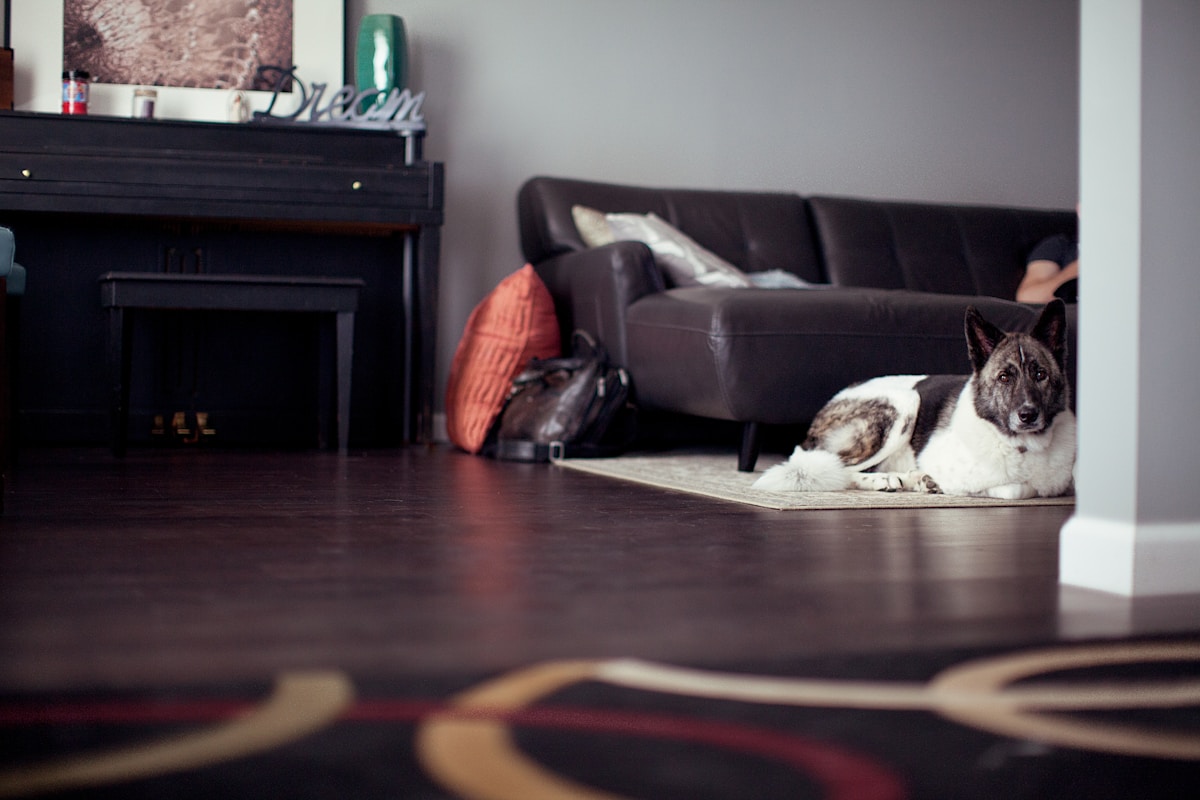
There is an undeniable majesty in sharing your life with a giant or large breed dog that possesses a calm, serene demeanor. While hyperactive sporting breeds bounce off walls and vocal watchdogs pace incessantly, a tranquil large dog moves through the household like a benevolent monarch. They rest with deep composure, watch family life unfold with wise, soulful eyes, and project an aura of steady security that smaller breeds simply cannot replicate.
However, professional canine behaviorists and veterinary orthopedic surgeons frequently issue an essential reminder to prospective pet parents: calmness in a massive canine must never be confused with simplicity of ownership. A calm 130-pound canine is not a starter pet. When a dog outweighs its human handler, ordinary behavioral quirks like pulling on a leash, jumping to greet a guest, or exhibiting mild barrier reactivity transform into severe safety hazards. Managing a massive dog requires specialized handling skills, nuanced body language fluency, structural home modifications, and substantial financial readiness.
Drawing on clinical data from the Orthopedic Foundation for Animals, emergency surgical protocols from the American College of Veterinary Surgeons, and breed standards curated by the American Kennel Club, this comprehensive guide examines the premier calm large dog breeds. You will discover the behavioral genetics behind their serene disposition, biomechanical handling physics, critical veterinary considerations, and lifelong management protocols tailored specifically for experienced guardians.
The Neurobiology and Genetics of Calmness in Giant Canines
Understanding why certain giant breeds display such profound calm requires examining their historical development. Canine calmness is not an accident; it is the deliberate outcome of centuries of selective genetic programming.
1. Sensory Thresholds and Energy Economy
Massive canines, particularly guardian mastiffs and alpine draft breeds, were engineered for physical conservation. In historical working environments, an animal weighing over one hundred pounds could not afford to waste metabolic energy sprinting after every moving leaf or barking at minor auditory distractions. Natural selection favored canines with an exceptionally high sensory threshold. These dogs observe their surroundings through a filter of relaxed evaluation, choosing to react only when a stimulus presents a genuine, verifiable threat.
2. The Danger of Handler Inexperience
The paradox of the calm giant breed lies in their innate independence. Many of these breeds were developed to make autonomous decisions on mountainsides or sprawling estates without waiting for human commands. A handler who attempts to control a 140-pound dog through intimidation, physical force, or erratic emotional reactions will quickly fail. Calm giant breeds respond exclusively to confident, patient, and predictable leadership based on modern positive reinforcement principles endorsed by the Association of Professional Dog Trainers.
3. The Physical Equation: Mass Multiplied by Velocity
An excited 20-pound Beagle lunging toward a squirrel generates minimal kinetic force that a handler can absorb with one hand. A 130-pound Newfoundland or Bullmastiff executing that same sudden lunge produces enough momentum to tear human rotator cuffs, dislocate shoulders, or fracture wrists. For this reason, experienced owners train foundational impulse control, loose-leash positioning, and verbal focus cues from the day the puppy arrives at eight weeks of age.
Deep Profiles of Premier Calm Large Breeds for Experienced Handlers
1. Bullmastiff: The Silent and Discerning Guardian
Developed in nineteenth-century England to assist gamekeepers in apprehending poachers, the Bullmastiff (100 to 130 pounds) is a masterclass in quiet power. They were bred specifically not to bark or maul, but to track silently, pin intruders to the ground with their immense weight, and hold them until the gamekeeper arrived.
Temperament and Household Presence: Inside the home, the Bullmastiff is one of the most docile, low-activity companions imaginable. They spend extensive portions of the day resting on an orthopedic mattress, observing household movement with calm detachment. They rarely bark, preferring to use their physical presence as a natural deterrent.
Why They Require an Experienced Owner: Bullmastiffs possess strong territorial instincts and formidable jaw strength. An inexperienced handler who fails to socialize a Bullmastiff thoroughly during the critical puppy development window risks owning an adult dog that views every visiting plumber or friend as an intruder. Strict leadership, early puppy socialization classes, and continuous boundary reinforcement are mandatory.
2. Newfoundland: The Noble Maritime Lifesaver
Originating from the rugged, storm-swept shores of Atlantic Canada, the Newfoundland (100 to 150 pounds) is renowned worldwide for its sweet, benevolent nature and heroic water rescue instincts. Their dense, water-resistant double coat and webbed feet reflect their working maritime ancestry.
Temperament and Household Presence: The Newfoundland is the definition of a gentle giant. They possess an instinctive empathy toward humans and display profound patience with family members. Indoors, they are quiet, slow-moving, and eager to lean against their guardian’s legs in affectionate solidarity.
Why They Require an Experienced Owner: Managing a Newfoundland involves enormous logistical commitment. Their profuse double coat sheds constantly and collects burrs, mud, and water, requiring hours of weekly brushing and specialized high-velocity blow dryers. Furthermore, their immense drool output requires constant wiping of walls, furniture, and clothing. Their sheer size demands proactive joint management to prevent debilitating orthopedic conditions.
3. Great Dane: The Affectionate Living-Room Apollo
Despite standing up to 34 inches at the shoulder and weighing between 110 and 175 pounds, the Great Dane is often described by veterinarians as the world’s largest lapdog. Originally bred to hunt wild boars in European forests, modern breeding has refined this noble animal into a gentle, elegant home companion.
Temperament and Household Presence: Great Danes are naturally placid, affectionate, and people-oriented. They typically view sofas as personal daybeds and prefer lounging beside their owners over vigorous outdoor exertion. Their short coat requires minimal grooming, and they possess a sweet, non-confrontational social disposition.
Why They Require an Experienced Owner: A Great Dane’s physical scale is astonishing. A standing adult can effortlessly clear food off kitchen countertops with a casual turn of the head. Their rapid puppy growth rate requires precise nutritional regulation to prevent developmental orthopedic diseases like hypertrophic osteodystrophy. In addition, Great Danes have the highest incidence of gastric dilatation-volvulus (bloat) among all canines, requiring immediate medical vigilance from their owner.
4. Bernese Mountain Dog: The Serene Alpine Draft Companion
Hailing from the agricultural canton of Bern in Switzerland, the Bernese Mountain Dog (70 to 115 pounds) was historically used as an all-around farm dog, cattle driver, and heavy milk-cart puller. Their striking tricolor coat and expressive dark eyes make them one of the most recognizable and beloved working breeds.
Temperament and Household Presence: Bernese Mountain Dogs are gentle, deeply devoted, and emotionally sensitive companions. They thrive on close human proximity and form intense emotional bonds with their guardians. Indoors, they are calm, polite, and respectful of domestic boundaries, preferring moderate outdoor walks in cool weather followed by peaceful floor naps.
Why They Require an Experienced Owner: The Bernese is emotionally sensitive and does not tolerate harsh correction, which causes them to shut down mentally. Furthermore, this breed faces severe health challenges, including an elevated genetic predisposition to malignant histiocytosis and joint dysplasias, leading to an average lifespan of seven to eight years. Experienced handlers must navigate frequent veterinary health screenings and manage heavy seasonal shedding.
5. Tibetan Mastiff: The Ancient Sovereign of the Himalayas
The Tibetan Mastiff (70 to 150 pounds) is an ancient guardian landrace developed across the high-altitude plateaus of Tibet to protect nomadic encampments, monasteries, and livestock from snow leopards and wolves. They are aloof, fiercely independent, and profoundly dignified.
Temperament and Household Presence: During daylight hours inside the home, the Tibetan Mastiff is quiet, serene, and almost cat-like in its detachment. They do not demand constant affection, preferring to station themselves near entryways where they can calmly observe their territory. They are virtually silent indoors during the day.
Why They Require an Experienced Owner: The Tibetan Mastiff is not a pet for the faint of heart. They possess ancient nocturnal guarding instincts, becoming exceptionally alert and vocal as night falls. They are naturally suspicious of strangers and do not accept unfamiliar guests entering their territory without formal introductions. They require an owner who understands primitive guardian psychology, possesses secure six-foot fencing, and never expects blind, mechanical obedience.
6. Irish Wolfhound: The Gentle Sighthound Monarch
The tallest of all recognized dog breeds, the Irish Wolfhound stands between 30 and 35 inches at the shoulder and weighs between 105 and 140 pounds. Historically bred to hunt wolves and giant Irish elk, these magnificent sighthounds possess a legendary gentle and serene disposition when off the hunt.
Temperament and Household Presence: Irish Wolfhounds are quiet, introverted, and extraordinarily gentle inside the home. They rarely bark, move with graceful dignity, and show immense affection toward their family. Once their daily exercise needs are met, they spend the remainder of the day resting peacefully on large orthopedic bedding.
Why They Require an Experienced Owner: Their towering stature makes vehicle transport and domestic spatial management demanding. Because they are sighthounds, any sudden movement by outdoor wildlife can trigger explosive sprint acceleration, making absolute leash reliability and fenced acreage non-negotiable. Furthermore, their lifespan is relatively brief, with cardiac disorders like dilated cardiomyopathy requiring proactive veterinary cardiology monitoring.
Biomechanics and Leash Physics for Giant Canines
When handling a dog that weighs over one hundred pounds, relying on upper body muscle strength is a dangerous misconception. An athletic adult human cannot physically overpower a 130-pound canine operating on four-wheel drive if the animal decides to lunge. Successful handling relies entirely on mechanical leverage, positioning, and trained neural pathways.
1. Center of Mass and Fulcrum Management
Human center of mass is located near the navel, while a quadruped canine’s center of mass is centered low between its front shoulders. If a handler holds a leash with outstretched arms, the dog uses the extended leash as a lever, pulling the handler off balance effortlessly. To maintain physical advantage, keep the leash close to your core hips. By anchoring the leash near your pelvis, you transfer the force directly into your lower body and leg musculature, providing solid stability.
2. Critical Equipment Selection
Equipment choice can mean the difference between effortless control and catastrophic physical injury:
- Front-Clip Y-Harnesses: Avoid traditional back-clip harnesses, which engage the canine opposition reflex (the natural instinct to pull harder against pressure, just like a sled dog). A properly fitted ergonomic Y-harness with a front sternum clip redirects the dog’s forward kinetic energy back toward the handler whenever it attempts to pull.
- Head Halters: For powerful giant breeds like Bullmastiffs or Great Danes, a head halter such as the Gentle Leader provides directional control over the dog’s muzzle. Wherever the head goes, the massive body must follow, eliminating pulling leverage safely.
- Heavy-Duty Biothane Leashes: Never use retractable tape leashes with a large dog; the internal recoil springs can snap under shock load, and the thin cord can cause severe friction burns. Use a six-foot, reinforced biothane leash with a brass locking carabiner rated for high break-strengths.
3. Emergency De-escalation Maneuvers
Experienced handlers train two emergency cues until they become automatic reflexes:
- The Emergency U-Turn: Teach your dog that a specific sound, such as a sharp tongue click followed by the verbal cue turn, means turning 180 degrees immediately and sprinting three steps with you for a handful of liver treats. This allows you to smoothly exit situations where an off-leash dog or trigger approaches.
- The Anchor Sit: When an unavoidable distraction appears, step two feet behind your dog, anchor the leash firmly against your hip, and cue a firm sit-stay. Having the dog in a seated position grounds its center of mass, preventing sudden lunges.
Clinical Veterinary Management and Preventive Care
Giant dogs require specialized veterinary protocols that differ substantially from smaller canines. Understanding these medical conditions is essential for protecting your companion’s health and longevity.
1. Gastric Dilatation-Volvulus (GDV or Bloat)
Gastric Dilatation-Volvulus is the single most urgent medical emergency affecting deep-chested large breeds. In GDV, the stomach fills with gas and twists on its mesenteric axis, cutting off venous blood return to the heart, causing tissue necrosis, and leading to hypovolemic shock within hours. Clinical data from the Cornell University College of Veterinary Medicine emphasizes that mortality exceeds fifteen percent even with rapid surgical intervention.
Experienced owners take two vital preventive steps:
- Prophylactic Gastropexy: During routine spay or neuter surgery, a veterinary surgeon can perform a prophylactic gastropexy, permanently tacking the outer wall of the stomach to the abdominal wall. This simple procedure prevents the stomach from twisting even if it becomes distended with gas, virtually eliminating fatal torsion.
- Meal Management: Never feed a giant breed a single massive daily meal. Divide daily nutrition into two or three smaller meals, and enforce strict rest for one hour before and after feeding, prohibiting vigorous running or jumping.
2. Orthopedic Health and Joint Ergonomics
The skeletal frame of a giant dog undergoes tremendous developmental stress. A Great Dane puppy multiplies its birth weight by nearly one hundred times during its first year of life. To prevent lifelong hip and elbow dysplasia:
- Provide continuous orthopedic memory foam bedding at least five inches thick. Hard tile and wood floors place extreme pressure on the elbow joints, leading to painful fluid-filled swellings known as hygromas.
- Avoid high-impact stair climbing and furniture jumping until growth plates have completely closed, typically between 18 and 24 months of age. Use vehicle ramps to help adult dogs enter SUVs safely.
Nutritional Architecture for Massive Breeds
Feeding a giant dog is not simply a matter of providing huge volumes of food. Nutrient density and mineral ratios must be managed with clinical accuracy, especially during puppyhood.
1. The Calcium and Phosphorus Balance
Feeding large breed puppies standard commercial puppy kibble is dangerous. Standard puppy foods are formulated for rapid growth, containing high caloric density and elevated calcium levels. In giant puppies, accelerated skeletal growth outpaces bone mineralization, resulting in severe skeletal deformities such as osteochondritis dissecans (OCD) and hypertrophic osteodystrophy. Always feed a verified large-breed puppy formula with a controlled calcium-to-phosphorus ratio (ideally 1.1:1 to 1.3:1) and lower fat content to ensure slow, steady, and uniform growth.
2. Targeted Joint Nutraceuticals
Because of the sheer physical load placed on their articular cartilage, calm large dogs benefit immensely from early joint supplementation. Look for veterinary-formulated supplements containing glucosamine hydrochloride, chondroitin sulfate, methylsulfonylmethane (MSM), and green-lipped mussel extract. Furthermore, therapeutic doses of omega-3 fatty acids (EPA and DHA) derived from wild-caught cold-water fish oil provide natural anti-inflammatory support for aging joints.
Financial Planning and the Economic Reality of Giant Breeds
One of the most frequent reasons calm giant breeds are surrendered to rescue organizations is the staggering cost of maintenance. Prospective guardians must realistically evaluate their financial capacity before bringing home a dog that weighs as much as an adult human.
Consider the primary ongoing financial commitments:
- Pharmaceutical Dosages: Veterinary medications, including antibiotics, pain management drugs, and heartworm preventatives, are dosed strictly by weight. A course of antibiotics that costs forty dollars for a Cocker Spaniel can easily exceed two hundred dollars for a 140-pound Newfoundland.
- Nutritional Consumption: A healthy, active adult giant breed consumes between six and ten cups of premium quality dog kibble daily, translating to multiple large bags per month.
- Specialized Equipment and Care: Giant-sized orthopedic beds, extra-large transport crates, professional grooming appointments, and boarding facilities all charge premium rates for handling extra-large canines. High-deductible pet health insurance is an indispensable safeguard against unexpected surgical bills.
The Critical Puppyhood Socialization Blueprint: The First 16 Weeks
When raising a canine that will eventually weigh over one hundred pounds, the primary developmental socialization window between eight and sixteen weeks of age is your single most important training opportunity. Behavior problems that are manageable in a small terrier become catastrophic in an adult giant breed.
Follow these essential early socialization principles:
- The Goal of Environmental Neutrality: Many novice owners mistakenly believe that socialization means allowing everyone they meet to pet their puppy. In a giant breed, this creates an adult dog that expects to greet every passing human, leading to forward pulling and jumping. Proper socialization teaches environmental neutrality: the puppy learns to calmly observe people, bicycles, and strange dogs while maintaining focus on its handler.
- Navigating Developmental Fear Windows: Giant breeds undergo two distinct physiological fear periods: the first between eight and eleven weeks, and the second during adolescent hormone surges between six and fourteen months. If a puppy experiences a traumatic event during these windows, the fearful association can become permanently hardwired into its amygdala. Keep all new experiences gentle, voluntary, and heavily paired with high-value treats.
- Surface and Sound Desensitization: Giant dogs can develop phobias of novel walking surfaces. Systematically expose your puppy to metal utility grates, slick polished linoleum, floating wooden docks, and gravel. Pair each novel surface with play and rewards so the puppy develops unflappable physical confidence.
Advanced Grooming, Hygiene, and Skin Fold Maintenance
Maintaining the physical hygiene of a giant canine is a substantial daily undertaking. Heavy double coats and deep facial jowls require specialized tools and strict hygiene schedules to prevent painful veterinary skin conditions.
1. Managing the Double Coat of Mountain and Water Breeds
Breeds like the Newfoundland and Bernese Mountain Dog possess dense undercoats designed to repel sub-zero mountain cold and icy water. If loose undercoat is not removed regularly, it traps moisture against the skin, creating painful acute moist dermatitis, commonly known as hot spots. Invest in a professional high-velocity forced-air dryer, an undercoat rake with rotating teeth, and a curved slicker brush. Thoroughly dry the coat down to the dermal layer after swimming or wet outdoor walks.
2. Facial Hygiene and Lip Fold Pyoderma
Breeds with prominent jowls and loose facial skin, such as the Bullmastiff and Great Dane, accumulate saliva, food particles, and water in their facial folds. This warm, moist environment encourages rapid proliferation of Malassezia yeast and bacterial pyoderma. Clean facial folds daily using veterinary chlorhexidine wipes or a soft cloth dampened with diluted chlorhexidine solution, thoroughly drying the skin afterward to maintain a healthy dermal barrier.
Senior Care, Mobility Management, and Palliative Support
Caring for an aging giant dog demands compassionate dedication and specialized physical equipment. When an arthritic 130-pound dog struggles to stand up from a resting position, human guardians must be physically and technologically prepared to provide assistance.
Implement these proactive senior support measures:
- Full-Body Support Harnesses: Traditional rear-only mobility slings are inadequate for giant breeds because they place excessive strain on the handler’s lower back. Invest in an orthopedic full-body support harness, such as the Help ‘Em Up Harness. This device features dual front and rear ergonomic handles that allow two handlers to safely assist an aging dog to stand, navigate steps, or enter a vehicle without putting painful pressure on sensitive joints.
- Multimodal Pain Management Pharmacology: Work with an experienced orthopedic veterinarian to establish a comprehensive pain management protocol. Modern veterinary medicine offers powerful therapies, including targeted non-steroidal anti-inflammatory drugs (NSAIDs) like Galliprant, neuro-modulating medications like Gabapentin, polysulfated glycosaminoglycan (Adequan) joint injections, and revolutionary monoclonal antibody therapies like Librela (bedinvetmab) that target nerve growth factor to alleviate chronic canine osteoarthritis pain.
- Floor Traction and Environmental Engineering: As senior giant dogs lose proprioception and quadriceps muscle mass, walking on polished hardwood or tile floors induces acute fear of slipping and falling. Cover all primary interior walking routes with heavy, rubber-backed carpet runners. Providing continuous floor traction preserves your senior companion’s mobility and confidence.
Home Space Engineering and Architectural Adaptations
Living alongside a dog that weighs over one hundred pounds requires deliberate adjustments to your interior home design. Standard domestic furniture and layouts that work seamlessly for average canines can create chronic discomfort or physical hazards for giant breeds.
Incorporate these spatial architectural principles:
- Orthopedic Bed Placement and Clearance: A resting adult Great Dane or Irish Wolfhound can measure over six feet from nose to tail when fully stretched out on its side. Ensure their orthopedic sleeping stations are situated well away from high-traffic household doorways, narrow hallways, and swinging doors. Stepping over a 140-pound sleeping dog in a dark corridor creates significant trip-and-fall hazards for human family members.
- Countertop and Dining Table Clearance: Large and giant canines stand at eye-level with standard kitchen countertops and dining tables. Counter-surfing is not merely an impolite habit; it is a serious veterinary hazard. Ingesting cooked turkey carcasses, dark chocolate, bread dough, or sugar-free baked goods containing xylitol (birch bark extract) can cause fatal gastrointestinal perforations or acute hepatic failure. Experienced guardians maintain strict kitchen counter clearance and use child-proof safety locks on pantry doors.
- Heavy-Duty Yard Fencing and Latch Security: Giant breeds possess immense chest and shoulder strength. Lightweight wooden picket fencing or flimsy wire garden mesh can easily give way if a heavy canine leans against it. Install heavy-gauge chain link or solid cedar privacy fencing at least six feet tall, anchored into concrete footings. Ensure all perimeter gates feature self-closing hinges and double-action gravity latches that cannot be accidentally nudged open by a curious canine snout.
How should owners handle vehicle transport logistics for giant breeds over 130 pounds?
Transporting a giant canine requires specialized automotive accommodations. Sedans and compact hatchbacks are physically inadequate; large SUVs or minivans with stow-and-go seating provide the necessary vertical clearance and floor space. Invest in a heavy-duty bi-fold or telescoping dog ramp rated for over two hundred pounds, lined with high-traction sandpaper grip tape. Train your giant puppy to walk up and down the ramp on flat ground before introducing it to the vehicle, completely sparing their fragile developing joints from high-impact landings.
What are the early clinical warning signs of osteosarcoma in large and giant canines?
Osteosarcoma is an aggressive primary bone malignancy that disproportionately targets large and giant dog breeds, particularly in the distal radius, proximal humerus, and distal femur (away from the elbow, toward the knee). Early clinical signs include intermittent, subtle limping that does not resolve with rest, localized firm swelling along a long bone that feels warm to the touch, and noticeable pain during palpation. Any persistent lameness in a giant breed warrants prompt two-view orthopedic radiographs to rule out bone lysis before pathological fractures occur.
What environmental modifications prevent severe hygromas on giant dog elbows?
Elbow hygromas are fluid-filled, inflammatory pseudocysts that form over the olecranon process when a massive dog repeatedly drops its heavy frame onto hard surfaces like ceramic tile, concrete, or hardwood. To prevent hygromas, provide dense multi-layered orthopedic memory foam beds with high-density support cores in every room the dog frequents. For dogs that insist on sleeping on cool tile floors, specialized padded canine elbow protectors (such as DogLeggs) provide continuous mechanical cushioning.
What role does mental enrichment play in keeping a calm giant dog balanced?
While calm large breeds do not require strenuous cardiovascular sprinting, mental stagnation can lead to profound boredom and destructive indoor behaviors like chewing drywall or door molding. Engage your giant companion with daily nose-work games, hiding aromatic treats under cardboard boxes or inside puzzle mats. Scent tracking utilizes millions of olfactory receptors, stimulating the canine frontal cortex and providing deep, satisfying mental relaxation without placing compressive physical stress on heavy articular joints.
Giant Breed Growth Plate Fusion: Epiphyseal Health and Rate of Maturation
Modern canine genetic mapping reveals that breed-typical behaviors and physical temperaments are governed by intricate polygenic complexes selected over centuries of specialized working roles. Whether evaluating small companion breeds or large guardian lines, understanding ancestral working drives – such as pastoral herding instincts, sighthound prey drive, or retriever biddability – allows owners to anticipate cognitive needs before behavioral frustration emerges. During early neurological development, specifically between the critical socialization windows of eight and sixteen weeks of age, breed-specific behavioral tendencies solidify. Exposing adolescent canines to structured environmental stimuli, cooperative handling exercises, and calm problem-solving tasks activates neuroplastic adaptations within the canine prefrontal cortex.
Synovial Joint Integrity in Heavyweight Canines: Cartilage Protection Strategies
Preserving musculoskeletal integrity across diverse breed conformations requires an understanding of functional biomechanics. Chondrodystrophic, brachycephalic, and giant breeds present unique biomechanical force distributions across their growth plates, coxofemoral joints, and spinal columns during adolescent growth phases. Implementing non-skid flooring, controlled staircase transitions, and low-impact proprioceptive conditioning prevents early micro-trauma to articular cartilage. Furthermore, proactive orthopedic screening – encompassing PennHIP distraction index evaluations, radiographic elbow scoring, and targeted physical rehabilitation – provides owners with objective clinical parameters to maintain fluid, pain-free mobility throughout every stage of life.
Mastiff and Sighthound Cohabitation: Managing Size Asymmetry in Multi-Dog Homes
Evaluating inter-canine social compatibility requires analyzing breed-specific communication signals and ritualized greeting postures. While certain companion breeds demonstrate low conspecific reactivity and natural sociability, primitive and livestock guardian breeds display heightened territorial vigilance and pronounced ritualized warning displays. Facilitating positive social interactions requires handlers to recognize subtle displacement behaviors, respect individual flight zones, and maintain loose leashes to avoid artificial defensive posturing. Structured parallel walking routines in neutral territory encourage harmonious social acclimation without placing dogs in high-pressure face-to-face greetings.
Recumbent Pressure Point Protection and Orthopedic Bed Architecture for Giant Breeds
Establishing a lifelong preventative healthcare architecture requires customized veterinary protocols tailored to specific breed predispositions. Regular screening panels – including annual comprehensive biochemical testing, resting electrocardiograms, thyroid antibody assays, and digital ocular examinations – allow clinicians to detect degenerative metabolic conditions during early subclinical stages. Collaborating with veterinary specialists to establish individualized nutritional energy scaling, dental prophylaxis schedules, and lifestyle modifications ensures that companion animals achieve optimal health and cognitive vitality throughout their senior years.
Calm Large Breed Comparison Matrix
This table compares the primary calm large and giant breeds across core ownership parameters:
| Breed | Average Weight | Indoor Temperament | Exercise Need | Guarding Intensity | Primary Health Challenge |
|---|---|---|---|---|---|
| Bullmastiff | 100 to 130 lbs | Docile and quiet | Moderate (Daily walks) | High (Discerning guardian) | Bloat and joint dysplasia |
| Newfoundland | 100 to 150 lbs | Patient and sweet | Moderate (Enjoys swimming) | Low to moderate | Subaortic stenosis and shedding |
| Great Dane | 110 to 175 lbs | Affectionate lounger | Moderate (Structured strolls) | Moderate (Visual deterrent) | Gastric torsion (GDV) |
| Bernese Mountain | 70 to 115 lbs | Gentle and devoted | Moderate (Loves cool hikes) | Moderate (Watchful) | Cancer risk and joint wear |
| Tibetan Mastiff | 70 to 150 lbs | Aloof and nocturnal | Moderate (Territory patrol) | Extremely high (Primitive) | Thyroid and orthopedic health |
| Irish Wolfhound | 105 to 140 lbs | Serene and introverted | Moderate (Needs open sprint) | Low (Visual presence only) | Cardiomyopathy and bloat |
Frequently Asked Questions (FAQs)
Are calm large dog breeds good choices for first-time dog owners?
No. Even the most placid giant breeds, such as Great Danes, Newfoundlands, or Bullmastiffs, are unsuitable for novice pet owners. Their immense physical mass, specialized veterinary vulnerabilities, and the absolute requirement for flawless leash mechanics demand an owner who possesses prior experience in handling, training, and reading subtle canine body language. A novice owner who makes common beginner mistakes with a twenty-pound dog can easily resolve them with minimal physical risk, whereas those same mistakes with a 130-pound companion can result in severe physical injury to family members, neighbors, or the dog itself.
How much daily exercise does a calm giant breed genuinely require?
Most calm large dogs require between 45 and 60 minutes of low-impact physical exercise daily, split into two structured neighborhood walks. They are built for endurance and steady pacing rather than high-intensity cardiovascular running. Engaging their minds with scent games and gentle obedience drills provides essential mental enrichment without stressing their heavy joints.
At what age do calm large and giant breeds fully mature emotionally?
While small dogs often reach mental maturity by twelve months, giant breeds mature much more slowly. A Bullmastiff or Great Dane remains an adolescent puppy in mind and body until approximately two to two-and-a-half years of age. During this extended adolescence, consistent boundary reinforcement and patient socialization are vital.
Can a calm large dog live comfortably in an apartment or condominium?
Yes, provided the building features elevator access or ground-floor entry. Calm giant breeds are famous for their low indoor activity levels and spend extensive hours sleeping peacefully. However, walk-up apartments with steep stairs are dangerous for giant breeds, as carrying an injured or senior 120-pound dog down several flights of stairs is nearly impossible.
How can I prevent my giant dog from leaning on guests or knocking them over?
Canine leaning is typically an affectionate social behavior or an attempt to seek security. However, when a 130-pound dog leans its full weight against an unprepared human, it can easily cause falls. Train an alternative incompatible behavior: teach your dog a solid place cue where it goes to its designated orthopedic bed whenever the front doorbell rings or guests enter the room.
Why is the lifespan of giant dog breeds so much shorter than smaller dogs?
Scientific studies indicate that giant breeds age at an accelerated physiological rate. Their rapid puppyhood cell division and massive metabolic load generate elevated oxidative stress and free radical damage, leading to earlier onset of cardiac diseases, musculoskeletal breakdown, and oncology disorders. The average lifespan for giant breeds typically ranges from seven to ten years.
Should I use an elevated food bowl for my giant breed dog?
For many years, elevated food bowls were recommended to improve neck comfort. However, comprehensive veterinary epidemiological studies have revealed that elevated feeding bowls may actually increase the risk of gastric dilatation-volvulus in deep-chested giant breeds. Consult your veterinarian for tailored advice based on your individual dog’s spinal health and bloat risk profile.
How do I handle extreme drooling in breeds like Newfoundlands and Bullmastiffs?
Drooling is an anatomical reality in breeds with heavy, loose jowls. Experienced owners keep small microfiber drool cloths stationed near entryways, living room tables, and in the car. Placing washable cotton rugs underneath water bowls absorbs inevitable drips, and wiping the dog’s mouth after drinking keeps furniture clean.
What is the best age to spay or neuter a calm giant breed puppy?
Veterinary orthopedic research strongly advises delaying the surgical sterilization of giant breeds until their growth plates have fully fused, which typically occurs between 18 and 24 months of age. Early spaying or neutering removes sex hormones vital for uniform bone growth, significantly increasing the risk of cranial cruciate ligament tears, hip dysplasia, and osteosarcoma.
How can I transport a 140-pound dog safely in an automobile?
Transporting a massive canine requires a vehicle with adequate cargo clearance, such as a large SUV or minivan. Utilize a sturdy, non-slip folding pet ramp to help your dog enter and exit the vehicle without jumping, which protects shoulder and elbow joints. Secure your dog in the cargo area using a crash-tested vehicle harness or a heavy-duty crate anchored to the vehicle chassis.
The Definitive Blueprint for Giant Breed Stewardship
Embarking on the journey of raising a calm large or giant dog is a deeply rewarding commitment that permanently enriches an experienced dog guardian’s life. The quiet companionship, unwavering loyalty, and magnificent presence of these noble canines forge an emotional bond that few other relationships can match.
By pairing your prior handling experience with informed breed selection, whether you choose the silent guardianship of the Bullmastiff, the maritime benevolence of the Newfoundland, the aristocratic elegance of the Great Dane, or the gentle warmth of the Bernese Mountain Dog, you create a foundation for lasting success. Back this selection with proactive veterinary care, biomechanical leash techniques, joint-conscious home architecture, and patient positive reinforcement. In return, you will enjoy the profound privilege of sharing your home with a loyal, gentle giant whose serene spirit will bring warmth and peace to your life for many unforgettable years to come.

Leave a Comment