

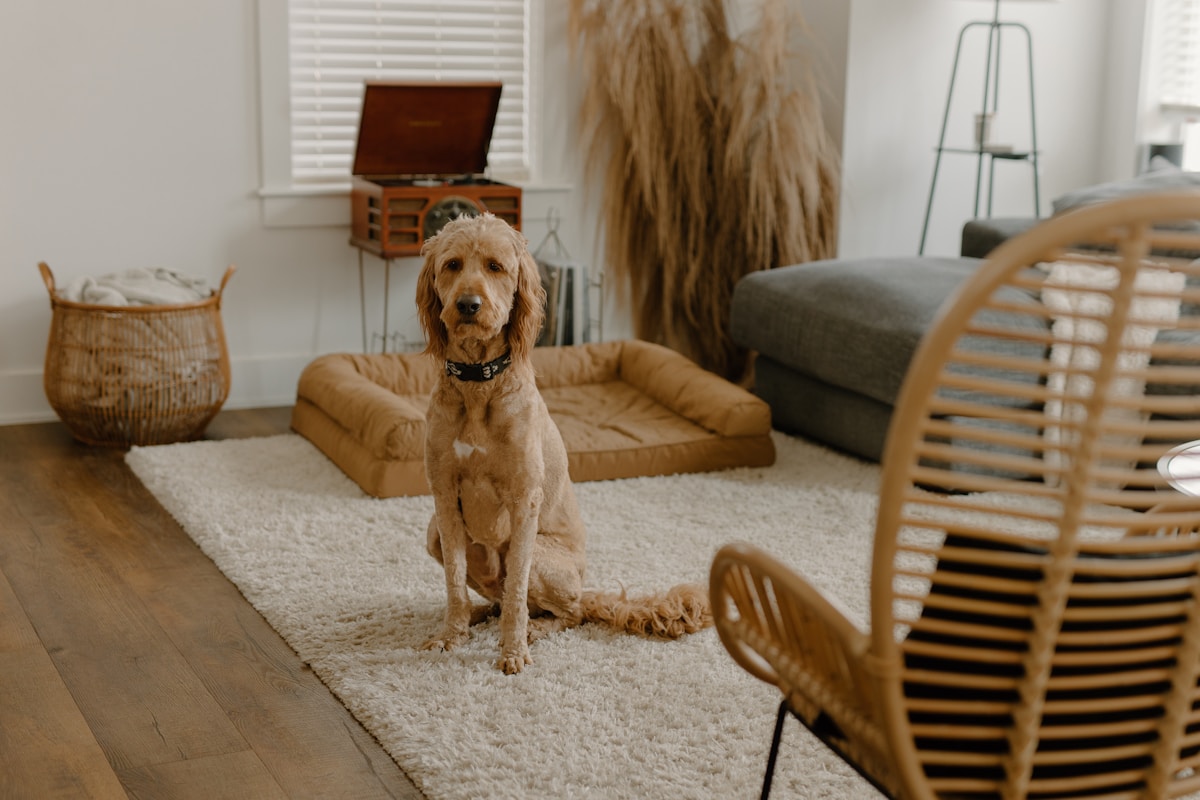
Living in a high-rise condominium, a loft, or a cozy urban apartment does not mean you must restrict your canine ambitions to toy breeds. While common perception assumes that only pocket-sized dogs belong in compact living spaces, experienced urban dog guardians and animal behaviorists often know a very different reality. Many small breeds are vocal watchdogs by nature, prone to barking at every footstep echoed in a shared corridor. At the other end of the spectrum, giant breeds can quickly overpower narrow hallways and tiny elevators. This makes medium-sized dogs, generally falling between 30 and 55 pounds, the undisputed golden mean for apartment living.
The secret to successful apartment living with a dog is not square footage. A dog does not exercise itself by sprinting around a large living room; dogs explore the world through mental stimulation, sensory enrichment, and structured outdoor exercise. Inside the home, what truly matters is a dog’s baseline indoor arousal level, their barking frequency, their friendliness toward strangers in tight elevator spaces, and their ability to settle down calmly while their human works or relaxes.
Drawing on scientific research on canine environmental adaptation, housing data from the Humane Society of the United States, and breed health insights from the American Kennel Club, this comprehensive guide explores the best medium-sized breeds that adapt seamlessly to apartment living. You will also discover the acoustic, physical, and behavioral strategies needed to maintain a peaceful, neighbor-friendly home.
The Biological Reality of Apartment Compatibility
Before looking at specific breeds, it helps to understand why certain medium dogs flourish on the tenth floor of a residential building while others develop severe behavioral issues. Success comes down to four fundamental traits:
1. The Vocalization Baseline and Genetic Predisposition
In a detached single-family house, a dog that barks when the mail carrier approaches the porch is a minor annoyance. In an apartment complex where shared drywall connects you to your neighbors, that same vocalization can lead to noise complaints, fines, and landlord disputes. Breeds bred for guarding, herding, or hound baying have an innate tendency to sound the alarm whenever they hear footsteps. The best apartment candidates possess a high vocalization threshold, meaning they rarely bark unless prompted by extraordinary circumstances.
2. The Indoor Off-Switch and Energy Regulation
Canine behaviorists frequently discuss the concept of an off-switch. This refers to an animal’s capacity to switch from high outdoor enthusiasm to total indoor relaxation. Certain athletic breeds, such as sighthounds, are world-class sprinters outside yet spend twenty hours a day curled into a silent ball on a soft rug indoors. This dichotomy makes them far superior apartment residents compared to low-energy working breeds that remain mentally restless indoors.
3. Corridor and Elevator Neutrality
Apartment living demands frequent navigation of tight communal spaces. Your dog will regularly stand three feet away from unfamiliar humans, toddlers, delivery workers, and other leashed dogs inside an enclosed elevator. Breeds with strong territorial suspicion or high reactivity find this daily routine stressful. Breeds that naturally exhibit social indifference or gentle curiosity handle these tight quarters with complete calm.
4. Spatial Economy and Body Awareness
Proprioception, or the physical awareness of one’s body in space, varies significantly across canine breeds. Some medium dogs are clumsy, knocking over side tables and scrambling across delicate hardwood floors. Other breeds possess exceptional spatial grace, navigating narrow galley kitchens and tight bedroom quarters without disturbing a single household object. In an apartment setting, this physical composure prevents household damage and keeps living spaces serene.
The Top Medium Sized Dog Breeds for Apartment Living
1. Whippet: The 35-Mile-Per-Hour Couch Potato
Standing between 18 and 22 inches tall and weighing between 25 and 40 pounds, the Whippet is widely regarded by urban canine professionals as the undisputed king of medium apartment dogs. While their slender athletic frame was built for explosive sprint velocity, their home lifestyle is defined by serene slumber.
Whippets possess virtually no watchdog instinct. They rarely bark when neighbors walk past your door, they do not emit a persistent doggy odor, and their short single coat sheds minimally. Outside, a Whippet requires one or two brisk thirty-minute walks paired with a safe, fenced sprint session a couple of times per week. Once their brief burst of energy is spent, they immediately retreat to the sofa, tucking their long legs underneath themselves for hours of peaceful relaxation.
2. Basset Hound: The Grounded, Low-Velocity Companion
The Basset Hound is a substantial medium dog, standing only 14 inches at the shoulder while carrying 40 to 65 pounds of dense bone and muscle. Because of their heavy build and low center of gravity, Bassets do not pace nervously or jump against walls and doors.
In an apartment environment, the Basset’s laid-back personality is an immense asset. They move at a leisurely pace, spend extensive hours sleeping on cool tile or soft rugs, and harbor no desire for frantic high-speed indoor play. While they possess a deep melodic bay, they rarely vocalize when their daily exercise and scent enrichment needs are met. Daily outdoor sniffing walks allow their powerful olfactory senses to explore the neighborhood, leaving them satisfied and drowsy once back inside.
3. English Bulldog: The Quiet Living-Room Anchor
Weighing between 40 and 50 pounds, the English Bulldog provides the physical presence of a robust canine companion while fitting effortlessly into compact floor plans. Their low energy requirements and placid disposition make them a perennial favorite among city dwellers.
Bulldogs are famous for their indifference to hallway noise. While an energetic terrier might race to the door at the sound of an elevator chime, a Bulldog will typically raise an eyebrow, let out a gentle sigh, and resume their nap. They require modest daily walks to maintain cardiovascular health and avoid obesity, but they have zero desire for marathon running or high-intensity fetch. Their lack of vocal reactivity makes them ideal neighbors in high-density urban towers.
4. Standard Schnauzer: The Hypoallergenic, Intelligent Partner
For apartment residents seeking an active, highly trainable companion that does not leave clouds of fur on furniture, the Standard Schnauzer (30 to 50 pounds) is an outstanding choice. As the middle brother between the Miniature and Giant varieties, this breed offers athletic capability in a manageable size.
Standard Schnauzers are clean, proud, and remarkably biddable. Their wiry double coat does not shed in the traditional sense, making them suitable for smaller apartments where loose dog hair can quickly become overwhelming. Because of their high intelligence, Schnauzers need interactive puzzle toys, obedience work, and structured outdoor walks. As long as their sharp minds are kept engaged, they remain polite, calm, and composed inside the home.
5. Keeshond: The Gentle Dutch Barge Dog
Historically bred to live aboard commercial freight barges traversing European canals, the Keeshond (35 to 45 pounds) is genetically predisposed to living comfortably in compact, enclosed quarters. They were specifically selected for centuries to be steady-footed, friendly, and calm companions on small boats.
Keeshonden are renowned for their sweet, sociable nature. They greet neighbors in building lobbies with gentle wags rather than nervous growls. While their double coat appears voluminous, routine weekly brushing keeps shedding manageable. They possess moderate energy needs, requiring a couple of brisk neighborhood strolls each day. Their affectionate disposition makes them devoted companions for individuals working remotely from home.
6. Clumber Spaniel: The Dignified, Placid Heavyweight
The Clumber Spaniel is the gentle giant of the spaniel world, standing 17 to 20 inches tall and weighing between 55 and 70 pounds in smaller lines. With their massive head, thoughtful brow, and deep chest, Clumbers are the picture of canine dignity.
Clumbers are quiet, slow-moving, and exceptionally placid indoors. They rarely bark, preferring to observe the household with calm benevolence. On walks, they move with a steady, rolling gait, savoring every scent along the sidewalk. Once they return to the apartment, their primary ambition is finding a cool patch of hardwood floor or an orthopedic dog bed where they can relax undisturbed.
Health certification guidelines from the Orthopedic Foundation for Animals (OFA) provide essential baseline data for evaluating structural soundness and hereditary predispositions.
Urban Acoustic Physics and Canine Sound Sensitization
High-density residential buildings present a complex acoustic environment that human ears often filter out, but canine ears perceive with intense sensitivity. Dogs can hear frequencies up to 45,000 Hertz, compared to the human hearing limit of 20,000 Hertz. Furthermore, canines can detect sounds at four times the distance of humans.
In modern apartment buildings, concrete floor slabs and shared drywall act as acoustic conduits. Low-frequency vibrations from elevator cables, HVAC compressors on the roof, trash chute slams, and footsteps in shared corridors travel directly into your living unit. When a dog is resting in a quiet living room, these unpredictable vibrations can trigger an involuntary sympathetic nervous system response, leading to pacing, whining, and alert barking.
To systematically insulate your dog from acoustic stress:
- Install acoustic perimeter seals around your entry door. The largest sound leak in any apartment is the quarter-inch gap between the bottom of the door and the hallway threshold. Installing a heavy-duty brush seal or drop-down automatic door bottom reduces sound transmission by up to fifteen decibels.
- Utilize calibrated pink noise rather than white noise. While white noise has equal energy per frequency, pink noise has deeper bass tones that mimic natural ambient sound like falling rain. Pink noise is scientifically proven to mask low-frequency hallway footfalls more effectively, allowing dogs to remain in deep REM sleep.
- Incorporate heavy textiles into your entryway decor. Hardwood and ceramic tile reflect sound waves, amplifying outside noises. Placing a thick woolen runner rug with a high-density acoustic rubber underlay in your front hallway absorbs reflected sound energy before it reaches your dog’s ears.
High-Rise Elevator Protocol and Leash Mechanics
The elevator is the single most stressful communal space in an apartment building. Entering a four-by-six-foot metal box with closed doors, unpredictable stops, and sudden intrusions from strangers or strange dogs can challenge any canine’s emotional composure.
To master elevator etiquette, follow these professional handling rules:
- The Four-Foot Rule: Never allow your dog to enter an elevator on a loose, extending leash. Keep your dog on a fixed, four-foot non-retractable leash. When waiting for the elevator, position your dog in a sit-stay at least six feet back from the elevator doors, rather than directly in front of the threshold where emerging passengers could startle them.
- The Corner Anchor Position: When entering an elevator, guide your dog into the rear corner. Stand directly in front of your dog with your body angled outward toward the doors. This creates a human physical buffer that prevents unfamiliar neighbors from stepping on your dog’s paws or reaching down to pet an unprepared dog.
- The Focus Cue: Teach your dog a reliable look cue. Whenever the elevator doors chime and open, immediately prompt your dog to look at your face and reward with a high-value treat. This transforms potentially stressful door openings into a predictable game of positive engagement.
Balcony Safety Engineering and Vertical Fall Prevention
Apartment balconies offer wonderful outdoor air and visual enrichment, but they pose severe physical risks if not engineered properly. Medium-sized dogs with high curiosity or prey drive can easily become over-stimulated by pigeons, delivery trucks, or pedestrians on the street below.
Follow these essential balcony safety standards:
- Inspect the vertical railing gaps. Building codes often allow railing spacing of four inches, which is wide enough for a medium dog to wedge its head or shoulders through, creating panic and choking hazards. Install heavy-duty, UV-resistant acrylic sheeting or galvanized wire mesh across the entire inner perimeter of the balcony railing.
- Eliminate stepping stones. Never place patio chairs, plant tables, or storage boxes near the balcony railing. A medium athletic dog like a Whippet or Standard Schnauzer can effortlessly jump onto a patio chair and lose its footing over the rail.
- Manage visual triggers. If your dog barks obsessively at activity on the street below, install opaque frosted balcony privacy screening. Blocking the visual line of sight eliminates eighty percent of arousal barking, allowing your dog to enjoy the outdoor breeze in quiet relaxation.
Apartment Potty Architecture and Hygiene Maintenance
In high-rise living, taking your dog downstairs six times a day is not always feasible, especially during severe weather events, late-night emergencies, or periods of pet illness. Designing an efficient, hygienic indoor or balcony relief station is essential for urban pet owners.
Compare the two primary apartment potty solutions:
- Real Hydroponic Grass Systems: These delivery services ship fresh squares of soil-free living turf every two to four weeks. Real grass contains natural micro-organisms that neutralize urine odors organically. Because the texture and scent match outdoor lawns, dogs transition to real grass trays immediately without confusion.
- Artificial Turf Trays with Antimicrobial Underlays: Reusable artificial grass systems require strict cleaning schedules. The turf must be rinsed with an enzymatic cleaner daily to break down uric acid crystals and prevent ammonia odors from permeating concrete balconies or living rooms.
- Avoiding Disposable Puppy Pads: For medium dogs producing substantial urine volume, paper pee pads are unhygienic, easily shredded, and teach the dog that urinating on flat household textiles like bathroom rugs is acceptable. Reserve paper pads strictly for young puppies in early quarantine.
Urban Veterinary Health and Environmental Toxins
City living exposes medium dogs to unique environmental hazards that rural or suburban dogs rarely encounter. Pavements, shared communal lawns, and street gutters harbor biological and chemical contaminants that require vigilant preventive care.
1. Sidewalk Toxins and Paw Pad Protection
During winter months, urban municipal departments and building managers spread chemical de-icers, calcium chloride, and rock salt across pedestrian walkways. When a dog walks over these chemicals, the salt crystals lodge between the digital paw pads, causing painful chemical burns and fissures. Furthermore, dogs instinctively lick their stinging paws upon returning indoors, ingesting toxic salts that induce vomiting and gastrointestinal distress.
To protect your dog’s paws:
- Apply a thick coating of all-natural paw protection wax, such as Musher’s Secret, to pads before winter walks. The wax creates a breathable, water-resistant barrier against salt and ice.
- Train your dog to wear flexible rubber dog booties. While many dogs initially walk awkwardly in boots, positive reinforcement using liver treats quickly conditions comfortable acceptance.
- Keep a damp microfiber cloth or a dedicated paw-washing cup at your apartment entryway to thoroughly cleanse all four paws after every single outdoor excursion.
2. Extreme Summer Asphalt Temperatures
In midsummer, dark asphalt acts as a solar heat sink. When ambient air temperature reaches 85 degrees Fahrenheit, direct asphalt temperature can soar to a staggering 135 degrees Fahrenheit. At this temperature, canine skin sustains second-degree burns within sixty seconds of contact. Always practice the seven-second rule: press the back of your bare hand firmly against the pavement for seven full seconds. If the surface is too hot for your hand, it is far too hot for your dog’s bare paws. Shift your walking schedule to early morning hours before sunrise and late evening after surfaces have cooled.
3. Communal Parasite Vectors and Pathogens
Urban apartment complexes frequently feature designated communal dog relief lawns. When dozens of dogs eliminate in the same fifty-square-foot grass patch daily, parasite density increases dramatically. Pathogens such as Giardia lamblia cysts, parvovirus, and canine infectious respiratory disease complex (kennel cough) thrive in these high-traffic environments. Maintain strict veterinary vaccination protocols, administer monthly heartworm and intestinal worm preventatives, and avoid allowing your dog to drink from stagnant puddles or communal water bowls outside apartment lobbies. For current vaccination schedules, consult the American Animal Hospital Association (AAHA) Canine Guidelines.
Indoor Cognitive Conditioning: Brain Games for Small Spaces
When bad weather restricts outdoor exercise, physical exhaustion is impossible. Fortunately, veterinary neuroscientists have demonstrated that fifteen minutes of focused olfactory problem-solving burns equivalent caloric and neurological energy to a forty-five-minute leashed jog.
Implement these indoor cognitive exercises:
- The Muffin Tin Shell Game: Place a twelve-cup metal muffin tin on your living room rug. Drop high-value treats into four random cups, then place clean tennis balls over all twelve openings. Your dog must use its nose to discern which cups contain food, then use its muzzle or paws to remove the balls. This develops fine-motor coordination and deep mental focus.
- The Box Shredding Protocol: Canine behaviorists recognize that shredding and dissecting objects are natural instinctual behaviors that lower canine cortisol. Take an empty cardboard cereal box, place a handful of crunchy treats and crumpled craft paper inside, and tape the box loosely shut. Allow your dog to rip the box apart to access the reward. This satisfies innate dissecting drives safely.
- Progressive Scent Discrimination: Teach your dog the names of three distinct household toys, such as duck, ball, and ring. Place all three toys across the living room and ask your dog to bring a specific item. Reward correct discrimination with enthusiasm. Scent and vocabulary games strengthen frontal lobe development and prevent boredom-induced mischief.
High-Rise Emergency Preparedness and Evacuation
High-rise residents face unique logistical challenges during building emergencies. If a fire alarm triggers and elevators are automatically grounded, you must navigate multiple flights of crowded, smoky stairwells with your medium dog.
Prepare for emergencies with these vital measures:
- Stairwell Conditioning: Regularly practice walking down building stairwells with your dog during calm moments. A dog that has only ever used elevators may panic and refuse to move when confronted by echoey concrete stairs filled with rushing residents.
- The Canine Emergency Go-Bag: Keep an emergency backpack hanging inside your coat closet containing a seven-day supply of your dog’s medications, a collapsible silicone bowl, a sealed bag of dehydrated dog food, a spare slip lead, printed veterinary rabies certificates, and a pet first-aid kit.
- Firefighter Window Decals: Affix a high-visibility pet rescue sticker to the interior of your apartment front door and balcony window, clearly stating the number and species of animals inside. In the event of a fire while you are away from home, first responders will immediately know to search for your companion.
The Working Guardian Blueprint: Managing Long Workdays
Many urban dog guardians work outside the home for eight to ten hours daily. While companion-bred medium dogs adapt well to routine, leaving a dog isolated without physical relief or mental stimulation can lead to distress.
Implement this structured daily framework:
- Morning Exercise and Olfactory Enrichment (6:30 AM to 7:30 AM): Dedicate forty-five minutes to an active walk that includes at least fifteen minutes of uninterrupted sniffing. Sniffing engages the olfactory bulb and frontal cortex, triggering natural mental exhaustion that prepares the dog for hours of resting sleep.
- Midday Professional Break (12:00 PM to 1:00 PM): Hire a certified, insured professional dog walker to provide a twenty-to-thirty-minute outdoor relief walk. This breaks up the isolation, provides bladder relief, and satisfies the dog’s social needs.
- Independent Enrichment Stations: Before leaving for work, set out two frozen enrichment toys, such as KONG toys stuffed with soaked kibble, unsweetened pumpkin puree, and plain Greek yogurt. Licking releases endorphins in the canine brain, soothing anxiety and easing the morning departure transition.
- Evening Decompression and Reconnection (6:00 PM to 7:00 PM): Conclude the day with a relaxed neighborhood walk, followed by fifteen minutes of gentle interactive play or massage on the living room rug.
Navigating Lease Agreements, Landlord Interviews, and Weight Limits
Securing pet-friendly housing with a medium-sized dog often requires strategic advocacy. Many property management companies enforce arbitrary twenty-five-pound weight limits based on the mistaken assumption that larger dogs cause greater property damage.
To overcome landlord hesitation and secure approval for your medium dog:
- Create a Professional Pet Resume: Compile a comprehensive document that includes a clear photograph of your dog, proof of core vaccinations, spay or neuter documentation, municipal licensing, and certificates from obedience training programs such as the AKC Canine Good Citizen (CGC) certification.
- Provide Landlord References: Include signed letters from previous landlords verifying that your dog never generated noise complaints, exhibited destructive chewing on door frames, or caused floor damage.
- Offer a Refundable Pet Deposit: Expressing confidence in your dog’s manners by proposing a dedicated pet security deposit demonstrates your accountability and often persuades property managers to waive strict weight restrictions.
Urban Leash Laws, Communal Courtesy, and City Ordinances
Every urban jurisdiction enforces strict municipal animal control codes designed to maintain public safety and hygiene in high-density environments. Understanding and adhering to these local ordinances protects you from costly civil citations and fosters goodwill among non-pet-owning neighbors.
Observe these fundamental urban legal and ethical standards:
- Universal Leash Compliance: Even if your medium dog possesses impeccable recall, keep your dog leashed at all times on public sidewalks, building lobbies, and communal courtyards. Many neighbors harbor severe canine phobias or allergies, and unexpected off-leash approaches can trigger defensive reactions from leashed reactive dogs or startled pedestrians.
- Curbing and Street Drainage Etiquette: Train your dog to eliminate near street curbs and tree pits rather than on building facade pillars, commercial flower planters, or neighbor doorsteps. Carry a squeeze bottle of diluted water and natural soap to rinse urine marks off public brickwork and decorative planters, preventing unsightly staining and lingering odors.
- Dog Park Safety and Etiquette: While urban dog parks offer social release, they can also become hotbeds of over-arousal and bullying behavior. Always monitor your dog’s play style closely. If play shifts from reciprocal bouncy body language to stiff-legged posturing, resource guarding, or group cornering, remove your dog immediately for a calming decompression walk.
How can apartment dog owners manage elevator etiquette with reactive neighbors?
Elevators represent tight, enclosed spatial thresholds where dogs cannot maintain natural flight distances. Train your apartment dog to execute an automatic middle cue: standing calmly between your legs facing forward while you stand in the elevator corner. This physical positioning uses your body as an emotional shield, prevents unexpected nose-to-nose contact with entering neighbors or strange dogs, and allows you to reward your companion continuously with soft treats until the doors open.
What are the most durable indoor enrichment tools for high-energy medium breeds?
For athletic medium-sized dogs living in apartments, mental workout tools provide critical cognitive stimulation that offsets limited yard space. Invest in rubber KONG classic toys frozen with wet food and bone broth, multi-tiered puzzle games that require sliding blocks and turning discs, sniffing snuffle mats packed with dehydrated treats, and indoor flirt poles operated with low-impact floor sweeps. Twenty minutes of focused scent puzzles burns equivalent neural energy to an hour of physical trotting.
How do you establish a predictable balcony safety and elimination protocol?
Balconies offer fresh outdoor air and sensory stimulation, but require strict safety engineering. Install heavy-duty polycarbonate pet balcony shields along railings to prevent curious snouts or paws from slipping through gaps. Never allow a dog on a balcony unsupervised. If using an artificial turf or real grass patch on a balcony for emergency late-night bathroom breaks, clean it daily with enzymatic biological cleaners to neutralize ammonia odors and maintain hygienic living standards.
Urban Acoustic Soundproofing and Hallway Habituation for Medium Breeds
Modern canine genetic mapping reveals that breed-typical behaviors and physical temperaments are governed by intricate polygenic complexes selected over centuries of specialized working roles. Whether evaluating small companion breeds or large guardian lines, understanding ancestral working drives – such as pastoral herding instincts, sighthound prey drive, or retriever biddability – allows owners to anticipate cognitive needs before behavioral frustration emerges.
During early neurological development, specifically between the critical socialization windows of eight and sixteen weeks of age, breed-specific behavioral tendencies solidify. Exposing adolescent canines to structured environmental stimuli, cooperative handling exercises, and calm problem-solving tasks activates neuroplastic adaptations within the canine prefrontal cortex. Furthermore, proactive orthopedic and genetic health screening (including PennHIP joint evaluations, echocardiographic cardiac clearances, and DNA biomarker panels) ensures that breed-specific predispositions are managed with preventative precision throughout every developmental milestone.
Furthermore, maintaining open, proactive dialogue with board-certified veterinary specialists and professional behaviorists ensures that preventative protocols are tailored to your companion’s evolving physiological and developmental requirements throughout every phase of life.
Elevator Spatial Neutrality and Stairwell Joint Conditioning in High-Rise Units
Modern canine genetic mapping reveals that breed-typical behaviors and physical temperaments are governed by intricate polygenic complexes selected over centuries of specialized working roles. Whether evaluating small companion breeds or large guardian lines, understanding ancestral working drives – such as pastoral herding instincts, sighthound prey drive, or retriever biddability – allows owners to anticipate cognitive needs before behavioral frustration emerges. During early neurological development, specifically between the critical socialization windows of eight and sixteen weeks of age, breed-specific behavioral tendencies solidify. Exposing adolescent canines to structured environmental stimuli, cooperative handling exercises, and calm problem-solving tasks activates neuroplastic adaptations within the canine prefrontal cortex.
Apartment Suitability Comparison Matrix
This table compares the primary medium-sized apartment contenders across essential urban parameters:
| Breed | Average Weight | Barking Tendency | Daily Exercise Need | Elevator Composure | Coat Care & Shedding |
|---|---|---|---|---|---|
| Whippet | 25 to 40 lbs | Very Low | 45 minutes (walk plus sprint) | Quiet and polite | Minimal (Very low odor) |
| Basset Hound | 40 to 65 lbs | Low indoors | 45 minutes (scent exploration) | Steady and unbothered | Moderate (Requires ear care) |
| English Bulldog | 40 to 50 lbs | Very Low | 30 minutes (gentle strolls) | Indifferent to crowds | Low (Daily wrinkle care) |
| Standard Schnauzer | 30 to 50 lbs | Moderate (Trainable) | 60 minutes (active play) | Alert and focused | Low-shedding wiry coat |
| Keeshond | 35 to 45 lbs | Moderate | 45 minutes (daily walks) | Sociable and friendly | Moderate (Weekly brushing) |
| Clumber Spaniel | 55 to 70 lbs | Very Low | 40 minutes (relaxed walks) | Placid and calm | Moderate (Floor sleeper) |
Frequently Asked Questions (FAQs)
How many hours of exercise does a medium dog truly require in an apartment?
For most companion-oriented medium breeds like Whippets, English Bulldogs, or Basset Hounds, 45 to 60 minutes of total outdoor activity spread across two or three walks is entirely sufficient. High-energy athletic breeds may require 75 to 90 minutes. Remember that mental stimulation, including sniffing walks, basic obedience drills, and food puzzle toys, can substitute for extensive physical mileage on rainy or freezing days.
How can I stop my medium dog from barking at neighbors in the apartment hallway?
Start by pairing the hallway sound with positive outcomes through counter-conditioning. Sit near your front door with high-value treats such as small bites of freeze-dried beef liver. When you hear a neighbor walking down the hall or an elevator chime sound, immediately mark the event with a calm verbal cue like good and deliver a treat before your dog can bark. Over two to three weeks, your dog will associate hallway sounds with treats from you rather than an intrusion requiring an alert bark. Combining this with a white noise machine near the door creates a peaceful indoor environment.
Are male or female medium dogs easier to house-train in an apartment?
There is no meaningful difference between neutered males and spayed females when it comes to apartment house-training. Success depends entirely on consistent timing and owner vigilance. In an apartment building without a private yard, taking your dog downstairs immediately after waking up, fifteen minutes after eating, and right before bedtime establishes a predictable bathroom routine regardless of biological sex.
What should I do if my apartment building does not have an elevator?
If you live in a walk-up building on the second, third, or fourth floor, you must consider the long-term joint health of your dog. Breeds with elongated spines or heavy bone structures, such as Basset Hounds and English Bulldogs, can develop intervertebral disc disease or hip dysplasia from repeatedly climbing multiple flights of steep stairs daily. Carrying a 50-pound dog down four flights of stairs during an emergency or in their senior years can be extremely difficult. For walk-up apartments, lighter and more agile medium breeds like Whippets or Standard Schnauzers are significantly better suited.
How do I handle indoor bathroom needs during extreme weather or emergencies?
Many urban guardians set up a dedicated porch potty on a sheltered balcony using a box of real hydroponic grass or an artificial turf system equipped with an absorbent drainage tray. Real grass patches work best because dogs naturally recognize the scent and texture of turf. This setup is invaluable during midnight bathroom emergencies, severe thunderstorms, or blizzards when navigating elevators and city sidewalks is impractical.
How can I keep my apartment smelling fresh with a medium dog living indoors?
A fresh-smelling apartment starts with preventative pet hygiene. Wash your dog’s bedding in hot water every two weeks, vacuum carpets with a high-efficiency HEPA-filter vacuum twice weekly, and wipe your dog’s paws with a damp microfiber cloth after wet outdoor walks. Choosing breeds with short single coats, such as Whippets or Greyhounds, naturally minimizes typical hound musk. In addition, running a true HEPA air purifier in your primary living space captures airborne pet dander and odors continuously.
What should I prepare for a pet interview with an apartment landlord or HOA board?
Many property managers request a pet interview or a pet resume before approving a medium dog over 35 pounds. Prepare a tidy pet resume containing your dog’s veterinary vaccination records, proof of spay or neuter, a certificate of completion from a basic obedience class or the AKC Canine Good Citizen program, and a brief reference letter from your previous landlord confirming your dog caused no noise complaints or property damage.
Can a medium dog stay alone in an apartment while I am at work for eight hours?
Most healthy adult dogs can rest comfortably for six to eight hours once they are mature and accustomed to a predictable schedule. However, expecting an adolescent dog or a newly adopted rescue to remain crated or confined for eight hours without a bathroom break can trigger separation anxiety and distress. If you work long hours away from home, hiring a trusted professional dog walker for a midday twenty-minute relief stroll ensures your companion remains happy, comfortable, and well-behaved.
How do I prevent my medium dog from developing separation anxiety in an apartment?
Preventing separation anxiety begins with teaching your dog that your departures are safe, normal, and unexceptional. Avoid dramatic farewell rituals. Practice micro-departures where you pick up your keys, put on your coat, and step outside your front door for sixty seconds before returning quietly. Provide long-lasting lick mats or puzzle feeders right as you leave so your dog forms a positive association with your absence. If your dog exhibits persistent vocalization, pacing, or destructive scratching at the front door, consult a veterinary behaviorist promptly.
What flooring is best for a medium dog living in a rented apartment?
Luxury vinyl plank and ceramic tile are the most durable and hygienic flooring options for apartment pets. If your rental apartment features polished hardwood or delicate laminate, place large non-slip area rugs with rubber backing along primary traffic corridors. This protects the landlord’s floors from claw scratches, dampens impact sound for the downstairs neighbors, and provides essential orthopedic traction for your dog’s joints.
The Definitive Blueprint for Urban Canine Harmony
Successfully raising a medium-sized dog in an apartment is an immensely fulfilling journey that enriches both human and canine lives. A medium dog offers the ideal balance: large enough to accompany you on rugged weekend hiking adventures, sturdy enough to play comfortably in the park, yet compact enough to share a one-bedroom apartment without crowding your living space.
By choosing a breed whose natural temperament matches apartment life, such as the quiet Whippet, the placid Basset Hound, the gentle English Bulldog, the intelligent Standard Schnauzer, or the adaptable Keeshond, you ensure that your home remains a tranquil sanctuary. Pair that thoughtful breed selection with regular sniffing walks, acoustic management at your front door, engaging mental puzzles, and respectful communal etiquette. With patience, structure, and loving consistency, your apartment will become a warm, joyful sanctuary where you and your devoted canine companion thrive together for many happy years to come.

Leave a Comment