
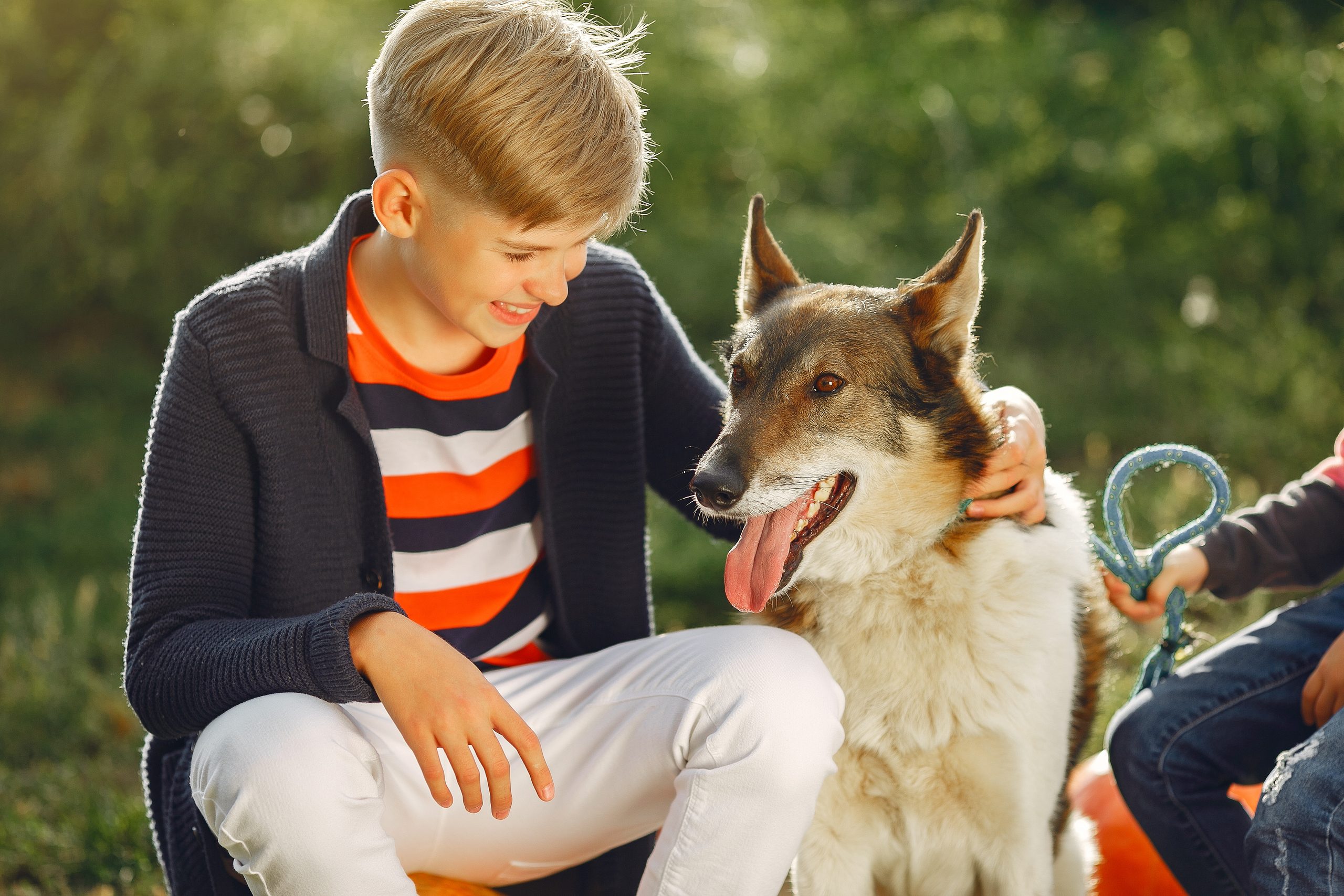
When a family home already hums with the unpredictable laughter of a toddler and the cautious, independent rhythm of a resident housecat, introducing a dog is not merely adding a pet. It is engineering an entire domestic ecosystem. In veterinary behavior, this delicate dynamic is often referred to as the multi-species household triangle. Every participant in this triangle operates on entirely different instincts, communication styles, physical vulnerabilities, and emotional thresholds.
Many families naturally gravitate toward small dog breeds. The logic seems undeniable on the surface. Smaller dogs require less square footage, produce smaller biological messes, consume significantly less food, and appear physically far less intimidating to a two-year-old child. However, seasoned veterinary practitioners and animal behavior specialists frequently issue a counter-intuitive warning. Small size does not automatically equate to family suitability, and in many situations, choosing a small breed without rigorous research leads directly to domestic chaos.
In fact, many miniature and toy breeds were selectively developed for pest eradication. They were tasked with hunting down rats, badgers, and foxes with relentless tenacity and lightning reflexes. In a modern living room, that same ancestral predatory motor pattern translates directly into an uncontrollable urge to stalk, chase, and corner the family cat. Conversely, ultra-delicate toy canines weighing under six pounds often feel perpetually imperiled around uncoordinated toddlers. This vulnerability leads to fear-based growling, snapped warnings, and tragic skeletal fractures from accidental drops or clumsy steps.
To establish lasting harmony, you must look far beyond aesthetic appeal. You need a small dog possessing an uncommon combination of attributes: robust skeletal density, an exceptionally high sensory threshold for domestic chaos, minimal predatory motor drive, and a natural affinity for social biddability. Drawing from evidence-based canine ethology, clinical veterinary literature, and breeding standards established by the American Kennel Club and the American Veterinary Medical Association, this guide analyzes the compact dog breeds that genuinely excel in this high-energy, multi-species environment.
The Ethology of Multi-Species Living: What Makes a Small Dog Safe?
Before evaluating individual breeds, it is essential to understand the biological mechanisms that dictate whether a canine can coexist peacefully with toddlers and felines. Human guardians often anthropomorphize their pets, expecting them to understand that the baby is delicate or that the cat is a family member. Canines, however, navigate the world through inherited neurological programming, sensory processing thresholds, and learned associations.
1. The Predatory Motor Pattern and Genetic Selection
All canines inherit variations of the predatory sequence: Orient, Eye, Stalk, Chase, Grab-Bite, and Kill-Bite. In wild canids, this complete motor chain is mandatory for nutritional survival. During centuries of selective human breeding, different segments of this sequence were intentionally amplified or suppressed.
Working terriers, sighthounds, and herding breeds possess hypertrophied segments of this sequence. When a cat bolts across the kitchen floor, a terrier’s brain experiences a massive surge of dopamine, triggering an involuntary chase and grab-bite response. The dog is not acting maliciously; its nervous system is executing deep-seated genetic instructions.
By contrast, true companion breeds, those developed over hundreds of years exclusively to keep human companions company, have experienced selective genetic suppression of the predatory sequence. When a cat darts past a companion-bred spaniel or toy bulldog, the dog registers the movement with mild curiosity rather than predatory arousal. This neurological calmness is the single most critical quality for multi-species safety.
2. Sensory Thresholds and Neurological Arousal
Toddlers are unpredictable sensory stimuli. They drop metal pans, screech with unexpected joy, run in erratic zigzag patterns, and fall over without warning. A dog with a low sensory threshold interprets these sudden auditory and visual shocks as existential threats. When a dog’s nervous system is pushed beyond its threshold, it enters fight-or-flight mode, which often manifests as defensive snapping or growling.
The ideal multi-pet family dog possesses a high sensory threshold and rapid physiological recovery. If a child drops a heavy wooden toy near the dog, a dog with high resilience may startle for half a second, assess that there is no real danger, and return immediately to a relaxed resting state with loose, comfortable muscles.
3. Structural Resilience versus Skeletal Fragility
A child between the ages of eighteen months and four years does not possess refined fine-motor inhibition. They stumble, drop heavy objects, and trip over floor rugs. A four-pound toy dog risks fractured radius and ulna bones from a single toddler fall. A sturdier small dog, ideally between 12 and 22 pounds with solid bone density, can absorb an accidental bump or step without pain-induced defensive aggression.
Deep Profiles of the Best Small Dog Breeds for Children and Cats
1. Cavalier King Charles Spaniel: The Gentle Empath
The Cavalier King Charles Spaniel is universally regarded by veterinarians and canine behaviorists as one of the quintessential companion breeds. Weighing between 13 and 18 pounds, the Cavalier is a masterclass in canine gentleness.
Compatibility with Cats: Despite retaining the word Spaniel in their name, modern Cavaliers exhibit near-zero predatory drive toward domestic felines. When confronted by a hissing or suspicious cat, a Cavalier’s instinctive reaction is appeasement. They lower their head, soften their gaze, avert their eyes, and gently lie down. This non-confrontational posture communicates submission, allowing even anxious cats to feel secure in their shared territory.
Compatibility with Young Children: Cavaliers are profoundly empathetic. They possess an intuitive ability to match the emotional energy of their humans. When a toddler is engaged in quiet floor play, the Cavalier will happily curl up nearby. When the child is laughing, the dog wags its plumy tail in cheerful solidarity. They virtually never show territorial resource guarding over food or toys when properly socialized.
Health Considerations: Families must work with responsible breeders who screen parent dogs for Mitral Valve Disease and Syringomyelia. Regular veterinary cardiology evaluations ensure long, vibrant lifespans. For clinical care guidelines, consult the comprehensive breed health library at VCA Animal Hospitals.
2. Pug: The Sturdy Peacekeeper
The ancient Pug is a heavyweight in a compact package. Typically weighing between 14 and 18 pounds, Pugs have solid, barrel-like torsos and thick bone structures that make them far less fragile than many other toy group members.
Compatibility with Cats: Pugs have virtually zero prey drive. They lack the speed or desire to pursue a fleeing cat, making them one of the safest roommates for felines of all ages. Many cats appreciate the Pug’s predictable movements and relaxed demeanor, often choosing to nap directly against the dog’s warm side.
Compatibility with Young Children: Pugs are famous for their comical, affectionate clown personalities. They adore human interaction, love being included in family floor games, and tolerate gentle toddler hugs better than most breeds. Their lack of defensive reactivity makes them outstanding family pets.
Health Considerations: As a brachycephalic breed, Pugs cannot regulate body heat efficiently in high humidity. Daily cleaning of their facial skin folds prevents moisture-related dermatitis, and weight must be managed carefully to avoid stress on respiratory airways.
3. Bichon Frise: The Cheerful Hypoallergenic Playmate
Originating as maritime companions and European court favorites, the Bichon Frise (12 to 18 pounds) combines cheerful enthusiasm with a resilient, sturdy frame. With their cloud-like hypoallergenic white coat and sunny disposition, Bichons approach every person and pet as a potential friend.
Compatibility with Cats: Bichons are playful without being predatory. If a cat sets a boundary with a light hiss or a paw bat, a Bichon typically backs away respectfully or sits down curiously rather than barking in agitation.
Compatibility with Young Children: Bichons are sturdy little athletes. They enjoy running around the living room during supervised play sessions, engaging in gentle games of fetch, and snuggling during storytime. Their buoyant, non-aggressive nature makes them remarkably forgiving of childhood exuberance.
Health Considerations: Routine professional grooming every 4 to 6 weeks is mandatory to prevent painful matting. Regular dental brushing keeps their teeth and gums in prime health throughout their senior years.
4. Havanese: The Velcro Family Companion
The national dog of Cuba, the Havanese (7 to 13 pounds), was specifically bred as a companion dog. Known as velcro dogs for their desire to stick close to their human pack, Havanese are perceptive, affectionate, and remarkably adaptable to multi-pet environments.
Compatibility with Cats: Because Havanese focus heavily on peaceful social harmony, they readily accept other domestic animals. Their gentle curiosity rarely escalates into territorial disputes or bullying behavior toward cats.
Compatibility with Young Children: Unlike more aloof toy breeds, the Havanese thrives on games and trick training. Children who enjoy teaching their dog how to spin, roll over, or retrieve soft toys will find a motivated partner in the Havanese. They are sturdy enough for supervised toddler play and gentle enough for quiet cuddles.
Health Considerations: Their silky coat can be maintained in an easy puppy cut for simple home care. They thrive best in homes where family members are present throughout the day to avoid separation anxiety.
5. Boston Terrier: The Polite American Gentleman
Dressed in their signature tuxedo coat, the Boston Terrier is an all-American breed celebrated for intelligence, friendly demeanor, and even temper. They generally come in three weight classes: under 15 pounds, 15 to 19 pounds, and 20 to 25 pounds, with the medium-to-larger sizes offering ideal durability for energetic households.
Compatibility with Cats: While they have ancestral terrier roots, generations of companion breeding have significantly softened their prey drive compared to true working terriers. When raised alongside cats or properly introduced, Bostons coexist peacefully and often engage in mutually respectful games of chase and tag.
Compatibility with Young Children: Boston Terriers are sturdy, spirited, and naturally fond of children. They have a patient disposition and rarely bark excessively, which helps maintain calm in homes with sleeping babies or noise-sensitive toddlers.
Health Considerations: Their short coat requires almost no maintenance. Protect their prominent eyes from low outdoor brush and keep them cool during peak summer heat waves.
6. French Bulldog: The Robust Living-Room Anchor
The French Bulldog (18 to 28 pounds) is one of the heaviest small dog breeds, boasting thick musculature and a low center of gravity. For families with active toddlers, this physical robustness is a tremendous asset.
Compatibility with Cats: Frenchies are generally relaxed and prefer lounging over energetic pursuits. Because they are not fast sprinters or persistent hunters, cats rarely feel threatened in their presence. They often form close cuddling bonds with household cats once trust is established.
Compatibility with Young Children: French Bulldogs rarely engage in nuisance barking, have high thresholds for rough toddler play, and love being at the center of family attention. Their comical expressions and quiet nature make them pleasant household members.
Health Considerations: Guard their spinal column by preventing them from jumping off high furniture. Daily checks of their tail pocket and facial wrinkles keep their skin clean and free of irritation.
Pediatric Developmental Stages and Canine Interaction
Understanding child psychology and motor development is vital for managing interactions with small dogs. Children do not possess adult reasoning capabilities, and their behavior changes dramatically across early developmental stages.
1. Infancy (0 to 12 Months): Auditory Startle and Boundary Control
During the first year of life, infants do not interact intentionally with dogs. However, their high-pitched crying, erratic kicking, and sudden arm flailing can trigger auditory stress in small dogs. Dogs that have not been desensitized to baby crying recordings may experience elevated cortisol levels. Parents must maintain physical separation using exercise pens or nursery gates. When the infant cries, calmly toss small treats to the resting dog so that infantile distress vocalizations become a predictor of safety and pleasure.
2. Toddlerhood (12 to 24 Months): Locomotion and Fine-Motor Lack
Between twelve and twenty-four months, children gain the ability to walk, but their gait is unstable and their spatial awareness is primitive. Toddlers fall without warning, often reaching out to grab whatever is nearby to balance themselves. If a toddler grabs a small dog’s ear, tail, or loose flank skin, the dog may experience acute sharp pain. Even the gentlest companion breed can snap defensively if subjected to sudden severe pain. Close hands-on parental supervision is mandatory. Teach toddlers to keep their hands open and flat when petting a dog, stroking along the side of the ribs rather than grabbing fur.
3. Preschool Years (2 to 4 Years): Testing Boundaries and Developing Empathy
Preschoolers begin to comprehend basic verbal rules, but their impulse control remains weak. They may attempt to ride a small dog, pick it up like a stuffed animal, or approach it while it is chewing a prized bone. This is the stage where parents must institute strict spatial rules: when the dog is resting on its bed or eating, the child must remain at least six feet away. Parents should actively teach children how to recognize canine non-verbal signals such as yawning, lip-licking, and head-turning, explaining that these signs mean the dog wants quiet space.
4. School Age (5 Years and Beyond): Active Partnership and Task Participation
By age five, children can participate meaningfully in positive reinforcement training and daily pet care. They can measure kibble into a bowl, help hide treats for indoor scent games, and practice basic obedience cues like sit, down, and touch. Involving school-aged children in structured training classes accredited by the Association of Professional Dog Trainers fosters genuine empathy, builds self-confidence, and solidifies the dog’s respect for the child as a benevolent leader.
The Canine Body Language Lexicon: The Ladder of Aggression
Canines rarely bite without extensive advance warning. Instead, they progress through an evolutionary sequence of non-verbal signals known in veterinary behavioral medicine as the Ladder of Aggression. Recognizing these subtle early signals allows parents to intervene long before any snap or bite occurs.
Level 1: Subtle Stress Displacements
When a small dog first feels uncomfortable around a loud toddler or an inquisitive cat, it displays subtle displacement behaviors. These include frequent yawning when not tired, licking its own lips or nose repeatedly, blinking rapidly, and turning its head away from the source of stress. These actions are polite canine requests for distance.
Level 2: Spatial Avoidance and Whale Eye
If displacement signals are ignored and the toddler continues to advance, the dog will physically attempt to move away. It may walk behind a chair, retreat under a table, or lie down facing a wall. If cornered, the dog will exhibit whale eye, where the head is held still while the eyes widen, showing the white sclera around the edges. This signal indicates rising panic and impending threshold breach.
Level 3: Freezing, Body Stiffening, and Closed Mouth
When a dog realizes it cannot escape because a child is holding it or blocking its path, it frequently enters a state of tonic immobility or freezing. Its muscles become rigid, its mouth clamps tightly shut, and its breathing slows or stops. Inexperienced guardians often misinterpret this freeze as calm acceptance. In reality, a freeze is the final warning before active defensive action.
Level 4: Vocal Warnings and Air Snapping
If physical pressure continues during a freeze, the dog is forced to escalate. It may emit a low rumble or growl, curl its upper lips to display canine teeth, or perform an air snap, where its jaws snap shut inches from the child’s hand without making physical contact. An air snap is not a failed bite; it is a deliberate, highly restrained warning that says: if you do not stop immediately, I will be forced to use my teeth.
Level 5: Defensive Bites
When all previous communicative attempts fail, the dog bites. In almost every case involving young children, the bite is a single, rapid defensive puncture born of sheer terror and physical helplessness. By teaching children to respect Level 1 and Level 2 signals, parents completely eliminate the need for a dog to ever climb to Levels 3, 4, or 5.
Environmental Architecture: Setting Up the Multi-Pet Home
Even genetically calm companion dogs will struggle if the home environment is structurally chaotic. Professional animal welfare specialists from the ASPCA emphasize that setting up the physical living space properly is ninety percent of multi-pet harmony.
1. The Feline Highway in the Sky
A cat that feels grounded feels vulnerable. When a cat feels cornered by a curious dog or an approaching toddler, their sympathetic nervous system activates, leading to defensive claw swats. To eliminate this trigger:
- Install staggered wall perches, floating cat shelves, and tall cat trees that allow felines to traverse entire rooms without touching the floor.
- Use extra-tall walk-through baby gates equipped with small bottom pet doors. Adjust the pet door opening so the cat can easily slip through to safe zones, while blocking the wider dog.
- Elevate all feline feeding bowls and litter boxes. Consuming cat feces or protein-dense cat food frequently triggers acute gastroenteritis or pancreatitis in small dogs.
2. The Canine Sanctuary Zone
Just as the cat requires elevated escape routes, the small dog requires an absolute sanctuary from toddler interaction. Implement a non-negotiable rule in the home:
- When the dog is inside their open-door crate, exercise pen, or resting on their designated orthopedic mat, children are physically prohibited from approaching or touching them.
- A dog that knows it can retreat to an inviolable sanctuary when toddler noise reaches peak intensity will never feel forced to growl or snap to create personal space.
The Structured Introduction Protocol: The 3-3-3 Rule
Rushing the introduction process is the single most common cause of multi-species conflict. Follow this deliberate timeline:
Phase 1: Olfactory Priming (Days 1 to 3)
During the initial seventy-two hours, the new dog and resident cat should not have direct visual contact. The dog stays in a dog-proofed living zone while the cat retains access to the rest of the home.
- Rub a clean cloth down the dog’s neck and place it directly beneath the cat’s food dish.
- Take a blanket your cat sleeps on and place it inside the dog’s crate or bedding area.
- Feed both animals high-value treats exclusively when they are actively sniffing these scent markers, conditioning positive emotional associations.
Phase 2: Barrier-Separated Visual Desensitization (Days 4 to 21)
Transition to visual exposure through secure physical barriers such as sturdy baby gates or screen doors.
- Position the dog on a short leash ten feet away from the barrier while a partner sits on the opposite side with the cat.
- The moment the dog observes the cat, use a verbal marker such as good and deliver a piece of cooked chicken before the dog can bark or stare intently.
- Practice the Look at That protocol certified by professional dog trainers. The dog learns that the sight of the cat is simply a cue to turn back toward the owner for rewards.
Phase 3: Supervised Coexistence and Toddler Safety (Weeks 3 to 12)
Never leave a toddler and a small dog unattended together, even for thirty seconds to answer a ringing doorbell. During supervised interactions:
- Teach toddlers the Tree Pose: if the dog becomes overly excited or jumps, the child folds their arms across their chest, stands completely still like a tree, and looks up. Small dogs quickly lose interest in stationary humans.
- Model the Petting Consent Test: stroke the dog gently along its shoulder for three seconds, then pause and remove your hand. If the dog leans into you, nudges your hand, or wags its tail, it is consenting to continued contact. If it turns its head away, licks its lips, or freezes, it is requesting personal space.
Medical Protocols and Emergency Preparedness in Multi-Pet Homes
Living with multiple species requires comprehensive veterinary protocols. Internal parasites such as roundworms and hookworms can spread through accidental contact with waste, and external fleas easily travel between cats and dogs. Strict monthly veterinary parasite prevention is essential for every pet in the home.
Corneal scratches represent one of the most critical veterinary emergencies in multi-pet homes. If a cat issues a clawed swat and catches a small dog across the face, the dog’s eye may develop an immediate corneal ulcer. Clinical guidelines from the Merck Veterinary Manual warn that untreated corneal ulcers can rapidly progress to stromal melting and permanent blindness within forty-eight hours. If your dog squints, rubs its eye with a paw, or exhibits tearing after an interaction with a cat, take the animal to an emergency veterinary clinic immediately for a fluorescein stain test and topical ophthalmic antibiotic therapy.
Furthermore, small dogs require proactive dental care. Companion toy breeds often have crowded dental anatomy, leading to accelerated tartar accumulation and periodontal disease. Establishing daily enzymatic tooth brushing during puppyhood prevents painful tooth loss and systemic organ strain in senior years.
Nutrition, Feeding Stations, and Preventing Resource Guarding
Mealtime can quickly become a battleground in multi-species homes if resource distribution is not managed with clinical precision. High-fat commercial cat food is notoriously appealing to dogs because feline nutrition requires higher levels of animal protein and lipids. However, when a small dog consumes cat kibble, the sudden influx of rich dietary fat can trigger acute pancreatitis, an excruciating and potentially life-threatening inflammation of the pancreas characterized by vomiting, severe abdominal pain, and lethargy.
To completely prevent dietary indiscretion and food-related guarding:
- Invest in microchip-activated pet feeders for your cat. These modern devices only open when the sensor reads your cat’s specific implanted microchip or collar tag, keeping the food entirely sealed away from curious canine snouts.
- Feed your small dog inside their private crate with the door closed. This ensures the dog can consume its meal in peaceful security without fearing that a crawling toddler will approach its bowl or that a stealthy cat will steal its kibble.
- Never leave high-value raw bones, bully sticks, or filled chew toys unattended on the living room rug. Resource guarding of edible items is a deeply ingrained canine survival instinct. When a dog receives a special chew treat, place the dog in its secure exercise pen until the item has been fully consumed.
Toy Breed Neurobiology: Early Habituation to Pediatric Sound Profiles
Modern canine genetic mapping reveals that breed-typical behaviors and physical temperaments are governed by intricate polygenic complexes selected over centuries of specialized working roles. Whether evaluating small companion breeds or large guardian lines, understanding ancestral working drives – such as pastoral herding instincts, sighthound prey drive, or retriever biddability – allows owners to anticipate cognitive needs before behavioral frustration emerges. During early neurological development, specifically between the critical socialization windows of eight and sixteen weeks of age, breed-specific behavioral tendencies solidify. Exposing adolescent canines to structured environmental stimuli, cooperative handling exercises, and calm problem-solving tasks activates neuroplastic adaptations within the canine prefrontal cortex.
Miniature Skeletal Biomechanics: Preventing Jump-Induced Traumatic Fractures
Preserving musculoskeletal integrity across diverse breed conformations requires an understanding of functional biomechanics. Chondrodystrophic, brachycephalic, and giant breeds present unique biomechanical force distributions across their growth plates, coxofemoral joints, and spinal columns during adolescent growth phases. Implementing non-skid flooring, controlled staircase transitions, and low-impact proprioceptive conditioning prevents early micro-trauma to articular cartilage. Furthermore, proactive orthopedic screening – encompassing PennHIP distraction index evaluations, radiographic elbow scoring, and targeted physical rehabilitation – provides owners with objective clinical parameters to maintain fluid, pain-free mobility throughout every stage of life.
Feline-Canine Sensory Signaling: Reading Multi-Species Subtle Body Language
Evaluating inter-canine social compatibility requires analyzing breed-specific communication signals and ritualized greeting postures. While certain companion breeds demonstrate low conspecific reactivity and natural sociability, primitive and livestock guardian breeds display heightened territorial vigilance and pronounced ritualized warning displays. Facilitating positive social interactions requires handlers to recognize subtle displacement behaviors, respect individual flight zones, and maintain loose leashes to avoid artificial defensive posturing. Structured parallel walking routines in neutral territory encourage harmonious social acclimation without placing dogs in high-pressure face-to-face greetings.
Child-Safe Household Protocols: Guarding Small Dogs from Accidental Nursery Injuries
Establishing a lifelong preventative healthcare architecture requires customized veterinary protocols tailored to specific breed predispositions. Regular screening panels – including annual comprehensive biochemical testing, resting electrocardiograms, thyroid antibody assays, and digital ocular examinations – allow clinicians to detect degenerative metabolic conditions during early subclinical stages. Collaborating with veterinary specialists to establish individualized nutritional energy scaling, dental prophylaxis schedules, and lifestyle modifications ensures that companion animals achieve optimal health and cognitive vitality throughout their senior years.
Pediatric-Canine Behavioral Checkups and Long-Term Family Cohabitation Monitoring
Maintaining long-term wellness for companion dogs requires an active, ongoing partnership between dedicated guardians and qualified veterinary professionals. Establishing regular six-month wellness examinations, conducting routine diagnostic laboratory panels, and maintaining longitudinal records of behavioral patterns and dietary responses provides clinicians with essential baseline metrics. By adopting an evidence-based preventative mindset and addressing subtle environmental and physical changes promptly, pet parents ensure their canine companions enjoy optimal vitality, emotional comfort, and flourishing health throughout every developmental life stage.
Small Dog Family Compatibility Matrix
This table compares the six top small breeds across core household dimensions:
| Breed | Weight Range | Prey Drive Level | Toddler Tolerance | Cat Compatibility | Grooming Need |
|---|---|---|---|---|---|
| Cavalier King Charles | 13 to 18 lbs | Very Low | Excellent | Flawless | Moderate |
| Pug | 14 to 18 lbs | Zero | Exceptional | Exceptional | Low (Wrinkle Care) |
| Bichon Frise | 12 to 18 lbs | Low | Very High | Very High | High (Hypoallergenic) |
| Havanese | 8 to 13 lbs | Very Low | High | Very High | Moderate (Puppy Cut) |
| Boston Terrier | 15 to 22 lbs | Low to Moderate | Very High | High | Very Low |
| French Bulldog | 19 to 28 lbs | Low | Exceptional | High | Low (Wrinkle Care) |
Frequently Asked Questions (FAQs)
Which small dog breed has the lowest prey drive for living with cats?
The Pug, Cavalier King Charles Spaniel, and Shih Tzu consistently rank highest for having the lowest prey drive among small companion breeds. They were developed purely for human companionship rather than hunting, herding, or vermin extermination. When an indoor cat dashes across the room, these companion breeds typically register the movement with mild curiosity rather than an impulse to stalk or capture.
Can a cat cause permanent eye damage to a small dog puppy?
Yes. A startled or cornered adult cat can easily scratch a small puppy’s cornea with extended claws. Corneal lacerations are common veterinary emergencies in multi-pet homes and can lead to permanent vision loss or surgical eye removal if bacteria invade the wound. This is why all initial meetings must be closely supervised with the dog on a short leash, and the cat must always have elevated escape perches so it never feels trapped.
What is the safest age for young children to interact independently with small dogs?
Children should never interact completely unsupervised with any dog until they are at least seven or eight years of age. At this developmental stage, children possess the impulse control, fine-motor coordination, and empathetic comprehension required to read canine body language accurately. For toddlers and preschoolers, all interactions must be directly managed by an attentive adult guardian.
Why does my small dog compulsively try to eat cat feces from the litter box?
This behavior, known clinically as coprophagia, is driven by the high protein and fat content in commercial cat food. Because feline digestion is less efficient at breaking down certain fats, cat waste smells highly appealing to canines. However, consuming cat litter poses severe risks of intestinal obstruction, and feline feces can transmit harmful parasites like toxoplasmosis. The only reliable solution is environmental exclusion: place the litter box inside elevated furniture or behind an adjustable door strap that only the cat can pass through.
How can I stop my small dog from resource guarding its food bowl from toddlers?
Never punish a dog for growling around its food bowl; punishing a growl removes the dog’s warning system and increases the risk of a silent bite. Instead, eliminate the opportunity for conflict by feeding the dog inside a secure crate or behind a closed door. Teach toddlers that food bowls are completely off-limits. If you approach an eating dog, toss a piece of cheese or meat into the bowl from several feet away so the dog associates footsteps with positive additions rather than perceived loss.
Are male or female small dogs better with young children and cats?
Individual temperament, early socialization history, and training influence family compatibility far more than biological sex. Both neutered males and spayed females of companion breeds demonstrate equal levels of affection, patience, and feline tolerance. Focus your selection on an individual puppy or rescue dog that displays curious, non-reactive responses to novelty.
What should I do if my rescue dog fixes its gaze on the cat without blinking?
A stiff, frozen posture with an unblinking, locked gaze is a severe red flag indicating predatory fixation. If this occurs, immediately step in front of the dog to break its line of sight and guide it away on a leash. Do not yank or scream, as high human agitation can trigger predatory grab-bites. If the dog cannot be redirected away from the cat even with high-value treats like roast chicken, consult a certified canine behaviorist before allowing any direct contact.
How do I prevent my small dog from developing separation anxiety when the children are at school?
Establish a predictable daily routine from the first week your dog arrives. Practice short, structured departures where the dog remains in a comfortable resting area with a frozen stuffed treat. Keep departures and arrivals quiet and low-key. Providing regular daily mental enrichment, such as nose-work games and puzzle feeders, builds emotional resilience and helps the dog enjoy restful solitude while family members are away.
How do I handle a small dog that tries to herd or nip at children’s ankles when they run?
Ankle-nipping during running games is common in herding breeds and alert small dogs. When children run and squeal, the motion activates the dog’s chase instinct. To extinguish this behavior, teach children to freeze immediately when the dog approaches their feet. When movement ceases, the dog loses stimulation. Simultaneously, redirect the dog’s chasing drive into appropriate games such as flirt poles or long-distance fetch with a tennis ball in the yard.
Can a cat transmit infectious diseases to my new small puppy?
Yes, cats can transmit several pathogens to dogs, most notably external parasites like fleas and mites, fungal infections such as ringworm, and internal parasites including roundworms and Giardia. Ensure the resident cat undergoes a thorough veterinary examination, fecal test, and parasite prevention application before bringing the puppy home.
The Definitive Blueprint for Multi-Pet Success
Welcoming a small dog into a household shared by energetic young children and an independent cat is one of the most enriching experiences a family can undertake. When executed with patience, knowledge, and respect for each animal’s biological nature, this multi-species dynamic teaches children profound lessons in gentleness, non-verbal empathy, and lifelong responsibility.
By prioritizing companion breeds with low predatory drive, solid bone structure, and high sensory tolerance, such as the Cavalier King Charles Spaniel, the Pug, the Bichon Frise, the Havanese, or the Boston Terrier, you establish a solid foundation for domestic peace. Combine thoughtful breed selection with structural environmental barriers, cat escape routes, and strict sanctuary zones for the dog. With consistent guidance, empathetic parenting, and patient supervision, your home will flourish as a joyful, safe sanctuary where children, cats, and canines share a lifetime of unconditional love and companionship.

Leave a Comment