

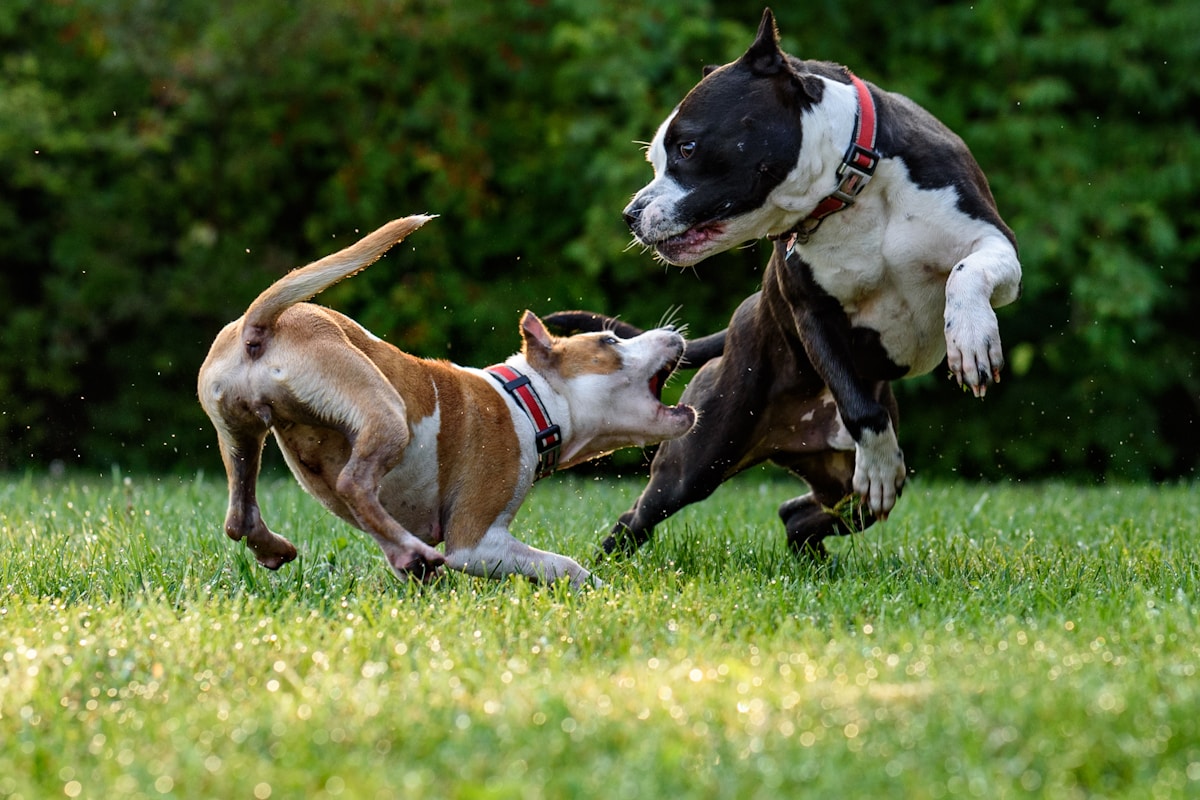
Bringing a second or third canine into your family is one of the most rewarding decisions a dog lover can make. Watching two dogs engage in reciprocal play bows, groom each other’s ears in quiet moments of affection, and rest curled together on a shared rug brings immense joy to any household. However, multi-dog living can quickly transform into a stressful domestic nightmare if the breeds involved possess conflicting social drives, high resource guarding tendencies, or innate inter-dog intolerance.
Contrary to popular belief, not all domestic dogs desire canine companionship. Selective breeding over centuries has created stark differences in intra-species sociability. Certain breeds, particularly primitive hunting terriers and solitary livestock guardians, were intentionally developed to view unfamiliar dogs with intense suspicion or competitive drive. Introducing a high-prey-drive terrier or a dog-intolerant guardian into a multi-dog home requires extraordinary vigilance and lifelong management.
Conversely, breeds developed to work in synchronized hunting packs or bred exclusively for human companionship possess genetic wiring that prioritizes peaceful social cohesion, ritualized appeasement, and low competitive aggression. Drawing on clinical canine ethology, multi-dog behavioral research published by the Association of Professional Dog Trainers, and breed temperament standards from the American Kennel Club, this comprehensive guide analyzes the dog breeds that are naturally predisposed to living in multi-dog harmony.
The Ethology of Canine Pack Sociality: Why Some Breeds Love Other Dogs
Understanding canine sociability requires dismantling outdated popular myths and examining how dogs genuinely communicate and interact with members of their own species.
1. The Evolution of Pack Hunting and Genetic Non-Aggression
The domestic dog breeds that display the highest tolerance toward other canines are overwhelmingly those developed to work in large, cooperative hunting packs. Scent hounds like Beagles, Foxhounds, and Basset Hounds were selectively bred over hundreds of generations to run shoulder-to-shoulder with twenty or thirty other dogs in pursuit of quarry. Any hound that initiated fights over scent trails, snapped at pack members, or displayed food aggression was immediately culled from breeding programs. As a result, pack hounds inherited exceptionally soft, non-confrontational social wiring that makes them naturally peaceful roommates.
2. Dispelling the Alpha and Dominance Myth
For decades, outdated dog training literature promoted the concept of the alpha wolf and linear dominance hierarchies, claiming that dogs in multi-pet homes must constantly fight to establish an alpha leader. Modern veterinary behavior science has completely debunked this model. Landmark research by wildlife biologist Dr. L. David Mech and studies published by the American Veterinary Medical Association demonstrate that natural canid groups function as cooperative family units, not militaristic hierarchies. In a harmonious multi-dog home, social relationships are fluid, contextual, and built on mutual respect rather than physical dominance.
3. Ritualized Communication and Appeasement Signals
Socially competent dogs avoid physical conflict whenever possible through ritualized non-verbal signaling. When two polite dogs meet, they do not stare directly into each other’s eyes or make frontal approaches. Instead, they approach on gentle curves, sniff groins and flanks in a circular dance, avert their gaze, lip-lick, and offer playful play bows. Breeds that excel in multi-dog homes possess an expansive vocabulary of these subtle calming signals and read other dogs’ body language with effortless accuracy.
Deep Profiles of the Premier Multi-Dog Breeds
1. Golden Retriever: The Universal Social Diplomat
The Golden Retriever (55 to 75 pounds) is widely celebrated as the gold standard of canine social gentleness. Developed in nineteenth-century Scotland as an upland waterfowl retriever, the Golden was bred to work calmly alongside other hunting dogs, waiting patiently in duck blinds without displaying territorial competition.
Multi-Dog Dynamics: Golden Retrievers possess an extraordinarily forgiving and gregarious social nature. They rarely interpret other dogs’ clumsy play styles as aggressive insults, and they excel at de-escalating tension through playful disengagement. Their willingness to share toys, floor space, and human attention makes them the ideal anchor dog for any multi-canine household.
Management Considerations: Their immense enthusiasm for play can occasionally overwhelm timid, elderly, or smaller companion dogs. Early training should focus on teaching calm settling behaviors and polite greeting thresholds.
2. Beagle: The Cheerful Pack Specialist
Standing between 13 and 15 inches tall and weighing between 20 and 30 pounds, the Beagle was engineered to live, sleep, and hunt in cooperative hound packs. Their entire psychological makeup revolves around group harmony.
Multi-Dog Dynamics: A solitary Beagle is often a lonely Beagle. This breed thrives in the company of other dogs, frequently developing deep cooperative bonds with fellow canines. Beagles possess virtually zero inter-dog aggression, rarely fight over resting spots, and communicate with gentle, non-threatening body language. They integrate seamlessly with dogs of all sizes, from giant hounds to toy companions.
Management Considerations: Beagles are vocally expressive and food-driven. While they do not exhibit malicious resource guarding, meal times should be managed with structured separation to prevent greedy Beagles from sneaking food from slower-eating companions.
3. Basset Hound: The Placid Living-Room Co-Worker
With their long ears, droopy jowls, and low-slung frame, the Basset Hound (40 to 65 pounds) brings an unshakeable aura of peace to any multi-dog household. Like their Beagle cousins, Bassets are pack scent hounds built for peaceful group endurance.
Multi-Dog Dynamics: Basset Hounds operate at an unhurried emotional pace. They do not compete for household status, they rarely react to other dogs’ barking, and they are famous for sharing large orthopedic beds with fellow canine family members. Their heavy bone structure and low center of gravity mean they do not jump, push, or physically bully other pets.
Management Considerations: Their long, heavy ears require regular hygiene to prevent bacterial infections. Their slow pace makes them better companions for calm or moderate-energy dogs rather than frantic, high-speed runners.
4. Labrador Retriever: The Cooperative Working Partner
For over three decades, the Labrador Retriever (55 to 80 pounds) has ranked among the most popular family companions in the world, largely due to its remarkable social biddability and cooperative spirit.
Multi-Dog Dynamics: Labradors are naturally social, energetic, and eager to share activities with other canines. They enjoy interactive games of chase, cooperative swimming, and tandem fetch. Their high biddability allows human handlers to manage multi-dog routines, feeding stations, and outdoor pack walks with minimal friction.
Management Considerations: Young adolescent Labradors can display exuberant, boisterous play styles that may startle small toy dogs or irritate arthritic senior canines. Close supervision during the adolescent window (eight to twenty months) ensures play remains balanced and polite.
5. Pug: The Comedic Multi-Pet Roommate
Weighing between 14 and 18 pounds, the ancient companion Pug possesses an exceptionally sweet, non-confrontational nature that makes it an outstanding addition to homes with existing dogs.
Multi-Dog Dynamics: Pugs have zero working prey drive and no territorial guarding instinct. They view other dogs as natural cuddling companions and floor pillows. When an older dog issues a corrective warning growl, a Pug immediately responds with respectful appeasement, avoiding conflict effortlessly. They coexist beautifully with both larger dogs and small toy breeds.
Management Considerations: Pugs are brachycephalic, meaning their breathing pathways are compressed. Vigorous wrestling with energetic large dogs must be monitored to ensure the Pug does not overheat or suffer eye trauma from rough play.
6. Bernese Mountain Dog: The Gentle Alpine Pack Pillar
The Bernese Mountain Dog (70 to 115 pounds) brings steady, dependable calmness to multi-dog families. Developed on Swiss alpine farms to work alongside dairy cattle and other farm dogs, the Bernese possesses an innate desire for peaceful household order.
Multi-Dog Dynamics: Despite their substantial size, Bernese Mountain Dogs are gentle, empathetic, and exceptionally respectful of other canines. They rarely challenge other dogs for resources, preferring to lounge quietly nearby. Their presence often acts as a soothing, stabilizing influence on nervous or anxious smaller dogs.
Management Considerations: Their thick double coat requires dedicated weekly grooming, and their size demands comfortable floor space for resting without obstructing high-traffic home walkways.
Health certification guidelines from the Orthopedic Foundation for Animals (OFA) provide essential baseline data for evaluating structural soundness and hereditary predispositions.
The Psychology of Same-Sex Aggression and Gender Dynamics
When selecting a second or third dog, understanding biological sex dynamics is critical for long-term domestic peace. Veterinary behavior specialists from VCA Animal Hospitals note that inter-dog aggression cases in multi-pet homes frequently involve specific gender configurations.
1. Male-Female Pairings: The Golden Standard
The most naturally harmonious pairing in domestic canines is one neutered male and one spayed female. Canines exhibit strong evolutionary adaptations that suppress intense territorial combat between opposite sexes. A male dog will almost always defer to a female dog during minor domestic disagreements over resting areas or toys, eliminating eighty percent of potential household friction.
2. Male-Male Dynamics: Posturing Without Prolonged Grudges
Two neutered males typically coexist very well, provided their energy levels are compatible. When disagreements occur between two males, they tend to be brief, ritualized, and noisy displays consisting of raised hackles, stiff legs, and air snaps. Once the momentary disagreement ends, males typically shake off their stress and return to normal coexistence without lingering resentment.
3. Female-Female Pairings: The Highest Risk Profile
Experienced canine behaviorists warn that female-female pairings, particularly between certain terrier, herding, or guard breeds, represent the most volatile multi-dog dynamic. Known clinically as female-female intraspecific aggression, conflict between two incompatible females can become deeply personal and unrelenting. Unlike males, females involved in severe dominance disputes often hold deep grudges, and fights can escalate to severe tissue trauma. If you plan to keep two females, choose companion breeds with low competitive drive like Golden Retrievers or Bassets, and ensure a two-to-three-year age difference.
The Step-by-Step Multi-Dog Introduction Blueprint
Never bring a new dog directly through your front door and drop it into your existing dog’s territory. Doing so triggers immediate territorial alarm and defensive posturing. Follow this scientific, phased introduction protocol:
Preliminary Olfactory Calibration: The Scent Swapping Foundation
Before any physical visual contact occurs, dogs process the biological identity of another canine through their highly developed vomeronasal organ, which detects complex pheromones and volatile organic compounds. Begin the introduction process forty-eight hours before the physical meeting by swapping bedding, bandanas, or soft grooming cloths between the two dogs. Place the unfamiliar dog’s scented cloth beneath your existing dog’s food bowl during meal times. This neurological association conditions the dog’s limbic system to register the new animal’s scent signature with safety, dopamine release, and positive anticipation rather than territorial intrusion.
Phase 1: Neutral Territory Parallel Walking
Choose a neutral outdoor location that neither dog considers its territory, such as a quiet neighborhood park street several blocks away. Have two handlers walk the dogs in parallel on six-foot fixed leashes, keeping thirty feet of distance between them.
- Do not allow the dogs to face each other directly. Walk both dogs in the same direction, allowing them to smell the same ground, hear the same ambient sounds, and observe each other casually out of their peripheral vision.
- Gradually narrow the distance between the two handlers over twenty minutes, moving from thirty feet to fifteen feet, and finally to six feet.
- When both dogs display loose, soft body language, gentle tail wags, and calm breathing, allow them to circle each other on loose leashes for a ten-second greeting before calmly walking onward together.
Phase 2: Yard and Threshold Transition
Once the parallel walk is complete, walk both dogs home together on leash. Enter your secure outdoor backyard first, rather than the interior living room. Keep leashes attached but allow them to drag loosely on the grass. Allow the dogs to explore the yard together, sniffing corners and engaging in mutual play bows. Provide continuous verbal praise for relaxed social curiosity.
Phase 3: Indoor Resource Sanitization
Before bringing the dogs inside your home, sanitize the environment of all high-value competition triggers:
- Remove all raw bones, plush squeaker toys, tennis balls, and chew items from the floors.
- Pick up all food bowls and water dishes. Place fresh water bowls in three separate locations around the house to prevent resource bottlenecking.
- Ensure wide pathways between rooms. Never allow dogs to crowd each other in narrow hallways or tight doorways.
Spatial Feeding Architecture and Resource Guarding Prevention
Food is the most primal resource in the canine mind. Even naturally friendly breeds can experience sudden spikes in arousal when consuming high-value meals. Preventing food competition requires thoughtful household design.
Implement these non-negotiable feeding protocols:
- Dedicated Separation Zones: Never feed multiple dogs within three feet of each other on the kitchen floor. Feed dogs in separate rooms with closed doors, or on opposite sides of a physical barrier such as a sturdy baby gate. This completely removes the visual anxiety of wondering if the other dog will steal their meal.
- The Thirty-Minute Bowl Rule: Allow each dog fifteen to twenty minutes to finish its meal in complete privacy. Once the dog steps away from its bowl, pick the empty dish up immediately and store it inside a cabinet. Leaving empty bowls on the floor allows insecure dogs to guard the lingering food scent.
- Controlled Treat Distribution: When dispensing treats, call each dog by name individually before delivering the reward. This teaches your dogs that another dog receiving food is not a threat to their own resources, but rather an indicator that their turn is coming next.
Medical Management and Parasite Prevention in Multi-Pet Homes
Living with multiple canines creates unique veterinary considerations. Infectious pathogens and external parasites spread rapidly between closely bonded animals.
Follow these essential healthcare safeguards:
- Simultaneous Parasite Prevention: Administer prescription broad-spectrum antiparasitic treatments to all dogs in the home on the exact same day each month. If one dog contracts fleas, ticks, or intestinal roundworms, all cohabiting dogs become immediate hosts.
- Vaccination Harmony: Ensure all resident dogs maintain current core vaccinations, particularly for canine infectious respiratory disease complex (Bordetella bronchiseptica and canine parainfluenza). In high-density multi-dog homes, airborne respiratory pathogens spread effortlessly through shared panting and communal water bowls.
- Monitoring Senior Dog Pain: In multi-dog households, sudden unexpected fights often stem from undiagnosed orthopedic pain. An older dog suffering from canine osteoarthritis or spinal spondylosis may snap defensively if an energetic young companion accidentally bumps into its painful hip. Conduct bi-annual veterinary wellness exams for senior dogs to maintain proactive multimodal pain management.
Multi-Dog Sleep Architecture and Territorial Micro-Geography
Sleep is a foundational pillar of canine emotional health. In a multi-dog home, poor sleeping arrangements are a frequent, hidden driver of domestic tension. Canines sleep between twelve and fourteen hours daily, with working breeds and senior dogs requiring even more restorative rest.
When multiple dogs are forced to compete for prime resting locations, sleep quality plummets. Consider these essential spatial design principles:
- Distributed Orthopedic Sleep Stations: Never place all dog beds clustered tightly together in a single corner. Provide at least one more bed than the total number of dogs in your home, distributed across multiple quiet zones of the house. This allows more introverted or physically tender dogs to rest undisturbed, away from high-traffic hallways and active companions.
- Preventing Sleep-Startle Reactivity: When a dog is awakened abruptly from deep REM sleep, its amygdala can fire defensive reflexes before its conscious cortex recognizes its surroundings. If an active dog trips over a sleeping companion, the startled dog may issue a defensive air snap or growl. Placing sleeping mats away from direct doorway paths completely prevents accidental nighttime collisions.
- Micro-Geography and Guarding Bottlenecks: Dogs naturally recognize spatial choke points such as the narrow space between the kitchen island and the refrigerator, or the threshold between the living room and the hallway. Insecure or pushy dogs will often lie down directly in these bottlenecks, passively controlling the movement of other pets. Never allow a dog to camp in spatial choke points; train all dogs to rest on designated place mats well clear of interior doorways.
Group Play Dynamics and De-escalation Coaching
Observing multiple dogs engage in joyful play is a wonderful experience, but multi-canine play requires educated human supervision. Healthy social play can escalate into dangerous conflict if physiological arousal thresholds are crossed.
Educated guardians look for these positive behavioral indicators:
- Self-Handicapping and Inhibited Bite Pressure: Socially mature dogs instinctively adjust their physical power to match their play partner. A 75-pound Golden Retriever will willingly lie on its back or slow its running speed when playing with a 20-pound Beagle. This voluntary self-handicapping demonstrates high emotional intelligence and ensures mutual safety.
- The Pause and Shake-Off Reset: Healthy play is punctuated by brief, natural pauses. Every sixty to ninety seconds, polite dogs will momentarily disengage, shake their entire bodies as if drying off from water, and sneeze. This full-body shake-off is a biological reset mechanism that discharges sympathetic nervous system arousal, keeping play balanced and safe.
- Managing Predatory Drift in Multi-Dog Chases: When three or more dogs engage in high-speed chase games in a large yard, pack dynamics can shift rapidly. If the fleeing dog trips, vocalizes in pain, or is smaller in stature, the trailing dogs’ hunting instincts can trigger suddenly, transitioning friendly play into predatory pursuit. If chasing becomes silent, intense, and lacks reciprocal role reversals, immediately recall your dogs and institute a five-minute calming break.
Multi-Dog Training Mechanics: Individual versus Tandem Coaching
Training multiple dogs simultaneously is an advanced handling skill. Many novice guardians make the mistake of only training their dogs together, which results in canines that rely on each other for social cues while ignoring human direction.
Implement this balanced training structure:
- Individual One-on-One Training Sessions: Dedicate ten minutes daily to working with each dog in complete isolation from the others. Take one dog into a quiet bedroom or the backyard while the other dog enjoys a stuffed frozen toy behind a closed door. Individual sessions build a strong, direct relationship between you and each canine, fostering deep confidence and independence.
- Social Learning and Habit Mimicry: Canines are remarkable observational learners. If your existing adult dog barks incessantly at passing delivery trucks, your new puppy will rapidly mirror and adopt that exact behavior through social facilitation. Conversely, having a rock-solid, calm adult dog provides an invaluable behavioral anchor that accelerates a new dog’s training and housebreaking.
- Sequential Door and Vehicle Release Cues: Prevent frantic doorway bolting by training individualized release cues. When opening the back door or the vehicle tailgate, have all dogs wait in a calm sit-stay. Call each dog by name one at a time to proceed through the threshold. This teaches advanced impulse control and eliminates dangerous crowding at exit points.
How do you safely introduce a new puppy to an established senior resident dog?
Introducing an energetic, clumsy puppy to an arthritic or quiet senior dog requires structured adult supervision and strict boundary enforcement. Senior canines often have limited physical tolerance for sharp puppy teeth and relentless jumping. Create separate zones using baby gates so the senior dog can retreat to undisturbed rest whenever desired. When both animals are together, redirect the puppy’s biting and wrestling energy onto interactive flirt poles and chew toys before the senior dog is forced to issue a harsh correction.
What are the most effective management strategies for multi-dog feeding routines?
To eliminate resource guarding and mealtime tension, feed each dog in completely separate physical locations. Use separate rooms with closed doors or place dogs inside their private crates during feeding. Keep bowls down for twenty minutes, then pick up all remaining food before opening doors. This structured separation removes any competitive pressure, allows slow-eating companions to dine peacefully without anxiety, and prevents greedy dogs from stealing rations.
How can owners recognize subtle signs of social tension before a dog fight breaks out?
Dog fights rarely occur out of the blue; they are preceded by micro-signals of tension that human handlers often overlook. Watch for the ‘freeze’: when two dogs go suddenly still while sniffing each other, eyes wide and unblinking. Other warning signs include hard, direct eye contact, stiff high-tail carriages vibrating with rapid tension, low rumbling lip tremors, and placing a chin or paw over another dog’s withers. The moment you detect body stiffening, calmly call your dog’s name and redirect them away with happy vocal praise.
How does daily parallel pack walking foster lasting harmony between household dogs?
Parallel pack walking: walking two or more dogs side by side on loose leashes in the same forward direction: is one of the most powerful bonding rituals in canine behavioral medicine. Moving forward together in synchronization taps into ancestral pack migration instincts without introducing competitive face-to-face tension. Daily parallel walks build shared familiarity, release endorphins, and reinforce mutual pack cohesion far more effectively than uncontrolled yard wrestling.
Longitudinal Pack Cohabitation Metrics and Conspecific Sociability Profiling
Establishing sustainable multi-dog social dynamics requires structured longitudinal monitoring of canine body language, spatial buffering, and micro-stress indicators. Ethological studies demonstrate that canine cohabitation thrives when guardians recognize subtle displacement behaviors such as lip-licking, ground-sniffing, and head-turning during initial greeting rituals. By documenting these interactions over thirty-day intervals, handlers can identify emerging friction before overt agonistic behavior manifests.
Social compatibility profiling must account for disparate play styles, energy thresholds, and age-related physical limitations among household canines. A young, exuberant retriever paired with an arthritic senior hound necessitates targeted environmental partitioning to prevent social fatigue. Utilizing structured tandem walking sessions on neutral territory strengthens collective pack identity while minimizing territorial defensiveness within the domestic perimeter.
Feeding Station Spatial Geometry: Eliminating High-Value Resource Friction
Resource guarding represents the primary driver of intra-household aggression in multi-canine environments. Nutritional distribution must occur in dedicated, non-contiguous physical zones separated by visual barriers or solid door thresholds. This spatial geometry eliminates visual fixation, pacing, and defensive posturing while dogs consume calorie-dense meals.
High-value chew items such as marrow bones, dental chews, and stuffed puzzle toys require strict spatial separation protocols. Guardians should never disperse high-value items in shared open living areas where ambiguous ownership triggers sudden conflict. Conditioning each canine to willingly retreat to an individual crate or dedicated station guarantees psychological safety and peaceful mealtime routines.
Chemical and Acoustic De-escalation Signals during Multi-Dog Roughhousing
Healthy conspecific play incorporates reciprocal role reversals, exaggerated bouncy movements, and intermittent mutual pauses lasting two to five seconds. Handlers must distinguish these collaborative ethological markers from genuine agonistic arousal characterized by stiffening musculature, high-pitched vocal snarls, and fixed pupillary dilation.
When play intensity crosses the threshold of voluntary regulation, handlers should implement low-arousal acoustic interruptions rather than frantic vocal commands. A gentle tactile interrupter or clapping cue paired with a synchronized scatter-feeding dispersal resets autonomic arousal levels without introducing human anxiety into the canine social dynamic.
Hormonal Modulation and Neutral-Ground Intro Protocols for Adult Canine Co-housing
Integrating adult canines into an established domestic territory demands multi-phase introductory protocols conducted across neutral community spaces. Parallel walking at parallel distances of fifteen to twenty feet allows reciprocal olfactory exploration through wind-borne scent dispersion without direct physical confrontation.
Over multiple sessions, the distance between walking paths gradually contracts until both animals demonstrate soft body curves, loose tail carriage, and reciprocal ground sniffing. Only after several consecutive successful neutral walks should indoor integration begin, utilizing baby gates and drag leashes to maintain complete environmental safety.
Canine Conflict Resolution: Behavioral Triage and Scent-Based Pack Harmony
Maintaining peace in a multi-canine household demands vigilant supervision during high-arousal transition periods such as arrivals, outdoor perimeter exploration, and door greetings. Ethologists emphasize that structured spatial boundaries and neutral feeding stations prevent unnecessary resource friction, fostering mutual tolerance and relaxed cohabitation.
Consistently rewarding calm tandem settle behaviors and redirecting early tense postures with neutral play cues reinforces social equilibrium. Over time, regular collaborative exercise and structured quiet routines establish a stable communal bond, enabling multiple canines to thrive together in lifelong safety and comfort.
Multi-Dog Breed Compatibility Matrix
This table compares the primary multi-dog companion breeds across essential social parameters:
| Breed | Average Weight | Pack Social Drive | Same-Sex Aggression Risk | Resource Guarding Tendency | Ideal Household Companion |
|---|---|---|---|---|---|
| Golden Retriever | 55 to 75 lbs | Exceptional | Extremely low | Very low | All breeds and energy levels |
| Beagle | 20 to 30 lbs | Superior (Pack hound) | Zero | Low (Food-focused) | Energetic and playful dogs |
| Basset Hound | 40 to 65 lbs | Very high | Zero | Extremely low | Calm, relaxed companions |
| Labrador Retriever | 55 to 80 lbs | Very high | Extremely low | Low | Active sporting dogs |
| Pug | 14 to 18 lbs | High (Affectionate) | Zero | Extremely low | Gentle large and small breeds |
| Bernese Mountain | 70 to 115 lbs | High (Gentle anchor) | Extremely low | Very low | Calm family dogs |
Frequently Asked Questions (FAQs)
What should I do if my existing dog is an older senior and I want to adopt a puppy?
Pairing an energetic, bouncy puppy with an arthritic senior dog requires careful boundary management. Puppies lack social inhibition and will relentlessly pounce on an older dog, causing pain and frustration. Install baby gates and exercise pens to give your senior dog guaranteed quiet sanctuaries. Provide separate one-on-one exercise and playtime for the puppy so its boundless energy is thoroughly spent before it interacts gently with your senior companion.
How can I tell if two dogs are playing safely or if a real fight is brewing?
Healthy canine play is characterized by loose, bouncy body language, mutual role reversals (one dog chases, then they switch; one dog is on bottom, then on top), frequent brief pauses to shake off, and exaggerated play bows with rears in the air. By contrast, a brewing fight displays stiff, rigid posture, closed mouths with hard staring eyes, high-pitched frantic squealing, persistent pinning without release, and a complete lack of reciprocal role reversal. If play becomes tense, calmly separate the dogs for a five-minute cooling break.
Why do my two dogs suddenly fight when the front doorbell rings?
This common phenomenon is known clinically as redirected aggression or trigger stacking. When the doorbell rings, both dogs experience an instantaneous surge of high arousal and excitement. If they cannot physically reach the visitor through the closed front door, that intense kinetic arousal has nowhere to go and is often redirected onto the nearest target, which is the other dog standing beside them. Prevent this by teaching both dogs to run to designated place beds away from the door whenever the chime sounds.
Can two unneutered male dogs live together peacefully?
While some intact males of gentle pack breeds like Bassets or Beagles can coexist, keeping two intact males significantly increases the risk of competitive territorial marking, mounting, and hormonal posturing, especially if an unspayed female dog in heat lives anywhere in the neighborhood. Surgical castration significantly reduces testosterone-driven competition and stabilizes multi-male household dynamics.
What is littermate syndrome, and why is adopting two puppies at once discouraged?
Littermate syndrome occurs when two puppies from the same litter (or of similar age) are raised together in the same household. The puppies frequently form an intense, codependent bond with each other while failing to bond properly with human handlers. This leads to profound separation anxiety when parted, poor trainability, extreme fear of novel environments, and eventually, severe inter-dog aggression as they reach adolescent social maturity at twelve to eighteen months. Adopt one puppy, train it thoroughly until it is mature and stable, and then consider adding a second companion.
How do I stop my dogs from competing for my attention when I sit on the sofa?
Attention guarding occurs when one dog pushes in between you and the other dog, growls softly, or attempts to physically block your hands. Never pet a dog that is actively demanding attention or muscling out a companion. Stand up immediately, fold your arms, and step away, removing your attention entirely. Only pet your dogs when they are resting calmly on their own beds or displaying polite, relaxed posture.
What should I do if a real dog fight breaks out in my home?
Never reach your bare hands into the middle of a dog fight to grab collars; you will suffer severe accidental puncture wounds. Instead, use the wheelbarrow technique: have two adults grab the hind legs of each dog near the hips and lift them like a wheelbarrow, walking backward in opposite directions. You can also throw a heavy blanket over their heads to break visual fixation, empty a bucket of water over their faces, or use a physical barrier like an ironing board or kitchen chair to separate them safely.
How many dogs can comfortably live together in an average family home?
There is no single universal number, but most veterinary behaviorists agree that two or three dogs represent the sweet spot for typical family households. Each additional dog exponentially increases the complexity of group dynamics, veterinary expenses, daily exercise demands, and household arousal levels. Only expand beyond three dogs if you possess significant time, physical space, and financial resources.
Can a small dog and a giant dog safely live together?
Yes, provided both breeds are selected with care. A gentle giant breed like a Newfoundland or Great Dane can live beautifully with a sturdy small dog like a Pug or Boston Terrier. However, guardians must prevent predatory drift, where high-speed chasing triggers ancestral hunting instincts in the large dog. Never leave giant and toy dogs together unsupervised, as an accidental paw swipe from a 130-pound dog can fracture a small dog’s spine.
How do I handle walks with multiple dogs that pull in different directions?
Train each dog to walk politely on a loose leash individually before attempting tandem pack walks. Once each dog understands foundational leash positioning, walk them together using front-clip harnesses. If managing multiple leashes is difficult, use a heavy-duty dual-dog bungee coupler, but only after both canines have demonstrated calm, cooperative walking manners on their own.
The Definitive Blueprint for Lifelong Pack Harmony
Creating a peaceful, joyful multi-dog home is an art built on understanding canine psychology, selecting harmonious breed temperaments, and maintaining thoughtful daily household structure. Breeds like the Golden Retriever, Beagle, Basset Hound, Labrador Retriever, Pug, and Bernese Mountain Dog prove that domestic canines can live together in profound mutual affection.
By conducting patient neutral-territory introductions, separating feeding stations, eliminating competition over high-value toys, and honoring each dog’s unique emotional needs, you establish an environment where canine friendships flourish. Maintain dedicated one-on-one enrichment sessions, provide distributed orthopedic resting stations throughout the home, and practice proactive de-escalation coaching during outdoor play sessions. With consistent leadership, compassionate vigilance, and loving guidance, your home will radiate the warm, contented energy of a happy canine pack that brings unconditional love, hilarious floor antics, and serene companionship to your family every single day of the year.

Leave a Comment