

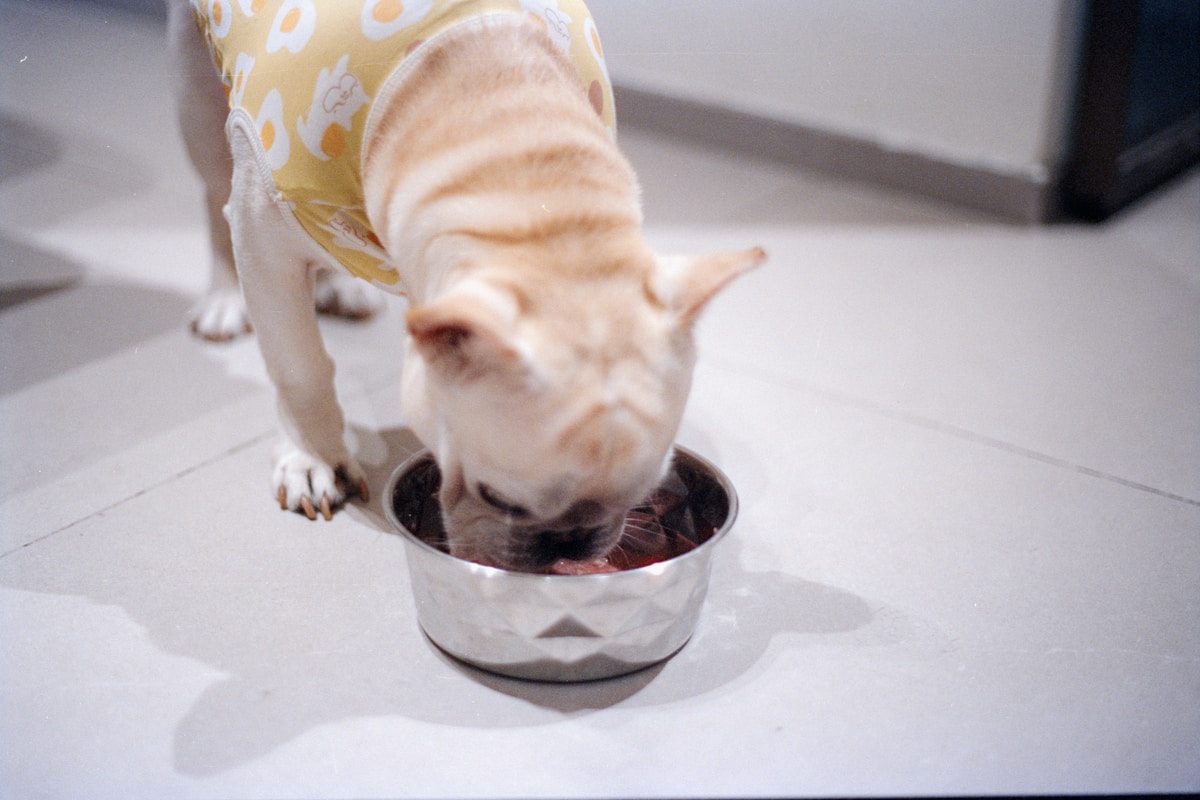
When public health notifications and regulatory inspection advisories announce a commercial pet food withdrawal or recall, dedicated canine guardians experience immediate, justified concern regarding the safety of their feeding choices. The commercial raw pet food sector, which has expanded exponentially over the past decade as pet parents seek minimally processed ancestral nutrition, operates under strict microbiological scrutiny due to the biological vulnerability of uncooked poultry matrices. When manufacturing lots of raw frozen or freeze-dried poultry diets face recall notices due to potential pathogenic contamination, pet owners require clinical clarity, precise lot identification parameters, and actionable veterinary guidance rather than alarmist speculation.
The primary microbiological hazards prompting pet food recalls within raw poultry products are bacterial pathogens, predominantly Salmonella enterica and Listeria monocytogenes. While healthy adult canines possess anatomically abbreviated gastrointestinal tracts, highly acidic gastric pH levels (frequently ranging between 1.0 and 2.0 during active digestion), and robust bile acid defenses capable of resisting moderate microbial challenges, opportunistic colonization can still induce severe acute gastroenteritis. More critically, contaminated raw pet food products present significant reverse-zoonotic transmission hazards to human household members, particularly young children, elderly individuals, and immunocompromised family members who handle feeding dishes or receive affectionate facial licks.
Navigating a pet food recall demands an objective, systematic protocol: immediate product containment, verifying specific lot codes and expiration timestamps, sanitizing household contact surfaces, monitoring for subtle clinical symptoms, and transitioning to nutritionally complete emergency alternatives. By grounding your response in epidemiological veterinary science, you protect both your canine companion and your human family from preventable biological hazards.
Microbiological Foundations: Salmonella and Listeria in the Canine GI Tract
Understanding pet food safety requires an appreciation of the microbiological distinctions between common bacterial contaminants. Salmonella enterica is a Gram-negative, facultatively anaerobic bacillus that invades the epithelial lining of the small and large intestines. When pathogenic strains overcome gastric acid defenses, they penetrate enterocytes, triggering neutrophil infiltration, mucosal ulceration, and fluid hyper-secretion resulting in acute watery or bloody diarrhea, pyrexia (fever), and abdominal cramping.
Listeria monocytogenes, conversely, is a Gram-positive, psychrotolerant bacterium uniquely capable of surviving and multiplying at refrigeration temperatures between zero and four degrees Celsius. Unlike many bacteria that stall in cold storage, Listeria continues to replicate in thawed raw meat stored inside domestic refrigerators. Once ingested, Listeria can breach the intestinal mucosal barrier, disseminate through the bloodstream, and invade liver parenchyma, central nervous tissues, or developing fetuses in pregnant animals. Official safety frameworks from the FDA Animal Health Recalls and Safety Alerts emphasize that zero tolerance policies exist for Listeria monocytogenes in raw pet foods due to its severe virulence in vulnerable hosts.
Crucially, canines can act as asymptomatic carriers of Salmonella and Listeria. An infected canine may exhibit zero clinical vomiting or diarrhea while actively shedding millions of viable bacterial cells in their feces and saliva for weeks post-consumption. This subclinical shedding transforms the family dog into a potential vector within the home, underscoring the vital importance of rigorous hygiene whenever a recalled lot is confirmed.
Step-by-Step Lot Number Verification and Packaging Anatomy
When investigating whether your household inventory of Northwest Naturals Chicken Recipe is implicated in a safety alert, precise packaging verification is paramount. Pet food manufacturers stamp regulatory batch information using dot-matrix inkjet printers during the packaging phase, typically along the back bottom seal or side gusset of flexible plastic bags.
Follow this systematic packaging audit:
- Locate the Primary UPC Barcode: Verify the twelve-digit Universal Product Code on the back panel of the bag to confirm exact product line identity (e.g., Chicken Recipe 6 lb Dinner Patties vs. Chicken Recipe 25 lb Bulk Box).
- Inspect the Best-By Date Stamp: Look for the alphanumeric string printed near the lower seam, usually formatted as “BEST BY DD/MM/YYYY” or “BB YYYYMMDD.”
- Identify the Specific Lot Sequence: Directly adjacent to or below the best-by date, locate the manufacturing lot number, typically consisting of five to eight digits (e.g., Lot 260124 or Lot B260218). Compare these numbers character-by-character against official regulatory notice sheets.
- Photograph the Packaging Before Disposal: Use your smartphone to capture high-resolution, glare-free photographs of the front brand label, the UPC barcode, and the stamped lot code. These photographs serve as legal proof of purchase when seeking refunds from retail suppliers or manufacturers.
Quarantine and Safe Disposal: Preventing Environmental Cross-Contamination
If your packaging inspection confirms that you possess an implicated lot number, do not simply toss the open bag into an indoor kitchen waste bin where pets or family members could encounter it. Improper disposal can contaminate indoor air, kitchen waste receptacles, and outdoor wildlife scavengers.
Execute this bio-secure containment protocol:
- Immediate Double-Bagging: Seal the open package inside a heavy-duty, puncture-resistant contractor trash bag or heavy freezer bag, pressing out excess air and tying a secure knot.
- Quarantine Isolation: If returning the product to your local independent pet retail supplier for a full refund, keep the sealed package inside a dedicated cardboard box in an isolated secondary freezer clearly labeled: “QUARANTINE – DO NOT FEED.”
- Permanent Disposal: If discarding immediately, place the double-bagged product directly into an exterior, secure outdoor municipal waste bin with a tightly latching lid that cannot be breached by neighborhood raccoons, feral cats, or stray canines.
According to epidemiological guidelines published by the CDC Salmonella Surveillance and Human-Animal Transmission Guidelines, secure containment prevents cross-contamination of domestic plumbing, soil water tables, and municipal waste handling personnel.
Decontamination of the Domestic Food Preparation Area
Raw poultry pathogens adhere tenaciously to porous surfaces, stainless steel prep bowls, cutting boards, and refrigerator shelving. Simply rinsing dishes with warm water does not kill Salmonella or Listeria biofilms; thorough chemical sanitization is non-negotiable.
Implement this deep-cleaning sanitization protocol:
- High-Temperature Mechanical Washing: Run all canine food and water bowls, metal serving spoons, and storage containers through a residential dishwasher using a sanitize cycle with water temperatures exceeding sixty-five degrees Celsius (one hundred and fifty degrees Fahrenheit).
- Hospital-Grade Chemical Bleach Dilution: Prepare a fresh bleach solution by combining one tablespoon of unscented chlorine bleach per gallon of cool water. Wash down all countertops, refrigerator drawers, sink basins, and cabinet handles that came into contact with the raw packaging. Allow the bleach solution to maintain surface wetness for a minimum of ten minutes before air-drying.
- Disinfecting Flooring Surfaces: Mop the kitchen and feeding area floors with a veterinary-grade accelerated hydrogen peroxide cleaner (such as Rescue) to eliminate dried saliva residues or microscopic raw meat splatters.
Clinical Symptom Monitoring: What to Watch for in Your Dog
If your canine has consumed food from an implicated batch within the preceding fourteen days, careful clinical observation is vital. While many adult canines withstand raw food pathogens without outward illness, susceptible animals can develop severe gastroenteritis requiring rapid medical intervention.
Monitor your dog vigilantly for these primary clinical signs:
- Gastrointestinal Distress: Explosive, watery diarrhea containing visible streaks of fresh red blood (hematochezia) or dark digested blood (melena), accompanied by recurrent vomiting and foul-smelling flatulence.
- Systemic Febrile Reaction: Rectal body temperatures exceeding one hundred and three degrees Fahrenheit (thirty-nine point four degrees Celsius), accompanied by shivering, glazed eyes, and severe lethargy.
- Acute Abdominal Pain: Arched back posture, reluctance to lie down, tense abdominal wall musculature, and vocalizing when touched around the flank or cranial abdomen.
- Dehydration Biomarkers: Dry, tacky oral mucous membranes, sunken orbital globes, and sluggish skin tenting over the cervical scruff, indicating rapid fluid depletion from diarrhea.
Clinical advisory statements from the AVMA Pet Food Safety and Microbial Hazard Advisory emphasize that early veterinary intervention with intravenous fluid support and targeted anti-emetics prevents severe hypovolemic shock and sepsis in affected companion animals.
Veterinary Diagnostic Workup: Fecal PCR and Blood Chemistry Panels
If your companion displays clinical illness following ingestion of recalled raw poultry, schedule an immediate veterinary diagnostic evaluation. Do not attempt to administer over-the-counter human antidiarrheal medications like loperamide (Imodium), which can cause fatal paralytic ileus or toxic megacolon in canines carrying ABCB1 (MDR1) genetic mutations.
A comprehensive veterinary diagnostic workup typically includes:
- Comprehensive Fecal Enteropathogen PCR Panel: Molecular polymerase chain reaction testing of a fresh fecal sample to rapidly detect the genetic presence of Salmonella, Listeria, Campylobacter, and Clostridium perfringens enterotoxins.
- Complete Blood Count (CBC): Evaluating white blood cell morphology; severe leukopenia (dangerously low white blood cells) or marked degenerative left shifts indicate invasive bacteremia and potential systemic sepsis.
- Serum Biochemistry & Electrolyte Analysis: Assessing serum potassium, sodium, and chloride losses secondary to dehydration, while monitoring renal values (BUN and creatinine) to ensure adequate kidney perfusion.
- Targeted Antimicrobial Therapy: While uncomplicated Salmonella gastroenteritis is frequently managed with supportive fluids and probiotics to avoid promoting bacterial antibiotic resistance, invasive systemic infections require targeted intravenous antibiotic therapy (such as fluoroquinolones or third-generation cephalosporins) based on culture sensitivity testing.
Emergency Dietary Substitution: Transitioning to Safe Temporary Rations
When an entire inventory of commercial food is suddenly removed from your home, you face the immediate challenge of feeding your dog tonight without triggering digestive upset. Abruptly switching to a completely novel commercial dry kibble brand can provoke severe dietary diarrhea due to sudden shifts in protein sources and carbohydrate structures.
Deploy this gentle, temporary emergency bland diet for three to five days:
- The 2:1 Bland Protein-to-Starch Matrix: Combine two parts boiled, skinless, boneless chicken breast (or extra-lean 93% boiled ground turkey, with all rendered fat skimmed off) with one part cooked white jasmine rice or boiled Russet potato flesh without skins.
- Therapeutic Fiber Fortification: Add two tablespoons of 100% pure canned pumpkin puree per cup of food to provide soluble fiber that nourishes colonocytes and stabilizes stool transit times.
- Electrolyte Bone Broth Hydration: Pour warm, sodium-free, onion-free bone broth over the mixture to ensure adequate cellular hydration and stimulate appetite.
Formulation guidance from the Association of American Feed Control Officials (AAFCO) Standards reminds owners that home-cooked bland diets are emergency temporary holding measures; they lack essential micronutrients, calcium, and trace minerals, and should not be fed as a permanent sole diet beyond seven to ten days without veterinary supplementation.
Long-Term Nutritional Alternatives: Safe Raw and Gently Cooked Options
Following a pet food recall event, many guardians feel profound hesitation regarding continuing raw poultry diets. For pet owners committed to minimally processed, whole-food canine nutrition, evaluating safe alternative processing methodologies provides peace of mind while preserving high bioavailability.
Consider these scientifically validated nutritional pathways:
- High-Pressure Pasteurized (HPP) Raw Formulations: HPP is a non-thermal processing technique that subjects packaged raw food to immense hydrostatic water pressure (up to 87,000 pounds per square inch). This pressure disrupts the cellular membranes of vegetative bacteria like Salmonella, Listeria, and E. coli, achieving a 5-log microbial reduction while leaving heat-sensitive vitamins, amino acids, and enzymes completely intact.
- Veterinary Gently Cooked Fresh Diets: Human-grade whole food diets cooked at precise low temperatures (such as 165 degrees Fahrenheit) provide complete pathogen eradication while preserving cellular moisture and nutrient bioavailability far exceeding ultra-processed dry extruded kibble.
- Alternative Single-Protein Formulations: Transitioning temporarily to non-poultry novel protein options – such as grass-fed beef, New Zealand venison, or wild-caught salmon – eliminates exposure to poultry-specific pathogen vectors while avoiding dietary chicken sensitivities.
Comparative nutrition research published by the Cornell University Riney Canine Health Center verifies that gentle thermal pasteurization maintains protein digestibility comparable to raw diets while establishing absolute microbiological safety for vulnerable households.
Reverse Zoonotic Risks: Protecting Vulnerable Humans in the Home
The most critical dimension of a raw pet food microbial recall is human safety. While adult humans possess robust immune defenses, Salmonella enterica and Listeria monocytogenes are potent zoonotic pathogens capable of causing life-threatening human illness, including bacteremia, endocarditis, and bacterial meningitis.
Enforce non-negotiable household human biosecurity rules:
- Zero Facial Licking: Forbid all household canines from licking human faces, lips, or open cuts for at least twenty-one days following suspected exposure to recalled batches. Canine saliva actively carries transmissible bacteria following meal consumption.
- Strict Hand Hygiene: Wash hands with antimicrobial soap and hot water for a full twenty seconds immediately after touching dog food bowls, handling chews, or picking up outdoor canine feces.
- Protection for Vulnerable Demographics: Completely prevent pregnant women, infants, elderly family members, and individuals undergoing chemotherapy or taking immunosuppressive medications from handling any pet food or coming into contact with feeding areas.
Regulatory Standards: The FD&C Act and Zero-Tolerance Mandates
In the United States, commercial pet food safety is regulated by the Food and Drug Administration’s Center for Veterinary Medicine (FDA-CVM) under the statutory authority of the Federal Food, Drug, and Cosmetic Act (FD&C Act) and the Food Safety Modernization Act (FSMA). Under federal law, animal food must be pure, wholesome, free from deleterious substances, and produced under sanitary Current Good Manufacturing Practices (CGMPs).
Unlike human grocery meats, which carry safe handling instructions with the legal presumption of cooking, commercial raw pet food is classified as a ready-to-eat product. Consequently, the FDA enforces an uncompromising zero-tolerance standard (Compliance Policy Guide Sec. 690.800) for Salmonella and Listeria in animal food. If a single twenty-five-gram analytical sample tests positive for viable Salmonella or Listeria via regulatory surveillance, the entire manufacturing batch is deemed adulterated by law, triggering mandatory market withdrawal to protect public health.
Comparative Clinical Pathology: Salmonella enterica vs. Listeria monocytogenes
Understanding the clinical distinctions between these two major foodborne pathogens is vital for accurate veterinary triage:
- Salmonella enterica Pathogenesis: Utilizing type III secretion systems, Salmonella bacteria invade the microvilli of canine enterocytes and colonocytes, triggering intense local inflammation, mucosal sloughing, and secretomotor diarrhea. In immunocompetent adult canines, infection is frequently self-limiting to the intestinal lumen, resolving within five to seven days.
- Listeria monocytogenes Invasiveness: Listeria possesses internalin surface proteins that bind to E-cadherin receptors on host cell membranes, inducing receptor-mediated endocytosis. Once inside the cytoplasm, the bacterium secretes listeriolysin O (LLO) to rupture the phagosome, hijacking host actin filaments to propel itself directly from cell to cell without entering the extracellular space. This intracellular mobility allows Listeria to evade circulating antibodies, cross the blood-brain barrier (causing fatal rhombencephalitis), and traverse placental barriers in pregnant bitches.
Molecular Surveillance: PCR, PFGE, and Whole Genome Sequencing
When the FDA or state departments of agriculture initiate a pet food recall investigation, regulatory microbiologists utilize state-of-the-art genomic tools to trace the precise molecular fingerprint of the bacterial isolate:
- Real-Time Polymerase Chain Reaction (qPCR): Provides rapid screening within four hours by amplifying conserved invA gene segments for Salmonella or hlyA gene segments for Listeria monocytogenes.
- Whole Genome Sequencing (WGS): High-throughput next-generation sequencing maps the complete base-pair sequence of the pathogen’s chromosome. By comparing this sequence against the National Center for Biotechnology Information (NCBI) Pathogen Detection database, epidemiologists can definitively link pet food isolates to human clinical infection clusters across multi-state geographic zones.
The Secondary Cold-Chain Failure Vector: Refrigerator Cross-Contamination
Many pet owners assume that keeping raw dog food inside a domestic refrigerator prevents all bacterial proliferation. For Salmonella, cold temperatures indeed stall vegetative growth; however, Listeria monocytogenes is psychrotolerant, possessing cold-shock proteins and modified membrane phospholipids that maintain cellular fluidity and active replication at temperatures as low as zero degrees Celsius.
When an unsealed package of raw poultry rests inside a refrigerator drawer, condensation droplets carrying viable Listeria can drip onto lower crisper shelves, contaminating human salad greens, fresh berries, or cheeses that will be consumed raw by human family members. Dedicated pet parents must store all thawing pet foods inside secondary sealed, non-porous, airtight stainless steel or glass containers on the lowest physical shelf of the refrigerator, eliminating gravitational drip vectors entirely.
Immune Modulation and Gut Barrier Defense Post-Exposure
For canines that have ingested suspected recalled raw diets, supporting mucosal barrier integrity is the most effective biological defense against invasive bacteremia. Enterocytes rely on short-chain fatty acids (SCFAs), predominantly butyrate, to fuel cellular repair and maintain tight junction proteins (claudin and occludin) that prevent bacterial translocation into the mesenteric lymph nodes.
Incorporate targeted biological supports into daily recovery rations:
- Therapeutic Soluble Prebiotics: Fructooligosaccharides (FOS) and inulin stimulate the growth of beneficial Bifidobacterium and Lactobacillus species, which produce lactic acid and lower colonic pH, creating an inhospitable acidic environment for pathogenic enterobacteria.
- L-Glutamine Amino Acid Therapy: L-glutamine serves as the primary metabolic fuel for rapidly dividing mucosal enterocytes, accelerating mucosal re-epithelialization following inflammatory pathogen exposure.
- Saccharomyces boulardii Probiotic Yeast: Unlike bacterial probiotics that can be neutralized by veterinary antibiotics, S. boulardii is a non-colonizing yeast that secretes proteases capable of inactivating bacterial toxins while actively binding Salmonella cells to facilitate safe mechanical elimination.
Cold-Chain Management: From Slaughterhouse to Retail Deep-Freeze
The biological integrity of commercial raw pet food relies entirely on unbroken cold-chain thermodynamics. From the precise moment poultry carcasses are eviscerated at USDA-inspected processing abattoirs to the final point of retail purchase, the internal temperature of the product must remain strictly below zero degrees Fahrenheit (minus eighteen degrees Celsius) to prevent bacterial replication.
Any thermal abuse along this supply chain – whether occurring in cross-country refrigerated freight trailers experiencing mechanical refrigeration failures, pallet delays on ambient distribution loading docks, or malfunctioning commercial display freezers at retail stores – permits microscopic surface condensation to thaw. During these temporary thermal excursions, psychrotolerant bacteria like Listeria monocytogenes can replicate logarithmically, elevating pathogen concentrations from negligible background levels to virulent infective doses before the product re-freezes on the retail shelf.
Bacteriophage Technology: Biological Antimicrobial Interventions
In response to recurring microbial recalls, progressive raw pet food manufacturers are pioneering the deployment of targeted bacteriophage technology. Bacteriophages are naturally occurring, highly specialized viruses that infect and lyse specific bacterial species without affecting beneficial microflora or posing any biological risk to animal or human tissues.
When applied as an aerosol mist onto fresh raw poultry meats prior to freezing, FDA-cleared bacteriophage preparations (such as Listex for Listeria monocytogenes or SalmoFresh for Salmonella enterica) bind selectively to bacterial surface receptors. The phage injects its genetic material, compelling the bacterial cell to synthesize hundreds of novel viral particles until the bacterium bursts open and dies. Incorporating biological bacteriophage interventions provides an extra layer of pre-market pathogen destruction that significantly reduces recall liabilities.
Public Health Case Studies: Canine-to-Human Zoonotic Transmission Chains
Epidemiological case investigations conducted by the Centers for Disease Control and Prevention (CDC) and state health agencies have repeatedly documented reverse-zoonotic transmission chains originating from contaminated raw pet foods. In multiple multi-state outbreak evaluations, human infants and elderly adults contracted severe salmonellosis or listeriosis without ever directly touching raw pet food packages.
Forensic environmental swabbing revealed that household canines, having consumed contaminated raw rations, deposited viable pathogens onto carpet fibers via feces-contaminated perineal grooming, onto couch cushions through salivary contact, and onto human hands during affectionate greeting licks. Understanding these indirect environmental transmission pathways reinforces the critical necessity of strict household sanitization, designated feeding areas, and routine hand hygiene in all homes where raw diets are utilized.
The Legal Framework of Pet Food Recalls: Consumer Protection and Compensation
When a commercial pet food manufacturer issues a recall for pathogen adulteration, pet owners possess distinct legal rights under state and federal consumer protection statutes, the Uniform Commercial Code (UCC), and common law products liability principles. When a contaminated product causes animal illness or death, the manufacturer is strictly liable for direct veterinary medical damages.
To preserve your legal and financial standing following a recall event:
- Preserve Physical Evidence: Retain the original product bag with stamped lot codes, photograph all labels, and store a small frozen sample in an airtight container clearly labeled as evidence.
- Itemize Veterinary Medical Records: Request comprehensive clinical records, itemized invoices, diagnostic laboratory test results (including positive Salmonella or Listeria PCR reports), and pharmacy receipts from your attending veterinarian.
- Formal Manufacturer Claims: Submit formal reimbursement requests directly to the manufacturer’s risk management or legal claims department. In documented contamination cases, reputable manufacturers cover full diagnostic and treatment costs without requiring formal civil litigation.
High-Pressure Processing (HPP) Verification: Certificates of Analysis
As consumer demand for microbiological safety intensifies, pet parents should actively request Certificates of Analysis (COAs) from raw pet food manufacturers prior to establishing long-term dietary regimens. A legitimate COA is an analytical laboratory document generated by an ISO/IEC 17025 accredited third-party testing facility detailing specific microbiological testing results for a given production lot.
When auditing a manufacturer’s COA documentation, verify the following analytical parameters:
- Negative PCR Screenings for Salmonella: Confirmation of zero detectable Salmonella species per twenty-five-gram analytical test aliquot using validated AOAC Official Methods of Analysis.
- Listeria monocytogenes Sterility: Quantitative absence of Listeria monocytogenes in primary food matrices.
- Total Aerobic Plate Count (APC): Baseline microbial load measurements; while raw foods naturally harbor benign environmental bacteria, excessive APC counts (exceeding 10^6 CFU/g) indicate poor raw ingredient freshness or post-slaughter thermal abuse.
- Third-Party Batch Hold Procedures: Verify whether the manufacturer practices “test-and-hold” protocols, wherein entire production runs remain physically quarantined in deep-freeze storage until negative microbiological lab results are confirmed.
Comparative Analysis: Freeze-Dried Raw vs. Frozen Raw Vulnerabilities
A frequent point of consumer confusion is whether freeze-dried raw formulas carry identical contamination risks to frozen raw diets. In freeze-drying (lyophilization), raw poultry undergoes flash-freezing followed by deep vacuum sublimation, removing over ninety-eight percent of water content without applying thermal heat.
While removing cellular moisture halts active bacterial metabolic replication, desiccation does not kill bacterial endospores or hardy vegetative cells. Salmonella enterica and Listeria monocytogenes can survive in an anhydrobiotic state inside dry freeze-dried nuggets for over twelve months. The moment an owner adds warm water to rehydrate the freeze-dried meal, dormant bacteria re-hydrate, reactivate cellular respiration, and resume rapid exponential replication. Consequently, freeze-dried raw formulas require identical bio-secure handling, separate preparation utensils, and prompt consumption timelines as frozen raw diets.
Northwest Naturals Lot Code Decryption: Stamped Batch Numbers and Expiration Formats
Identifying recalled Northwest Naturals Chicken Recipe pet food requires inspecting the embossed manufacturing lot code stamped along the back edge or bottom seal of the packaging. Official FDA recall bulletins identify specific batch production codes and associated expiration date windows that correspond with contaminated manufacturing shifts.
Guardians possessing affected packaging should photograph the lot code clearly for consumer reimbursement claims before sealing the product in heavy plastic bags. Never feed remaining nuggets or patties to pets or wildlife, as microbial pathogens remain viable across long-term storage.
Listeria monocytogenes Psychrotrophic Resilience in Frozen Raw Poultry Formulations
Listeria monocytogenes poses a unique microbiological threat because it is a psychrotrophic bacterium capable of surviving, adapting, and slowly multiplying at standard domestic freezer temperatures. Unlike Salmonella, which becomes dormant under freezing, Listeria maintains cellular metabolic activity within chilled poultry matrices.
While adult canines possess acidic gastric environments that resist mild microbial challenges, immune-compromised dogs, pregnant females, and puppies can develop severe listeriosis manifested by sepsis, fever, lethargy, and neurological signs. Household human handlers face even greater systemic health risks from cross-contamination.
Household Freezer Surface Sanitization: Bleach Dilution and Cross-Contact Prevention
Removing a contaminated raw food package from the freezer does not eliminate the risk of lingering bacterial colonization on refrigerator shelves, drawer handles, and countertop surfaces. Effective environmental decontamination requires washing surfaces with warm soapy water followed by application of an active disinfectant.
A freshly prepared bleach solution containing one tablespoon of household bleach per gallon of cool water should be left in contact with surfaces for ten full minutes before air-drying. Disinfecting all food preparation areas, stainless steel dog bowls, and utensils eliminates secondary domestic cross-contact vectors.
Emergency Safe Cooked Replacement Rations: Lean Ground Turkey and White Rice Formulas
When a staple raw pet food is abruptly quarantined due to a recall notice, suddenly switching to an unaccustomed commercial kibble can precipitate acute osmotic diarrhea and vomiting. A safe temporary bridge ration consists of boiled ninety-three percent lean ground turkey or skinless chicken breast mixed with soft white rice.
This bland, highly digestible home-cooked diet provides immediate caloric support without stressing inflamed mucosal barriers. Once commercial replacement supplies with verified Certificates of Analysis (COA) are obtained, handlers can transition back to complete and balanced nutrition gradually over seven to ten days.
Raw Pet Food Biosecurity: Safe Sourcing and High-Pressure Processing Standards
Navigating raw poultry diets safely requires pet owners to demand uncompromising manufacturing transparency and microbiological safety verification. Sourcing commercial raw products from manufacturers that utilize verified High-Pressure Processing (HPP) guarantees complete destruction of Listeria and Salmonella without cooking.
Requesting lot-specific Certificates of Analysis (COA) from independent testing laboratories confirms that product batches meet strict pathogen-free thresholds before purchase. Maintaining impeccable freezer hygiene and dedicated raw prep utensils eliminates secondary cross-contamination vectors in the domestic kitchen.
Educating all family members on proper hand hygiene and safe pet bowl handling protects vulnerable household humans while providing dogs with balanced raw nutrition. Vigilant food safety practices ensure your companion enjoys optimal wellness without unnecessary health risks.
The raw pet food recall evaluation matrix below details pathogen viability, freezer cross-contact vectors, and emergency transition rations across essential food safety metrics.
Cold-Chain Storage Integrity: Preventing Microbial Dormancy Resurgence in Raw Diets
Preserving the microbiological safety of commercial raw frozen poultry requires strict temperature monitoring of domestic freezers, ensuring storage temperatures remain strictly below zero degrees Fahrenheit. Temperature fluctuations caused by frequent door opening can induce partial thawing, allowing psychrotrophic bacteria like Listeria to multiply slowly in micro-pockets.
Utilizing independent digital freezer thermometers and storing raw pet food in sealed, airtight containers prevents condensation buildup and frost degradation. Uncompromising domestic cold-chain discipline protects your companion from food-borne bacterial pathogens.
Comparative Diagnostic Matrix: Northwest Naturals Recalled Batches and Microbial Risks
To facilitate rapid lot identification and toxicological risk triage, the following comparative matrix summarizes affected product formats, target lot verification numbers, pathogen targets, clinical latency windows, and immediate biosecurity containment actions:
| Product Specification | Target Lot Verification | Microbial Pathogen Target | Clinical Incubation Window | Immediate Quarantine Action |
|---|---|---|---|---|
| Raw Frozen Chicken Nuggets | Specific 2026 stamped batch codes | Listeria monocytogenes / Salmonella | 12 hours to 14 days | Double-bag in plastic; isolate in deep freeze |
| Raw Frozen Chicken Patties | Identified carton lot numbers | Listeria monocytogenes | 1 to 4 weeks (Listeria latency) | Do not feed; photograph lot label for refund |
| Freeze-Dried Chicken Nibbles | Pouch best-by dates & UPC identifiers | Salmonella species | 8 to 72 hours | Seal pouch; sanitize storage containers |
| Safe Unaffected Batches | Alternative lot sequence numbers | Negative PCR test clearance | Not applicable | Store below minus eighteen degrees Celsius |
Executing the biosecurity quarantine and replacement feeding protocols detailed in the matrix above safeguards both canine and human family members from raw food pathogens. The frequently asked questions below answer critical pet parent concerns regarding the Northwest Naturals recall.
Frequently Asked Questions About the Northwest Naturals Chicken Recall
How does canine gastric acid defend against raw poultry bacterial pathogens?
In raw-fed canines, the ingestion of dense animal proteins stimulates high gastrin secretion from G-cells, triggering parietal cells to secrete concentrated hydrochloric acid. This drops active gastric pH to an intense 1.0 to 1.5, creating a sterile chemical bath that denatures bacterial protein membranes within sixty minutes. However, massive bacterial inoculums or antacid medications can override this natural barrier.
Can washing raw chicken pieces under running tap water remove Salmonella?
Never wash raw meat under running tap water. Water droplets hitting raw poultry surfaces atomize into microscopic aerosol mists, spraying viable Salmonella and Listeria up to three feet across kitchen countertops, drying dish racks, and food prep areas, exponentially increasing human contamination risks.
What should I do if my local pet retailer refuses to provide a refund for recalled pet food?
Document the retailer’s refusal with a written date stamp, photograph your receipt and package lot numbers, and file an immediate complaint through Northwest Naturals corporate customer affairs and the FDA Consumer Complaint Coordinator in your state jurisdiction.
Can raw pet food recalls impact independent feline formulas produced in the same facility?
Yes. Commercial raw manufacturing facilities frequently utilize shared grinding machinery, blending vats, and packaging lines for both canine and feline formulations. If equipment sanitization between production runs is compromised, cross-species batch contamination can occur, necessitating dual-species recall advisories.
What specific lots of Northwest Naturals Chicken Recipe are affected by the recall?
Specific lot numbers, package sizes, and best-by dates are detailed in official FDA regulatory inspection bulletins. Check the stamped alphanumeric code printed along the bottom seam of your bag against verified recall listings.
Can I cook or boil the recalled raw chicken food to make it safe for my dog?
No. Never attempt to cook or salvage recalled pet food. While heat kills active vegetative bacteria, certain bacterial strains produce heat-stable enterotoxins that remain toxic even after boiling. Discard or return all affected lots immediately.
What should I do if my dog ate the recalled food but appears completely normal?
Monitor your dog closely for fourteen days for lethargy, diarrhea, decreased appetite, or fever. Many healthy canines clear subclinical bacterial loads without showing symptoms. Maintain strict hand hygiene and prevent your dog from licking human faces.
How do I obtain a full refund for my recalled pet food?
Photograph the front of the bag, the UPC barcode, and the stamped lot number code. Return the packaging or receipt to the independent pet retail store where purchased, or contact Northwest Naturals customer support directly with your documentation for a complete refund.
Why are raw poultry pet foods more frequently recalled than beef or lamb?
Poultry evisceration and processing naturally carry higher baseline colonization rates of Salmonella and Campylobacter compared to ruminant red meats. Raw chicken diets require exceptionally rigorous cold-chain management and pasteurization to guarantee sterility.
Can my dog transmit Salmonella or Listeria to me even if they aren’t sick?
Yes. Canines can shed viable bacterial pathogens in their feces and saliva for up to thirty days post-ingestion while remaining completely asymptomatic, making rigorous handwashing and stool pickup mandatory.
Consumer Vigilance: Navigating Pet Nutrition with Scientific Confidence
Encountering a commercial pet food recall is an unnerving experience that tests every guardian’s confidence in their nutritional choices. However, rather than viewing recalls solely as an indictment of your feeding philosophy, recognize them as evidence of an active, vigilant regulatory surveillance system designed to protect animal and human lives. Manufacturing oversight, regulatory inspection testing, and voluntary manufacturer recalls represent crucial safety barriers that identify biological anomalies before widespread illness occurs.
By responding with calm, methodical execution – quarantining affected lots, implementing hospital-grade household sanitization, monitoring your companion with diagnostic precision, and maintaining proactive veterinary communication – you insulate your family from potential harm. As the commercial pet nutrition industry continues to evolve toward higher biosecurity standards, informed, proactive pet parents remain the ultimate guardians of canine health and longevity.

Leave a Comment