

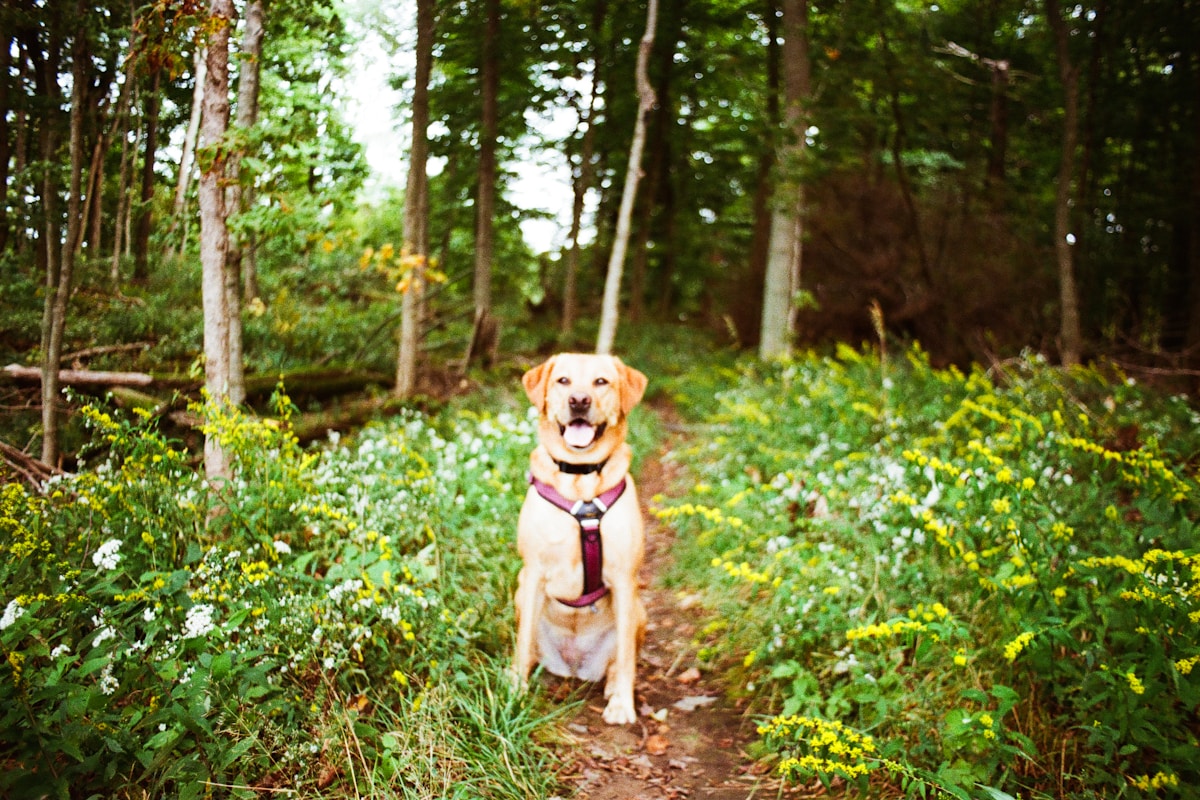
There are few activities that enhance a dog’s physical health and emotional joy quite like an invigorating walk through lush woodlands, tall prairie grasses, or sun-dappled nature reserves. As your canine companion bounds along the trail, sniffing eagerly at tree trunks and investigating the rich scent markers of the forest floor, they are engaging in the quintessential sensory adventures that make a dog’s life truly fulfilling. Yet, beneath the serene beauty of the natural landscape lies a silent, microscopic biological hazard: blood-feeding arachnid parasites known collectively as ticks. For pet owners, the danger of ticks is well understood in theory, but in daily practice, detecting the true onset of tick-borne disease remains one of the most deceptively complex diagnostic challenges in companion animal medicine.
A common, dangerous misconception among pet parents is that if a dog contracts a tick-borne disease during a morning stroll, symptoms will appear immediately upon returning home: perhaps as acute scratching at the bite site, a sudden spike in body temperature, or an immediate visible sickness. In reality, tick-borne pathogens do not operate on immediate timescales. Instead, they exploit a stealthy incubation window that ranges from several days to multiple weeks or even months. The subtle behavioral shifts, transient morning stiffness, and quiet fatigue that signal the early stages of diseases like Lyme disease, Anaplasmosis, and Ehrlichiosis are frequently overlooked or misattributed to simple post-hike tiredness, allowing virulent pathogens to establish deep, destructive roots within synovial joints, vascular endothelium, and vital internal organs.
According to veterinary epidemiological bulletins from the American Veterinary Medical Association (AVMA) and canine health advisories published by the American Kennel Club (AKC), tick-borne infections are experiencing historic geographical expansions, exposing suburban and urban dogs to risks once restricted to deep wilderness. Protecting your dog from the debilitating consequences of vector-borne infections requires understanding the intricate biology of vector transmission, recognizing the subtle clinical markers that emerge days or weeks after an outdoor excursion, mastering safe mechanical tick extraction, and implementing prompt veterinary diagnostics.
Parasitic Biology and the Stealth Mechanics of Tick Questing
To recognize the true danger of tick-borne disease, one must first explore the specialized parasitic biology and ambush mechanics of ticks. Ticks are not insects; they are obligate hematophagous acarids belonging to the order Ixodida, closely related to spiders, scorpions, and mites. Unlike fleas or mosquitoes, ticks possess no wings or powerful jumping legs; they cannot jump, hop, or fly. Instead, they rely on an extraordinarily patient passive ambush strategy called questing.
A questing tick climbs to the tips of tall grass blades, low-hanging shrubbery, or trailside leaf litter along common wildlife paths. It anchors its posterior pairs of legs securely to the plant stem, while extending its anterior pair of sensory legs into the open air like biological antennae.
Haller’s Organs: The Microscopic Sensory Suite
The front legs of ticks house one of the most sophisticated sensory suites in the animal kingdom, known as Haller’s organs. These specialized sensory pits are packed with dense clusters of olfactory, thermal, and humidity chemoreceptors that detect approaching hosts:
- Carbon Dioxide Plumes: Ticks detect exhaled carbon dioxide plumes from approaching mammals at distances exceeding twenty to thirty feet.
- Infrared Heat Radiation: Thermoreceptors detect the radiated body heat of a dog brushing through nearby vegetation.
- Organic Volatiles: Receptors identify minute airborne traces of lactic acid, butyric acid, and ammonia emitted in canine sweat and breath.
- Vibrational Sensors: Sensitive mechanoreceptors on the legs register the low-frequency acoustic vibrations of footfalls along the trail.
As your dog brushes past the vegetation, the tick instantly catches hold with tiny, curved tarsal claws, transferring seamlessly to the dog’s hair coat and beginning a deliberate, upward crawl toward warm, vascularized anatomical attachment sites.
The Molecular Architecture of the Tick Bite
Once a suitable feeding location is selected: typically where the canine skin is thinnest and rich in superficial capillaries: the tick deploys a sophisticated biological toolset engineered to evade host detection.
Chelicerae, Hypostome, and Cementum Secretion
- Epidermal Incision: The tick uses its sharp, paired, scissor-like chelicerae to cut a microscopic furrow through the canine stratum corneum and superficial dermis.
- Hypostome Insertion: It drives a central, needle-like feeding tube called the hypostome deep into the tissue. The hypostome is covered in rows of sharp, backward-pointing barbs that act like a mechanical grappling hook, locking the mouthparts firmly into the flesh.
- Cementum Anchor: To reinforce this mechanical connection for several days of continuous feeding, salivary glands secrete a specialized milky proteinaceous cementum that hardens upon contact with skin, gluing the mouthparts securely in place.
The Pharmacological Salivary Cocktail
Simultaneously, the tick injects a complex cocktail of biologically active molecules directly into the feeding pool. This pharmacological saliva includes:
- Local Analgesics: Potent kininases and neuro-modulators that completely numb sensory nerve endings, ensuring the dog feels zero pain, stinging, or burning during attachment.
- Anticoagulants and Antiplatelet Peptides: Compounds like ixolaris and salivary apyrases that inhibit thrombin and prevent blood clotting, maintaining a continuous liquid blood pool.
- Antihistamines and Anti-Inflammatory Agents: Molecules that bind host histamine and neutralize bradykinin, preventing localized redness, swelling, and itchiness.
- Immunosuppressive Cytokine Modulators: Salivary peptides that paralyze host dendritic cells, neutrophils, and natural killer cells, silencing the immune response and allowing the tick to feed undetected for up to a week.
Surveillance data compiled by the Companion Animal Parasite Council (CAPC) highlights the geographic expansion of vector-borne pathogens and the imperative for year-round preventive care.
Transmission Incubation Timelines: The Critical Twenty-Four-Hour Window
A widespread misconception among dog owners is that tick-borne pathogens enter the bloodstream the very instant a tick bites. While certain viral and rickettsial agents: such as Rickettsia rickettsii (the causative agent of Rocky Mountain Spotted Fever): can be transmitted within three to six hours of attachment, the most prevalent canine bacterial pathogens require an extended physiological incubation period within the feeding parasite.
Consider Borrelia burgdorferi, the spirochete bacterium responsible for Lyme disease. In unfed ticks, Borrelia resides dormant inside the tick’s midgut lumen, expressing Outer Surface Protein A (OspA) that anchors the bacterium to the gut epithelium. When the tick ingests warm mammalian blood, the physiological shift in temperature and pH triggers a genetic transformation: the spirochetes downregulate OspA, upregulate Outer Surface Protein C (OspC), multiply rapidly, and migrate across the gut wall into the hemolymph and salivary glands.
This complex internal biological migration requires twenty-four to forty-eight hours of continuous blood feeding before infectious spirochetes are injected into the canine host. Similarly, Anaplasma phagocytophilum and Ehrlichia canis require an average of twenty-four to thirty-six hours of sustained attachment. This biological delay represents a lifesaving clinical window: if you inspect your dog and mechanically remove attached ticks within the first twenty-four hours following a walk, you virtually eliminate the risk of systemic Lyme disease or Anaplasmosis transmission.
Major Canine Tick-Borne Diseases and Their Subtle Manifestations
When pathogens successfully breach the canine defense barrier, they establish insidious infections that manifest through subtle, fluctuating clinical signs.
1. Canine Lyme Disease (Borreliosis)
Caused by Borrelia burgdorferi and transmitted primarily by the blacklegged deer tick (Ixodes scapularis and Ixodes pacificus):
- The Human versus Canine Divergence: Unlike human patients who frequently develop an expanding, circular bullseye rash (erythema migrans) within days of a bite, canines rarely display this dermatological warning sign.
- Shifting-Leg Lameness: The hallmark clinical symptom of canine Lyme disease appears two to five months after the walk. Borrelia spirochetes migrate through extracellular connective tissues, lodging within synovial joint membranes. Lameness frequently shifts: affecting the front right carpus on Monday, resolving by Wednesday, and reappearing as severe swelling in the left hind hock by Friday.
- Eggshell Gait and Spinal Guarding: Affected dogs walk tentatively with an arched back and stiff, careful strides, as though walking on hot coals or fragile eggshells.
- Lyme Nephritis: In a devastating minority of cases (especially in Golden Retrievers and Labrador Retrievers), antigen-antibody complexes precipitate in the renal glomeruli, triggering fulminant immune-mediated glomerulonephritis and acute kidney failure within weeks.
2. Canine Anaplasmosis
Caused by Anaplasma phagocytophilum (infecting neutrophils) and Anaplasma platys (infecting platelets), transmitted by blacklegged ticks and brown dog ticks:
- Acute Malaise and Loss of Stamina: Symptoms emerge one to two weeks post-bite. A previously energetic dog suddenly lags behind on walks, refuses to jump into vehicles, and sleeps heavily throughout the day.
- Consumptive Thrombocytopenia: Rapid destruction of circulating platelets leads to mucosal bleeding. Alert owners may notice pinpoint red hemorrhages (petechiae) on the pale gums, inside the ear flaps, or across the underbelly.
- Cervical Rigidity and Pain: Anaplasma frequently induces acute polyarthritis and meningeal hyperesthesia, causing the dog to hold its head and neck rigidly extended, crying out when turned.
3. Canine Ehrlichiosis
Caused by Ehrlichia canis and Ehrlichia ewingii, transmitted by the brown dog tick (Rhipicephalus sanguineus) and lone star tick (Amblyomma americanum):
- The Acute Phase (Weeks 1 to 3): Generalized lymphadenopathy (enlarged lymph nodes under the jaw and behind the knees), transient fever, and mild weight loss.
- The Subclinical Phase (Months to Years): The bacteria sequester inside the spleen. Outwardly, the dog appears healthy, but subtle thrombocytopenia and hyperglobulinemia persist quietly on laboratory screens.
- The Chronic Phase: Catastrophic bone marrow hypoplasia develops, resulting in complete suppression of red blood cells, white blood cells, and platelets (pancytopenia). Symptoms include spontaneous profuse nosebleeds (epistaxis), retinal detachment causing sudden blindness, and severe secondary infections.
Clinical standards established by the American Animal Hospital Association (AAHA) emphasize the necessity of structured diagnostic evaluations and routine monitoring protocols.
Systematic Post-Walk Tick Inspection: Anatomical Hotspots
Performing a systematic, tactile tick check immediately after returning from every outdoor excursion is the single most effective physical defense against disease transmission. Visual scans alone fail because ticks crawl deep into the undercoat against the skin.
The Five Crucial Anatomical Zones
- The Head, Eyelids, and Ear Canals: Ticks gravitate toward the head because it leads through tall brush. Gently run fingers around the delicate eyelid margins, examine the base of the ears, and inspect deep inside the ear folds and ear flap crevices.
- Under the Collar and Harness: The warm, compressed microclimate beneath webbing collars, harnesses, and tracking vests is an ideal hiding spot. Unbuckle all gear and run fingers thoroughly across the neck and shoulders.
- Interdigital Webbing and Paw Pads: As a dog walks through leaf litter, larval and nymphal ticks grab the paws. Spread each toe, inspecting the thin webbing between digits and examining the deep crevices surrounding the carpal pads.
- The Inguinal Groin and Axillary Armpits: Ticks seek high-moisture, thin-skinned areas where body heat radiates. Gently roll your dog onto their back to palpate the armpits, inner thighs, and lower abdominal folds.
- The Perianal Region and Tail Base: Check the underside of the tail, the anal margins, and the perineum, where thick fur often conceals questing parasites.
Safe Mechanical Tick Extraction: Debunking Dangerous Folklore
When an attached tick is located, immediate, proper removal is vital. However, pet owners frequently resort to dangerous internet folklore that dramatically increases infection risk.
Dangerous Removal Myths to Avoid
- Never Smother with Petroleum Jelly or Oil: Attempting to suffocate the tick with Vaseline, butter, or alcohol takes hours to kill the parasite. In its dying suffocation struggle, the tick regurgitates infectious midgut contents directly into the dog’s bloodstream.
- Never Burn with a Match: Applying heat or hot matches risks severely burning your dog’s skin and causes the tick to burst or regurgitate pathogens.
- Never Twist with Bare Fingers: Twisting or violently squeezing the tick’s swollen abdomen with fingernails compresses the internal organs, injecting saliva and blood into the bite wound like a hypodermic needle.
The Clinically Approved Removal Technique
Equip yourself with a pair of fine-tipped medical tweezers or a specialized veterinary tick-removal tool (such as a Tick Twister hook):
- Part the dog’s fur until the attached tick is clearly visible down to the skin surface.
- Grasp the tick with the fine-tipped tweezers as close to the skin surface as biologically possible, pinching the mouthparts rather than the swollen body.
- Pull upward with steady, gentle, even pressure. Do not jerk, twist, or snap the tool suddenly. The tick’s barbed hypostome will release smoothly from the skin.
- If microscopic mouthparts break off inside the skin, do not dig aggressively with needles, as this introduces secondary bacterial infection. Clean the area with antiseptic; the canine body will naturally expel the tiny chitin fragment like a splinter over several days.
- Clean the bite wound thoroughly with chlorhexidine solution or isopropyl alcohol, and wash your own hands with soap and hot water. Place the removed tick in a sealed container with a piece of damp paper towel for identification if symptoms arise.
According to clinical pathology references published in the Merck Veterinary Manual, early identification of underlying physiological changes provides the highest probability of positive long-term therapeutic outcomes.
Veterinary Diagnostic Pathways and Clinical Therapeutics
When a dog displays subtle lameness, unexplained fever, or lethargy in the weeks following a walk, your veterinarian will utilize a multi-modal diagnostic protocol to identify vector-borne pathogens.
Diagnostic Testing Modalities
- In-Clinic SNAP 4Dx Plus ELISA: A rapid patient-side blood test that detects antibodies against Borrelia burgdorferi, Anaplasma phagocytophilum, Anaplasma platys, Ehrlichia canis, and Ehrlichia ewingii, alongside Dirofilaria immitis (heartworm) antigens.
- Quantitative C6 Peptide Antibody Assay: Unlike standard antibodies that can reflect past natural exposure or vaccination, antibodies against the synthetic C6 peptide occur solely during active, replicating Borrelia infection. Measuring baseline C6 levels guides the decision to initiate antibiotics and monitors therapeutic response.
- Real-Time Multiplex PCR Assays: Detects microbial DNA directly within circulating blood, indispensable for identifying acute Anaplasma, Babesia, or Rickettsial infections before antibody production peaks.
- Complete Blood Count and Blood Smear Cytology: Identifies morulae (microscopic bacterial colonies) inside neutrophils or monocytes, and screens for life-threatening thrombocytopenia or hemolytic anemia.
Gold-Standard Antibiotic Protocol: Doxycycline
The primary medical defense against canine tick-borne bacteria is oral Doxycycline, a broad-spectrum tetracycline antibiotic that penetrates host cell membranes to eradicate intracellular pathogens:
- Dosage and Duration: Administered at 10 milligrams per kilogram of body weight every twenty-four hours (or 5 mg/kg every twelve hours) for a strict minimum of twenty-eight to thirty consecutive days.
- Strict Pill Administration Rules: Doxycycline hyclate tablets can cause severe esophageal ulceration if dry-pilled. Always administer capsules inside a substantial food ball (such as canned food or a meatball) followed by a syringe of water or a bowl of broth to ensure the pill passes safely into the stomach.
- Rapid Clinical Reversal: Within twenty-four to forty-eight hours of initiating doxycycline therapy, dogs with acute Lyme lameness or Anaplasma fever frequently show dramatic clinical improvement, bounding back to normal activity. However, the entire thirty-day course must be completed to prevent bacterial recrudescence.
Modern Pharmacological Tick Prevention: Isoxazolines and Repellents
Modern veterinary parasitology provides extraordinary oral and topical preventatives that dramatically minimize the risk of tick-borne disease:
Oral Isoxazoline Parasiticides
Modern systemic oral chews containing active isoxazolines: including Fluralaner (Bravecto), Afoxolaner (NexGard), Sarolaner (Simparica), and Lotilaner (Credelio): represent the vanguard of tick control. Isoxazolines absorb into the bloodstream and bind to tissue fluids. When a tick bites, it ingests the compound, which selectively blocks insect GABA and glutamate receptors, causing rapid paralysis and death within eight to twelve hours: well before the twenty-four to forty-eight hour transmission threshold for Lyme disease and Anaplasmosis.
Topical Pyrethroid Repellents
For dogs frequenting heavily infested deer tick habitats, combining an oral isoxazoline with a veterinary-approved topical repellent (such as permethrin-based spot-ons or flumethrin collars) creates the ultimate two-tiered defense: the repellent prevents ticks from questing onto the coat, while the systemic oral parasiticide kills any parasite that manages to attach.
Co-Infections: The Multi-Pathogen Clinical Storm
One of the most treacherous realities of tick-borne disease in dogs is that ticks rarely carry a single, isolated microorganism. In highly endemic woodland environments, blacklegged deer ticks (Ixodes scapularis) frequently harbor multiple pathogens simultaneously: Borrelia burgdorferi alongside Anaplasma phagocytophilum, Babesia microti, or tick-borne encephalitis viruses. When a single tick feeds, it can inject a cocktail of distinct bacterial and protozoal organisms into the canine host in a single feeding session.
Synergistic Pathological Interactions
Co-infections create severe diagnostic confusion and dramatically worsen clinical outcomes through synergistic immunosuppression:
- Impaired Cellular Immunity: Borrelia spirochetes suppress dendritic cell antigen presentation, while Anaplasma destroys circulating neutrophils. Working together, they paralyze the canine immune system, allowing both organisms to multiply unchecked.
- Atypical Clinical Presentations: A dog co-infected with Lyme and Anaplasma experiences far higher fever spikes, deeper lethargy, and more profound thrombocytopenia than an animal battling either infection alone.
- Refractory Treatment Responses: While doxycycline is effective against both Borrelia and Anaplasma, concurrent Babesiosis requires antiprotozoal drugs like imidocarb dipropionate or atovaquone. If the protozoan goes undetected, the dog continues to experience hemolytic anemia and systemic collapse despite antibiotic therapy.
Canine Tick Paralysis: The Neurotoxic Salivary Emergency
Distinct from bacterial and protozoal infections, Tick Paralysis is an acute, life-threatening motor disorder caused not by a living microorganism, but by a potent neurotoxin secreted directly in the saliva of feeding female ticks: predominantly the Rocky Mountain wood tick (Dermacentor andersoni), American dog tick (Dermacentor variabilis), and Australian paralysis tick (Ixodes holocyclus).
Presynaptic Neuromuscular Blockade
As the female tick feeds and engorges over five to seven days, her salivary glands produce holocyclotoxin, a neurotoxin that directly impairs the presynaptic release of acetylcholine at the neuromuscular junction:
- Ascending Motor Weakness: Symptoms begin insidiously as mild hind-limb ataxia and unsteadiness approximately five to nine days post-attachment. The dog wobbles, sways, and knucks over on its rear paws.
- Flaccid Quadriplegia: Within twenty-four to forty-eight hours, the flaccid weakness ascends into the forelimbs. The dog loses all voluntary motor control, unable to stand, lift its head, or wag its tail. Deep tendon reflexes vanish completely.
- Bulbar and Respiratory Paralysis: If the attached tick is not discovered, the neurotoxin paralyzes the laryngeal nerves and intercostal respiratory muscles, causing dysphagia, cyanosis, and fatal asphyxiation.
- Miraculous Turnaround upon Extraction: Unlike viral or bacterial paralysis, tick paralysis is completely reversible. When the clinician or owner discovers the hidden engorged tick (often concealed deep inside an ear canal or under the chin) and mechanically removes it, the circulating neurotoxin clears rapidly. Affected dogs frequently regain the ability to walk within twelve to twenty-four hours of tick removal.
Post-Infection Rehabilitation and Long-Term Joint Restoration
Even after a full thirty-day course of doxycycline successfully clears active Borrelia spirochetes, canine patients frequently endure lingering joint inflammation, cartilage erosion, and secondary osteoarthritis. Establishing a comprehensive long-term joint rehabilitation protocol ensures full physical recovery:
- Nutritional Glycosaminoglycans (GAGs): Supplementing with pharmaceutical-grade glucosamine hydrochloride and chondroitin sulfate supports synovial fluid viscosity and rebuilds damaged cartilage matrices.
- Undenatured Type II Collagen (UC-II): Works through oral tolerance in gut-associated lymphoid tissue to turn off autoimmune attack against joint cartilage, significantly reducing chronic post-Lyme stiffness.
- Green-Lipped Mussel Extract (Perna canaliculus): Packed with unique eicosatetraenoic acids (ETA), green-lipped mussel provides powerful anti-inflammatory joint relief without gastrointestinal side effects.
- Low-Impact Physical Rehabilitation: Controlled leash walks on level turf, underwater treadmill hydrotherapy, and gentle passive range-of-motion stretching restore muscle tone and maintain joint flexibility without stressing healing capsules.
Environmental Tick Habitat Management: Yard and Perimeter Defense
While hiking trails and deep wilderness reserves present obvious hazards, a surprising number of canine tick attachments occur within suburban backyards and home gardens. Questing ticks thrive in the humid microclimates created by residential landscaping. Implementing targeted environmental engineering transforms your yard into an inhospitable zone for vectors:
The Three-Foot Physical Buffer Zone
Ticks are exceptionally prone to desiccation; direct sunlight and dry air will kill an exposed nymph within hours. Establishing physical barriers prevents ticks from migrating from surrounding woods into mowed lawn areas:
- Gravel and Woodchip Migration Barriers: Install a three-foot-wide border of crushed gravel, stone pebbles, or dry cedar woodchips between the wooded perimeter and your manicured turf. Ticks will not cross this arid, high-friction barrier.
- Lawn Height Control: Keep household turf mowed strictly below three inches. Shorter grass allows radiant solar heat to penetrate directly down to the soil, drying out the moist ground-level layer where ticks shelter.
- Leaf Litter Removal: Rake and bag damp deciduous leaves, fallen pine needles, and garden debris before winter. Deciduous leaf litter insulates ticks against freezing temperatures, allowing blacklegged deer ticks to survive harsh winters unscathed.
- Pruning Low-Hanging Tree Canopies: Trim tree branches and overgrown bushes to permit maximum sunlight to reach shaded yard borders.
Reservoir Host and Rodent Exclusion
In the wild life cycle of Borrelia burgdorferi and Anaplasma phagocytophilum, white-tailed deer are merely reproductive mating hosts, while white-footed mice (Peromyscus leucopus) and small chipmunks serve as the indispensable microbial reservoirs. Preventing small mammals from nesting near your home halts the transmission chain:
- Eliminate Stone and Wood Piles: Stack firewood neatly on elevated metal racks at least eighteen inches off the ground and away from fences to eliminate rodent nesting dens.
- Secure Bird Feeders and Pet Food: Spilled birdseed and outdoor food bowls attract wild mice and squirrels directly into your dog’s play area. Clean up fallen seed hulls and feed pets exclusively indoors.
- Targeted Tick Tubes: Deploy cardboard tick tubes packed with permethrin-treated cotton balls around garden edges. Mice gather the cotton for nest bedding, harmlessly killing larval ticks feeding on the mice without harming other wildlife.
Spirochete Dissemination: Borrelia burgdorferi Immune Evasion and Joint Inflammation
Lyme disease is caused by Borrelia burgdorferi, a stealth spirochete bacterium transmitted through the bite of infected Ixodes blacklegged ticks. Once inoculated into canine dermal tissue, the spirochete utilizes surface lipoproteins to evade host immune detection and disseminates hematogenously to vascularized connective tissues.
In joints, Borrelia triggers localized immune complex deposition, resulting in severe polyarthritis, shifting-leg lameness, and intense joint swelling. Unlike humans, canines rarely develop an erythema migrans target rash, making subtle behavioral changes and shifting stiffness the primary clinical warning signs.
Quantitative C6 Antibody Peptide Testing and Thrombocytopenia Evaluation
Veterinary screening relies heavily on point-of-care serological assays that detect antibodies to the invariable C6 peptide of Borrelia burgdorferi. The C6 peptide is expressed exclusively during active host infection, preventing false-positive results in dogs vaccinated against Lyme disease.
A complete blood count is equally essential to screen for acute thrombocytopenia (low platelet counts), which frequently characterizes concurrent Anaplasma phagocytophilum or Ehrlichia canis co-infections. Quantitative C6 testing measures active antibody loads to guide targeted clinical decision-making.
Anaplasma phagocytophilum Morulae Detection in Canine Peripheral Blood Smears
Anaplasmosis represents a major tick-borne threat that frequently presents with high fever, lethargy, muscle pain, and joint stiffness. During acute infection, the intracellular bacteria form characteristic micro-colonies called morulae inside circulating neutrophilic granulocytes, visible under light microscopy on blood smears.
Infected canines may also develop mild non-regenerative anemia and acute hypoalbuminemia due to systemic vascular inflammation. Prompt recognition of these hematological abnormalities enables rapid antibiotic intervention before chronic carrier states develop.
Doxycycline Pharmacokinetics and Post-Treatment Serological Surveillance
The definitive antimicrobial treatment for canine borreliosis and anaplasmosis is doxycycline administered at ten milligrams per kilogram daily for twenty-eight to thirty consecutive days. Clinical improvement in fever and shifting lameness typically manifests within forty-eight hours of initiating therapy, confirming therapeutic responsiveness.
Following completion of the antibiotic course, follow-up quantitative C6 antibody testing at three and six-month intervals monitors treatment efficacy. Maintaining year-round oral isoxazoline tick preventative medication shields your dog from reinfection and guarantees lifelong joint vitality.
Vector-Borne Disease Prevention: Environmental Tick Audits and Chemoprophylaxis
Guarding dogs against debilitating tick-borne illnesses like Lyme disease and anaplasmosis requires a robust, multi-layered defensive strategy. Maintaining strict compliance with year-round oral isoxazoline flea and tick preventatives ensures rapid tick knockdown before transmission thresholds are crossed during attachment.
Conducting systematic tick checks following walks through brushy or wooded habitats focuses on high-risk attachment zones, including the groin, underarms, between the toes, and inside the pinnae. Utilizing fine-tipped tick removal tweezers to extract ticks by grasping directly at the skin line prevents mouthpart retention and secondary infection.
Landscaping modifications, such as clearing leaf litter and creating cedar mulch buffer zones along lawn borders, dramatically diminishes domestic tick populations. Proactive vector control keeps your companion healthy, active, and free from insidious chronic infections.
The vector-borne diagnostic matrix presented below compares the serological markers, clinical presentations, and therapeutic responses associated with Lyme disease, anaplasmosis, and ehrlichiosis in domestic canines.
Comparative Diagnostic Matrix: Major Canine Tick-Borne Pathogens
To assist dog owners and clinicians in identifying and comparing the distinctive features of major vector-borne diseases, the table below provides a detailed diagnostic breakdown:
| Infectious Pathogen | Primary Tick Vector | Incubation Period | Hallmark Subtle Symptoms | Confirmatory Veterinary Diagnostic |
|---|---|---|---|---|
| Borrelia burgdorferi (Lyme) | Ixodes scapularis (Blacklegged Tick) | 2 to 5 months | Shifting lameness, hot swollen joints, eggshell gait | SNAP 4Dx Plus, Quantitative C6 Antibody ELISA |
| Anaplasma phagocytophilum | Ixodes scapularis and pacificus | 1 to 2 weeks | Severe fatigue, neck rigidity, joint stiffness | In-clinic ELISA and Real-Time PCR blood panel |
| Ehrlichia canis | Rhipicephalus sanguineus (Brown Dog Tick) | 1 to 3 weeks (Acute) | Enlarged lymph nodes, nosebleeds, fever | Serology titers (IFA) and Bone Marrow Cytology |
| Rickettsia rickettsii (RMSF) | Dermacentor variabilis (American Dog Tick) | 2 to 14 days | Sudden high fever, joint pain, facial swelling | Paired convalescent IFA serum titers |
| Babesia canis / gibsoni | Rhipicephalus and Haemaphysalis | 1 to 3 weeks | Pale gums, dark port-wine urine, severe anemia | Wright-Giemsa blood smear cytology and PCR |
| Hepatozoon americanum | Amblyomma maculatum (Gulf Coast Tick) | 4 to 8 weeks | Severe generalized bone pain, periosteal proliferation | Muscle biopsy and blood buffy-coat smear |
Applying the comparative diagnostic benchmarks detailed above ensures prompt clinical detection and targeted antibiotic therapy before chronic joint complications emerge. The following frequently asked questions answer critical owner concerns regarding tick prevention and recovery.
Frequently Asked Questions About Tick-Borne Illness After a Walk
How soon after a walk can a dog show signs of a tick-borne illness?
Symptoms rarely appear immediately. Rocky Mountain Spotted Fever can manifest in two to fourteen days, and Anaplasmosis typically appears in one to two weeks. However, Lyme disease has an extended incubation window of two to five months. Any unexplained stiffness or lethargy weeks after a walk warrants veterinary consideration.
What does shifting-leg lameness mean in dogs with Lyme disease?
Shifting-leg lameness occurs when Borrelia spirochetes migrate between synovial joint capsules. A dog may limp on its right front leg for two days, appear completely sound for a day, and then limp severely on its left hind leg, accompanied by joint warmth and swelling.
Do dogs get a bullseye rash from tick bites like humans do?
No, dogs rarely develop the expanding erythema migrans bullseye rash seen in human Lyme disease. A small red bump may appear directly where the tick was attached due to localized inflammatory reaction, but the absence of a rash does not mean your dog is free from infection.
Can I catch Lyme disease or Anaplasmosis directly from my dog?
No, you cannot contract tick-borne diseases directly from touching, petting, or caring for an infected dog. However, a dog carrying unattached ticks into your home creates a severe risk, as those ticks can transfer to human family members and transmit disease.
What is the safest way to remove an attached tick from my dog?
Use fine-tipped tweezers to grasp the tick as close to the skin surface as possible, pinching the mouthparts rather than the body. Pull straight outward with steady, slow, even pressure without twisting or jerking until the tick releases. Clean the bite area with antiseptic.
Why shouldn’t I burn a tick or cover it with petroleum jelly to remove it?
Smothering a tick with Vaseline, oil, or alcohol takes hours to kill it, and using hot matches burns your dog’s skin. Crucially, as the tick suffocates or experiences thermal trauma, it regurgitates stomach contents and infectious bacteria directly into your dog’s bloodstream.
How long does a tick have to be attached to transmit Lyme disease?
In most clinical cases, a blacklegged deer tick must remain attached and feed continuously for twenty-four to forty-eight hours before Borrelia spirochetes complete their internal migration into salivary glands and enter the dog. Removing ticks promptly drastically reduces transmission risks.
What is Lyme nephritis and is it treatable?
Lyme nephritis is a severe immune-mediated complication where antigen-antibody complexes damage the kidney glomeruli, causing rapid protein loss and kidney failure. While intensive hospital therapy with immunosuppressants, ACE inhibitors, and antibiotics can help, the long-term prognosis is guarded to poor.
What is the SNAP 4Dx Plus test and when should it be run?
The SNAP 4Dx Plus is an in-clinic blood test that checks for antibodies to Lyme, Anaplasma, and Ehrlichia, alongside heartworm antigens. It should be run annually as routine screening, or four to six weeks after a known tick encounter when antibody production has peaked.
Can a vaccinated dog still contract Lyme disease?
While modern canine Lyme vaccines provide robust protection against Borrelia burgdorferi by blocking OspA and OspC proteins, no vaccine is one hundred percent effective. Furthermore, Lyme vaccines provide zero cross-protection against Anaplasmosis, Ehrlichiosis, or Rocky Mountain Spotted Fever.
Vigilant Guardianship on Every Outdoor Journey
Exploring nature with your canine companion remains one of the most enriching experiences of pet parenthood. The rustle of autumn leaves beneath paws, the scent of spring earth, and the joyful freedom of open trails nourish your dog’s physical stamina and primal spirit. You do not need to surrender these outdoor adventures out of fear; rather, you need to navigate them armed with the sharp, proactive tools of clinical vigilance and modern parasitology.
By understanding that ticks are master ambush predators equipped with sensory Haller’s organs and stealthy pharmacological saliva, you recognize why simple casual glances across the fur are never enough. You now appreciate the critical twenty-four-to-forty-eight-hour biological window: a window that empowers you to physically remove attached ticks before dangerous spirochetes can migrate into your dog’s bloodstream. You understand the subtle warning signs: the gentle morning stiffness, the shifting-leg lameness, the sudden lack of stamina: that signal the quiet arrival of Borrelia, Anaplasma, or Ehrlichia weeks or months after an excursion.
Make the post-walk tick check an affectionate, unhurried ritual of care: parting the fur along the ears, checking between the toes, and running loving hands across the neck and belly. Pair this physical vigilance with veterinary-guided year-round prevention and timely diagnostics whenever subtle changes emerge. Through your attentive care and informed advocacy, you build an invisible shield around your loyal companion, ensuring that every walk ends as it began: in vibrant health, shared happiness, and safety across every trail you walk together.

Leave a Comment