

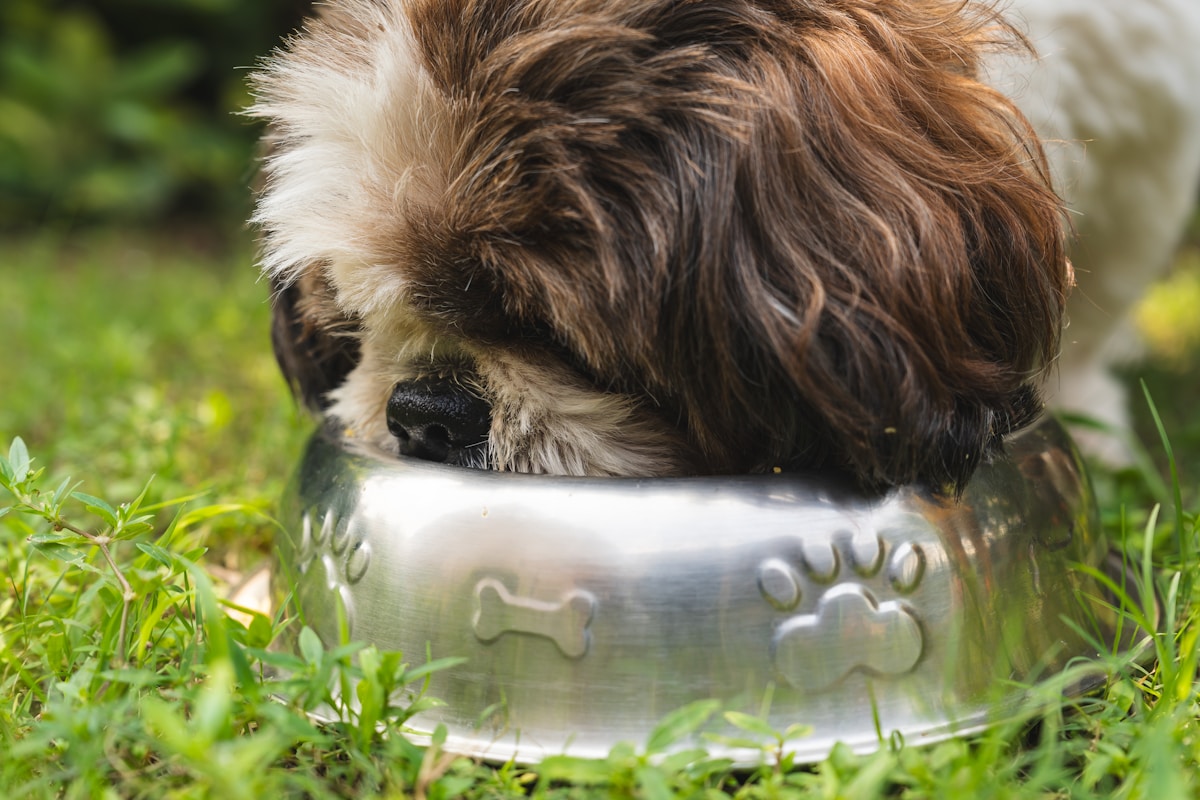
For devoted dog owners, there is an unspoken mental checklist we run through every single day to assess our pet’s health and happiness. Is their tail wagging enthusiastically when you walk into the room? Are they polishing off their breakfast with gusto? Are they bouncing at the front door ready to chase a tennis ball in the yard? When the answers to these questions are an emphatic yes, we naturally assume our canine companion is in peak physical condition. Yet, within the quiet rhythms of domestic life, a subtle behavioral shift often begins to unfold: the stainless steel water bowl in the kitchen is emptying with unprecedented speed. You find yourself refilling it three, four, or even five times a day. Your dog lingers at the bowl, lapping methodically with deep, rhythmic gulps. When you let them into the backyard, they produce voluminous, pale puddles of urine that soak the grass. Yet, when they bound back inside, they smile, grab their favorite squeaky toy, and seem completely, undeniably normal.
This disconnect between an insatiable thirst and an otherwise vibrant, cheerful demeanor is what veterinarians call the thirst deception. Because the dog is not vomiting, shivering in pain, or lying lethargically in a dark corner, pet parents frequently dismiss the increased drinking as a harmless quirk: assuming the weather is slightly warm, the dog exercised a little harder at the park, or the latest bag of kibble is merely salty. In veterinary internal medicine, this assumption is one of the most dangerous miscalculations in companion animal care. Polydipsia (excessive water consumption) and polyuria (excessive urination): collectively termed the PU/PD complex: are among the earliest, most sensitive biological alarm bells the mammalian body can sound.
The biological reality is that dogs are evolutionary masters of stoicism. Canines evolved to mask physical vulnerability for as long as biologically possible, as displaying weakness invites predation or social expulsion from the pack. Consequently, many of the most devastating endocrine, metabolic, and renal diseases that afflict domestic canines develop quietly over months without causing overt misery in their early stages. During this subclinical honeymoon phase, the only perceptible clue that life-threatening organ dysfunction is taking place inside the body is an unquenchable thirst. According to clinical guidelines from the American Veterinary Medical Association (AVMA) and health resources from the American Kennel Club (AKC), early detection of polydipsia can add years of quality life to an affected pet.
Clinical Physiology of Canine Fluid Regulation and Water Balance
To determine whether your dog’s increased water intake is a benign physiological reaction or a manifestation of systemic pathology, one must first understand how normal water homeostasis is clinically defined and quantified in veterinary medicine. In healthy adult canines, daily water intake is closely regulated by a sophisticated network of hypothalamic osmoreceptors, circulating antidiuretic hormone (ADH, also known as vasopressin), and the renal medullary concentrating mechanism within the kidneys.
When cellular dehydration occurs or blood osmolality rises by as little as one to two percent, osmoreceptors in the anterior hypothalamus trigger two simultaneous physiological responses: they stimulate the sensation of thirst, driving water-seeking behavior, and they signal the posterior pituitary gland to release stored antidiuretic hormone into the bloodstream. ADH circulates to the kidneys, binding to V2 receptors on the basolateral membrane of principal cells lining the renal collecting ducts. This binding activates intracellular aquaporin-2 water channels, allowing free water to be reabsorbed from the tubular filtrate back into the hypertonic renal medullary interstitium, conserving bodily fluid and concentrating the urine.
Normal Water Intake versus Clinical Polydipsia
Veterinary nephrologists establish clear, quantitative volumetric benchmarks to distinguish normal hydration from pathological polydipsia:
- Normal Daily Fluid Consumption: A healthy dog consuming a standard commercial dry kibble diet consumes between 50 and 60 milliliters of water per kilogram of body weight every twenty-four hours (approximately one fluid ounce per pound of body weight).
- Physiological Maximum Ceiling: Water consumption between 60 and 90 milliliters per kilogram per day may occur temporarily during intense hot weather or vigorous physical exercise.
- Clinical Polydipsia Threshold: Any sustained water intake exceeding 100 milliliters per kilogram of body weight per day (equivalent to over 1.5 fluid ounces per pound) is classified as pathological polydipsia.
- Clinical Polyuria Threshold: Normal urine output ranges between 20 and 40 milliliters per kilogram per day; urinary volumes exceeding 50 milliliters per kilogram per day represent clinical polyuria.
In the vast majority of clinical medical cases, polyuria precedes polydipsia. The kidneys lose their ability to concentrate urine due to hormonal, metabolic, or structural failures, leading to massive fluid loss through the bladder. Polydipsia is almost always a vital compensatory response: the dog drinks frantically to prevent rapid, life-threatening hypovolemic shock and dehydration.
How to Accurately Measure Your Dog’s Daily Water Consumption
Before visiting your veterinarian, obtaining an accurate twenty-four-hour volumetric measurement of your dog’s water intake provides invaluable clinical diagnostic data. Guesswork and visual estimations of bowl levels are notoriously inaccurate and can delay critical treatment.
The Twenty-Four-Hour Measurement Protocol
- Establish a Consistent Baseline Time: Begin the measurement at a specific time, such as 8:00 AM on a weekend when you are home to monitor bowl access.
- Measure the Initial Water Volume: Empty, clean, and thoroughly dry your dog’s primary water bowl. Using a standard graduated liquid measuring cup, fill the bowl with a precisely recorded volume of fresh water (for example, exactly 1,500 milliliters or 50 fluid ounces).
- Log All Midday Refills: Whenever the bowl runs low, record the exact volume of every refill in a dedicated notebook or smartphone notes app.
- Final Twenty-Four-Hour Calculation: At exactly 8:00 AM the following morning, pour the remaining water from the bowl back into your measuring cup. Subtract the remaining water from the total volume provided over the twenty-four-hour period.
- Calculate Per-Kilogram Consumption: Divide the total milliliters consumed by your dog’s body weight in kilograms (weight in pounds divided by 2.2). If the result exceeds 100 ml per kg, schedule a comprehensive veterinary appointment immediately.
Clinical standards established by the American Animal Hospital Association (AAHA) emphasize the necessity of structured diagnostic evaluations and routine monitoring protocols.
Primary Endocrine Causes of Silent Polydipsia in Dogs
Endocrine disorders represent the most common reason dogs drink excessive water while maintaining cheerful, energetic behavior. Because hormones influence cellular metabolism globally, early hormonal imbalances rarely produce physical pain or acute collapse.
1. Canine Diabetes Mellitus: Osmotic Diuresis and Glucose Spillage
Canine diabetes mellitus is characterized by absolute insulin deficiency, biologically analogous to Type 1 diabetes in human medicine. The pancreatic beta cells inside the islets of Langerhans are progressively destroyed by autoimmune inflammation or chronic subclinical pancreatitis:
- Hyperglycemia: Without insulin, circulating glucose cannot penetrate cellular membranes to fuel skeletal muscle and internal organs, causing blood glucose levels to soar above 250 mg/dL.
- Renal Tubular Threshold Saturation: When blood glucose exceeds the renal threshold (approximately 180 to 220 mg/dL), tubular transport proteins become saturated, and glucose spills directly into the urine (glucosuria).
- Profound Osmotic Drag: High concentrations of glucose in the tubular fluid exert an immense osmotic pull, dragging water molecules along and preventing renal reabsorption.
- Compensatory Polyphagia: Because the dog’s body cells are starving despite high blood sugar, the animal exhibits a ravenous appetite alongside energetic begging, completely masking the internal crisis.
2. Hyperadrenocorticism (Cushing’s Disease): Cortisol Antagonism
Cushing’s disease involves the chronic, pathological overproduction of glucocorticoid hormones (primarily cortisol) by the adrenal cortices, driven by pituitary microtumors (85 percent of cases) or functional adrenal tumors (15 percent):
- ADH Receptor Blockade: Elevated circulating cortisol directly antagonizes antidiuretic hormone at the level of renal collecting ducts, preventing aquaporin channels from inserting into cell membranes.
- Central Pituitary Inhibition: Cortisol exerts negative feedback on the hypothalamus and pituitary, suppressing the release of endogenous vasopressin.
- Euphoric Steroid Effect: Glucocorticoids stimulate appetite and elevate mood, creating an outwardly cheerful, alert, and active dog despite accelerating muscle breakdown and organ stress.
- Physical Clues: Over time, pet owners may notice subtle panting, a slightly sagging or pot-bellied abdomen, and bilateral symmetrical thinning of the coat over the flanks.
3. Atypical Hypoadrenocorticism (Addison’s Disease)
While classic Addisonian crisis involves the catastrophic collapse of both aldosterone and cortisol leading to fatal hyperkalemia and bradycardia, atypical Addison’s disease involves an isolated glucocorticoid deficiency:
- Preserved Electrolytes: Because mineralocorticoid aldosterone production remains intact, sodium and potassium ratios remain entirely normal on routine blood work.
- Loss of Vascular Tone: Cortisol deficiency impairs renal medullary blood flow and water reabsorption, causing subtle polyuria and secondary polydipsia.
- Intermittent Waxing and Waning: The dog may exhibit occasional subtle digestive hesitation or mild lethargy after intense excitement, but appears completely normal between episodes.
Renal and Metabolic Drivers of Compensatory Water Intake
When the internal filtration machinery of the body begins to fail, water becomes the ultimate biological survival tool, flushing toxic metabolic wastes out of circulation.
1. Chronic Kidney Disease (CKD) and Nephron Depletion
The canine kidney contains hundreds of thousands of microscopic filtration units called nephrons. Due to age-related interstitial fibrosis, glomerulonephritis, or chronic subclinical infections, nephrons are permanently lost over time:
- The Seventy Percent Threshold: Canines maintain immense renal reserve. Clinical symptoms of kidney dysfunction do not manifest until more than sixty-seven to seventy percent of functional nephrons are permanently destroyed.
- Loss of Medullary Hypertonicity: Surviving nephrons undergo compensatory hypertrophy, filtering solute under high pressure. They lose the ability to maintain the hypertonic sodium gradient required to pull water out of the collecting ducts.
- Isosthenuria: Urine specific gravity falls into the fixed range of 1.008 to 1.012, meaning the urine is no more concentrated than protein-free blood plasma.
- The Cleansing Washout: For weeks or months, relentless compensatory drinking keeps blood urea nitrogen (BUN) and creatinine within normal limits, keeping the dog feeling vibrant and playful while nephron loss marches forward.
2. Hypercalcemia of Malignancy: The Stealth Tumor Signal
Pathologically elevated blood calcium levels represent one of the most stealthy and clinically dangerous causes of excessive thirst in companion dogs:
- Nephrogenic Diabetes Insipidus: Ionized calcium binds to calcium-sensing receptors on renal tubular cells, directly inhibiting sodium transport and blocking ADH action, triggering massive water dumping.
- Occult Malignancies: In over seventy percent of canine hypercalcemia cases, the underlying driver is an occult cancer producing Parathyroid Hormone-Related Protein (PTHrP).
- Anal Sac Adenocarcinoma and Lymphoma: A microscopic, non-painful tumor inside an anal gland or deep within mesenteric lymph nodes can release PTHrP, making extreme thirst the sole outward sign of an aggressive cancer.
According to clinical pathology references published in the Merck Veterinary Manual, early identification of underlying physiological changes provides the highest probability of positive long-term therapeutic outcomes.
Reproductive and Infectious Emergencies: Closed Pyometra and Sepsis
In unspayed female dogs, a sudden increase in daily water consumption must be treated as an immediate, life-threatening surgical emergency until proven otherwise.
The Deadly Biology of Pyometra
Pyometra is a severe uterine bacterial infection occurring during diestrus, the hormonal phase following a female dog’s heat cycle:
- Progesterone Priming: High progesterone levels cause the endometrium to thicken and secrete rich fluids, while suppressing local uterine immune defenses.
- Ascending Bacterial Infiltration: Coliform bacteria, predominantly Escherichia coli, migrate from the vagina into the sterile uterine cavity.
- Endotoxin Release: Rapidly multiplying bacteria produce massive quantities of lipopolysaccharide endotoxins that enter the systemic bloodstream.
- Renal Receptor Inactivation: Circulating endotoxins physically bind to and destroy vasopressin (ADH) receptors in the kidneys, rendering the renal tubules completely unresponsive to antidiuretic signals.
- The Danger of the Closed Cervix: If the cervix is closed, toxic pus accumulates under pressure without outward discharge. Polydipsia is frequently the only perceptible symptom before septic shock and uterine rupture occur.
Dietary, Pharmacological, and Psychogenic Drivers of Thirst
Not every case of increased thirst originates from organ failure or endocrine disease. Benign environmental, dietary, and behavioral factors can dramatically alter fluid dynamics.
Dietary Sodium and Moisture Disparities
A dog transitioning from high-moisture canned or fresh food (which contains seventy-five to eighty percent water) to dry kibble (which contains only ten percent water) will suddenly drink noticeably more from the water bowl simply to maintain their existing baseline fluid intake. Furthermore, treats containing high sodium levels: such as commercial jerky treats, pig ears, cheeses, or human table scraps: trigger temporary osmotic thirst shifts as the canine body balances extracellular fluid osmolarity.
Pharmacological Iatrogenic Thirst
Several common veterinary medications directly induce significant polyuria and polydipsia as standard pharmacological side effects:
- Glucocorticoid Steroids: Prednisone, prednisolone, and dexamethasone prescribed for allergies, arthritis, or autoimmune conditions stimulate intense thirst and urination within twenty-four hours of starting therapy.
- Diuretics: Furosemide (Lasix) and torsemide prescribed for congestive heart failure eliminate pulmonary edema by forcing the kidneys to excrete sodium and water, mandating increased drinking to prevent vascular collapse.
- Anticonvulsants: Phenobarbital and potassium bromide used to manage canine epilepsy stimulate thirst centers in the brain, often causing dramatic polydipsia.
Psychogenic Polydipsia: Behavioral Water Compulsion
In a small percentage of canine patients, excessive water consumption is a primary behavioral disorder rather than a physiological defect. Psychogenic polydipsia is characterized by compulsive water lapping driven by boredom, anxiety, separation stress, or learned play behavior. Unlike dogs with renal or endocrine disease, dogs with psychogenic polydipsia possess healthy kidneys that can concentrate urine perfectly when water access is structured under clinical veterinary supervision.
Clinical research conducted by the Cornell University College of Veterinary Medicine demonstrates that biological sensory thresholds and neurological adaptations play a defining role in everyday canine responses.
The Fatal Danger of Restricting Water Access
When pet owners notice their dog drinking massive quantities of water and having frequent accidents on living room carpets, an instinctive but catastrophic mistake is frequently made: the owner removes the water bowl or severely limits water access.
In any dog suffering from polyuria and polydipsia, restricting water can be rapidly fatal. Because the kidneys have lost the biological ability to concentrate urine, water continues to pour out of the body through the bladder regardless of whether the dog drinks. If water is withheld, the animal loses circulating plasma volume in hours, progressing rapidly through hemoconcentration, acute prerenal azotemia, hypovolemic shock, and fatal cardiovascular collapse. Never restrict water access to a thirsty dog unless specifically instructed to do so inside a veterinary intensive care hospital.
The Comprehensive Veterinary Diagnostic Protocol
When presenting your dog for a veterinary polydipsia workup, your clinician will follow a methodical, tiered diagnostic algorithm to isolate the underlying pathology efficiently and affordably.
Tier 1: Foundational Baseline Laboratory Screening
- Complete Blood Count (CBC): Evaluates white blood cell counts for occult infections, pyometra, or leukemia, and checks red blood cell mass for non-regenerative anemia common in chronic renal failure.
- Serum Biochemistry Profile: Measures fasting blood glucose, renal markers (BUN, creatinine, symmetric dimethylarginine / SDMA), liver enzymes (ALT, ALP), total protein, albumin, and total calcium.
- Complete Urinalysis with Sediment Exam: Measures Urine Specific Gravity (USG) using a refractometer, evaluates pH, tests for protein spillage, checks for glucose and ketone bodies, and examines sediment for bacteria, casts, or white blood cells.
- Urine Culture and Sensitivity: Rules out subclinical bacterial cystitis or ascending pyelonephritis, which can impair renal concentrating ability without causing overt urinary pain.
Tier 2: Advanced Endocrine and Imaging Diagnostics
- Low-Dose Dexamethasone Suppression (LDDS) Test: The gold standard endocrine test for diagnosing Cushing’s disease, evaluating cortisol suppression at four and eight hours post-injection.
- ACTH Stimulation Test: Used to diagnose Addison’s disease or monitor ongoing medical management for hyperadrenocorticism.
- Total T4 and Free T4 by Equilibrium Dialysis: Assesses thyroid function to identify concurrent hypothyroidism.
- Abdominal Ultrasonography: Visualizes renal architecture, measures adrenal gland pole dimensions, examines the liver parenchyma, checks the uterus for fluid accumulation, and inspects the sublumbar lymph nodes.
- Ionized Calcium and PTHrP Assays: Differentiates true hypercalcemia of malignancy from benign metabolic disturbances.
Tier 3: Specialized Renal Biomarkers and Glomerular Assessment
When baseline laboratory tests reveal borderline kidney values or persistent isosthenuria, advanced biomarkers allow earlier detection and targeted staging:
- Symmetric Dimethylarginine (SDMA): A methylated arginine biomarker excreted solely by glomerular filtration. Unlike creatinine, SDMA is not affected by lean muscle mass and detects nephron loss when only twenty-five to forty percent of renal function is compromised, catching kidney disease months before creatinine rises.
- Urine Protein-to-Creatinine (UPC) Ratio: Quantifies pathological protein leakage through damaged glomerular filtration barriers. Persistent renal proteinuria with a UPC above 0.5 indicates active glomerulonephropathy, requiring ACE inhibitors or angiotensin receptor blockers.
- Doppler Systemic Blood Pressure Monitoring: Systemic arterial hypertension is both a primary cause and secondary consequence of progressive renal disease. Measuring systolic blood pressure prevents secondary target-organ damage to the retinas, brain, and glomeruli.
- Fractional Excretion of Electrolytes: Measures the percentage of filtered sodium, potassium, and phosphorus excreted in urine, identifying tubular transport failure in nephrogenic disorders.
Hepatic Insufficiency and Portosystemic Vascular Shunts
The liver is the central metabolic clearinghouse of the canine body, playing an essential, underappreciated role in maintaining renal concentrating ability. In canines suffering from chronic hepatitis, cirrhosis, or congenital portosystemic shunts (abnormal blood vessels that bypass the liver), excessive thirst is a hallmark clinical manifestation:
Medullary Washout via Urea Synthesis Failure
In mammalian physiology, the kidneys require high concentrations of urea to establish the hypertonic osmotic gradient in the inner renal medulla. Urea is synthesized exclusively by the liver through the hepatic urea cycle, converting toxic ammonia into neutral urea. When liver functional mass declines significantly:
- Reduced Urea Production: Blood urea nitrogen (BUN) drops to abnormally low levels, often registering below 5 mg/dL.
- Renal Medullary Collapse: Without adequate urea deposited into the renal medullary interstitium, the kidneys lose the osmotic driving force needed to pull water out of the collecting ducts, resulting in persistent polyuria.
- Secondary Polydipsia: The dog must drink compensatory volumes of water continuously to avoid profound cellular dehydration.
Hepatic Encephalopathy and Psychogenic Thirst Centers
Furthermore, when portal blood bypasses hepatic filtration, neurotoxic substances: including circulating ammonia, mercaptans, and short-chain fatty acids: cross the blood-brain barrier. These neurotoxins directly stimulate thirst centers within the hypothalamus, triggering compulsive, erratic water gorging even before severe physical debilitation appears.
Central Diabetes Insipidus versus Nephrogenic Deficiencies
A rare but definitive category of severe canine polydipsia is Diabetes Insipidus, an entirely distinct condition from diabetes mellitus that involves zero abnormalities in blood sugar or insulin:
Central Diabetes Insipidus (CDI)
Central diabetes insipidus occurs when the posterior pituitary gland completely or partially fails to synthesize or secrete antidiuretic hormone (vasopressin). This defect can arise from congenital malformations, severe head trauma, or intracranial neoplasms such as pituitary macroadenomas. Without vasopressin, the renal collecting ducts remain completely impermeable to water, resulting in massive urinary excretion that can exceed 250 to 300 ml per kilogram per day. Clinicians confirm CDI through a therapeutic Desmopressin (DDAVP) trial: administering synthetic vasopressin eye drops or oral tablets leads to an immediate, dramatic drop in water consumption and normalization of urine concentration within twenty-four to forty-eight hours.
Nephrogenic Diabetes Insipidus (NDI)
In nephrogenic diabetes insipidus, the pituitary gland secretes abundant vasopressin, but the kidneys are structurally or functionally incapable of responding. NDI is almost always secondary to acquired metabolic conditions: such as hypercalcemia, hypokalemia, pyometra endotoxemia, or chronic hyperadrenocorticism: where circulating toxins or hormones physically block vasopressin V2 receptors.
Practical Home Management of a Polyuric Canine Companion
While awaiting definitive diagnosis and medical stabilization, managing a polyuric dog at home requires compassion, environmental adaptation, and zero punishment:
- Uninterrupted Fresh Water Access: Provide multiple large, clean water bowls throughout the house and yard. Ensure bowls are refilled continuously so your dog never encounters an empty dish.
- Patience and Zero Behavioral Correction: Understand that indoor urinary accidents are completely involuntary medical events. Scolding, yelling, or rubbing a dog’s nose in urine causes severe psychological trauma and anxiety without altering the physiological inability to hold urine.
- Indoor Elimination Stations: Set up high-absorbency puppy pads, reusable washable incontinence pads, or indoor artificial turf trays near exit doors to give your dog a safe, acceptable relief option between outdoor breaks.
- Increased Outdoor Frequency: Offer bathroom breaks every two to three hours during the day, and consider an extra late-night let-out immediately before bedtime to reduce overnight bladder pressure.
Hypothalamic Osmoregulation: Arginine Vasopressin and Thirst Satiety Signals
Canine thirst and fluid balance are regulated by hypothalamic osmoreceptors that detect subtle changes in plasma osmolality and circulating blood volume. When serum sodium concentrations rise by as little as one percent, the posterior pituitary gland releases arginine vasopressin (antidiuretic hormone) to stimulate water reabsorption in renal collecting ducts.
Simultaneously, the hypothalamic thirst center stimulates drinking behavior to restore osmotic equilibrium. Pathological polydipsia develops when endocrine or renal disorders disrupt this delicate feedback loop, causing unquenchable thirst that guardians often misinterpret as innocent hydration.
Serum Chemistry and Specific Gravity Metrics for Canine Renal Insufficiency
The definitive veterinary diagnostic workup for escalated drinking begins with comprehensive blood chemistry and urinalysis with urine specific gravity (USG) measurement. Normal canine urine specific gravity ranges from 1.015 to 1.045, reflecting the kidneys ability to concentrate urine effectively.
Persistent hyposthenuric or isosthenuric urine (USG between 1.008 and 1.012) in the presence of elevated blood urea nitrogen and symmetric dimethylarginine (SDMA) points toward chronic kidney disease. Identifying compromised renal concentrating ability early allows veterinarians to implement renoprotective diets and fluid therapy protocols.
Hyperadrenocorticism versus Diabetes Mellitus Osmotic Diuresis Cascades
Two common endocrine drivers of severe polydipsia are hyperadrenocorticism (Cushing disease) and diabetes mellitus. In diabetic canines, persistent hyperglycemia exceeds the renal threshold for glucose reabsorption, triggering osmotic diuresis where glucose drags vast volumes of water into the urine.
In Cushing disease, chronic cortisol elevation impairs vasopressin action at the renal tubule, causing primary polyuria with compensatory extreme thirst. Distinguishing between these conditions through low-dose dexamethasone suppression testing and fructosamine panels is critical for instituting life-saving medical management.
Quantitative 24-Hour Water Intake Measurement Protocols in Clinical Triage
Veterinary medicine defines canine polydipsia as water consumption exceeding one hundred milliliters per kilogram of body weight per twenty-four-hour period. Normal canine daily fluid intake typically ranges between fifty and sixty milliliters per kilogram under standard indoor environmental conditions.
Guardians suspecting polydipsia should measure the exact volume of water poured into bowls each morning and calculate the volume remaining twenty-four hours later, accounting for multi-pet access. Providing this quantified volumetric intake log to your veterinarian dramatically streamlines clinical diagnostic triage.
Endocrine Clinical Diagnostics: Comprehensive Urinalysis and Longitudinal Thirst Auditing
Investigating elevated canine water consumption demands a methodical veterinary approach that begins with establishing an accurate baseline of daily volumetric intake. Maintaining a meticulous 24-hour water log over consecutive days provides clinicians with concrete evidence to distinguish psychological polydipsia from genuine metabolic disease.
Pairing complete serum chemistry panels with early renal biomarkers like SDMA allows veterinarians to identify chronic kidney disease before substantial nephron loss occurs. Low-dose dexamethasone suppression testing and total thyroxine assays further clarify adrenal and thyroid involvement in fluid balance dysregulation.
Early diagnostic detection of endocrine conditions such as diabetes mellitus or Cushing disease enables prompt medical therapy, protecting vital organs and restoring normal quality of life. Attentive guardian monitoring is the ultimate shield for long-term canine metabolic wellness.
The clinical diagnostic comparison matrix below outlines the hallmark laboratory findings, urinalysis parameters, and hormonal markers that differentiate primary systemic and endocrine causes of canine polydipsia.
Comparative Diagnostic Matrix: Major Causes of Canine Polydipsia
To help pet parents and clinicians distinguish the primary drivers of excessive thirst, the table below outlines clinical features, urine profiles, and confirmatory diagnostics:
| Medical Condition | Daily Water Intake | Urine Specific Gravity | Subtle Accompanying Clues | Gold Standard Diagnostic Test |
|---|---|---|---|---|
| Diabetes Mellitus | Markedly High (120 to 200 ml/kg) | High (> 1.025 due to glucose) | Ravenous hunger, weight loss, cataract clouding | Fasting blood glucose and urine dipstick glucosuria |
| Cushing’s Disease | Extreme (150 to 300 ml/kg) | Hyposthenuric (< 1.010) | Panting, pot-belly, thinning coat, hunger | Low-Dose Dexamethasone Suppression (LDDS) test |
| Chronic Kidney Disease | Moderate to High (100 to 160 ml/kg) | Isosthenuric (1.008 to 1.012) | Mild weight loss, morning nausea, pale gums | Serum chemistry (BUN/Creatinine/SDMA) and urinalysis |
| Hypercalcemia / Neoplasia | Severe (140 to 250 ml/kg) | Hyposthenuric (< 1.012) | Enlarged lymph nodes, palpable anal gland mass | Serum ionized calcium and PTHrP blood assay |
| Pyometra (Intact Females) | Sudden Acute (120 to 220 ml/kg) | Dilute (< 1.015) | Recent heat cycle 2 to 8 weeks prior, lethargy | Abdominal ultrasound and complete blood count |
| Psychogenic Polydipsia | Fluctuating (100 to 250 ml/kg) | Variable ( 1.030) | Boredom, water play, anxious pacing behavior | Modified water deprivation test under hospital supervision |
Reviewing the diagnostic metrics compiled in the matrix above assists guardians and veterinary teams in navigating early clinical workups with confidence. The comprehensive frequently asked questions section below provides essential answers to urgent questions regarding escalated canine thirst.
Frequently Asked Questions About Dogs Drinking More Water Than Usual
How much water should a healthy dog drink in a single day?
Under normal conditions, a healthy dog consuming dry kibble should drink approximately 50 to 60 milliliters of water per kilogram of body weight each day (about one fluid ounce per pound). If consumption consistently exceeds 100 milliliters per kilogram per day, it is considered clinically excessive polydipsia requiring veterinary evaluation.
Why is my dog acting completely normal if they have a serious disease?
Canines have strong evolutionary instincts to conceal weakness and pain to survive. Additionally, early-stage endocrine and renal diseases such as diabetes, Cushing’s disease, and mild kidney insufficiency do not cause acute physical pain. As long as compensatory drinking replaces lost fluids, dogs remain cheerful, active, and playful.
Should I take away my dog’s water bowl at night to stop indoor accidents?
No, you must never restrict water access to a dog that is drinking excessively. The increased thirst is almost always a compensatory response to uncontrollable fluid loss through the kidneys. Removing water causes rapid, dangerous dehydration, electrolyte shock, and potential kidney failure within hours.
Can switching dog food cause a sudden increase in thirst?
Yes. If you switch from wet canned food or fresh raw food to dry kibble, your dog must drink significantly more water from the bowl to compensate for the lost dietary moisture. Additionally, dry foods with higher sodium or mineral ash contents will naturally stimulate greater water intake.
What is the difference between polyuria and urinary incontinence?
Polyuria is the biological production of abnormally large volumes of urine due to kidney or hormonal failure, leading to a full bladder and conscious urination. Urinary incontinence is the involuntary leakage of urine (often while sleeping or resting) caused by weak urethral sphincter muscles, spinal nerve issues, or anatomical defects.
Why does diabetes cause a dog to drink so much water?
In diabetic dogs, lack of insulin causes blood glucose to accumulate at extremely high levels. When filtered by the kidneys, glucose overwhelms the tubular reabsorption threshold and spills into the urine. This sugar creates an osmotic pull that drags massive amounts of water into the urine, triggering severe dehydration and intense thirst.
What is Cushing’s disease and why does it make dogs thirsty?
Cushing’s disease is the overproduction of the hormone cortisol by the adrenal glands. Cortisol blocks antidiuretic hormone (ADH) receptors in the kidneys, preventing the body from reabsorbing water from urine. The kidneys dump dilute urine continuously, forcing the dog to drink constantly to avoid dehydration.
Can a urinary tract infection (UTI) cause increased drinking?
Yes. While UTIs typically cause frequent straining to pass small amounts of urine, ascending bacterial infections can reach the renal pelvis (pyelonephritis). Bacterial toxins interfere with the kidneys’ concentrating mechanism, producing true polyuria and secondary polydipsia.
How does chronic kidney disease cause excessive thirst?
As functional filtration units (nephrons) are lost to age or disease, the kidneys lose their ability to produce concentrated urine. Large volumes of dilute fluid flow into the bladder, and the dog must drink immense volumes of water to flush out nitrogenous toxins and prevent metabolic poisoning.
What is psychogenic polydipsia in dogs?
Psychogenic polydipsia is a behavioral condition where a dog drinks excessive water out of boredom, anxiety, compulsive habit, or play, rather than a physical medical illness. While the kidneys are healthy, prolonged water gorging can wash out the renal medullary concentration gradient, requiring structured behavioral retraining.
Clinical Red Flags: When Silent Thirst Transitions to Acute Emergency
While early-stage polydipsia often unfolds quietly over weeks or months while your dog remains outwardly bright and energetic, pet parents must remain intensely vigilant for sudden decompensation. Metabolic equilibrium can collapse rapidly when compensatory drinking can no longer keep pace with organ breakdown.
Immediate Emergency Warning Signs
Transport your dog to an emergency veterinary hospital immediately if excessive thirst becomes accompanied by any of the following acute symptoms:
- Sweet Acetone Breath Odor: A distinctive fruity, sweet, or nail-polish-remover smell on the dog’s breath indicates diabetic ketoacidosis (DKA), a life-threatening metabolic crisis requiring intravenous fluid therapy and continuous insulin infusion.
- Unproductive Retching or Projectile Vomiting: Signals acute pancreatitis, acute renal failure, pyometra peritonitis, or gastrointestinal obstruction.
- Sudden Lethargy or Inability to Rise: Indicates acute electrolyte collapse, severe hypocalcemia, or Addisonian hypovolemic crisis.
- Pale or Sticky Gums: Indicates severe hypovolemia, internal bleeding from ruptured splenic tumors, or circulatory shock.
- Purulent or Bloody Vaginal Discharge: In an intact female, visible vaginal discharge accompanied by high thirst confirms open pyometra, requiring urgent emergency ovariohysterectomy.
Transforming Vigilance into Lifesaving Canine Care
Watching your dog drink deeply from their water bowl with an energetic, happy face can make it tempting to look away and assume everything is fine. Yet, true canine companionship is grounded in understanding the quiet language of canine biology. The thirst deception is one of the most poignant reminders that animals communicate their physical distress not through words or complaints, but through subtle, unconscious deviations in their daily biological rhythms.
By learning to recognize that unquenchable thirst is a profound medical symptom rather than an innocent quirk, you step into the role of your dog’s most powerful health advocate. You now possess the knowledge to measure daily fluid intake with scientific accuracy, understand the critical endocrine and renal mechanisms that drive fluid loss, and recognize why water must never be withheld from a thirsty companion. Early diagnosis is the greatest gift modern veterinary medicine offers: catching diabetes before diabetic ketoacidosis develops, identifying Cushing’s before muscles waste away, or catching pyometra before uterine rupture completely changes the prognosis.
Trust your instincts. If the kitchen water bowl is emptying faster than it ever has before, do not wait for your dog to show signs of exhaustion or pain. Contact your veterinarian, bring a freshly collected urine sample and your twenty-four-hour water log, and partner with your clinical team to decode the mystery behind the bowl. Through proactive vigilance, timely diagnostics, and compassionate medical care, you protect your loyal friend from silent disease and safeguard the joyful, healthy years you share together.

Leave a Comment