

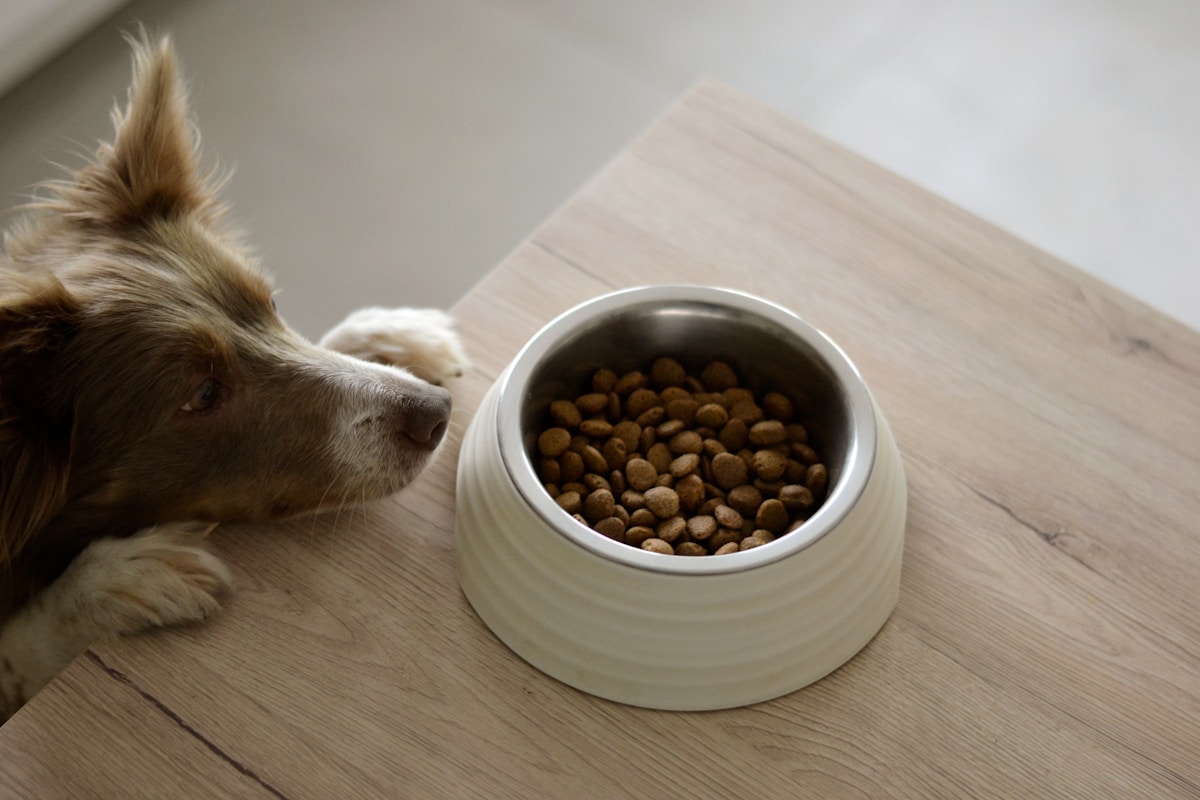
Modern canine nutrition is undergoing an unprecedented renaissance, driven by pet parents who are increasingly disillusioned with heavily processed, ultra-high-heat extruded dry kibbles. Among the fastest-growing nutritional categories on the market today is freeze-dried raw dog food. Promoted as the ultimate convergence of raw food ancestral biology and shelf-stable kitchen convenience, freeze-dried diets boast near-complete nutrient preservation, active live enzymes, and intensely palatable real meat flavors. Yet, for thousands of dog owners who enthusiastically open their first bag of freeze-dried medallions or morsels, the reality of the transition often turns into an alarming digestive nightmare.
Within forty-eight to seventy-two hours of introducing freeze-dried food, many dogs develop explosive watery diarrhea, violent early morning vomiting of yellow bile, copious gastrointestinal gas, or an utter refusal to touch the rehydrated slurry in their bowl. Perplexed owners frequently conclude that their dog is allergic to the new food or that freeze-dried raw is inherently dangerous for canines. In reality, veterinary gastroenterology reveals a far different diagnosis: the vast majority of freeze-dried feeding failures are not caused by toxic ingredients, but by fundamental physiological friction during the transition process, catastrophic rehydration errors, and profound disruptions to gastric and pancreatic enzyme kinetics.
Navigating a safe, successful transition from conventional dry kibble to a biologically active freeze-dried diet requires an intimate understanding of cellular moisture mechanics, canine gastric pH adaptation, and metabolic portion balancing. According to clinical veterinary nutrition standards established by the American Veterinary Medical Association (AVMA) and developmental feeding guidelines curated by the American Kennel Club (AKC), introducing freeze-dried food demands far more patience and physiological precision than standard kibble-to-kibble transitions. This clinical guide provides the exhaustive scientific roadmap you need to transition your dog smoothly, prevent gastrointestinal distress, calculate exact daily schedules, and unlock the longevity benefits of minimally processed nutrition.
The Food Engineering Behind Freeze-Drying: Sublimation versus Thermal Extrusion
To understand why a dog’s digestive system reacts so differently to freeze-dried food compared to traditional dry kibble, one must first comprehend the profound differences in their manufacturing physics and biochemical structures.
Understanding the Physics of Lyophilization and Sublimation
Freeze-drying, scientifically termed lyophilization, is a cutting-edge low-temperature dehydration process that removes moisture through sublimation:
- Flash Freezing Stage: High-grade raw meat, organ tissue, and bone marrow are flash-frozen at temperatures between minus forty and minus fifty degrees Fahrenheit, locking water molecules into microcrystalline ice structures.
- Vacuum Sublimation: The frozen food is placed into a deep vacuum chamber where atmospheric pressure is reduced drastically below the triple point of water (0.0098 degrees Celsius and 611 Pascals).
- Direct Phase Transition: Gentle, controlled radiant heat is applied. Because the vacuum prevents water from existing as a liquid, the frozen ice crystals vaporize directly into water gas without ever passing through a liquid phase.
- Moisture Reduction: Lyophilization removes between ninety-five and ninety-eight percent of the food’s native moisture, yielding a lightweight, shelf-stable matrix that retains over ninety-seven percent of its original vitamin, amino acid, and active enzyme integrity.
Thermal Extrusion: The Starch and Heat Reality of Kibble
Traditional kibble manufacturing stands in stark, dramatic contrast to low-temperature lyophilization:
- Extreme Thermal Pressures: Conventional kibble dough is subjected to extreme temperatures (between 250 and 320 degrees Fahrenheit) and steam pressures exceeding three hundred pounds per square inch inside commercial extruders.
- Mandatory Starch Binders: To create an expanded, crunchy biscuit that holds its structural shape, kibble formulations require thirty to sixty percent carbohydrate starches (such as corn, wheat, peas, potatoes, or tapioca).
- Nutrient Denaturation and Synthetic Premixes: These aggressive thermal forces denature fragile natural proteins, deactivate beneficial food-borne enzymes, and destroy heat-sensitive B-vitamins, necessitating the addition of synthetic chemical vitamin packs to meet minimum baseline survival standards.
Cellular Porosity and Lipid Concentration
When water sublimates out of freeze-dried meat, it leaves behind an intricate honeycomb network of microscopic cellular pores. This unique structure yields two immense biological consequences:
- Rapid Spongelike Absorption: The microscopic pore network enables the meat to reabsorb water almost instantaneously upon hydration, restoring the soft, fibrous texture of raw muscle.
- Extreme Caloric and Fat Density: Because water (which makes up seventy to seventy-five percent of fresh raw meat) is entirely evacuated without replacing it with bulky starches, freeze-dried food becomes exceptionally calorie-dense. Ounce for ounce, freeze-dried food contains three to four times the caloric density and lipid concentration of wet canned food, meaning that feeding tiny volumetric portions delivers an immense payload of fat and protein.
Why Abrupt Freeze-Dried Transitions Trigger Gastrointestinal Crisis
When an owner pours a bowl of freeze-dried food and immediately serves it to a dog that has eaten commercial extruded kibble for months or years, the canine gastrointestinal tract is thrust into an acute physiological crisis.
1. Acute Osmotic Shifts and Systemic Dehydration
One of the most dangerous and widespread transition blunders is feeding freeze-dried food completely dry, straight from the bag:
- Gastric Sponge Effect: Unrehydrated freeze-dried morsels act as biological desiccants inside the canine stomach, aggressively pulling available gastric juices and systemic bodily fluids into the stomach lumen to hydrate themselves.
- Hypovolemic Stress: In small or medium dogs, this rapid fluid shift draws water out of the vascular bloodstream, causing mild hypovolemia, cellular dehydration, lethargy, and dry gums.
- Delayed Gastric Emptying and Cramping: Without adequate pre-hydration, dry freeze-dried food forms a dense, compact, viscous bolus that sits heavily in the stomach, causing severe abdominal cramping, delayed pyloric emptying, and projectile regurgitation.
2. Gastric Acid pH Shift: From Alkaline Kibble to Highly Acidic Raw Processing
A dog’s stomach environment is dynamically regulated by the macronutrient composition of their daily diet:
- Kibble-Induced Hypochlorhydria: Diets dominated by high-carbohydrate starches maintain a canine gastric pH around 2.5 to 3.5. This relatively weak acidity is sufficient to digest cooked carbohydrates, but inadequate to rapidly dissolve dense raw animal muscle, cartilage, and bone fragments.
- The Need for Hyper-Acidity (pH 1.0 to 1.5): Digesting raw animal proteins and natural bone mineral matrixes safely requires parietal cells to pump concentrated hydrochloric acid, driving gastric pH down to an intensely acidic 1.0 to 1.5. This hyper-acidic bath is vital not only to activate pepsin enzymes, but also to sterilize food and eliminate potential food-borne bacteria.
- The Transitional Lag: Parietal cells cannot shift from a pH of 3.5 to a pH of 1.2 overnight. During an abrupt transition, freeze-dried raw meat arrives in a stomach that lacks sufficient acidity, leading to incomplete protein breakdown, delayed transit, and nausea.
3. Pancreatic Lipase Surge and Exocrine Strain
Kibble-fed dogs are adapted to metabolizing diets high in carbohydrates and low-to-moderate in dietary lipids:
- High Lipid Challenge: Freeze-dried diets derive forty to fifty-five percent of their daily metabolizable energy from natural animal fats.
- Acinar Cell Overload: When flooded with high-fat freeze-dried meat without gradual metabolic conditioning, the canine pancreas is forced to synthesize and secrete massive, unaccustomed surges of pancreatic lipase.
- Pancreatitis Vulnerability: In genetically susceptible breeds (such as Miniature Schnauzers, Cocker Spaniels, and Yorkshire Terriers) or overweight dogs, this sudden lipid overload can overwhelm pancreatic acinar cells, triggering premature intracellular zymogen activation, severe abdominal inflammation, and acute, life-threatening pancreatitis.
4. Microbial Dysbiosis and Colonic Fermentation Shock
The trillions of microscopic organisms residing within the canine colon are finely tuned to ferment the specific substrates they receive daily:
- Starving the Starch Fermenters: A dog eating commercial kibble maintains large colonies of starch-utilizing bacteria (such as Bacteroidetes and amylolytic Firmicutes). Abruptly cutting off dietary starches starves these bacterial populations.
- Proteolytic Bacterial Surge: Concurrently, undigested proteins and novel fats reaching the colon trigger a massive overgrowth of proteolytic bacteria, including Clostridium perfringens and pathogenic Escherichia coli.
- Endotoxin Release and Colitis: This chaotic microbial shift degrades the protective mucosal biofilm, triggering acute large-bowel colitis characterized by frequent, urgent straining, watery diarrhea, and copious clear-to-white mucus envelopes surrounding the stool.
Nutritional adequacy standards defined by the Association of American Feed Control Officials (AAFCO) provide the regulatory framework for verified macro-nutrient balance and life-stage completeness.
The Non-Negotiable Art of Rehydration: Science, Ratios, and Practical Techniques
The single most critical rule of freeze-dried feeding is simple and absolute: with very few exceptions, freeze-dried dog food should almost always be completely rehydrated before offering it to your dog.
Water Temperature Dynamics: Why Boiling Water Is Forbidden
Many well-meaning owners pour boiling water over freeze-dried food to create an instant warm stew. From a biochemical perspective, this destroys the very benefits for which freeze-dried food was purchased:
- Enzymatic Denaturation: Native digestive enzymes and fragile peptides present in freeze-dried food denature and permanently lose biological activity when exposed to temperatures exceeding 118 to 120 degrees Fahrenheit.
- Thermal Vitamin Degradation: Boiling water rapidly degrades heat-sensitive B-vitamins (particularly thiamine, riboflavin, and folic acid) and accelerates lipid oxidation, turning delicate polyunsaturated fatty acids rancid.
- The Gold Standard Temperature: Always rehydrate freeze-dried food with lukewarm, tepid water between 90 and 105 degrees Fahrenheit. This temperature matches the natural body temperature of prey animals, maximizing aroma volatilization and palatability while preserving one hundred percent of active enzymes and nutrients.
Standard Rehydration Ratios by Physical Formulation
Freeze-dried commercial dog food is manufactured in three primary physical formats, each requiring distinct hydration parameters:
- Freeze-Dried Patties and Medallions: These dense, compressed circular disks require mechanical crumbling. Break the patty apart with your fingers or a fork into marble-sized pieces. Add approximately one-quarter to one-third cup of warm liquid per patty. Allow to soak for five to eight minutes until fully saturated and spongy throughout.
- Freeze-Dried Bites and Nuggets: Uniform rectangular or cubed chunks. Rehydrate with a one-to-one ratio: for every one cup of dry nuggets, add one-half to three-quarters cup of warm liquid. Soak for three to five minutes, stirring occasionally.
- Freeze-Dried Meal Mixers and Toppers: Finely crumbled meat morsels designed to be sprinkled over kibble. Even when used as a topper, light rehydration with two to three tablespoons of warm water prevents the topper from drawing moisture out of the dog’s stomach during digestion.
Functional Hydration Liquids: Upgrading from Plain Water
While filtered water is perfectly acceptable, replacing water with functional, nutrient-dense liquids during the transition provides immense digestive support:
- Low-Sodium Novel Bone Broth: Simmered venison, turkey, or beef bone broth (completely free of onions, garlic, and excessive salt) provides rich concentrations of collagen, glycine, and gelatin. Gelatin coats and protects inflamed mucosal walls, while glycine fuels hepatic detoxification and enterocyte regeneration.
- Raw Fermented Goat’s Milk: Often called the universal mammalian milk, goat’s milk contains smaller fat globules and lower lactose levels than cow’s milk. When fermented into kefir, it delivers billions of live colony-forming units of probiotic bacteria, lactic acid, and bioavailable enzymes that actively buffer gastric transition stress.
- Organic Pure Aloe Vera Juice: Adding one teaspoon of pure inner-leaf aloe vera juice (decolorized and certified aloin-free) to the rehydration water soothes irritated esophageal tissue, eases gastric acidity, and promotes gentle gastrointestinal motility.
The 14-Day Clinical Transition Protocol (Structured Step-by-Step)
To eliminate transition-induced vomiting, loose stools, and pancreatic inflammation, veterinary gastroenterologists recommend a methodical, fourteen-day gradual adaptation schedule. While healthy, resilient dogs may adapt faster, dogs with sensitive stomachs, seniors, or long-term kibble eaters require the full two-week timeline.
Days 1 to 3: The 10 Percent Micro-Priming Phase
The objective of Phase One is to introduce novel proteins and lipids at a subclinical threshold, allowing the digestive tract to recognize new antigens without overwhelming gastric enzymes:
- Dietary Ratio: Ninety percent current diet (kibble or canned) and ten percent fully rehydrated freeze-dried food (calculated by daily caloric requirement, not volume).
- Meal Separation Option: In dogs with hyper-sensitive stomachs, consider feeding the ten percent freeze-dried portion as an isolated midday snack or separate mini-meal, rather than mixing it directly with kibble. Because kibble and raw-style foods digest at different transit rates, separating them eliminates gastric fermentation competition.
- Clinical Milestones: Monitor stool consistency. Stools should remain firm and well-formed. Transient mild stool softening on Day 2 is acceptable, but liquid diarrhea indicates the ratio was increased too quickly.
Days 4 to 6: The 25 Percent Enzymatic Awakening Phase
During Phase Two, pancreatic acinar cells begin upregulating the synthesis of proteolytic and lipolytic enzymes to match the rising concentration of raw animal protein and fat:
- Dietary Ratio: Seventy-five percent current diet and twenty-five percent fully rehydrated freeze-dried food.
- Rehydration Vigilance: Ensure all freeze-dried morsels are thoroughly saturated. The food should feel completely soft when pressed between fingers, with zero dry, crunchy center cores.
- Stool Evaluation: You may notice stools becoming slightly darker in color and significantly more compact. This is a positive indicator that the dog is beginning to absorb the highly bioavailable animal proteins efficiently.
Days 7 to 9: The 50/50 Threshold and Physiological Milestone
Day 7 represents the critical tipping point where freeze-dried nutrients equal conventional food:
- Dietary Ratio: Fifty percent current diet and fifty percent fully rehydrated freeze-dried food.
- Gastric Acid Downshift: By Day 8, canine gastric parietal cells have begun producing more concentrated hydrochloric acid, steadily driving stomach pH down toward optimal raw-digestion levels (below pH 2.0).
- Hydration Check: Observe your dog’s daily water bowl consumption. Because rehydrated freeze-dried food contains seventy percent moisture, your dog will naturally drink substantially less standing water from their bowl. This is entirely physiological and normal, not a sign of thirst suppression.
Days 10 to 12: The 75 Percent Stabilization Phase
Phase Four consolidates digestive adaptation, allowing the colonic microbiome to finalize its shift toward protein-fermenting commensal microflora:
- Dietary Ratio: Twenty-five percent current diet and seventy-five percent fully rehydrated freeze-dried food.
- Pancreatic Harmony: Pancreatic lipase and protease secretion have now adapted to the elevated lipid and novel amino acid density of the diet.
- Energy and Demeanor: Many owners report noticeable improvements in vitality, cleaner breath, reduced flatulence, and a brighter, more focused demeanor by this stage.
Days 13 to 14: Complete 100 Percent Freeze-Dried Integration
The final milestone where the dog transitions exclusively to biologically appropriate, minimally processed nutrition:
- Dietary Ratio: One hundred percent fully rehydrated freeze-dried food. Zero old kibble.
- Long-Term Maintenance: Ensure consistent daily feeding schedules, calibrate accurate daily caloric portions, and maintain proper food safety hygiene.
Global feeding recommendations established by the World Small Animal Veterinary Association (WSAVA) emphasize manufacturer transparency, rigorous quality assurance, and validated nutritional research.
Decoding Stool Consistency and Transition Red Flags
A dog’s stool is the ultimate daily clinical window into gastrointestinal health. During a freeze-dried transition, pet parents must learn to distinguish between expected, healthy physiological adaptations and true pathological warning signs.
Expected Transitional Changes: The Dense, Smaller Stool Phenomenon
Within several days of increasing freeze-dried food, most owners are startled by dramatic changes in their dog’s stool volume and color:
- Seventy Percent Reduction in Fecal Volume: Kibble contains massive amounts of indigestible plant fiber, corn gluten, and grain hulls that cannot be absorbed by the canine intestine, resulting in massive, voluminous piles. Freeze-dried food consists of real meat and bone that is absorbed at rates exceeding ninety percent. Consequently, your dog will produce remarkably small, compact, firm stools.
- Firm, Uniform Texture: Stools will feel firm, dense, and remarkably low in odor. The putrid smell associated with conventional dog feces is primarily caused by unabsorbed starches fermenting in the colon; when clean protein is fed, stool odor drops drastically.
- Chalky Whitish Stool Residue: If the freeze-dried formula contains ground raw bone, you may notice the stool drying into a pale, chalky, crumbly white powder within twenty-four hours in the grass. This is completely normal and represents harmless excreted calcium and phosphorus minerals.
Warning Signs: When Stools Signal Digestive Distress
Certain stool presentations indicate that the transition pace is too aggressive or that the gut is experiencing acute inflammation:
- Clear or White Mucus Envelopes: A gelatinous, shiny coating enveloping the stool is produced by irritated goblet cells in the colonic epithelium. While an isolated mucus-covered stool on Day 4 can reflect mild mechanical adaptation, persistent mucus indicates active large-bowel colitis requiring a temporary pause in transition ratios.
- Yellow Mustard Watery Diarrhea: Liquid stools with a yellowish-orange hue indicate rapid transit through the small intestine, where bile salts have not had time to be reabsorbed. This signals that dietary fats are overwhelming pancreatic lipase capacity.
- Specks of Bright Red Blood (Hematochezia): Fresh, bright red blood on the exterior of a formed or soft stool indicates irritation in the lower colon or rectum, frequently caused by straining against hard stool or acute colonic inflammation.
- Black Tarry Stools (Melena): Dark, sticky, tarry stools with a pungent, foul metallic odor indicate digested blood originating from the upper gastrointestinal tract (stomach or duodenum). This is a critical veterinary emergency indicating gastric ulceration, severe hemorrhagic gastroenteritis, or internal injury.
Daily Feeding Schedules and Portion Math for Different Life Stages
One of the most frequent causes of digestive failure, vomiting, and unintended weight fluctuations during a freeze-dried transition is improper portion measurement. Because freeze-dried food is dehydrated, its volume is deceptively small compared to its caloric density.
The Deception of Volume: Why Kitchen Scales Are Essential
Measuring freeze-dried food with standard measuring cups is notoriously inaccurate:
- Density Variations: Different batches of freeze-dried medallions or nuggets vary widely in density, moisture evacuation, and crumb size. Scooping one cup of whole nuggets may provide 220 calories, while scooping one cup of crushed nuggets from the bottom of the bag can pack over 450 calories.
- Caloric Overfeeding: Overfeeding freeze-dried food by just twenty percent floods the digestive tract with excess fat and protein, causing chronic loose stools and rapid weight gain that owners mistakenly blame on food intolerance.
- The Gram Scale Solution: Always calculate your dog’s daily requirement in grams using an inexpensive digital kitchen scale. Follow the manufacturer’s kilocalorie per kilogram specifications to determine the exact dry weight required before adding water.
Twice-Daily versus Three-Times Daily Schedules for Sensitive Guts
How you distribute daily calories across twenty-four hours profoundly influences gastric motility and digestive ease:
- Twice-Daily Feeding (Adult Maintenance): For healthy adult dogs, dividing the daily freeze-dried portion into two equal meals spaced twelve hours apart (e.g., 7:00 AM and 7:00 PM) promotes balanced gastric emptying and stable blood glucose.
- Three-Meals-a-Day for Sensitive Stomachs: For dogs transitioning from kibble who have a history of acid reflux, bile vomiting, or sensitive digestion, splitting the daily ration into three smaller meals (breakfast, late afternoon, and a light bedtime snack) reduces gastric stretching and prevents prolonged stomach emptiness.
Calibrating Portions Across Life Stages
Daily caloric requirements change dramatically based on age, reproductive status, and physiological metabolic demands:
- Growing Puppies: Fast-growing puppies require double or triple the calories per pound of body weight compared to adult dogs to support rapid skeletal and muscular development. Puppies should be fed three to four small, rehydrated freeze-dried meals daily, utilizing formulas certified by AAFCO for growth and large-breed puppy development (strictly monitoring calcium-to-phosphorus ratios).
- Active Working and Sporting Dogs: Canines engaged in agility, hunting, or intense daily physical exercise burn massive quantities of glycogen and fatty acids. Their daily portions often require a twenty to forty percent caloric increase, utilizing freeze-dried formulas with elevated lipid ratios (twenty to twenty-four percent fat).
- Senior and Sedentary Couch Potatoes: Aging canines experience a natural fifteen to twenty percent drop in basal metabolic rate accompanied by decreased physical activity. Senior dogs require lean, highly digestible freeze-dried proteins (such as turkey, rabbit, or whitefish) to prevent sarcopenia (muscle wasting) while avoiding excess dietary fat that strains aging kidneys and pancreases.
Baseline nutrient profiles published by the National Research Council (NRC) form the scientific bedrock for canine amino acid bioavailability and mineral balance.
Troubleshooting Common Freeze-Dried Transition Roadblocks
Even with a meticulous fourteen-day schedule, individual dogs may encounter temporary behavioral or physiological hurdles. Understanding how to troubleshoot these scenarios ensures a smooth recovery without abandoning the diet.
Roadblock 1: Morning Bilious Vomiting Syndrome
Some dogs transitioning to freeze-dried food begin vomiting yellow foamy bile between 4:00 AM and 6:00 AM:
- The Mechanism: Highly digestible freeze-dried raw meat clears the stomach significantly faster than fibrous, high-starch kibble. By early morning, the dog’s stomach has been completely empty for eight to ten hours. Prolonged emptiness allows duodenal bile salts and gastric acid to pool in the stomach, irritating the mucosa and sparking emesis.
- The Clinical Solution: Do not change the overall daily food quantity. Simply reserve ten to fifteen percent of the dog’s daily freeze-dried ration and feed it as a small, warm, rehydrated snack immediately before bedtime (between 10:00 PM and 11:00 PM). This cushions gastric acid overnight and eliminates morning nausea completely.
Roadblock 2: Finicky Eaters Resisting Rehydrated Texture
Dogs conditioned for years on crunchy kibble coated in synthetic animal fat sprays may initially be suspicious of soft, rehydrated freeze-dried mash:
- Texture Conditioning: Instead of soaking the food into a soupy porridge, start by lightly misting the nuggets with warm water using a spray bottle. This softens the outer layer while preserving a firmer interior bite.
- Aroma Priming: Pour warm bone broth over the food to release rich natural volatile esters. Canines rely primarily on olfactory cues to initiate feeding; a warm, fragrant meal stimulates immediate salivation and appetite.
- The Crumble Strategy: Crumble a single dry freeze-dried nugget over the top of the rehydrated bowl as a high-value aromatic garnish to encourage that crucial first exploratory bite.
Roadblock 3: Mild Constipation and Straining
If a dog strains to defecate and produces tiny, crumbly, stone-like stools, the calcium-to-fiber balance is suboptimal:
- Inadequate Rehydration Fluid: Increase the liquid-to-food ratio by twenty-five percent. Many cases of transitional constipation are simply subclinical dehydration.
- Adding Soluble Mucilaginous Fiber: Introduce one-half to one teaspoon of pure organic psyllium husk powder or canned pure pumpkin puree (not spiced pie mix). Soluble fiber absorbs water, swells into a soothing gel, and adds lubricating bulk to ensure effortless, comfortable defecation.
Microbiological Safety and Safe Food Handling Protocols
Because freeze-dried raw food does not undergo high-heat thermal sterilization, raw meat matrixes may harbor bacteria such as Salmonella, Listeria monocytogenes, or Escherichia coli. While a healthy canine digestive tract is evolutionarily adapted to handle bacterial loads, strict kitchen hygiene is non-negotiable to protect human household members.
Safe Storage and Serving Hygiene
Maintain pharmaceutical-level kitchen protocols when handling freeze-dried food:
- Storage in Original Packaging: Store freeze-dried food in its original resealable, moisture-barrier bag in a cool, dry, dark pantry. Avoid transferring food to unsealed plastic bins where ambient humidity can degrade fat stability and introduce mold spores.
- Non-Porous Food Bowls: Never feed freeze-dried food in plastic bowls. Plastic scratches easily, creating microscopic crevices where pathogenic biofilms thrive despite hand washing. Use heavy-gauge stainless steel, ceramic, or glass bowls washed thoroughly in hot, soapy water or a high-heat dishwasher cycle after every single meal.
- Hand Washing and Surface Sanitization: Wash your hands thoroughly with antimicrobial soap for twenty seconds after handling freeze-dried food. Sanitize kitchen countertops, measuring utensils, and sink basins with a pet-safe disinfectant.
The Two-Hour Discard Rule
Once freeze-dried food has been rehydrated with water, broth, or goat’s milk, its protective low-moisture barrier is gone:
- Immediate Consumption Window: Allow your dog twenty to thirty minutes to finish their rehydrated meal.
- Refrigeration Limit: If your dog does not finish, pick up the bowl immediately. You may cover and refrigerate uneaten rehydrated food for a maximum of twelve to twenty-four hours.
- Strict Two-Hour Discard: Never leave rehydrated freeze-dried food sitting out at room temperature for longer than two hours. In warm climates or summer weather, discard uneaten food after one hour to prevent rapid bacterial proliferation.
Synergistic Digestive Support During the Transition
To ensure a flawless transition and shield the gastrointestinal mucosal barrier from inflammation, incorporating targeted bioactive nutraceuticals is highly effective.
Slippery Elm Bark (Ulmus rubra) and Marshmallow Root
Slippery elm bark and marshmallow root are nature’s most powerful gastrointestinal mucosal band-aids:
- Mucilage Chemistry: Both botanicals contain high concentrations of mucilage: a complex carbohydrate polysaccharide that swells into a slick, viscous gel when exposed to water.
- Protective Epithelial Barrier: When administered fifteen minutes before a meal, mucilage coats the lining of the esophagus, stomach, and duodenum with a soothing, protective blanket. This physical shield buffers acid irritation, calms inflamed enterocytes, and rapidly arrests diarrhea.
- Dosage Guidance: Administer approximately one-quarter teaspoon of organic slippery elm powder per ten pounds of body weight mixed with warm water into a gruel.
Spore-Forming Soil-Based Organism (SBO) Probiotics
Guarding the colonic microbiome during dietary transitions requires resilient probiotic organisms:
- Gastric Acid Survival: Traditional lactic acid bacteria (Lactobacillus and Bifidobacterium) frequently perish when exposed to the intensely acidic stomach environment of dogs transitioning to raw diets.
- Endospore Armor: Soil-based organisms like Bacillus coagulans and Bacillus subtilis produce a tough outer endospore shield that survives gastric acid, bile salts, and digestive enzymes intact. Upon arriving in the large intestine, they germinate, crowd out opportunistic pathogens, and restore microbial homeostasis.
Broad-Spectrum Digestive Enzymes
Supplementing with comprehensive plant-derived digestive enzymes (containing amylase, protease, lipase, cellulase, and bromelain) during the first two weeks of transition takes immense metabolic pressure off the canine pancreas, ensuring that novel fats and dense animal proteins are thoroughly hydrolyzed before reaching the lower bowel.
Commercial Feeding Styles Comparison: Freeze-Dried versus Alternative Formats
To appreciate where freeze-dried nutrition fits into the spectrum of modern canine diets, review the detailed comparative analysis below evaluating manufacturing physics, nutritional retention, moisture dynamics, shelf life, and digestive tolerance across six major feeding formats.
| Feeding Format | Thermal Processing | Nutrient & Enzyme Retention | Required Starch Content | Native Moisture Profile | Gastrointestinal Digestibility |
|---|---|---|---|---|---|
| Freeze-Dried Raw | Sub-zero freeze-drying (-45F) under deep vacuum | Exceptional (97%+ native enzymes & vitamins intact) | Zero to minimal (0% to 5% non-functional starch) | 2% to 4% (Requires warm liquid rehydration) | Ultra-high (92% to 96% biological bioavailability) |
| Air-Dried Meat | Low-temperature gentle air drying (130F to 160F) | Very High (85% to 90% nutrient preservation) | Minimal (0% to 10% structural binders) | 10% to 14% (Semi-moist jerky texture) | High to Very High (88% to 92% digestibility) |
| Dehydrated Whole Food | Warm warm-air warm dehydration (140F to 175F) | Moderate to High (75% to 85% nutrient retention) | Moderate (15% to 30% grains, oats, or veggies) | 5% to 8% (Requires 10-minute warm rehydration) | Moderate to High (82% to 86% digestibility) |
| Extruded Dry Kibble | Ultra-high heat extrusion (250F to 320F) under pressure | Low (Extensive denaturation, synthetic vitamins required) | Very High (30% to 60% essential starch binders) | 8% to 10% (Crunchy shelf-stable biscuit) | Moderate (70% to 80% with high fecal volume) |
| Fresh Gently Cooked | Low-temperature sous-vide or steaming (165F to 185F) | High (80% to 90% bioavailable whole nutrients) | Low to Moderate (10% to 25% whole food carbs) | 70% to 75% (Fresh whole moisture content) | Very High (90% to 94% digestive absorption) |
| Commercial Frozen Raw | Zero heat (HPP or raw flash frozen at -20F) | Maximal (100% native active enzymes & peptides) | Zero (Pure meat, organ, bone, and botanicals) | 68% to 74% (Natural physiological meat water) | Maximal (95% to 98% digestive bioavailability) |
Frequently Asked Questions About Freeze-Dried Dog Food Transitions
Can I feed freeze-dried dog food completely dry as regular kibble?
Feeding freeze-dried food dry on a regular basis is strongly discouraged by veterinary nutritionists. In its dry state, freeze-dried food acts as a sponge, pulling vital hydration out of your dog’s vascular system and stomach tissues. This leads to chronic mild dehydration, kidney strain, painful stomach cramping, and severe constipation. Always thoroughly rehydrate freeze-dried food with warm water, bone broth, or goat milk.
Why is my dog drinking so much less water after switching to freeze-dried food?
This is a completely normal, healthy physiological response. Dry kibble contains only eight to ten percent moisture, forcing dogs to constantly drink from their water bowl to avoid dehydration. Fully rehydrated freeze-dried food contains seventy to seventy-five percent biologically appropriate moisture, fulfilling the vast majority of your dog’s daily hydration needs directly through their meals.
How long does an open bag of freeze-dried dog food stay fresh?
When kept in its original moisture-sealed bag, zipped tightly, and stored in a cool, dry, dark pantry, an open bag of freeze-dried dog food remains fresh for thirty to sixty days. Do not store the bag in damp basements, hot garages, or near direct sunlight, as heat and humidity cause delicate animal fats to oxidize and go rancid.
Can I mix raw freeze-dried food and traditional kibble in the same bowl?
While many dogs tolerate mixed feeding without obvious distress, combining high-starch extruded kibble and raw freeze-dried meat in a single meal can cause digestive friction in sensitive dogs. Kibble digests slowly through complex carbohydrate fermentation, whereas raw meat digests rapidly in high acidity. Mixing them can delay stomach clearance, leading to gas, bloating, and abnormal stool consistency. If feeding both, consider feeding kibble in the morning and freeze-dried at night.
Why did my dog develop diarrhea on Day 3 of the freeze-dried transition?
Day 3 diarrhea almost always indicates that the transition ratio was increased too aggressively, or that the food was fed without adequate rehydration. An abrupt flood of rich animal fats and novel proteins overwhelms unconditioned pancreatic lipase and disrupts colonic bacteria. Step back to the Day 1 ratio (ten percent freeze-dried), add a teaspoon of canned pumpkin or slippery elm bark, and hold that ratio for three to four days until stools normalize before progressing.
Is freeze-dried raw food safe for dogs with a history of pancreatitis?
Dogs with chronic or prior pancreatitis require extreme caution when considering freeze-dried diets. Many commercial freeze-dried formulas derive forty to fifty-five percent of their calories from fat, which can trigger an acute pancreatic flare-up. If you wish to feed freeze-dried food to a pancreatitis-prone dog, you must select ultra-lean novel formulations (such as rabbit, venison, or whitefish) that guarantee fat levels below ten to twelve percent on a dry matter basis.
How do I know if my dog is having a true food allergy versus a transition problem?
A transition problem is temporary and restricted to the gastrointestinal tract (soft stools, mild gas, or transient regurgitation that resolves as ratios are slowed down). A true immunological food allergy triggers systemic symptoms that persist regardless of transition speed, including intense foot chewing, ear canal inflammation, facial pruritus, hives, hair loss, and chronic hot spots.
What should I do if my dog vomits whole freeze-dried pieces minutes after eating?
Regurgitating undigested food immediately after a meal is usually behavioral rather than medical: the dog ate too rapidly, gulping air and unchewed food into an over-distended esophagus. Use a slow-feeder bowl, spread the rehydrated food across a flat textured lick mat, or break the meal into two smaller portions served fifteen minutes apart.
Can puppies eat freeze-dried raw dog food safely?
Yes, provided the freeze-dried formula is specifically certified by AAFCO for growth or all life stages. Large and giant breed puppies require precise calcium-to-phosphorus ratios (typically between 1.1:1 and 1.3:1) and controlled energy density to prevent rapid skeletal growth and developmental orthopedic diseases such as hip dysplasia and osteochondritis dissecans.
Why does freeze-dried dog food cost so much more than premium kibble?
The premium price reflects both raw ingredient quality and advanced manufacturing physics. Freeze-dried foods are composed almost entirely of real muscle meat, organs, and bones without cheap grain or legume fillers. Furthermore, the industrial lyophilization process requires massive capital equipment and runs for sixteen to twenty-four hours under deep vacuum and refrigeration, consuming immense energy to sublimate water safely.
Achieving Long-Term Digestive Resilience Through Mindful Nutrition
Transitioning your dog to a biologically appropriate, minimally processed freeze-dried diet represents one of the most profound, loving investments you can make in their long-term health, vitality, and longevity. By stepping away from ultra-processed, high-heat starches and embracing real, unadulterated animal proteins, you are honoring your dog’s ancestral physiology and providing the pristine building blocks required for vibrant organ function, radiant skin, clean breath, and lean, powerful musculature.
Yet, as the physiological and clinical insights detailed throughout this comprehensive guide make clear, optimal canine nutrition is not merely about what you put into your dog’s bowl: it is equally about how their digestive system processes, adapts to, and absorbs those nutrients. True digestive harmony cannot be rushed. It requires respecting the delicate biochemistry of rehydration, honoring the enzymatic adaptation timelines of the pancreas, and giving the colonic microbiome the fourteen unhurried days it needs to build a resilient, thriving ecosystem.
When you approach the freeze-dried transition with scientific patience, precise portion measurement on a digital gram scale, and diligent kitchen hygiene, the rewards are extraordinary. You will watch chronic gas, massive foul-smelling stools, and dull coats give way to compact, clean eliminations, boundless joyful energy, and a canine companion whose body is thriving from the inside out. Your dog relies entirely on your thoughtful guidance for their daily well-being. By partnering with your veterinarian and implementing the evidence-based principles outlined here, you grant your faithful friend the ultimate gift: a lifetime of vibrant nourishment, peak digestive comfort, and thriving vitality for all the adventures ahead.

Leave a Comment