

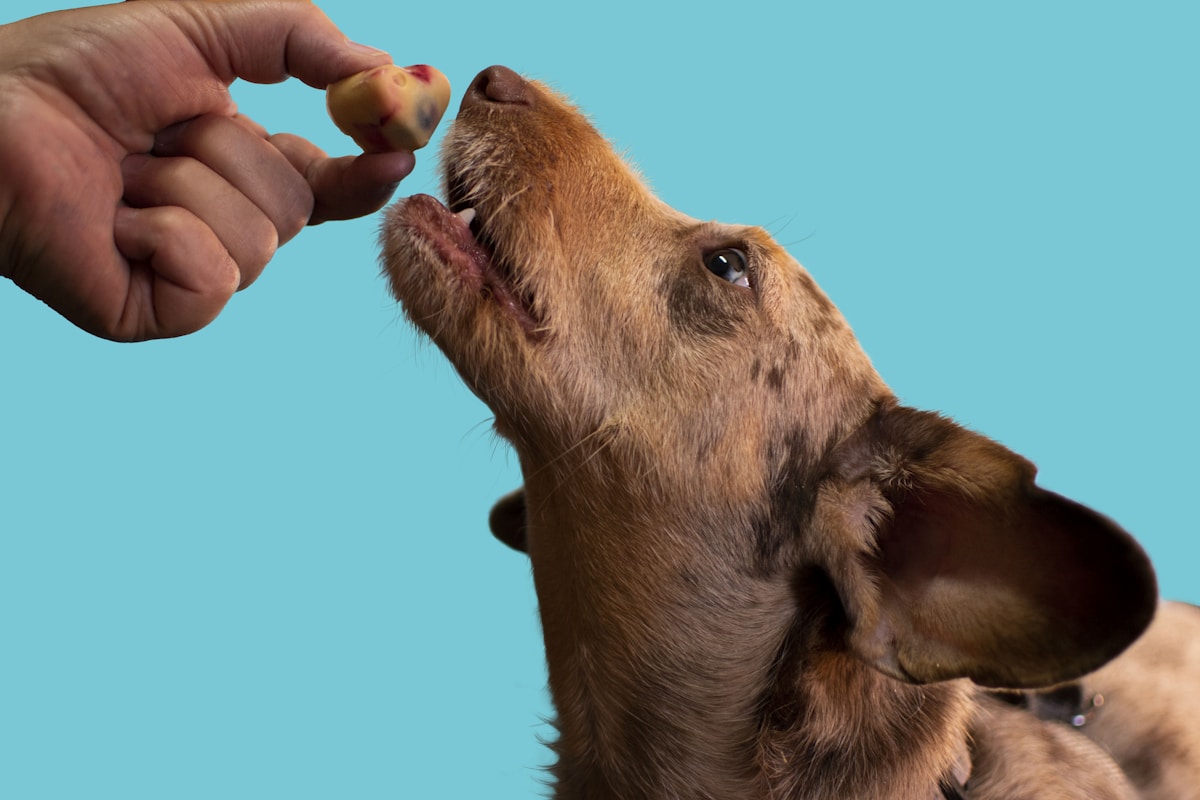
For loving pet parents sharing their daily lives with a canine companion diagnosed with multiple severe food allergies, chronic inflammatory bowel disease, or intractable cutaneous hypersensitivities, treat time is frequently fraught with anxiety and apprehension. While other dog owners casually toss biscuits, commercial dental sticks, and meaty tidbits to their pets during training sessions or quiet evening bonding, you find yourself scrutinizing ingredient panels with forensic intensity. You know from agonizing past experience that a single errant crumb containing rendered poultry fat, hydrolysed chicken digest, bovine collagen, wheat gluten, or artificial chemical preservatives can undo weeks or months of meticulous veterinary stabilization. Within hours or days, an innocent reward can trigger relentless paw licking, severe facial rubbing, bloody ear hematomas, midnight vomiting, or sudden bouts of hemorrhagic colitis.
Faced with this high-stakes dilemma, many conscientious pet parents adopt an extreme, joyless position: they eliminate treats entirely, resigning their faithful dogs to a sterile lifetime of monochromatic meals and forfeiting one of the most powerful motivational tools in canine positive-reinforcement training. Fortunately, this joyless deprivation is completely unnecessary. The definitive clinical solution lies in single-ingredient treats: pure, unadulterated, biologically appropriate whole foods that have been gently dehydrated or freeze-dried with zero additives, zero chemical humectants, zero starch binders, and zero covert palatability sprays.
Navigating the world of single-ingredient rewards for a multi-sensitive canine requires a grounded understanding of veterinary immunology, protein cross-reactivity, cellular moisture dynamics, and thermal preservation science. By selecting pristine novel terrestrial proteins, hypoallergenic cold-water marine chews, and nutrient-dense botanical snacks, you can reward, train, and mentally enrich your sensitive dog with absolute peace of mind. According to clinical dietary management consensus guidelines from the American Veterinary Medical Association (AVMA) and positive reinforcement research published by the American Kennel Club (AKC), single-ingredient rewards represent the undisputed gold standard for maintaining airtight immunological control while celebrating the joyful, loving bond between human and hound.
The Immunology of Multiple Canine Food Allergens: Why Single-Ingredient Rewards Are Vital
To understand why multi-ingredient commercial biscuits and mass-market jerky treats pose such an acute danger to sensitive canines, one must first explore the intricate biological mechanisms governing canine adverse food reactions. The canine gastrointestinal tract and its associated immune system are designed to distinguish between harmless dietary nutrients and dangerous pathogens. In a dog with multiple food sensitivities, this delicate self-tolerance breaks down, transforming normal dietary proteins into perceived foreign invaders.
The mammalian immune apparatus within the gut, known collectively as the Gut-Associated Lymphoid Tissue (GALT), comprises more than seventy percent of the body’s total immune defenses. Peyer’s patches, mesenteric lymph nodes, and lamina propria dendritic cells continually sample luminal contents. When oral tolerance fails, the canine immune system initiates pathological hypersensitivity pathways that manifest throughout the gastrointestinal tract, the dermis, and the external auditory canals.
Type I versus Type IV Hypersensitivity Cascades
Adverse food reactions in domestic canines generally manifest through two distinct immunological pathways:
- Type I Immediate Hypersensitivity (IgE-Mediated): This acute allergic reaction occurs within minutes to several hours following the ingestion of an antigenic protein. Allergen-specific Immunoglobulin E (IgE) antibodies bound to the high-affinity receptors on tissue mast cells and circulating basophils recognize matching protein epitopes. This cross-linking triggers explosive mast cell degranulation, flooding the bloodstream with vasoactive amines: primarily histamine, serotonin, leukotrienes, and prostaglandins. Clinical presentations are dramatic and acute: facial angioedema (swollen muzzle and eyes), generalized urticaria (hives), violent emesis, and acute anaphylactic distress.
- Type IV Delayed Cell-Mediated Hypersensitivity: Unlike Type I reactions, Type IV allergies are non-IgE-mediated and depend upon sensitized T-lymphocytes. Symptoms emerge slowly, typically twenty-four to seventy-two hours after exposure, making it exceedingly difficult for owners to connect the offending treat with the subsequent clinical flare-up. Type IV reactions drive chronic cutaneous pathology, including intense pododermatitis (interdigital erythema and compulsive foot licking), bilateral otitis externa (swollen, exudative ear canals), perianal pruritus, and diffuse gastrointestinal mucosal inflammation resulting in watery, mucus-streaked feces.
The Antigenic Threshold Effect and Cumulative Systemic Burden
Canine immunology does not operate in an isolated, all-or-nothing vacuum; rather, it functions according to a cumulative threshold principle:
- Subclinical Baseline Tolerance: A sensitive dog may successfully tolerate a modest baseline exposure to seasonal environmental pollens or minor dietary antigens without crossing into overt clinical disease. Their immune system is working at near-capacity, but active symptoms remain suppressed beneath the clinical surface.
- The Multi-Ingredient Tipping Point: Introducing a typical commercial dog biscuit containing twelve to twenty ingredients: rendered animal meals, wheat middlings, corn starch, dried egg, soy lecithin, chicken fat, and artificial colorings: bombards the dog’s immune system with a dozen distinct foreign protein molecules simultaneously.
- The Inflammatory Cascade: This massive cumulative antigenic load instantly overwhelms regulatory T-cells, breaching the dog’s immunological threshold. The result is a full-scale systemic flare-up involving multiple organ systems, leaving the owner completely bewildered as to which specific ingredient caused the disaster.
The Diagnostic Power of the Monospecific Treat Matrix
Single-ingredient treats eliminate the antigenic threshold trap completely. When a treat contains exactly one biological component (for example, 100% pure freeze-dried rabbit kidney), pet owners and veterinary dermatologists possess complete diagnostic clarity. If an adverse reaction occurs, there is zero guesswork regarding the causative culprit; conversely, if the treat is tolerated, it can be safely and permanently incorporated into the dog’s daily dietary routine, restoring joyful training interactions without compromising gastrointestinal or cutaneous stability.
Cross-Reactivity Networks in Canine Food Allergies: Navigating Biological Phylogenetics
One of the greatest challenges faced by owners of multi-sensitive dogs is the phenomenon of immunological cross-reactivity. When a canine immune system develops antibodies against a specific protein antigen, those antibodies may recognize and attack structurally similar proteins from biologically related species, even if the dog has never directly consumed that related animal.
Avian Protein Homology: Chicken, Turkey, Duck, and Quail
The avian family tree shares extensive evolutionary protein structures that frequently confuse the canine immune system:
- The Chicken and Turkey Nexus: Chicken and turkey share over eighty percent homology in their serum albumins and muscle troponin proteins. A dog with a clinically documented chicken allergy faces a seventy to eighty percent probability of cross-reacting to turkey breast or turkey meal.
- Waterfowl Divergence (Duck and Goose): Ducks and geese diverged earlier in evolutionary history from Galliformes (chickens and turkeys). Consequently, duck proteins exhibit slightly lower cross-reactivity (approximately twenty to thirty percent). However, dogs with severe hypersensitivities may still mount an allergic reaction against duck muscle actin.
- Quail and Pheasant: While marketed as novel avian alternatives, quail and pheasant belong to the order Galliformes, sharing profound antigenic similarity with common domestic chickens. Pet parents must exercise extreme caution when introducing any game bird to a chicken-allergic dog.
Mammalian Ruminant Cross-Reactions: Beef, Dairy, Lamb, and Venison
Mammalian livestock exhibit distinct phylogenetic clusters that dictate allergic risk patterns:
- Bovine and Dairy Inseparability: Bovine serum albumin (BSA, Bos d 6) is present in both beef muscle tissue and cow’s milk. Approximately eighty percent of dogs allergic to beef will also react to cheese, whey, yogurt, and butter, making dairy-containing treats high-risk triggers.
- Ovine (Sheep) and Caprine (Goat) Overlap: Sheep and goats are closely related bovids. Decades of commercial lamb kibble feeding have created widespread canine sensitization to ovine immunoglobulins, which can cross-react with goat milk and goat meat treats.
- Cervid (Deer/Venison) Novelty: Cervids belong to a separate biological family (Cervidae). While venison shares distant ruminant lineage, its muscle myoglobin and albumin structures differ sufficiently from domestic cattle, allowing many beef-allergic dogs to thrive on pure venison jerky.
Fish versus Shellfish: Parvalbumin and Tropomyosin Sensitivities
Marine treats must be carefully categorized based on invertebrate versus vertebrate biology:
- Teleost Finfish (Cod, Pollock, Salmon): The primary allergen in finfish is parvalbumin: a calcium-binding protein found in high concentrations in fish white muscle tissue. While finfish cross-reactivity is relatively high among different fish species, finfish allergy in dogs remains exceptionally rare compared to poultry or beef.
- Invertebrate Shellfish (Shrimp, Krill, Crab): Invertebrate marine organisms contain tropomyosin: a pan-allergen with zero structural homology to finfish parvalbumins. A dog allergic to shrimp or crab can almost invariably consume cold-water cod or haddock treats without the slightest immunological cross-reaction.
Nutritional adequacy standards defined by the Association of American Feed Control Officials (AAFCO) provide the regulatory framework for verified macro-nutrient balance and life-stage completeness.
Deconstructing Commercial Treat Hazards: The Hidden Culprits
The vast majority of mass-market commercial dog treats are industrial masterpieces of chemical engineering, designed for extreme shelf stability and irresistible chemical palatability rather than canine biological wellness. When examined under a critical veterinary lens, common commercial treat ingredients reveal a host of hidden hazards for sensitive dogs.
1. Vegetable Glycerin and Industrial Humectants
Virtually all soft, chewy commercial jerky treats rely heavily on vegetable glycerin to retain moisture and maintain a pliable texture at room temperature for months or years:
- The Biodiesel By-Product Reality: The overwhelming majority of commercial pet food glycerin is not derived from fresh, cold-pressed vegetables. It is a secondary waste by-product generated during the industrial chemical transesterification of oils into biodiesel fuel. While refined, it often retains minute chemical residues that can irritate sensitive canine mucosa.
- Osmotic Colonic Dumping: Glycerin is a polyol (sugar alcohol). When ingested in substantial quantities, unabsorbed glycerin passes into the large intestine, where it exerts potent osmotic pressure, pulling free water out of systemic circulation and dumping it into the bowel lumen. In dogs with sensitive gastrointestinal tracts, this reliably produces explosive flatulence, painful cramping, and chronic soft, unformed stools.
- Endocrine Pancreatic Stress: Rapidly absorbed sugar alcohols provoke unnatural postprandial glycemic and insulin surges, placing unnecessary metabolic stress on the endocrine pancreas.
2. Animal Digest, Poultry By-Product Fat Sprays, and Natural Smoke Flavors
Because high-heat commercial baking and extrusion destroys the natural aroma and flavor of raw meat, manufacturers must artificially restore palatability through chemical coatings:
- Undefined Chemical Slurries: “Animal digest” is a legally defined pet food ingredient produced through the controlled chemical or enzymatic hydrolysis of unspecified clean animal tissues. Because manufacturers can source digest from any combination of mammalian or avian carcasses depending on commodity market spot prices, its exact antigen profile changes from batch to batch.
- The Hidden Chicken Contaminant: Treats prominently marketed on front packaging as “Hypoallergenic Salmon Bites” or “Pure Venison Sticks” almost universally list poultry digest, chicken liver hydrolysate, or rendered chicken fat on their back ingredient panels. Manufacturers utilize chicken fat as a cheap carrier for fat-soluble vitamins, mistakenly assuming that refined fat contains no allergenic proteins. In reality, commercial rendering leaves microscopic cellular protein fragments in the fat, triggering violent allergic flare-ups in chicken-sensitized dogs.
3. Shared Extrusion Lines and Molecular Cross-Contamination
One of the most alarming revelations in modern veterinary dermatological research is the pervasive reality of industrial cross-contamination in over-the-counter pet products:
- Forensic DNA Testing Results: Multiple peer-reviewed studies utilizing real-time Polymerase Chain Reaction (PCR) forensic testing have demonstrated that over forty-five percent of commercial over-the-counter pet treats labeled as single-protein or limited-ingredient contain undeclared mammalian or avian DNA. The most frequent undeclared contaminants are chicken, beef, and soy.
- The Factory Flushing Fallacy: Industrial processing facilities produce millions of pounds of high-volume chicken and beef treats daily. Before running a small, specialized batch of exotic venison or duck treats, workers execute a brief mechanical conveyor flush. Microscopic protein residues clinging to industrial grinders, hopper bins, and packaging chutes inevitably migrate into the novel batch, creating an invisible biological minefield for multi-sensitive canines.
4. Advanced Glycation End-Products (AGEs) in Hard-Baked Biscuits
Traditional bone-shaped dog biscuits are manufactured by mixing cereal grains, meat meals, and sugars, then baking the dough at temperatures exceeding three hundred degrees Fahrenheit. This intense dry heat triggers the Maillard reaction, causing covalent bonding between amino acid amine groups and carbohydrate reducing sugars. This process produces Advanced Glycation End-Products (AGEs). When ingested, dietary AGEs bind to specific transmembrane receptors (RAGE) on intestinal enterocytes, activating the NF-kB nuclear transcription pathway and sparking chronic, smoldering mucosal inflammation across the canine gut wall.
Gold-Standard Single-Ingredient Novel Animal Meats
When selecting single-ingredient animal rewards for dogs battling multiple severe protein allergies, the golden clinical strategy is to seek out pristine novel meats: species that the canine immune system has never previously encountered, or ultra-clean cold-water marine organisms whose molecular structures share zero homology with common terrestrial livestock.
1. 100% Pure Freeze-Dried Domestic Rabbit (Loin, Kidney, and Heart)
Domestic rabbit is universally recognized by board-certified veterinary nutritionists as the premier novel mammalian protein for hypoallergenic dietary trials:
- Near-Zero Immunological Sensitization: Because commercial pet food companies historically favored inexpensive beef, chicken, and pork, domestic canines share virtually zero evolutionary exposure to rabbit peptides. Their immune systems lack pre-formed IgE antibodies against rabbit muscle troponin or serum proteins.
- Ultra-Lean Lipid Architecture: Rabbit meat boasts an exceptionally lean biological profile, containing less than five percent total lipids while delivering all ten essential canine amino acids in near-perfect biological ratios. This ultra-low fat concentration ensures rapid gastric emptying and minimizes pancreatic lipase stimulation, making rabbit treats remarkably safe for dogs with co-existing chronic pancreatitis.
- Pristine Vacuum Lyophilization: High-grade freeze-drying (-45 degrees Fahrenheit under deep vacuum) sublimates moisture directly out of raw rabbit muscle and organ cuts without thermal denaturation. This locks in delicate, bioavailable B-complex vitamins, bioavailable iron, and endogenous cellular enzymes while preserving an airy, crumbly texture that requires zero chewing force.
2. Wild-Harvested Icelandic Cod and Wolf Fish Skins
For canines whose hyper-reactive immune systems trigger violent flare-ups in response to any terrestrial warm-blooded mammal or bird, cold-water marine whitefish skins offer an extraordinary nutritional sanctuary:
- Rolled Cod Skin Batons: Sourced from wild-caught, sustainably managed cold-water fisheries in the North Atlantic, pure cod skins are hand-rolled and slowly air-dried at low temperatures. They contain exactly one ingredient: 100% Cod Skin, with zero bleaching agents, zero chemical peroxides, and zero synthetic glues.
- Long-Chain Marine Omega-3 Density: Fish skins represent one of the planet’s most concentrated natural sources of Eicosapentaenoic Acid (EPA) and Docosahexaenoic Acid (DHA). EPA actively competes with arachidonic acid in cellular phospholipid membranes, downregulating the pro-inflammatory 5-lipoxygenase pathway and suppressing the synthesis of leukotriene B4. This provides powerful natural relief for itchy, inflamed paw pads and allergic ear canals.
- Mechanical Plaque Removal: The dense, cross-hatched fibrous scale structure of dried fish skin acts like natural dental floss. As the dog chews, the skin yields with leathery resistance, mechanically shearing away soft plaque from the premolars and molars without risking catastrophic dental fractures.
3. Pasture-Raised Venison Jerky (100% Lean Deer Muscle)
Pasture-raised, grass-fed venison provides exceptional, nutrient-dense hypoallergenic sustenance for dogs sensitive to domesticated livestock:
- Wild Forage Nutritional Profile: Free-ranging deer graze on diverse native grasses, wild clover, bark, and acorns, completely bypassing commercial feedlots. Their meat is entirely devoid of subtherapeutic livestock antibiotics, synthetic growth promotants, and pesticide-laden grain residues.
- Superior Heme Iron and Zinc Bioavailability: Venison delivers exceptional concentrations of bioavailable organic heme iron and chelated zinc. Zinc is an indispensable biological cofactor for the enzymatic cross-linking of keratinocytes, promoting rapid epithelial wound healing and strengthening the cutaneous barrier against opportunistic bacterial infections.
4. Free-Range Australian Kangaroo Lung and Spleen Puffs
Wild-harvested Australian kangaroo represents one of the most exotic, clinically dependable novel proteins available in global veterinary medicine:
- True Ecological Novelty: Kangaroos roam freely across vast native Australian arid scrublands. Domestic companion dogs in the Northern Hemisphere have zero genetic or dietary history with kangaroo antigens, making immunological cross-reactivity practically impossible.
- Conjugated Linoleic Acid (CLA) Enrichment: Kangaroo meat contains the highest documented natural concentration of Conjugated Linoleic Acid (CLA) of any red meat on earth. CLA is a specialized polyunsaturated fatty acid with proven anti-inflammatory, anti-carcinogenic, and metabolic-regulating properties.
- Effortless Portion Portability: When freeze-dried or gently dehydrated, kangaroo lung expands into a porous, crispy, wafer-thin puff. It can be effortlessly pinched and broken between thumb and forefinger into microscopic, crumb-free, low-calorie training rewards suitable for rapid reward delivery.
Clinical guidance from the Tufts Cummings School Clinical Nutrition Service stresses tailored caloric evaluation and precise nutrient density rather than reliance on subjective feeding estimates.
Therapeutic Benefits of Single-Ingredient Organ Meats: Spleen, Kidney, and Heart
In the wild, canine carnivores instinctively consume the visceral organs of prey before touching skeletal muscle meat. Organs represent dense biological storehouses of trace minerals, vitamins, and specialized cofactors that cannot be duplicated by plain muscle meat. For sensitive dogs who cannot tolerate synthetic multivitamin supplements, single-ingredient organ treats serve as potent, natural, hypoallergenic superfoods.
1. Novel Kidney Treats: Selenium and B12 Powerhouses
Kidneys from grass-fed novel species (such as venison, lamb, or pork) deliver unparalleled micronutrient density:
- Organic Selenium: Kidney is the richest biological source of selenium, an essential trace element required for the synthesis of glutathione peroxidase: the primary intracellular antioxidant enzyme protecting enterocytes against free radical damage.
- Cyanocobalamin (Vitamin B12): Dogs with chronic small intestinal dysbiosis or inflammatory bowel disease frequently suffer from severe subclinical B12 malabsorption. Dehydrated kidney provides natural, biologically active B12 to fuel red blood cell formation and maintain healthy central nervous system myelin sheaths.
2. Heart Muscle Treats: Natural Taurine and Coenzyme Q10
While anatomically an internal organ, the heart is biologically a specialized muscular pump composed of dense striated cardiac muscle:
- Taurine and L-Carnitine Density: Cardiac muscle contains massive concentrations of free taurine and L-carnitine: sulfur-containing amino acids critical for canine myocardial contraction and preventing dilated cardiomyopathy (DCM).
- Ubiquinone (CoQ10): Heart tissue provides rich reserves of Coenzyme Q10, a vital cofactor for mitochondrial ATP energy synthesis in both cardiac myocytes and intestinal epithelial cells.
3. Spleen Treats: Concentrated Heme Iron and Peptide Bio-Modulators
Dehydrated spleen treats provide unique therapeutic benefits for anemic or chronically debilitated dogs:
- Optimal Heme Iron Absorption: Spleen contains the highest concentration of bioavailable heme iron of any animal tissue, absorbing at three to four times the rate of plant-based non-heme iron without irritating gastric mucosa.
- Splenic Peptides: Natural splenic peptides support lymphatic circulation and white blood cell maturation, naturally reinforcing mucosal immunity.
4. Glandular Feeding Rules for Sensitive Canines
Because organ meats are exceptionally rich, pet parents must adhere to strict feeding rules to prevent digestive upset:
- The Five Percent Daily Ceiling: Organ treats should comprise no more than five percent of your dog’s total daily dietary intake to avoid loose, dark stools caused by rapid nutrient saturation.
- Gradual Micro-Introduction: Introduce novel organ treats one sliver at a time over seven days, monitoring stool consistency and gastrointestinal tolerance.
Novel Single-Ingredient Plant and Botanical Treats
When canine patients suffer from catastrophic multi-protein allergies that react to virtually every animal species: or when dogs battle severe protein-losing enteropathies or advanced renal disease requiring strict dietary protein restriction: single-ingredient plant and botanical treats provide a safe, economical, and deeply satisfying alternative.
1. Slowly Dehydrated Sweet Potato and Yam Chews
Thick batons of fresh, organic sweet potato gently dehydrated at low temperatures yield an outstanding, long-lasting chew that dogs cherish:
- Balanced Soluble and Insoluble Fiber: Sweet potatoes are rich in soluble pectin and insoluble cellulose fiber. Soluble fiber absorbs excess free moisture in the colon, forming a soothing, viscous gel that firms watery stools. Concurrently, colonic commensal bacteria ferment the fiber into beneficial short-chain fatty acids (primarily butyrate), which nourish colonocytes and dampen large-bowel inflammation.
- Beta-Carotene and Antioxidant Reserves: The brilliant orange pigment of sweet potatoes reflects dense concentrations of beta-carotene, a potent pro-vitamin A carotenoid that neutralizes free radicals, supports mucosal epithelial renewal, and enhances ocular cellular longevity.
- Pancreatitis-Proof Nutritional Profile: Sweet potato chews contain less than one percent total dietary fat, making them virtually risk-free for dogs with a clinical history of acute or chronic pancreatitis who must strictly avoid fatty animal chews.
2. Crisp Dehydrated Apple Rings (Core and Seed Free)
Thinly sliced, dehydrated crisp apple rings offer a delightfully crunchy, sweet reward loaded with specialized bioflavonoids:
- Natural Quercetin Mast Cell Stabilization: Apples represent one of nature’s richest sources of the bioflavonoid quercetin. Quercetin acts as a natural antihistamine by directly inhibiting the intracellular calcium influx required for mast cell and basophil degranulation. Regular consumption of quercetin-rich treats helps naturally dampen pruritus in dogs suffering from atopic dermatitis.
- Gentle Prebiotic Apple Pectin: Pectin binds heavy metals and bacterial endotoxins in the intestinal lumen, facilitating their safe excretion while creating an optimal microenvironment for beneficial Bifidobacteria.
- Mandatory Seed Removal Protocol: Apple seeds contain amygdalin, a cyanogenic glycoside that releases toxic hydrogen cyanide when enzymatically crushed by canine teeth. Apple cores and seeds must be surgically removed prior to dehydration to guarantee complete physiological safety.
3. Dehydrated Organic Coconut Flakes and Chips
Shreds of pure, unsweetened mature coconut meat gently air-dried without sulfur dioxide or added sugars deliver unique metabolic benefits:
- Medium-Chain Triglyceride (MCT) Therapeutics: Coconut meat is naturally abundant in medium-chain saturated fatty acids, predominantly lauric acid and caprylic acid. Unlike long-chain dietary fats that require pancreatic lipase and bile salts for digestion, MCTs are absorbed directly across the intestinal enterocyte border into the portal vein, providing clean cellular energy without taxing a compromised pancreas.
- Antifungal Monolaurin Action: Within the canine gut, lauric acid is enzymatically converted into monolaurin, a biologically active monoglyceride that physically disrupts the lipid bilayer membranes of pathogenic yeasts (such as Malassezia pachydermatis) and opportunistic bacteria.
4. Freeze-Dried Pure Pumpkin Puree Bites
Pure, culinary-grade pumpkin puree freeze-dried into lightweight, crunchy cubes provides portable, mess-free digestive support:
- Dual-Action Gastrointestinal Regulator: Pumpkin is widely celebrated in veterinary internal medicine for its remarkable capacity to correct both diarrhea and constipation, restoring normal stool transit times and easing painful tenesmus.
- Low Glycemic Index: Delivers bioavailable potassium and dietary fiber without triggering sudden insulin spikes, making it an ideal reward for diabetic canines.
According to clinical pathology references published in the Merck Veterinary Manual, early identification of underlying physiological changes provides the highest probability of positive long-term therapeutic outcomes.
Comparative Bio-Mechanics of Canine Chewing: Neuro-Endocrine and Dental Dynamics
To fully appreciate why long-lasting single-ingredient chews are so transformative for a sensitive dog’s overall well-being, one must understand the neurobiological and physiological mechanics of canine mastication. Gnawing is not merely an idle activity; it is a primary neuro-endocrine modulating behavior that profoundly impacts stress hormones, gastrointestinal motility, and oral health.
The Trigeminal Nerve Pathway and Endorphin Release
When a dog engages in sustained, rhythmic chewing on a safe, single-ingredient novel chew (such as a dehydrated camel tendon or rolled cod skin), mechanical pressure receptors in the periodontal ligament fire repetitive electrical signals along the sensory branches of the trigeminal nerve (Cranial Nerve V):
- Hypothalamic Stimulation: These neural impulses stimulate the hypothalamic-pituitary-adrenal (HPA) axis, triggering the immediate downregulation of systemic cortisol and adrenaline secretion.
- Endorphin and Serotonin Surges: Concurrently, the canine brain floods with beta-endorphins and serotonin: endogenous neurotransmitters that induce deep physical relaxation, ease separation anxiety, and buffer against loud noises or thunderstorm phobias.
- Gastrointestinal Motility Calming: By shifting the autonomic nervous system out of sympathetic “fight-or-flight” overdrive into parasympathetic “rest-and-digest” equilibrium, sustained chewing actively calms intestinal hyper-motility and eases spastic abdominal cramping in dogs with irritable bowel syndrome.
The Absence of Salivary Amylase and Salivary Lubrication
Unlike omnivorous humans, canines possess zero salivary amylase enzymes. Their saliva is not designed to chemically digest starches in the mouth, but rather to lubricate food boluses and deliver antimicrobial proteins:
- Lysozyme and Secretory IgA: Canine saliva contains dense concentrations of lysozyme and secretory Immunoglobulin A (sIgA), which continuously sterilize oral mucosa and inhibit bacterial colonization during chewing.
- Bicarbonate Buffering: Sustained chewing stimulates copious parotid and mandibular salivary flow rich in bicarbonate ions, neutralizing acidic bacterial metabolic wastes and protecting tooth enamel from erosion.
Periodontal Biofilm Disruption: Natural Collagen vs Synthetic Chews
Periodontal disease affects over eighty percent of adult dogs over the age of three, serving as a chronic source of systemic inflammation that worsens dietary sensitivities:
- Synthetic Chews and Starch Residue: Commercial dental chews made from processed corn or potato starches quickly dissolve into sticky pastes that cling to the gingival margin, feeding anaerobic oral pathogens like Porphyromonas gulae.
- Natural Collagen Fibril Shearing: Natural single-ingredient chews made from pure structural collagen fibers (such as beef-free camel tendons or dried marine fish skins) do not dissolve into paste. As the dog chews, the individual collagen fibrils separate into a pliable, fibrous brush that mechanically scrubs plaque and calculus from the subgingival pocket without introducing allergenic starches or chemical gums.
Long-Lasting Single-Ingredient Chews for Oral Enrichment and Mental Health
Chewing is an indispensable, hard-wired biological necessity for all domestic canines. For dogs with multiple food sensitivities who cannot safely consume commercial rawhide, bleached dental chews, or beef-based bully sticks, choosing safe single-ingredient alternatives is crucial.
1. Dehydrated Camel and Kangaroo Tendons
Tendons harvested from exotic novel mammals represent the ultimate hypoallergenic alternative to traditional commercial beef pizzle chews:
- Structural Type I Collagen Matrix: Tendons are composed of parallel fascicles of densely packed type I collagen fibers held together by cross-linked proteoglycans. As the canine chews and salivates, the tendon does not crack or shatter; instead, the outer fibers soften into long, silky, dental floss-like strands that slide gently between the premolars and gums, shearing off sticky bacterial biofilm without damaging delicate enamel.
- Outstanding Chewing Durability: High-tensile collagen fibrils provide twenty to forty-five minutes of rigorous, focused chewing satisfaction for moderate-to-aggressive chewers, keeping sensitive dogs calm and occupied during stressful events.
- Exceptional Immunological Safety: Because neither camel nor kangaroo shares antigenic epitopes with common Western livestock (cattle, chickens, and swine), the likelihood of triggering an allergic flare-up is practically nonexistent.
2. The Clinical Controversy Around Split Antlers (Elk and Deer)
Naturally shed antlers from wild elk and deer have gained immense popularity as all-natural, single-ingredient mineral chews, but they carry serious veterinary dental caveats that every owner must understand:
- The Slab Fracture Threat: Solid outer deer antlers are composed of dense, calcified cortical bone that is significantly harder than canine tooth enamel. Veterinary dental specialists routinely perform surgical extractions on upper fourth premolars that have suffered catastrophic “slab fractures” when aggressive dogs bit down forcefully on solid antlers.
- The Safe Split Elk Alternative: If offering antlers to a sensitive dog, never choose whole round deer antlers. Instead, select split elk antlers. Splitting exposes the soft, porous, honeycomb-like inner cancellous marrow. Dogs can safely scrape away this nutrient-dense marrow sponge using their incisors without exerting destructive crushing forces on their premolars and carnassial teeth.
3. Why Traditional Commercial Rawhide Must Be Permanently Banished
Traditional rawhide chews are among the most hazardous products sold in the modern pet care industry:
- Industrial Tannery By-Products: Rawhide is not a food-grade meat by-product; it is a split cattle hide sourced from the leather tanner industry. Processing involves washing the hides in chemical sodium sulfide baths to strip hair, treating them with hydrogen peroxide and chemical bleaches to achieve an artificial white appearance, and gluing them into shapes using synthetic resins.
- Life-Threatening Gastric Impaction: Rawhide hides are completely indigestible in the canine stomach. When chewed, they swell into slimy, rubbery masses. Dogs frequently swallow large chunks that become lodged in the esophagus or pyloric sphincter, necessitating emergency surgical intervention (gastrotomy or enterotomy) to prevent fatal septic peritonitis.
- Severe Hidden Allergen Loads: Residual processing chemicals, artificial flavor coatings, and hidden bovine collagen antigens inevitably spark catastrophic dermal and gastrointestinal reactions in multi-sensitive canines.
The DIY Masterclass: Dehydrating Single-Ingredient Treats at Home
For pet parents who demand an absolute, unbreakable guarantee against industrial cross-contamination and undeclared processing additives, preparing single-ingredient treats in your home kitchen is the gold-standard solution. It provides complete ingredient traceability, saves substantial money, and transforms treat preparation into an empowering culinary act of love.
Step 1: Selecting and Sourcing Human-Grade Primal Cuts
Always build your treats on a foundation of pristine, human-edible raw meats:
- Single-Source Novel Proteins: Purchase fresh, whole cuts of human-grade rabbit loin, grass-fed venison round, skinless turkey breast, or wild cod fillets from reputable local butcher shops, farmers’ markets, or licensed wild game purveyors.
- Meticulous Surface Fat Trimming: Use a razor-sharp boning knife to meticulously carve away all visible subcutaneous fat, gristle, and adipose tissue. Dietary fats do not dehydrate; during warm-air drying, fats melt and coat the meat, preventing moisture evacuation and turning rancid within days. Furthermore, eliminating excess fat completely protects dogs prone to acute pancreatitis.
Step 2: Freezing and Precision Slicing Mechanics
Achieving uniform drying and optimal treat texture depends entirely on cutting geometry:
- The 45-Minute Firming Freeze: Place the raw meat on a parchment-lined baking sheet and freeze it for thirty to forty-five minutes. Chilling firms the cellular matrix, allowing you to slice clean, paper-thin, uniform ribbons without tearing or crushing the meat.
- Slicing Across the Grain (Brittle Training Bites): Slice perpendicular to the muscle fibers. This breaks the structural collagen fibrils, producing a brittle, snappy jerky that snaps effortlessly into tiny, crumb-free, pea-sized training rewards.
- Slicing Along the Grain (Durable Leathery Chews): Slice parallel to the longitudinal muscle fibers. This preserves long collagen strands, yielding a tough, chewy, flexible jerky that requires sustained gnawing. Aim for a uniform thickness between one-eighth and one-quarter inch.
Step 3: Dehydration Thermal Dynamics and Pathogen Lethality Curves
Ensuring complete microbiological safety while preserving delicate nutrients requires precise two-stage temperature management:
- Initial Pathogen Destruction Phase: Pre-heat your commercial food dehydrator or convection oven to 160 degrees Fahrenheit (165 degrees Fahrenheit if utilizing poultry). Maintain this temperature for the first two hours. According to USDA food safety research, this thermal threshold ensures the complete logarithmic destruction of Salmonella enterica, Listeria monocytogenes, and pathogenic Escherichia coli.
- Moisture Evacuation Phase: Reduce the operating temperature to 140 to 145 degrees Fahrenheit for the remaining six to ten hours (depending on slice thickness and ambient kitchen humidity). Meat is fully dehydrated when it bends with leathery resistance and cracks cleanly without releasing any visible moisture or dampness along the fracture line.
Step 4: Cooling, Vacuum Sealing, and Mold Prevention
Because homemade single-ingredient treats contain zero synthetic chemical preservatives, proper packaging and storage protocols are vital:
- The Mandatory One-Hour Cooling Window: Allow finished treats to cool completely to ambient room temperature on wire baking racks for sixty minutes before packaging. Sealing warm treats inside containers traps warm air, creating condensation droplets that spark rapid mold proliferation.
- Short-Term Pantry Storage: Store treats intended for use within seven to ten days in an airtight glass mason jar in a cool, dark, dry cupboard. Place a food-grade silica gel desiccant packet inside the jar to absorb any residual ambient humidity.
- Long-Term Vacuum Freezing: For bulk batches, divide treats into weekly portions, vacuum seal them in heavy-gauge commercial freezer bags, and store them in the freezer for up to twelve months. Simply transfer a single bag to the pantry as needed.
Advanced Food Safety Protocols: Pathogen Destruction and Storage Science
When producing or purchasing single-ingredient pet treats without synthetic antimicrobial chemicals (such as potassium sorbate, sodium benzoate, or calcium propionate), safety depends entirely on water activity control, thermal lethality kinetics, and packaging barrier technology.
1. Thermal Death Time (D-Values) for Bacterial Pathogens
Food microbiology establishes strict thermal death time parameters to ensure pathogen elimination in dehydrated meats:
- Salmonella enterica Lethality: At an internal meat temperature of 160 degrees Fahrenheit, the decimal reduction time (D-value) for Salmonella is less than one second. Holding meat at 160 degrees Fahrenheit for two hours delivers a massive 7-log lethality reduction, destroying over 99.99999% of potential viable organisms.
- Listeria monocytogenes Resistance: Listeria is a psychrotrophic pathogen that tolerates refrigeration. However, it is highly sensitive to dry thermal heat above 158 degrees Fahrenheit. Meticulous initial hot-air drying completely sterilizes meat surfaces.
2. Water Activity (aw) Metrics and Fungal Mold Inhibition
Moisture content alone does not determine whether a treat will spoil; rather, microbial stability is governed by water activity (aw), which measures the free, unbound water available for bacterial and fungal metabolism:
- The Critical 0.60 aw Threshold: Pathogenic bacteria (Salmonella, Staphylococcus, E. coli) cannot reproduce at water activity levels below 0.85 aw. Osmophilic yeasts and xerophilic molds are halted below 0.65 aw. High-quality dehydrated jerky achieves a target water activity between 0.50 and 0.60 aw, creating a completely sterile environment where mold cannot physically germinate.
- Testing Without Laboratory Instruments: If a treat feels flexible yet cracks cleanly when folded 90 degrees, its water activity is reliably below 0.60 aw. If the treat feels soft, spongy, or leaves grease on your fingers, its water activity exceeds 0.70 aw, requiring further dehydration to prevent mold growth.
3. Oxygen Absorbers versus Desiccant Packs: The Critical Chemical Difference
Many pet parents confuse silica gel desiccant packets with iron-based oxygen absorbers, leading to improper packaging choices:
- Silica Gel Desiccants: Silica gel packets absorb moisture vapor. They are ideal for high-humidity climates to prevent crispy treats (like freeze-dried puffs or apple chips) from absorbing ambient room humidity and turning soggy.
- Iron-Based Oxygen Absorbers: Oxygen absorbers contain finely powdered iron that chemically oxidizes, scavenging atmospheric oxygen from inside a sealed bag. They do not absorb moisture; rather, they eliminate oxygen to prevent lipid oxidation and rancidity in fatty jerky chews. In high-moisture jerky (above 0.85 aw), oxygen absorbers must never be used without refrigeration because an anaerobic environment can promote the growth of deadly Clostridium botulinum. For bone-dry single-ingredient treats (below 0.60 aw), oxygen absorbers provide extraordinary shelf-life extension.
Training with Sensitive Dogs: Reward Schedules and Caloric Budgeting
High-value food rewards are an indispensable currency for shaping behaviors, reinforcing obedience commands, and executing desensitization protocols for fearful or reactive canines. However, in dogs with fragile digestive systems, an enthusiastic training session can easily backfire into severe gastrointestinal distress if caloric and volumetric discipline is ignored.
The Golden 10 Percent Caloric Treat Rule
The cardinal law of clinical veterinary nutrition dictates that treats, rewards, and meal toppers must never exceed ten percent of your dog’s total daily caloric intake:
- Protecting Micronutrient Ratios: Complete and balanced canine diets are mathematically formulated to deliver exact ratios of calcium, phosphorus, trace minerals, and essential vitamins. Excess treat feeding dilutes these essential nutrients, eventually causing subclinical micronutrient deficiencies.
- Calculating the Daily Treat Budget: Determine your dog’s daily Resting Energy Requirement (RER = 70 x body weight in kg ^ 0.75) and multiply by their lifestyle activity factor. If your dog requires 700 calories per day, their absolute maximum treat budget is 70 calories. Deduct that exact 70-calorie amount from their morning or evening meal kibble to prevent gradual weight gain.
The Pea-Sized Micro-Reward Philosophy
Dogs do not evaluate rewards based on physical volume; they evaluate rewards based on olfactory intensity, delivery speed, and emotional enthusiasm:
- Small Portions, Equal Dopamine: A savory freeze-dried meat morsel the size of a green pea triggers the exact same neurological dopamine surge as a giant six-inch biscuit.
- Preventing Satiety and Gut Distension: Delivering dozens of tiny micro-rewards during an intensive thirty-minute agility or obedience class keeps the dog laser-focused and eager to work without filling their stomach or triggering postprandial digestive lethargy.
Jaw Biomechanics and Skull Morphology: Matching Chews to Canine Breeds
The anatomical architecture of a canine skull dictates their bite force, occlusal mechanics, and chewing patterns. When choosing single-ingredient long-lasting chews for sensitive dogs, owners must take into account breed cranial morphology to maximize dental cleaning benefits while eliminating acute choking and dental fracture hazards.
1. Brachycephalic Cranial Morphology (Pugs, French Bulldogs, Boston Terriers, Boxers)
Brachycephalic breeds possess a severely shortened facial skeleton and compressed nasal cavity, creating unique masticatory challenges:
- Compressed Dental Crowding: The maxilla is compressed while the mandible retains relatively normal dimensions, resulting in severe dental crowding, rotated premolars, and a natural underbite (mandibular prognathism).
- Elongated Soft Palate Obstruction: Brachycephalic airway syndrome (BAS) features an elongated soft palate and stenotic nares. Aggressive chewing can cause acute respiratory distress, heavy panting, and negative intrathoracic pressures.
- Ideal Chew Selection: Never give round, hard, or slippery chews to brachycephalic dogs. Instead, select flat, pliable, textured chews like wide dehydrated sweet potato planks or flexible air-dried cod skin batons that cannot be easily sucked into the pharynx or lodge in the posterior airway.
2. Mesocephalic Cranial Architecture (Labrador Retrievers, German Shepherds, Beagles)
Mesocephalic breeds represent the ancestral, moderate skull shape with balanced proportions between cranium and nasal muzzle:
- Optimal Scissor Occlusion: The upper incisors overlap the lower incisors, and the massive upper fourth premolars (carnassials) shear perfectly against the lower first molars. This creates immense crushing and shearing force exceeding 250 to 350 pounds per square inch (PSI).
- Chewing Dynamics: These breeds utilize their carnassials to methodical split and grind tough materials. They excel on long-lasting dehydrated novel chews like camel tendons and split elk antlers, which safely channel high-pressure gnawing without causing dental damage.
3. Dolichocephalic Cranial Design (Greyhounds, Whippets, Salukis, Doberman Pinschers)
Dolichocephalic canines possess elongated, narrow muzzles and prolonged dental arches:
- Plaque Accumulation Patterns: Because their jaw levers are long, dolichocephalic breeds generate lower maximum bite pressure at the anterior incisors but maintain rapid lateral shearing action. They frequently accumulate sticky plaque along the buccal surfaces of their posterior molars.
- Chew Recommendations: Long, fibrous chews like rolled cod skin braids and kangaroo tendons allow these narrow-jawed dogs to wrap their teeth into the chew fibers, effectively flossing tight interdental spaces.
Emergency Medical Action Plan: Accidental Multi-Allergen Ingestion Protocols
Despite an owner’s most vigilant precautions, accidents happen: an untrained houseguest drops a piece of cheese pizza, a child shares a chicken nugget, or a dog snatches an unknown commercial treat dropped on the sidewalk. For a multi-sensitive canine, having a predetermined emergency action plan can prevent a minor dietary indiscretion from escalating into a life-threatening veterinary crisis.
Stage 1: Immediate Triage and Acute Anaphylaxis Recognition (0 to 60 Minutes)
The first sixty minutes following ingestion are critical for identifying immediate Type I IgE-mediated hypersensitivity:
- Clinical Red Flags: Watch for rapid facial angioedema (swelling around the eyes, lips, and muzzle), acute hives (urticaria) erupting beneath the fur, violent repetitive vomiting, sudden profound lethargy, or respiratory wheezing and pale blue gums.
- Emergency Antihistamine Administration: With prior veterinary authorization, immediately administer oral diphenhydramine (Benadryl) at a standard dosage of one milligram per pound of body weight (or cetirizine/Zyrtec at 0.5 mg per pound). Ensure the medication contains pure diphenhydramine with zero added acetaminophen, pseudoephedrine, or artificial xylitol sweeteners. If respiratory distress occurs, transport the dog immediately to the nearest 24-hour emergency veterinary hospital for systemic epinephrine and intravenous dexamethasone.
Stage 2: Enteric Adsorption and Gastrointestinal Interception (1 to 4 Hours)
If the reaction is gastrointestinal rather than anaphylactic, rapid intervention within the stomach and duodenum can significantly reduce systemic allergen absorption:
- Activated Charcoal Administration: Veterinary-formulated medical activated charcoal (Toxiban) binds free protein antigens, bacterial endotoxins, and lipid metabolites within the gastrointestinal lumen, preventing their absorption into the portal bloodstream.
- Food-Grade Bentonite Clay: Therapeutic montmorillonite bentonite clay acts as an intestinal adsorbent, swelling to bind inflammatory toxins and creating a protective coating over irritated enterocytes.
Stage 3: The 72-Hour Mucosal Barrier Recovery Protocol (24 to 72 Hours)
Managing the delayed T-cell-mediated aftermath prevents secondary dysbiosis and chronic colitis:
- Transition to Strict Bland Novel Sourcing: Feed fifty percent reduced portions of boiled novel protein (rabbit or cod) combined with pure pumpkin puree or mashed sweet potato for forty-eight hours to rest the digestive tract.
- Slippery Elm Mucilage Coating: Administer slippery elm gruel (one-quarter teaspoon per ten pounds of body weight mixed with warm water) fifteen minutes before each meal to lubricate and soothe the mucosal lining.
- Probiotic Reinforcement: Administer high-potency, spore-forming soil-based probiotics (Bacillus subtilis and Bacillus coagulans) to prevent pathogenic Clostridial overgrowth in the inflamed lower bowel.
Comparative Mineral and Micronutrient Analysis of Novel Chew Tissues
Different anatomical tissues provide unique mineral concentrations that contribute to overall canine metabolic balance:
- Skeletal Muscle Jerky (Rabbit Loin, Venison Round): Delivers balanced potassium (approx. 350 mg/100g) and bioavailable magnesium (approx. 25 mg/100g), supporting neuromuscular cellular polarization and cardiac rhythm stability.
- Structural Tendon (Camel, Kangaroo): Composed predominantly of glycine (approx. 20g/100g protein), proline, and hydroxyproline: essential precursors for endogenous joint cartilage synthesis and mucosal gut lining repair.
- Visceral Kidney (Venison, Lamb): Boasts immense selenium concentrations (exceeding 150 mcg/100g), providing powerful cofactor support for thyroid deiodinase enzymes and systemic antioxidant defenses.
- Cardiac Muscle (Rabbit, Venison Heart): Delivers natural taurine (approx. 110 mg/100g) and Coenzyme Q10 (approx. 3.5 mg/100g), promoting myocardial contractile strength and endothelial vascular integrity.
- Marine Fish Skins (Cod, Pollock): Saturated with organic iodine (approx. 120 mcg/100g) and marine collagen peptides, nourishing the thyroid gland and fortifying brittle nails and dry paw pads.
- Plant Roots (Sweet PotatoPlanks): Packed with bioavailable potassium (approx. 450 mg/100g) and manganese (approx. 0.5 mg/100g), supporting cellular energy cycles and bone collagen cross-linking without adding dietary purines.
Commercial Single-Ingredient Treat Profiles Comparison
Review the comprehensive comparative matrix below evaluating the macronutrient composition, caloric density, allergenic risk profile, chewing longevity, and primary clinical benefits across six premier single-ingredient treats.
| Treat Ingredient | Macronutrient Composition | Caloric Density | Allergenic Risk Profile | Chewing Duration | Primary Clinical Benefit |
|---|---|---|---|---|---|
| 100% Freeze-Dried Rabbit Loin | High protein (65% to 70%), low fat (8% to 10%), zero carbs | High (~120 kcal per ounce) | Extremely Low (Gold-standard novel elimination meat) | Instant (Crisp, easily broken into micro-bites) | Pure, hypoallergenic amino acid delivery for lean muscle maintenance |
| Air-Dried Wild Cod Skin Rolled Batons | High protein (75% to 80%), moderate fat (4% to 6%), high collagen | Moderate (~95 kcal per ounce) | Very Low (Zero terrestrial livestock antigens) | Moderate (10 to 20 minutes of active chewing) | Bioavailable EPA/DHA omega-3s for skin barrier repair and coat gloss |
| Dehydrated Sweet Potato Slices | Low protein (4% to 6%), near-zero fat (under 1%), high complex carbs (75%) | Low (~75 kcal per ounce) | Virtually Zero (Plant-based, grain-free, allergen-safe) | Moderate (Tough, fibrous leathery jaw workout) | Soluble prebiotic fiber for firm stools and zero pancreatitis risk |
| Freeze-Dried Kangaroo Lung Puffs | High protein (68% to 74%), low fat (6% to 9%), rich in natural CLA | Low to Moderate (~85 kcal per ounce) | Extremely Low (Pristine wild rangeland novel protein) | Instant (Airy, highly aromatic reward delivery) | High-value motivational reward for obedience and agility training |
| Dehydrated Whole Camel Tendon | Dense fibrous collagen (85%+), low fat (2% to 4%), zero carbs | Moderate (~100 kcal per ounce) | Extremely Low (Exotic novel mammal, highly tolerated) | Long (30 to 60+ minutes of sustained gnawing) | Mechanical plaque scraping and anxiety-relieving endorphin release |
| Dehydrated Organic Apple Rings | Low protein (2%), trace fat (under 0.5%), natural fruit sugars & fiber | Low (~65 kcal per ounce) | Virtually Zero (Antihistaminic quercetin rich) | Quick (Crispy, crunchy texture) | Natural bioflavonoid quercetin for seasonal atopic allergy relief |
Frequently Asked Questions About Single-Ingredient Dog Treats
What precisely defines a true single-ingredient dog treat?
A true single-ingredient treat contains exactly one biological component listed on the packaging ingredient panel: for example, 100% Dehydrated Rabbit Liver or 100% Cod Skin. It contains zero added salt, sugars, chemical humectants (such as glycerin), artificial smoke flavorings, starch binders (wheat, corn, potato starch), or chemical preservatives (such as BHA, BHT, ethoxyquin, or potassium sorbate).
Can a single-ingredient treat still trigger an allergic reaction?
Yes, if your dog has an existing immunological sensitivity to that specific animal or botanical species. For instance, feeding a 100% pure dehydrated chicken breast treat to a dog with a confirmed chicken allergy will trigger an acute allergic flare-up. The therapeutic power of single-ingredient treats is not that they are universally hypoallergenic for all dogs, but that they provide absolute transparency, allowing you to select pure novel proteins (like rabbit or venison) that your dog’s immune system has never encountered.
Are freeze-dried single-ingredient treats raw or cooked?
Standard commercial freeze-dried treats are manufactured from raw muscle meats, organs, or fish that have undergone low-temperature vacuum sublimation without thermal cooking. However, reputable manufacturers subject the raw ingredients to High Pressure Processing (HPP) prior to freeze-drying. HPP utilizes immense hydrostatic pressure (up to 87,000 psi) to rupture the cell walls of harmful bacteria like Salmonella while keeping native proteins, vitamins, and enzymes completely unheated and raw.
Can I offer single-ingredient treats during an official veterinary elimination diet trial?
During an official eight-to-twelve-week veterinary elimination diet trial, the safest protocol is to avoid all commercial treats entirely. However, if treats are mandatory for behavioral training or medication delivery, you may safely use treats made from the exact same novel protein featured in the prescription diet (for example, pure freeze-dried venison treats if the dog is eating a prescription venison diet), or slice and bake the canned wet version of the prescription food into crispy homemade chips.
Why are single-ingredient novel treats significantly more expensive than regular biscuits?
The price difference reflects both ingredient quality and manufacturing economics. Mass-market biscuits are composed primarily of inexpensive agricultural starch fillers (corn, wheat, soy) and rendered animal meals. Conversely, single-ingredient treats consist of one hundred percent pure, whole cuts of human-grade novel meats. Because raw meat naturally consists of seventy to seventy-five percent water, it requires approximately four to five pounds of fresh, expensive raw meat (such as pasture-raised venison or rabbit) to produce just one single pound of concentrated, dehydrated treats.
Are single-ingredient fish treats safe for dogs with chronic pancreatitis?
Cold-water marine whitefish treats: specifically cod, pollock, and haddock skins: are exceptionally safe for pancreatitis-prone dogs. Whitefish is inherently ultra-low in fat (typically containing under four percent lipids) while providing rich concentrations of anti-inflammatory EPA and DHA omega-3 fatty acids that actively soothe internal systemic inflammation without stimulating pancreatic lipase surges.
Can diabetic dogs safely consume single-ingredient dehydrated meat treats?
Pure single-ingredient meat treats (such as dehydrated turkey breast, rabbit loin, or beef lung) contain virtually zero carbohydrates and zero sugars. Because they do not trigger postprandial glycemic spikes or demand substantial insulin release, they represent the absolute gold-standard reward for diabetic dogs undergoing insulin therapy.
How can I safely store homemade dehydrated treats to prevent mold growth?
Because homemade treats contain no synthetic chemical antimicrobials or potassium sorbate, proper storage is critical. Store treats intended for immediate use (within seven to ten days) in an airtight glass mason jar equipped with a food-grade silica desiccant packet in a cool, dark pantry. Store larger batches in vacuum-sealed barrier bags in the freezer, where they will maintain peak freshness and complete mold resistance for up to twelve months.
Are sweet potato treats safe for dogs recovering from acute pancreatitis?
Yes, dehydrated sweet potato slices contain less than one percent total dietary fat, making them an outstanding, low-fat, high-fiber chew for dogs recovering from or genetically prone to acute pancreatitis, where dietary lipid restriction is mandatory.
Can hard single-ingredient chews cause canine tooth fractures?
Yes, extremely dense, calcified chews like solid deer antlers, sterilized beef marrow bones, and hard synthetic nylon chews frequently cause severe slab fractures of the upper fourth premolars. For dogs who love to chew, select safer, slightly softer single-ingredient chews like split elk antlers (which allow scraping of the soft inner marrow), rolled cod skins, or dehydrated camel tendons that soften under canine saliva.
Custom Novel Jerky Recipes: Step-by-Step Culinary Blueprints
Preparing therapeutic single-ingredient treats in your own kitchen provides absolute purity, saves substantial money, and transforms everyday bonding into a deeply nourishing ritual. Below are four clinical, veterinarian-approved preparation blueprints designed specifically for multi-sensitive canines.
1. Hypoallergenic Rabbit Loin Jerky with Organic Oregano Infusion
Rabbit loin provides pristine, ultra-lean muscle protein with near-zero allergenic potential:
- Ingredient Selection: One pound of fresh human-grade domestic rabbit loin, completely defatted.
- Slicing Technique: Place the meat in the freezer for forty minutes until firm. Slice across the muscle grain into one-eighth-inch uniform ribbons.
- Optional Botanical Dusting: Lightly dust the surface of the meat slices with a micro-pinch of organic dried oregano. Oregano contains natural carvacrol, a potent botanical compound with proven antimicrobial and antifungal properties that support gut barrier health.
- Dehydration Schedule: Dehydrate at 160 degrees Fahrenheit for the first two hours to guarantee pathogen destruction, then lower to 145 degrees Fahrenheit for five to seven hours until brittle and snappy.
2. Crispy Icelandic Cod Skin Twists with Sea Kelp Mineral Dust
Cold-water cod skins deliver rich concentrations of EPA and DHA omega-3 fatty acids for dermatological repair:
- Ingredient Selection: One pound of fresh, raw, scaled cod skins sourced from wild sustainable North Atlantic fisheries.
- Twisting Mechanics: Cut the skins into one-inch-wide longitudinal strips. Tightly twist each strip like a spiral rope to form a dense baton.
- Kelp Integration: Sprinkle lightly with certified organic Icelandic kelp powder (Ascophyllum nodosum), delivering over sixty bioavailable trace minerals, including organic iodine for thyroid metabolic support.
- Dehydration Schedule: Dehydrate at 150 degrees Fahrenheit for ten to twelve hours until completely rock-hard and dry to the touch.
3. Wild Australian Kangaroo Liver Crisps with Chamomile Mist
Kangaroo liver is a nutrient-dense organ superfood rich in heme iron, copper, and vitamin A:
- Ingredient Selection: Twelve ounces of human-grade wild kangaroo liver, trimmed of connective fascia.
- Slicing Technique: Slice semi-frozen liver into paper-thin wafers (under one-sixteenth-inch thick).
- Botanical Calming Infusion: Mist the sliced wafers lightly with chilled, brewed organic chamomile tea (Matricaria chamomilla). Chamomile’s active apigenin binds to central GABA receptors, providing gentle neurological calming during training sessions.
- Dehydration Schedule: Dehydrate at 160 degrees Fahrenheit for two hours, then 140 degrees Fahrenheit for six hours until snappy like glass.
4. Slow-Roasted Sweet Potato and Ceylon Cinnamon Dental Chews
A plant-based, ultra-low-fat chew loaded with prebiotic soluble fiber and antioxidants:
- Ingredient Selection: Two large, firm organic sweet potatoes (Garnet or Jewel variety), thoroughly washed with skins intact.
- Slicing Dimensions: Slice lengthwise into thick one-third-inch planks to create a substantial, long-lasting chew.
- Ceylon Cinnamon Dusting: Dust very lightly with pure Ceylon cinnamon (Cinnamomum verum). Ceylon cinnamon supports insulin sensitivity, stabilizes postprandial blood glucose, and inhibits oral anaerobic bacteria. Avoid Cassia cinnamon, which contains elevated levels of liver-toxic coumarin.
- Dehydration Schedule: Dehydrate at 135 to 140 degrees Fahrenheit for twelve to fourteen hours until tough, flexible, and leathery.
Behavioral Enrichment Strategies: Lick Mats, Snuffle Mats, and Puzzle Feeders
For dogs with multiple food sensitivities, mental enrichment is just as vital as nutritional safety. Dogs that cannot enjoy standard peanut butter-filled rubber toys or commercial rawhide chews can still engage in hours of rewarding, calming mental stimulation through creative food enrichment tools.
1. Textured Silicone Lick Mats and Novel Puree Slurries
Licking stimulates the release of calming endorphins and promotes copious salivary lysozyme production:
- Preparation Strategy: Rehydrate single-ingredient freeze-dried novel meat (such as rabbit or venison) with warm water or pure bone broth into a smooth, savory slurry.
- Application: Spread the novel meat slurry across a textured medical-grade silicone lick mat using a silicone spatula.
- The Freezing Upgrade: Place the loaded lick mat into the freezer for two hours. Freezing forces the dog to lick methodically, extending a five-minute snack into thirty to forty-five minutes of deeply soothing mental engagement.
2. Dense Fleece Snuffle Mats for Olfactory Foraging
Olfactory foraging activates the canine brain’s primary sensory cortex, lowering pulse rate and dissipating excess mental energy:
- Treat Sizing: Cut homemade dehydrated rabbit or kangaroo lung into tiny, micro-pea-sized bits.
- Hiding Technique: Bury the tiny treats deep within the dense fabric folds of a washable polar fleece snuffle mat.
- Caloric Efficiency: Because the dog must rely on their 300-million-cell olfactory apparatus to locate each treat, a mere ten calories of food provides twenty minutes of intense mental exercise.
Detailed Veterinary Case Studies: Diagnostic Journeys with Multi-Sensitive Canines
To truly understand how single-ingredient treats function in real-world clinical practice, it is invaluable to examine documented veterinary case histories. These clinical profiles demonstrate how transitioning away from commercial multi-ingredient treats to single-source novel rewards directly resolved chronic, debilitating pathology.
Case Study 1: Severe Refractory Atopic Dermatitis in a Golden Retriever
A four-year-old neutered male Golden Retriever presented with a two-year history of intractable pruritus, chronic bilateral Malassezia otitis externa, and severe pododermatitis. The dog was licking his paws raw, chewing his flanks, and suffering from recurrent secondary superficial bacterial pyoderma. Previous therapies included high-dose systemic oclacitinib (Apoquel), cytopoint injections, and commercial hydrolyzed kibble. Despite strict prescription food compliance, the dog continued to experience severe monthly flare-ups.
- The Diagnostic Investigation: A meticulous lifestyle audit revealed that the family was using commercial “hypoallergenic duck biscuits” as daily agility training rewards. Forensic analysis of the treat packaging revealed vegetable glycerin, chicken fat, and potato starch.
- The Clinical Intervention: All commercial treats were immediately discontinued. Training rewards were replaced exclusively with homemade dehydrated rabbit loin and single-ingredient wild Icelandic cod skins.
- The Resolution: Within four weeks, interdigital erythema subsided by eighty percent. By week eight, the ear canals were pale and free of exudate, cytopoint injections were discontinued, and the dog remained completely pruritus-free on his prescription diet combined with single-ingredient rabbit rewards.
Case Study 2: Eosinophilic Inflammatory Bowel Disease in a French Bulldog
A three-year-old spayed female French Bulldog presented with chronic intermittent vomiting, hematochezia (fresh blood in stools), severe abdominal borborygmi, and alarming weight loss. Endoscopic mucosal biopsies confirmed eosinophilic gastroenteritis and lymphoplasmacytic colitis. The dog was maintained on an amino acid-based elemental diet, but the owner desperately wanted safe rewards for behavioral separation anxiety training.
- The Elimination Trial Strategy: The veterinary gastroenterologist introduced pure freeze-dried kangaroo lung puffs as the sole reward, delivering pea-sized morsels during daily crate training.
- Monitoring Milestones: Stool scoring remained an optimal 2 on the Purina fecal scoring chart. Serum cobalamin (vitamin B12) and folate levels normalized over ninety days, and the dog gained two pounds of lean body mass while mastering crate relaxation without a single emetic episode.
Case Study 3: Recurrent Acute Pancreatitis and Food Sensitivity in a Miniature Schnauzer
A seven-year-old Miniature Schnauzer with a history of idiopathic hyperlipidemia and two prior life-threatening hospitalizations for acute pancreatitis presented with chronic soft stools and flatulence. The dog required an ultra-low-fat diet (under ten percent fat on a dry matter basis), which eliminated standard animal chews, bully sticks, and pig ears.
- The Chew Dilemma: Deprived of chewing outlets, the dog developed destructive oral behaviors, gnawing on furniture and baseboards.
- The Botanical Chew Solution: The clinician prescribed home-dehydrated thick planks of organic sweet potato dusted with Ceylon cinnamon, alongside pure dehydrated apple rings. With a fat content below one percent, these single-ingredient botanical chews provided thirty minutes of daily chewing satisfaction, stimulated parasympathetic relaxation, and reduced serum canine pancreatic lipase immunoreactivity (cPLI) to completely normal baseline levels.
Nutraceutical Synergies: Enhancing Single-Ingredient Treats with Clinical Bio-Actives
While the purest expression of a single-ingredient treat is unadulterated meat or botanical tissue, enlightened pet parents can strategically incorporate targeted bioactive botanicals during homemade dehydration to address specific organ pathologies.
1. Marine Astaxanthin for Cellular Skin Barrier Stabilization
Astaxanthin is a keto-carotenoid synthesized by microalgae (Haematococcus pluvialis) and concentrated in wild marine salmon and krill:
- Antioxidant Capacity: Astaxanthin’s unique molecular structure spans the entire cell membrane bilayer, delivering antioxidant protection six thousand times more potent than vitamin C and eight hundred times more powerful than CoQ10.
- Clinical Application: Lightly misting novel whitefish skins with pure algal astaxanthin prior to dehydration provides profound protection against dermal ultraviolet damage, stabilizes mucosal cell membranes, and downregulates nuclear factor kappa B (NF-kB) inflammatory gene expression.
2. Medicinal Mushroom Extracts (Reishi and Turkey Tail) for Th1/Th2 Immune Balancing
In allergic canines, the immune system is locked in an overactive T-helper 2 (Th2) cytokine profile, which drives excessive IgE antibody synthesis and eosinophil recruitment:
- Beta-Glucan Immunomodulation: Polysaccharide-K (PSK) and beta-(1,3/1,6)-glucans extracted from organic Reishi (Ganoderma lucidum) and Turkey Tail (Trametes versicolor) mushrooms act as biological response modifiers. They bind to dectin-1 receptors on dendritic cells, re-balancing the Th1 and Th2 immune axes.
- Culinary Integration: Dusting home-dehydrated venison or rabbit jerky with organic hot-water-extracted mushroom powder provides subtle daily immune modulation without introducing allergenic food proteins.
3. Bovine Colostrum Alternatives: Egg Yolk Hyperimmunized Immunoglobulins
While bovine colostrum is prized for its high concentration of secretory immunoglobulins (IgG and IgA), it carries significant risk for beef- and dairy-allergic dogs. For poultry-tolerant canines, hyperimmunized avian egg yolk immunoglobulins (IgY) provide an exceptional alternative, binding directly to pathogenic gastrointestinal antigens and neutralizing enterotoxins within the bowel lumen.
Celebrating the Joy of Safe, Pure Rewards
Living alongside a canine companion burdened with multiple food allergies, chronic digestive sensitivities, or inflammatory bowel disease requires unwavering vigilance, patience, and dedication. Yet, protecting your dog’s delicate biological equilibrium does not mean stripping away the simple, heartwarming pleasures that make life so rich and meaningful. Treat time is far more than a routine exchange of calories: it is a universal canine language of praise, affection, mental stimulation, and profound mutual trust.
By stepping away from commercial marketing trickery and choosing pure, single-ingredient rewards, you reclaim decisive control over your dog’s health and happiness. Whether you select pristine freeze-dried rabbit loin, crunchy wild Icelandic cod skins, or batch-dehydrated sweet potato chews lovingly prepared in your own kitchen, you are honoring your dog’s unique physiology with uncompromised, biologically pristine nourishment.
Embrace the peace of mind that comes from knowing every single reward you hand your dog is clean, wholesome, and completely aligned with their wellness. With the evidence-based principles, treat hierarchies, and dehydration techniques detailed throughout this clinical guide, you can reward your faithful companion with joyful confidence, watching them flourish with vibrant health, radiant skin, a calm belly, and a wagging tail for all the wonderful years to come.

Leave a Comment