

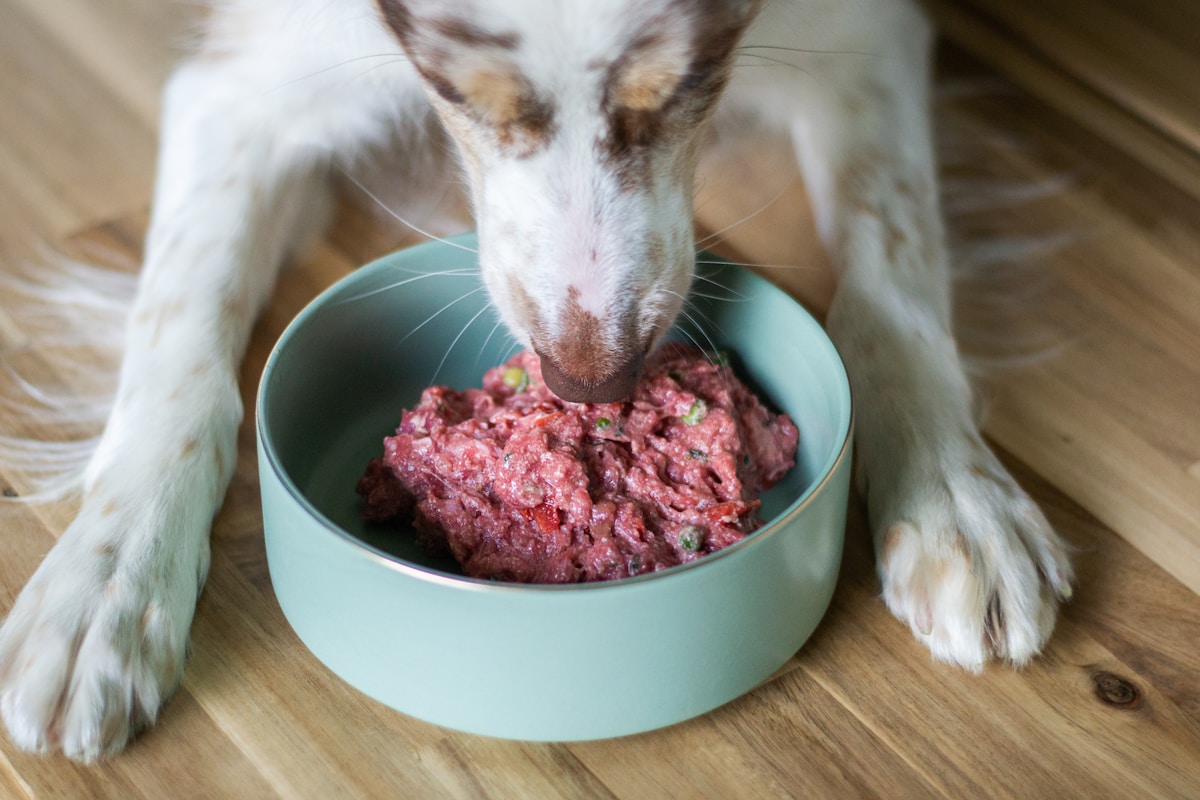
For millions of devoted dog owners, mealtime has ceased to be a simple ritual of nourishment and joy, transforming instead into a high-stakes source of daily anxiety. You stand in the kitchen carefully scooping food into a bowl, watching your canine companion with a cautious eye. Will this meal settle peacefully, or will it trigger an all-too-familiar cascade of digestive misery: explosive stomach gurgling, noxious flatulence, early morning bile vomiting, or watery, unformed stools in the backyard? You have tried switching brands, alternating between grain-free and whole-grain formulas, and adding pure pumpkin puree, yet your dog’s gastrointestinal tract remains hypersensitive, reactive, and unpredictable.
Faced with a dog suffering from chronic digestive fragility, many well-meaning pet parents mistakenly blame dietary carbohydrates, grains, or synthetic preservatives. While grain quality certainly matters, veterinary nutritional science reveals a far more fundamental biological reality: the primary trigger for both gastrointestinal intolerances and cutaneous food allergies in canines is almost invariably the dietary protein source. Protein is the indispensable structural foundation of the canine diet, required to synthesize muscle tissue, enzymes, antibodies, and cellular membranes. Yet, paradoxical as it may seem, the complex molecular structure of animal proteins is precisely what can destabilize a compromised digestive system, sparking chronic mucosal inflammation, delayed gastric emptying, and severe intestinal dysbiosis.
Restoring lasting gastrointestinal harmony to a dog with a sensitive stomach requires a scientific understanding of protein biochemistry, digestive physiology, and nutritional immunology. Not all proteins are created equal: they vary dramatically in their molecular weight, amino acid digestibility, biological value, and immunological antigenicity. By replacing common, high-risk conventional meats with easily digestible novel proteins, novel marine sources, hypoallergenic insect peptides, or medically hydrolyzed formulations, you can provide complete nutritional fuel while completely shielding your dog’s delicate gut. According to veterinary clinical nutrition guidelines from the American Veterinary Medical Association (AVMA) and breed dietary profiles from the American Kennel Club (AKC), targeted protein selection is the single most effective therapeutic intervention for chronic gastrointestinal disorders.
Bio-Chemistry of Canine Protein Digestion and Absorption
To understand why certain protein sources irritate a dog’s stomach while others soothe it, one must first explore the complex biochemical mechanics of canine protein digestion. Dietary proteins are immense, highly folded macromolecules composed of linear chains of amino acids linked together by peptide bonds. In their native state, proteins possess distinct tertiary and quaternary three-dimensional conformations, with molecular weights ranging from tens of thousands to hundreds of thousands of Daltons.
Canines are evolutionary carnivores equipped with an anatomical digestive tract engineered for rapid, highly acidic protein breakdown. The digestive cascade proceeds through tightly coordinated enzymatic stages:
- Gastric Acid Denaturation: Parietal cells in the stomach wall pump concentrated hydrochloric acid, creating an intensely acidic gastric environment with a pH between 1.5 and 2.0. This extreme acidity denatures complex protein molecules, unfolding their tight three-dimensional structures into linear chains.
- Pepsin Cleavage: Gastric acid activates the zymogen pepsinogen into pepsin, an aggressive endopeptidase that cleaves long protein chains into smaller polypeptide fragments.
- Pancreatic Proteolytic Enzymes: As chyme enters the duodenum, the pancreas secretes neutralizing bicarbonate alongside trypsin, chymotrypsin, and carboxypeptidases to chop polypeptides into oligopeptides and free amino acids.
- Brush Border Hydrolysis: Microvillar aminopeptidases lining small intestinal enterocytes complete the breakdown, allowing single amino acids and tiny dipeptides to be absorbed into the portal bloodstream.
The Pathology of the Sensitive Stomach and Leaky Gut
In a healthy dog, this enzymatic cascade is remarkably efficient. However, when a dog suffers from a sensitive stomach, the mucosal barrier is fundamentally compromised:
- Enterocyte Junction Loosening: Subclinical mucosal inflammation degrades the tight junction proteins (claudins and occludins) that seal the spaces between intestinal lining cells.
- Macromolecular Penetration: Intact, large-molecular-weight protein fragments slip across the permeable epithelial barrier directly into the underlying lamina propria.
- GALT Activation: The Gut-Associated Lymphoid Tissue (GALT), housing over seventy percent of the canine immune system, identifies these intact protein molecules as foreign invaders.
- Mast Cell Degranulation: Plasma B-cells produce allergen-specific Immunoglobulin E (IgE) antibodies that bind to mast cells. Subsequent protein exposure cross-links these antibodies, triggering the explosive release of histamine, leukotrienes, and prostaglandins that induce abdominal cramping, nausea, fluid dumping, and diarrhea.
The Most Common Protein Allergens in Commercial Pet Foods
Extensive epidemiological research published by veterinary dermatologists and gastroenterologists identifies three common protein sources as responsible for over seventy-five percent of all documented canine adverse food reactions:
1. Chicken: The Consequence of Generational Overexposure
Chicken is the single most prevalent dietary allergen in domestic canines worldwide. This high antigenicity is not due to an inherent toxin in poultry, but rather four decades of commercial pet food overexposure:
- Ubiquitous Commercial Use: Commercial manufacturers utilize chicken meal, rendered poultry by-products, chicken fat, and chicken digest in virtually every mass-market puppy, adult, and senior food.
- Early Immunological Sensitization: Consuming chicken continuously from puppyhood weaning causes canine immune systems to develop widespread IgE sensitization to chicken serum albumin and muscle troponin.
- Hidden Poultry Ingredients: Many commercial foods marketed as lamb or salmon secretly contain unlisted chicken fat or poultry hydrolysates as cheap flavor enhancers.
2. Beef: Bovine Serum Albumin and Fibrous Collagen
Beef represents the second most common dietary trigger for canine gastrointestinal and dermatological allergies:
- Complex Molecular Weight: Bovine muscle proteins (particularly bovine serum albumin, Bos d 6, and myoglobin) possess massive, complex molecular structures that resist rapid enzymatic breakdown in dogs with low gastric acid output.
- High Connective Tissue Collagen: Rendered commercial beef meals contain elevated percentages of tough connective tissue, lowering biological digestibility and fueling foul-smelling bacterial fermentation in the colon.
3. Dairy Products: The Dual Threat of Casein and Lactose
Cow’s milk, whey protein, and cheeses create severe gastrointestinal distress through two distinct biological pathways:
- Adult Lactose Intolerance: Canines experience a rapid, genetically programmed decline in lactase enzyme synthesis following puppyhood weaning. Undigested milk sugars draw massive amounts of water into the bowel through osmotic action, causing watery diarrhea.
- Immunological Casein Sensitivity: Dairy proteins (casein and beta-lactoglobulin) act as potent antigens, triggering acute allergic mast cell degranulation and severe intestinal spasms.
Nutritional adequacy standards defined by the Association of American Feed Control Officials (AAFCO) provide the regulatory framework for verified macro-nutrient balance and life-stage completeness.
Novel Mammalian Red Meats: Venison, Kangaroo, and Wild Boar
In veterinary clinical nutrition, a protein is designated as novel if an individual dog’s immune system has never previously ingested or encountered it. Because allergic reactions require prior immunological sensitization, a truly novel protein cannot trigger allergic mast cell activation.
1. Venison (Deer Meat): Ultra-Lean and High Biological Value
Venison represents an exceptional therapeutic protein source for dogs recovering from gastrointestinal inflammation:
- Biological Value: Venison delivers a Biological Value approaching eighty to eighty-five percent, providing an optimal profile of all ten essential canine amino acids.
- Ultra-Low Lipid Profile: Venison naturally contains only two to four percent total fat, compared to fifteen to twenty percent in commercial beef. Dietary fats stimulate the release of cholecystokinin (CCK) in the duodenum, which significantly delays gastric emptying. In dogs prone to bilious vomiting, gastric reflux, or nausea, venison’s low fat content ensures rapid, effortless gastric clearance.
- Pasture-Raised Quality: Sourced primarily from free-ranging deer herds, venison is free from commercial feedlot antibiotics and growth hormone residues.
2. Australian Kangaroo: The Hypoallergenic Champion
Kangaroo meat is widely celebrated by veterinary gastroenterologists as the most hypoallergenic novel red meat available on the global market:
- True Novel Antigen: Sourced from wild-harvested rangelands in Australia, domestic canines share zero evolutionary exposure to kangaroo peptides.
- Conjugated Linoleic Acid (CLA): Kangaroo boasts the highest natural concentration of CLA of any red meat: a specialized fatty acid with proven mucosal anti-inflammatory properties that actively soothes inflamed enterocytes.
Marine Proteins: Cold-Water Whitefish versus Oily Fish
Cold-water marine whitefish: Pacific Cod, Alaskan Pollock, Haddock, and Flounder: is universally recognized as the gentlest animal protein on earth for the canine digestive tract.
The Structural Advantages of Whitefish Muscle
The cellular architecture of marine whitefish differs profoundly from mammalian red meats:
- Short Muscle Myotomes: Whitefish muscle fibers are exceptionally short and delicate, separated by thin sheets of connective tissue called myocommata rather than tough mammalian collagen sheaths.
- Rapid Enzymatic Dissolution: Gastric pepsin and hydrochloric acid break down whitefish protein in less than half the time required for mammalian red meat, resulting in effortless digestion and zero stomach heaviness.
- Minimal Residue Fermentation: Whitefish delivers an outstanding in vitro digestibility exceeding ninety percent, leaving minimal unabsorbed nitrogenous waste to reach the colon and provoke noxious flatulence.
- Lean Whitefish versus Salmon: While salmon is prized for its omega-3 fatty acids, its high fat content (ten to fifteen percent) can flare subclinical pancreatitis or induce loose stools in dogs with sensitive stomachs. Lean whitefish provides pure, hypoallergenic protein with less than one percent total fat.
Global feeding recommendations established by the World Small Animal Veterinary Association (WSAVA) emphasize manufacturer transparency, rigorous quality assurance, and validated nutritional research.
Revolutionary Novel Invertebrates: Black Soldier Fly Larvae (BSFL)
While feeding insect protein was once considered unconventional, Black Soldier Fly Larvae (Hermetia illucens) represents one of the greatest scientific breakthroughs in hypoallergenic veterinary nutrition.
Nutritional Immunology of Insect Peptides
Because companion dogs have zero evolutionary history of commercial insect consumption, their immune systems possess zero pre-existing antibodies against insect proteins:
- Complete Amino Acid Completeness: BSFL meal matches or exceeds the amino acid score of high-grade poultry, delivering an exceptional protein digestibility of eighty-seven to eighty-nine percent.
- Lauric Acid Antimicrobial Shield: BSFL lipids are uniquely rich in Lauric Acid (C12:0), a medium-chain fatty acid with powerful natural antimicrobial and anti-inflammatory properties that suppresses pathogenic gut bacteria (such as Clostridium perfringens) while nourishing beneficial enterocytes.
- Sustainable Eco-Purity: Insect farming requires zero antibiotics, synthetic growth chemicals, or chemical fertilizers, yielding an ultra-pure therapeutic protein base.
Prescription Hydrolyzed Diets: The Molecular Standard
For canine patients with refractory, severe inflammatory bowel disease (IBD) or multi-protein sensitivities, prescription hydrolyzed diets represent the medical gold standard.
The Physics of Enzymatic Hydrolysis
In hydrolyzed diets (such as Royal Canin Anallergenic, Hill’s z/d, or Purina Pro Plan HA), intact animal or soy proteins undergo advanced industrial enzymatic hydrolysis:
- Molecular Weight Reduction: Proteolytic enzymes cleave long peptide chains into microscopic fragments, yielding peptides with molecular weights strictly below 10,000 Daltons (with advanced diets averaging below 1,000 Daltons).
- Bypassing the IgE Allergic Receptor: To trigger an allergic mast cell degranulation, an intact protein molecule must be large enough to physically bridge and cross-link two adjacent IgE antibodies on the mast cell membrane. Peptides below 10,000 Daltons are physically too small to bridge these receptors.
- Total Immune Invisibility: A dog with a severe, life-threatening allergy to chicken can consume a chicken-feather-derived hydrolyzed diet with zero immune activation: the immune system simply cannot see the microscopic peptides.
Clinical guidance from the Tufts Cummings School Clinical Nutrition Service stresses tailored caloric evaluation and precise nutrient density rather than reliance on subjective feeding estimates.
Executing the Gold-Standard Diagnostic Elimination Diet Trial
To accurately identify and eliminate your dog’s food triggers, pet parents must follow the scientifically validated elimination diet protocol rather than relying on commercial blood or saliva tests.
The Flaw of Commercial Allergy Testing
Consensus statements from the American College of Veterinary Dermatology and the International Committee on Allergic Diseases of Animals confirm that commercial canine saliva, hair, and blood IgE allergy tests are scientifically invalid, producing rampant false positives and false negatives. A strict dietary elimination trial remains the only gold-standard diagnostic method.
The Strict Eight-to-Twelve-Week Protocol
- Select a Single Therapeutic Protein: Partner with your veterinarian to choose a prescription hydrolyzed diet or a veterinary-formulated single novel protein (such as venison or kangaroo) that your dog has never consumed in its lifetime.
- Absolute Uncompromised Dietary Strictness: For eight to twelve consecutive weeks, your dog must consume strictly the selected therapeutic food and fresh water. Not a single piece of human table food, flavored rawhide, training biscuit, dental chew, gelatin-coated medication, or flavored heartworm preventative can pass their lips. A single dropped crumb of cheese can trigger a mast cell cascade that resets the diagnostic clock back to day one.
- Symptom Resolution Phase: Monitor gastrointestinal acoustics, stool quality, and cutaneous scratching. In true adverse food reactions, gastrointestinal symptoms typically resolve within four to six weeks, while skin lesions resolve within eight to twelve weeks.
- The Provocation Challenge Phase: To definitively confirm which protein was the offending allergen, reintroduce a single conventional protein (such as pure boiled chicken breast) for fourteen consecutive days. If stomach gurgling, vomiting, or loose stools return within forty-eight to seventy-two hours, that specific protein is permanently unmasked as the allergen and permanently banished from your dog’s diet.
Nutritional Mucosal Healers: L-Glutamine and Marine Omega-3s
Beyond selecting an easily digestible protein source, supporting cellular mucosal repair accelerates gut healing:
- L-Glutamine Cellular Fuel: L-Glutamine is an amino acid that serves as the primary metabolic fuel source for rapidly dividing intestinal enterocytes. Supplementing with pure pharmaceutical-grade L-glutamine fuels cellular mitosis, accelerates the closure of loose tight junctions, and actively reverses leaky gut syndrome within four to six weeks.
- Marine EPA and DHA Omega-3 Fatty Acids: High-potency marine fish oil delivers eicosapentaenoic acid (EPA) and docosahexaenoic acid (DHA). These long-chain fatty acids displace inflammatory arachidonic acid in enterocyte cell membranes, suppressing the synthesis of pro-inflammatory prostaglandins and leukotrienes, calming mucosal redness and soothing gut spasms.
- Zinc Carnosine: Enhances mucosal epithelial repair and stabilizes the gastric mucosal barrier against acid irritation.
Home Food Transition Protocols and Label Vigilance
Never switch a dog with a sensitive stomach to a new therapeutic diet abruptly from one day to the next. Sudden dietary changes overwhelm unadapted digestive enzymes and destabilize the microbiome, triggering acute osmotic diarrhea.
The Safe Seven-to-Ten-Day Transition Schedule
- Days 1 and 2: 25 percent new therapeutic food mixed with 75 percent current food.
- Days 3 and 4: 50 percent new therapeutic food mixed with 50 percent current food.
- Days 5 and 6: 75 percent new therapeutic food mixed with 25 percent current food.
- Day 7 Onward: 100 percent new therapeutic food.
Label Vigilance and Shared Manufacturing Cross-Contamination
Multiple independent molecular DNA studies evaluating commercial over-the-counter pet foods labeled as single-protein or hypoallergenic revealed that over forty percent contained undeclared poultry or beef DNA. This contamination occurs due to shared industrial extrusion equipment and improper cleaning between production batches. Dogs with severe, hypersensitive digestive tracts require prescription veterinary diets manufactured under strict pharmaceutical-grade sanitization protocols to ensure zero cross-contamination.
Molecular Weight Cleavage in Enzymatically Hydrolyzed Feather and Soy Peptides
Canine cutaneous adverse food reactions (CAFR) occur when intact dietary protein macromolecules bind to specific IgE antibodies on mucosal mast cells, triggering histamine and cytokine release. Hydrolyzed diets bypass this immune recognition by using enzymatic hydrolysis to cleave intact protein structures into ultra-small peptide chains below 3,000 Daltons.
Because immune mast cells require larger molecular structures to cross-link and activate an allergic cascade, these hydrolyzed fragments slip past the mucosal immune barrier entirely unnoticed. Diets based on hydrolyzed poultry feather meal or hydrolyzed soy represent the gold standard diagnostic tool for refractory food allergies.
Novel Animal Proteins: Comparative Antigenicity of Kangaroo, Venison, and Alligator
For guardians seeking whole-food alternatives, novel single-source animal proteins offer a proven therapeutic pathway. A protein is considered immunologically novel only if the specific canine immune system has never previously encountered its biological amino acid sequence.
Exotic meats such as free-range Australian kangaroo, wild-caught venison, and farm-raised alligator feature distinct antigenic profiles that rarely cross-react with common commercial proteins like chicken, beef, or dairy. Sourcing unadulterated single-species cuts ensures the elimination of hidden allergen contamination.
Rigorous Eight-Week Elimination Diet Trial Protocols: Eliminating Dietary Cross-Contact
Diagnosing true food allergy requires an uncompromising eight to twelve-week strict elimination diet trial. During this period, the canine must consume exclusively the prescribed novel or hydrolyzed veterinary formulation, with all commercial treats, table scraps, flavored chew toys, and gelatin-coated medications strictly eliminated.
Microscopic cross-contact from shared household cutting boards or dropped crumbs can reset inflammatory cascades, compromising weeks of clinical progress. If pruritus and erythema diminish by fifty percent or more by week eight, a controlled sequential food challenge confirms the diagnosis.
Mucosal Brush Border Regeneration with Targeted Glutamine and Zinc Supplementation
Chronic gastrointestinal food allergies frequently induce structural blunting of intestinal villi, resulting in elevated mucosal permeability, commonly known as leaky gut syndrome. Supplementing the diet with L-glutamine provides the primary metabolic fuel for enterocyte cellular repair and promotes mucosal tight-junction integrity.
Simultaneously, highly bioavailable zinc methionine and omega-3 marine fatty acids (EPA and DHA) down-regulate inflammatory leukotriene synthesis in the dermis. This integrative nutritional approach repairs the intestinal lining from within, restoring dermatological resilience and digestive comfort.
Therapeutic Diet Transition Protocols: Strict Allergen Avoidance and Long-Term Stability
Managing severe canine food allergies demands absolute dietary discipline and meticulous vigilance against accidental allergen exposure. Once an effective novel or hydrolyzed protein formulation is identified, guardians must strictly eliminate all commercial treats, flavored medications, and human table foods that could re-trigger cutaneous flares.
Utilizing dedicated stainless steel food dishes and separate preparation cutting boards prevents cross-contact with common household dietary proteins like chicken, beef, or dairy. Training all family members to respect dietary boundaries ensures the canine immune system remains unprovoked and quiescent.
Periodic veterinary dermatological evaluations and longitudinal body condition assessments confirm that therapeutic elimination diets provide complete, balanced long-term nutrition. Sustained dietary consistency guarantees lasting relief from allergic pruritus, enabling dogs to live vibrant, itch-free lives.
Veterinary Dermatological Monitoring: Cytological Scrapings and Long-Term Remission
Evaluating therapeutic response during an elimination diet trial requires routine cytological evaluation of cutaneous skin scrapings to screen for secondary bacterial and fungal overgrowth. As dietary allergens clear the canine bloodstream, surface Malassezia yeast counts and Staphylococcus colonies should diminish steadily.
Documenting pruritus visual analog scores (pVAS) at two-week intervals allows pet owners and veterinary dermatologists to quantify clinical improvement objectively. Sustained dietary compliance combined with topical antimicrobial bathing protocols guarantees long-term dermatological comfort and vibrant skin resilience.
The therapeutic protein comparative matrix below details the molecular weights, allergenicity ratings, and biological digestibility scores of novel and hydrolyzed proteins utilized in clinical elimination trials.
Microbiome Adaptation to Novel Proteins: Long-Term Enteric Stability and Gut Diversity
When canines transition to novel single-source proteins like venison or kangaroo during elimination trials, the enteric microflora undergoes profound metabolic recalibration. Commensal bacterial phyla adapt their enzymatic machinery to ferment the unique amino acid and lipid profiles of the new diet, supporting mucosal health.
Maintaining consistent feeding without introducing unapproved treats prevents microbial disruptions that could trigger inflammatory allergic relapses. Long-term nutritional stability on hypoallergenic novel proteins fosters radiant coat health and lasting digestive resilience.
Comparative Nutritional Matrix: Therapeutic Protein Sources
To assist pet owners in evaluating therapeutic protein options, the table below provides a detailed comparative analysis of digestibility, lipid profiles, and clinical indications:
| Protein Base | Digestibility and Biological Value | Allergenic Potential | Lipid Profile and Fat Content | Ideal Clinical Canine Candidate |
|---|---|---|---|---|
| Novel Venison / Kangaroo | Very High (82 to 86 percent) | Extremely Low (True novel antigen) | Ultra-lean (2 to 4 percent fat) | Dogs with chronic IBD, pancreatitis, acid reflux |
| Wild Cold-Water Whitefish | Exceptional (88 to 92 percent) | Very Low (Marine non-mammalian) | Minimal fat (under 1.5 percent), easily cleared | Severe gastric sensitivity, delayed stomach emptying |
| Hydrolyzed Peptides | Maximum (Near 100 percent) | Virtually Zero (under 10,000 Daltons) | Strictly controlled and standardized | Refractory multi-food allergies, severe mucosal breakdown |
| Black Soldier Fly Larvae | Exceptional (86 to 89 percent) | Virtually Zero (Invertebrate base) | Moderate fat, rich in antimicrobial lauric acid | Environmental atopy with concurrent food sensitivities |
| Alternative Fowl (Duck / Quail) | High (76 to 80 percent) | Moderate (Possible chicken cross-reactivity) | Moderate to high (requires trimming) | Dogs intolerant to beef, but tolerant of poultry |
| Rabbit Meat | Very High (83 to 87 percent) | Extremely Low (Rare commercial novel) | Low fat, balanced essential fatty acids | Dogs with chronic vomiting and concurrent itchy skin |
Selecting appropriate protein formulations based on the comparative hypoallergenic criteria above guarantees complete nutritional support while calming cutaneous inflammation. Refer to the frequently asked questions below for expert guidance on navigating food elimination trials.
Frequently Asked Questions About Protein Sources for Sensitive Stomachs
Why is dietary protein the most common cause of digestive upset in dogs?
Proteins are large, structurally complex macromolecules with high molecular weights. In dogs with a compromised intestinal mucosal barrier (leaky gut syndrome), intact protein fragments cross the gut lining into the lamina propria, where over seventy percent of the immune system resides. The immune system identifies these intact proteins as foreign threats, triggering mast cell degranulation, histamine release, and acute intestinal inflammation, vomiting, or diarrhea.
What are the three most common protein allergens for domestic dogs?
According to comprehensive clinical epidemiological data from veterinary dermatologists and gastroenterologists, the three most common protein allergens in dogs are chicken, beef, and dairy products. These three ingredients account for over seventy-five percent of all documented canine adverse food reactions, primarily due to decades of widespread commercial overexposure.
What makes a protein clinically classified as novel?
A protein is classified as novel if an individual dog’s immune system has never previously ingested or encountered it. Because allergic reactions require prior immunological sensitization (the formation of specific IgE antibodies), a truly novel protein cannot trigger an allergic immune response upon first exposure, making it safe for sensitive digestive tracts.
Why is wild-caught whitefish considered gentler than red meat for dogs?
Whitefish (such as cod, haddock, and flounder) has very short muscle fibers called myotomes separated by delicate connective tissue sheaths called myocommata. This structure allows gastric pepsin and hydrochloric acid to break down fish protein in half the time required for tough, collagen-rich mammalian red meats, allowing effortless digestion and rapid gastric clearance.
Can my dog eat salmon if they have a sensitive stomach?
While salmon is packed with anti-inflammatory omega-3 fatty acids, it is naturally oily and contains ten to fifteen percent fat. In dogs with acute gastrointestinal sensitivity, delayed gastric emptying, or subclinical pancreatitis, this higher fat concentration can trigger loose stools or nausea. Lean whitefish is significantly safer and easier on an inflamed digestive system.
What is a hydrolyzed protein dog food and how does it work?
In a hydrolyzed veterinary diet, whole proteins undergo enzymatic hydrolysis, breaking the long amino acid chains into microscopic peptides with molecular weights below 10,000 Daltons (and often below 1,000 Daltons). These peptides are physically too small to cross-link IgE antibodies on mucosal mast cells, rendering the protein completely invisible to the dog’s immune system.
Are Black Soldier Fly Larvae (BSFL) safe and nutritious for dogs?
Yes, Black Soldier Fly Larvae are an exceptional, highly digestible novel protein source. BSFL provides all ten essential canine amino acids with a biological digestibility exceeding eighty-seven percent. Furthermore, insect lipids are rich in lauric acid: a medium-chain fatty acid with proven antimicrobial properties that soothes mucosal inflammation and balances gut bacteria.
Why do commercial single-protein foods sometimes still trigger allergies?
Multiple independent molecular DNA studies have demonstrated that over forty percent of over-the-counter commercial pet foods labeled as single-protein contain undeclared traces of chicken or beef DNA. This occurs due to shared industrial processing equipment and cross-contamination. Dogs with severe sensitivities often require prescription diets manufactured under strict pharmaceutical cleaning protocols.
How long must an elimination diet trial last to be clinically diagnostic?
A true diagnostic elimination diet trial must last for a minimum of eight to twelve consecutive weeks. During this period, the dog must consume strictly the novel or hydrolyzed therapeutic diet and water. Introducing even a single commercial treat, table scrap, or flavored medication can invalidate the trial and reset the clock back to day one.
Are online canine saliva or hair allergy tests reliable?
No, consensus statements from the American College of Veterinary Dermatology and the American Kennel Club confirm that commercial saliva, hair, and blood IgE allergy tests are scientifically unreliable and produce widespread false positives. The eight-to-twelve-week strict dietary elimination trial remains the only gold-standard diagnostic method.
Home Cooking versus Commercial Veterinary Diets for Sensitive Digestions
When commercial pet foods repeatedly fail to resolve chronic vomiting, flatulence, and soft stools, many conscientious pet owners consider transitioning to home-cooked meals. Preparing meals from fresh, whole-food ingredients offers unprecedented control over ingredient sourcing and completely eliminates commercial additives, emulsifiers, and industrial cross-contamination. However, managing home preparation for a clinically fragile canine requires meticulous nutritional rigor to avoid catastrophic dietary imbalances.
Nutritional Completeness and the Risk of Micronutrient Deficiencies
Feeding an unbalanced home-cooked meal consisting solely of boiled novel meat and white rice or sweet potato is one of the most common and dangerous mistakes made by well-meaning owners:
- Calcium to Phosphorus Ratio Imbalance: Pure animal muscle meat is naturally rich in phosphorus but contains virtually zero calcium. A chronic dietary deficiency of calcium forces the canine parathyroid gland to mobilize calcium from the dog’s skeleton, leading to nutritional secondary hyperparathyroidism, severe osteopenia, and spontaneous pathological bone fractures.
- Critical Trace Mineral Shortfalls: Unsupplemented home-prepared diets reliably lack therapeutic quantities of zinc, copper, iodine, manganese, and selenium: minerals vital for epithelial skin integrity, thyroid hormone production, and enzymatic antioxidant defense systems.
- Essential Vitamin Deficits: Deficiencies in vitamins A, D, E, and B-complex cofactors inevitably develop within weeks, impairing enterocyte cellular turnover and further destabilizing mucosal immune defense.
Controlling Food Grade Quality and Cross-Contamination Hazards
For pet parents who commit to home cooking, selecting human-grade whole foods provides unparalleled purity:
- Single-Facility Novel Sourcing: By purchasing whole cuts of human-grade venison, rabbit, or cod from reputable butcheries, you guarantee zero undeclared poultry by-products, rendering residues, or cross-contamination from shared extrusion machinery.
- Gentle Cooking Temperatures: Simmering or steaming novel meats at low temperatures (around 160 to 180 degrees Fahrenheit) gently cooks the meat to destroy bacterial pathogens while preserving native protein structures and preventing the synthesis of inflammatory heterocyclic amines and glycation artifacts.
The Essential Role of Board-Certified Veterinary Nutritionists (ACVN)
To safely execute a therapeutic home-cooked regimen, owners should work alongside a board-certified veterinary nutritionist (Diplomate ACVIM – Nutrition):
- Custom Formulation: The veterinary nutritionist calculates precise caloric and macronutrient ratios tailored to the dog’s specific body condition, metabolic rate, and clinical sensitivities.
- Medical-Grade Premixes: The specialist prescribes a hypoallergenic, pharmaceutical-grade vitamin-mineral balancing supplement (such as BalanceIT Canine) formulated without common flavor allergens to ensure complete and balanced nutrition according to AAFCO and FEDIAF nutritional profiles.
- Periodic Blood Monitoring: Routine biochemical panels and serum trace mineral checks verify that the patient maintains optimal electrolyte, protein, and hematological health throughout long-term feeding.
Therapeutic Gut Barrier Repair: Bioactive Nutrients and Prebiotic Fibers
While selecting an appropriate hypoallergenic or novel protein eliminates the ongoing immunological trigger, full clinical recovery requires active intervention to heal damaged intestinal mucosa. Rebuilding an impenetrable intestinal barrier and restoring balanced gut microflora prevents secondary microbial dysbiosis and shields the dog against future hypersensitivities.
L-Glutamine and Zinc Carnosine for Tight Junction Restoration
Targeted mucosal nutraceuticals accelerate structural enterocyte repair and fortify epithelial junctions:
- L-Glutamine Energetics: L-Glutamine serves as the primary metabolic fuel for rapidly dividing mucosal enterocytes. Therapeutic oral administration supports cellular proliferation, enhances mucosal thickness, promotes secretory Immunoglobulin A (sIgA) synthesis, and directly stimulates the expression of occludin and claudin proteins that seal loose intercellular gaps.
- Zinc Carnosine Stabilization: Zinc carnosine is a unique chelated compound that adheres specifically to ulcerated and inflamed mucosal surfaces. It scavenges reactive oxygen species, downregulates pro-inflammatory cytokines, and accelerates wound healing across the gastrointestinal tract.
Soluble Psyllium Husk and Prebiotic FOS for Short-Chain Fatty Acid Production
Modulating digestive motility and stool consistency requires strategic soluble and prebiotic fibers:
- Mucilaginous Psyllium Husk: Psyllium seed husk contains water-soluble gel-forming fiber. In cases of watery diarrhea, psyllium absorbs excess intestinal moisture, adding cohesive bulk and slowing intestinal transit time. Conversely, in constipated dogs, it softens stools and facilitates gentle, pain-free peristalsis.
- Fructooligosaccharides (FOS): Prebiotic FOS passes undigested into the colon, where beneficial commensal bacteria (Bifidobacteria and Lactobacilli) ferment it into short-chain fatty acids (SCFAs), primarily butyrate. Butyrate acts as the prime energy substrate for colonocytes, lowers luminal pH to inhibit pathogen colonization, and actively dampens colonic mucosal inflammation.
Soil-Based Organism (SBO) Probiotics and Spore-Forming Strains
Restoring a resilient canine microbiome requires robust probiotic strains capable of surviving stomach acid:
- Endospore Resilience: Traditional dairy-derived probiotics often perish in the harsh, highly acidic pH (1.5 to 2.0) of the canine stomach. Spore-forming soil-based organisms, such as Bacillus coagulans and Bacillus subtilis, form protective endospores that survive gastric acid, bile salts, and digestive enzymes intact.
- Intestinal Germination: Upon reaching the small intestine and colon, these bacterial spores germinate, producing antimicrobial bacteriocins, competing for mucosal adhesion sites against pathogenic Clostridium perfringens and E. coli, and establishing a thriving, harmonious microbial ecosystem.
Building an Impenetrable Gastric Shield for Your Dog
Living with a canine companion who battles a sensitive stomach can feel like walking an exhausting tightrope of daily worry, culinary guesswork, and veterinary consultations. Every meal becomes an exercise in cautious optimism, and every backyard bathroom trip brings a quiet moment of apprehension. Yet, as the rigorous nutritional and immunological principles detailed throughout this clinical guide demonstrate, chronic digestive fragility is not an insurmountable biological curse. In the vast majority of cases, it is simply a clear physiological signal that your dog’s current dietary protein source is fundamentally misaligned with their individual immune system and digestive anatomy.
By shifting your focus away from superficial marketing buzzwords and toward the biological science of canine protein digestion, you reclaim decisive control over your dog’s health. You now understand that common conventional proteins like commercial chicken, rendered beef, and dairy products carry heavy antigenic burdens due to decades of generational overexposure, complex molecular structures, and industrial processing artifacts. Conversely, introducing truly novel mammalian proteins like venison or kangaroo, gentle cold-water whitefish, revolutionary insect peptides, or medically hydrolyzed formulations bypasses immune bottlenecks, giving the inflamed gut the vital rest it desperately requires.
Remember that lasting gastrointestinal rehabilitation is an intentional, multi-faceted journey. It demands strict adherence to an eight-to-twelve-week elimination trial free from contaminating treats or table scraps, thoughtful attention to moderate fat levels to ensure smooth gastric emptying, and strategic cellular support through gut-nourishing cofactors like L-glutamine and marine omega-3 fatty acids. When you build this comprehensive gastric shield, the results are transformative: quiet, peaceful digestions, firm and consistent stools, radiant energy, and a restored joy in the simple, loving act of sharing a wholesome meal.
Your canine companion depends entirely on your informed choices for their daily nourishment and comfort. By partnering with your veterinarian and applying the evidence-based nutritional strategies outlined here, you give your loyal friend the greatest gift possible: a calm, comfortable belly, a resilient digestive tract, and a vibrant, flourishing life by your side for all the happy years to come.

Leave a Comment