

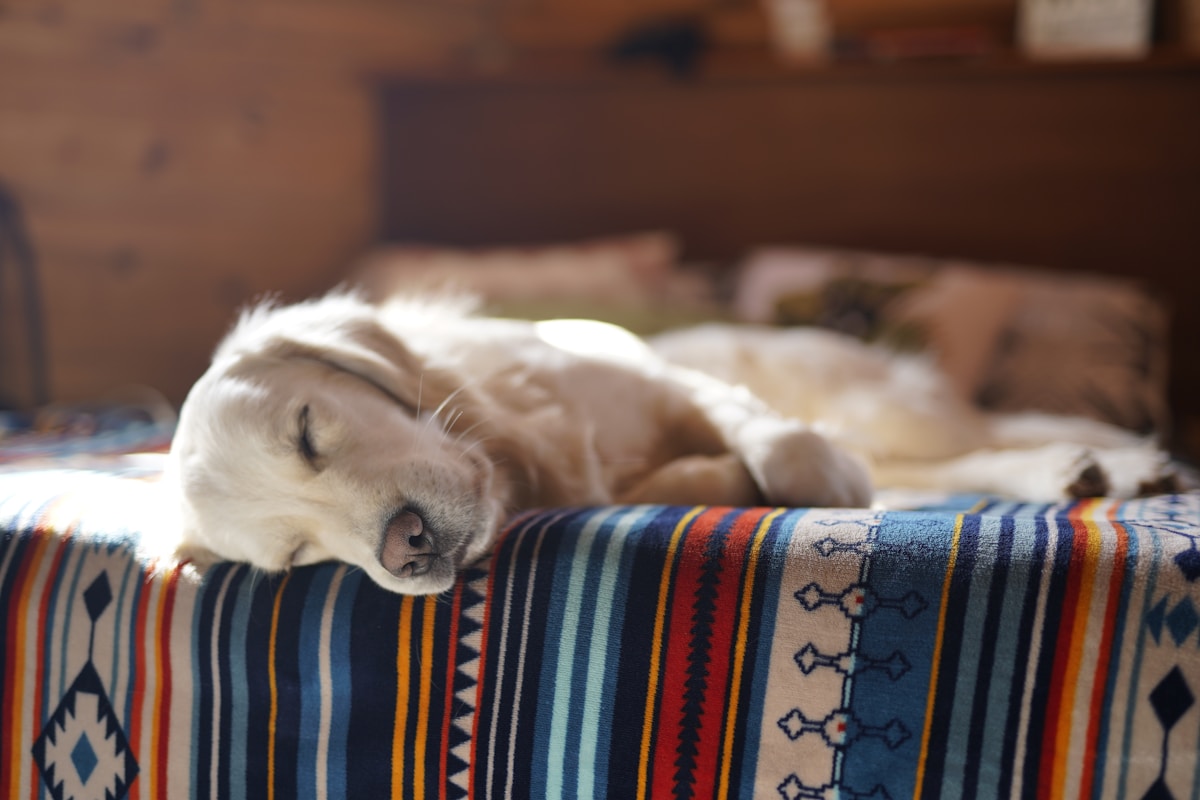
For millions of dog guardians, nighttime is expected to be a peaceful sanctuary of uninterrupted sleep. You dim the lights, fluff your dog’s orthopedic memory foam bed, and curl up under the blankets, expecting seven or eight hours of unbroken quiet. Yet, as the hours unfold in darkness, you hear the familiar symphony of nocturnal canine disturbance: the rhythmic clacking of toenails across hardwood floors, the heavy sigh of an animal repositioning itself, the repetitive scratching at an area rug, and the dull thud of a heavy canine body collapsing beside the bedroom doorway. Two hours later, the entire sequence repeats as your dog wanders into the hallway, then onto the bathroom tile, and finally onto the cool floor next to the front door.
A dog that constantly changes sleeping spots throughout the night is one of the most common, yet deeply misunderstood, behavioral presentations in modern veterinary medicine. Many pet parents dismiss this nocturnal wandering as a quirky personal preference or ordinary canine restlessness. However, veterinary neurologists, orthopedic specialists, and clinical animal behaviorists recognize that frequent nighttime bed switching is rarely random. It is an active physical and neurological coping mechanism driven by thermal regulation, musculoskeletal discomfort, environmental hyper-vigilance, gastrointestinal disturbance, or early-stage neuro-cognitive decline.
Understanding the exact medical and behavioral mechanisms that prevent your canine companion from settling into deep, restorative slow-wave sleep is essential for protecting their long-term health and vitality. Drawing upon clinical research from the American Veterinary Medical Association, orthopedic studies documented by the Orthopedic Foundation for Animals, and behavioral medicine archives from the American Kennel Club, this comprehensive guide provides an exhaustive clinical analysis of nocturnal restlessness, how to diagnose the underlying causes, and practical steps to restore quiet sleep to your home.
The Architecture of Canine Sleep: Polyphasic Rhythms and Sleep Cycles
To understand why a dog relocates during the dark hours, one must first appreciate how canine sleep architecture fundamentally diverges from human sleep physiology. Humans are primarily monophasic sleepers, meaning our biological circadian rhythm is hardwired to consolidate our sleep into a single continuous block of seven to nine hours during the night.
Canines, by contrast, are polyphasic sleepers. In ancestral and natural settings, dogs distribute their sleep across multiple distinct cycles spanning both day and night, accumulating an average of twelve to fourteen hours of total rest every twenty-four hours. Working breeds, growing puppies, and senior dogs often require between sixteen and eighteen hours of total daily rest.
1. Rapid Cycling Between Slow-Wave Sleep and REM
Unlike human sleep cycles, which typically last ninety to one hundred and twenty minutes per cycle, canine sleep cycles are remarkably brief, lasting only about twenty minutes from initiation to completion. A dog transitions rapidly from wakefulness into light slow-wave sleep (Non-REM), followed by a brief period of deep slow-wave sleep, and finally enters Rapid Eye Movement (REM) sleep, where vivid dreaming occurs accompanied by paw twitching, whisker quivering, and muted vocalizations.
Because their biological cycles are so short, canines experience frequent micro-awakenings throughout the night. In a wild environment, these micro-awakenings serve an evolutionary survival purpose: they allow the pack to assess ambient predator threats, check on pack members, and verify perimeter security. In a modern domestic household, however, every micro-awakening presents an opportunity for internal discomfort or external stimuli to interrupt sleep consolidation, prompting the dog to rise, pace, and search for a new location.
2. The Vital Importance of Stage 3 Restorative Sleep
During deep slow-wave sleep, the canine body undergoes vital physiological regeneration. Growth hormone is secreted from the pituitary gland to repair damaged muscle fibers, cellular waste products are cleared from neural tissues by the brain’s glymphatic system, and memory consolidation takes place in the hippocampus. When a dog is forced to constantly shift positions due to pain or thermal distress, it is repeatedly kicked out of deep slow-wave sleep into light drowsiness, leading to chronic sleep deprivation, immune suppression, elevated systemic inflammation, and daytime irritability.
Thermal Regulation: The Primary Physical Driver of Bed Hopping
Among healthy adult canines with no underlying orthopedic disease, thermoregulation is overwhelmingly the most frequent physiological cause of nighttime repositioning. The canine thermal management system operates under strict physical limitations that differ significantly from human biology.
1. The Limitations of Canine Sweating Physiology
Humans possess millions of eccrine sweat glands distributed across almost every square inch of our epidermis, allowing us to dissipate heat efficiently through evaporative cooling over our entire body surface. Dogs, by contrast, possess functional merocrine sweat glands exclusively on their non-haired digital paw pads. Because their paw surface area accounts for less than two percent of their total body mass, sweating plays an almost negligible role in total body cooling.
A dog’s primary thermoregulatory mechanism is respiratory evaporation through panting, supplemented by conduction through direct physical contact with cool surfaces. When a dog lies down on a plush, insulated dog bed or a thick fleece blanket, the bed quickly absorbs the dog’s body heat. Within forty-five to sixty minutes, the surface temperature of the dog bed equilibrates with the dog’s core body temperature of 101.5 degrees Fahrenheit (38.6 degrees Celsius).
2. Heat Trapping in Double-Coated and Heavy Breeds
Breeds equipped with dense double coats, such as Siberian Huskies, Golden Retrievers, German Shepherds, Great Pyrenees, and Bernese Mountain Dogs, possess an undercoat designed by nature to trap warm air close to the dermis. When these dogs sleep on dense memory foam or polyester bedding, heat cannot escape. The trapped heat causes a gradual rise in core temperature, triggering mild thermal discomfort.
Rather than panting heavily, which burns metabolic energy and elevates respiratory muscle fatigue, the dog simply stands up, shakes its coat to release trapped warm air, and walks to a thermal heat sink. The cool porcelain of bathroom floor tiles, uncarpeted hardwood planks, or the ceramic tile near an entryway acts as a rapid conductive heat sink, pulling heat away from the dog’s sparsely-furred abdominal and groin area. Once the dog’s body cools down after thirty to forty minutes on the tile, the hard surface becomes uncomfortable for its joints, prompting the dog to return to the soft bed, beginning the thermal cycle anew.
Clinical standards established by the American Animal Hospital Association (AAHA) emphasize the necessity of structured diagnostic evaluations and routine monitoring protocols.
Musculoskeletal Pain, Arthritis, and Pressure Point Discomfort
While thermal management explains bed switching in young, healthy dogs, frequent nocturnal wandering in middle-aged and senior canines is considered by veterinary orthopedic surgeons to be a hallmark clinical symptom of chronic musculoskeletal pain.
1. Canine Osteoarthritis and Joint Gelation
Canine osteoarthritis is a progressive, degenerative disease characterized by the loss of articular cartilage, thickening of the joint capsule, and the formation of periarticular bone spurs (osteophytes). According to clinical epidemiological surveys, more than twenty percent of all dogs over one year of age, and over eighty percent of dogs over eight years of age, suffer from chronic osteoarthritic changes in their hips, stifles (knees), elbows, or lumbosacral spine.
In arthritic joints, prolonged immobility leads to a phenomenon known as joint gelation. When a dog lies completely still in one position for more than an hour, the synovial fluid within the joint cavity thickens and increases in viscosity. Simultaneously, periarticular muscles and tendons tighten, and inflammatory cytokines accumulate around irritated nerve endings. The dog awakens experiencing deep, aching stiffness. To relieve this localized joint hypertension, the dog stands up, takes several stiff steps across the room to stretch the affected joints, and searches for a new sleeping surface with a slightly different firmness or elevation angle.
2. Pressure Point Ischemia and Inadequate Bedding
Heavy large-breed dogs, such as Mastiffs, Rottweilers, and Newfoundlands, exert tremendous gravitational pressure on their bony prominences: specifically the greater trochanter of the femur, the lateral epicondyle of the elbow, and the tuber coxae of the pelvis. When these heavy dogs sleep on thin, low-density foam mattresses, the mattress compresses completely, bottoming out against the unyielding subfloor.
This localized pressure compresses dermal capillary beds, producing localized tissue ischemia (lack of blood flow) and numbness similar to a human limb falling asleep. The ischemic discomfort forces the dog to shift positions every hour to restore microvascular blood flow to compressed tissues. Providing high-density, multi-layered orthopedic memory foam certified for medical use eliminates bottoming out and dramatically decreases nocturnal repositioning.
Canine Cognitive Dysfunction Syndrome (CCDS): The Geriatric Wandering Crisis
When an elderly dog begins pacing relentlessly throughout the night, getting stuck behind doors, staring blankly into dark hallways, and repeatedly switching sleeping locations without ever fully settling, veterinary neurologists immediately evaluate the patient for Canine Cognitive Dysfunction Syndrome (CCDS), often colloquially termed canine dementia or canine Alzheimer’s disease.
1. Neuropathology of the Aging Canine Brain
CCDS is a neurodegenerative disorder characterized by the progressive accumulation of neurotoxic beta-amyloid protein plaques within the cerebral cortex and hippocampus, accompanied by cerebral vascular amyloid angiopathy, neuronal loss, and chronic neuro-inflammation. These pathological changes severely impair the dog’s circadian sleep-wake regulatory center located in the suprachiasmatic nucleus of the anterior hypothalamus.
Under normal physiological conditions, the pineal gland produces melatonin during periods of darkness, promoting drowsiness and stabilizing circadian rhythms. In dogs suffering from advanced CCDS, pineal calcification and hypothalamic receptor degeneration disrupt this nocturnal hormonal surge. The dog experiences complete day-night reversal: it sleeps soundly throughout the bright, active daytime hours, but awakens in a state of acute confusion and disorientation the moment the household goes dark.
2. The DISHA Clinical Diagnostic Framework
Veterinarians utilize the DISHA acronym to evaluate the progression of neuro-cognitive decline in senior canines:
- D – Disorientation: Wandering aimlessly, getting trapped behind open doors, staring blankly into empty corners, or failing to recognize familiar household rooms.
- I – Interactions: Displaying abnormal clinginess, social detachment, or uncharacteristic irritability toward beloved human family members or companion pets.
- S – Sleep-Wake Cycle Alterations: Nighttime pacing, whining, excessive daytime somnolence, and frequent relocation of sleeping spots.
- H – Housetraining and Housesoiling: Eliminating indoors shortly after returning from a walk, losing voluntary bowel and bladder sphincter awareness.
- A – Activity Changes: Decreased exploration, repetitive licking of objects, or agitated, purposeless motor pacing.
As documented across diagnostic guidelines from VCA Animal Hospitals, proactive clinical intervention and home comfort modifications significantly reduce systemic physical strain.
Environmental Vigilance and Ancestral Territorial Perimeter Patrolling
Not all causes of nocturnal movement are medical; many stem directly from canine territorial instincts and selective breeding. Certain breeds were genetically crafted over hundreds of generations to perform nocturnal sentry duty and flock protection.
1. Working and Guardian Breed Instincts
Livestock guardian breeds such as Great Pyrenees, Anatolian Shepherds, and Kangals, as well as property protection breeds like German Shepherds, Doberman Pinschers, and Rottweilers, possess an innate drive to establish multi-point defensive perimeters. In a natural grazing environment, a livestock guardian dog never sleeps in a single fixed location for an entire night. Instead, it sleeps for ninety minutes near the flock, rises to patrol the perimeter fence, relocates to a high vantage point to scan the horizon for predators, and then moves downwind to sample ambient air currents for olfactory traces of coyotes or wolves.
In a suburban home, this ancestral sentinel programming remains entirely intact. A guardian dog will often begin the night sleeping beside your bed. After two hours, an auditory cue outside, such as a neighbor’s car door closing, a nocturnal rodent rustling in the attic, or wind blowing through tree branches, prompts the dog to rise. It moves to the hallway to monitor the front door, later repositions itself beneath a street-facing window, and eventually returns to the master bedroom door to guard its human family.
2. Ultrasonic Hearing and Infrasonic Vibration Sensitivity
Canine auditory receptors are capable of detecting acoustic frequencies up to 45,000 Hertz, compared to the human hearing limit of approximately 20,000 Hertz. Furthermore, dogs can hear sounds at distances four times greater than humans can perceive. During the quiet hours between midnight and five in the morning, human guardians are oblivious to the vast array of acoustic stimuli permeating the home: the high-pitched electrical whine of television transformers, the cycling of the central furnace, subterranean pipe water flow, and distant nocturnal wildlife activity. When an alert dog detects these subtle acoustic signatures, it shifts position to investigate, orient its pinnae (ear flaps), or move away from irritating electrical hums.
Gastrointestinal Distress and Visceral Abdominal Pain
An often-overlooked medical cause of frequent nighttime repositioning is sub-clinical visceral pain originating within the gastrointestinal tract. Conditions such as inflammatory bowel disease (IBD), chronic pancreatitis, gastric hyperacidity, and gastroesophageal reflux disease (GERD) frequently peak in severity during recumbency and nighttime fasting.
1. Acid Reflux and Gastroesophageal Backflow
When a dog lies flat on its side (lateral recumbency) for extended periods, gravity no longer assists in keeping acidic gastric secretions confined to the stomach cavity. In dogs prone to gastroesophageal reflux, gastric acid and digestive bile leak past the lower esophageal sphincter, causing painful chemical esophagitis (heartburn). This acute burning sensation awakens the dog, prompting it to rise, swallow repeatedly, lick its lips, gulp air, or lick carpets and walls.
To relieve the burning sensation, the dog often seeks a cooler floor surface to press its throat and chest against, or adopts a sternal recumbency posture with its front paws elevated to use gravity to drain refluxate back into the stomach. Feeding a small, low-fat carbohydrate snack (such as a plain boiled potato or oatmeal bite) immediately before bedtime often buffers nocturnal gastric acid and eliminates reflux-induced sleep disruptions.
2. Abdominal Cramping and the Prayer Stretch Posture
Dogs suffering from low-grade intestinal cramping or pancreatic inflammation cannot find a comfortable sleeping position. As intestinal gas pockets shift and visceral spasms occur, the dog will frequently stand up, circle several times, and assume the prayer position: stretching its front paws flat on the ground with its chest down while keeping its rear hindquarters elevated in the air. If your dog pairs frequent nighttime bed switching with this distinct prayer posture, immediate veterinary diagnostic screening including abdominal ultrasound and cPL (canine pancreas-specific lipase) blood testing is strongly indicated.
Diagnostic Clinical Evaluation: When to Seek Immediate Veterinary Care
While occasional repositioning is entirely normal, canine guardians must know how to distinguish benign sleeping habits from serious medical emergencies that warrant immediate veterinary intervention.
Schedule a comprehensive veterinary examination if nocturnal bed switching is accompanied by any of the following clinical red flags:
- Difficulty Rising or Auditory Groaning: The dog vocalizes, whines, or struggles to push its hindquarters off the ground when rising from a bed.
- Pacing Paired with Productive or Non-Productive Retching: If a deep-chested dog (such as a Great Dane, Standard Poodle, or German Shepherd) paces relentlessly, cannot lie down, salivates heavily, and makes unsuccessful attempts to vomit, this is a life-threatening veterinary emergency indicating Gastric Dilatation-Volvulus (GDV or bloat). Seek an emergency surgical center immediately.
- Elevated Resting Respiratory Rate: Count your dog’s breaths per minute while it is resting quietly. A normal resting canine respiratory rate is between fifteen and thirty breaths per minute. If your dog’s resting respiratory rate consistently exceeds thirty-five to forty breaths per minute, or if it sits with its elbows abducted and neck extended to breathe, this suggests congestive heart failure (CHF), pleural effusion, or acute pulmonary disease.
- New-Onset Urinary Incontinence: Finding wet urine spots where the dog was previously lying down indicates medical conditions such as urinary tract infections, hormonal sphincter mechanism incompetence, kidney failure, or spinal disc disease.
Evidence-Based Environmental and Orthopedic Interventions
Once medical conditions have been diagnosed and treated by your veterinary physician, implementing specialized environmental modifications can drastically improve your dog’s nighttime comfort and sleep continuity.
1. The Multi-Texture Sleep Sanctuary Protocol
Rather than forcing your dog to choose between a single plush bed and a cold, hard subfloor, provide an intentional sleep sanctuary featuring diverse textural and thermal options within the same resting area:
- Medical-Grade High-Density Memory Foam: Invest in an orthopedic bed featuring at least four inches of solid high-density support foam topped with two inches of pressure-relieving gel memory foam. Avoid beds filled with loose cedar chips, polyester fiberfill, or shredded foam, as these materials compress unevenly and provide zero orthopedic support.
- Elevated Mesh Cot (Thermal Convection): For double-coated and heavy breeds that overheat easily, place an elevated cot alongside the traditional bed. Elevated cots allow 360-degree air circulation beneath the dog’s body, facilitating continuous convective heat dissipation without forcing the dog’s joints onto hard tile.
- Pressure-Activated Cooling Gel Mats: Incorporate non-toxic, pressure-activated gel cooling pads onto half of the dog’s orthopedic mattress. This allows the dog to shift its body several inches to cool down without rising to leave the bed entirely.
2. Acoustic Shielding and Circadian Light Control
To prevent hyper-vigilant dogs from awakening to subtle nocturnal environmental cues, control the sensory environment of the sleeping room:
- Continuous Pink Noise Sound Conditioning: Place a dedicated sound conditioner in the bedroom. Pink noise, which features balanced lower acoustic frequencies, effectively masks sudden ambient exterior noises (such as barking neighborhood dogs, distant traffic, and pipe water hammer) far more effectively than standard high-pitch white noise.
- Complete Photoperiodic Darkness: Melatonin synthesis is light-sensitive. Install blackout curtains to block exterior streetlights, porch floodlights, and early morning dawn rays that trigger premature awakening.
Pharmacological and Nutraceutical Management of Nocturnal Canine Pain
When nocturnal restlessness stems from chronic joint degradation, spinal nerve compression, or systemic inflammation, environmental modifications alone are insufficient. Veterinary clinicians rely on a multimodal analgesia strategy to break the cycle of chronic pain and restore uninterrupted restorative sleep.
1. Targeted Non-Steroidal Anti-Inflammatory Drugs (NSAIDs)
Veterinary NSAIDs form the bedrock of canine orthopedic pain management. Modern medications such as carprofen, meloxicam, and grapiprant target specific inflammatory pathways. Grapiprant, in particular, is a non-COX-inhibiting prostaglandin receptor antagonist (an EP4 receptor antagonist) that specifically blocks the EP4 receptor responsible for osteoarthritis pain while sparing other homeostatic prostaglandin functions in the renal system and gastrointestinal lining. For dogs that suffer from nocturnal joint gelation, administering prescribed NSAIDs with the evening meal provides peak therapeutic blood concentrations during the middle of the night, dramatically reducing joint stiffness and nighttime awakenings.
2. Neuropathic Analgesia and GABA Analogs
Chronic orthopedic pain frequently transitions into neuropathic pain (maladaptive nerve pain characterized by central sensitization and hyperalgesia). Medications such as gabapentin and amantadine are exceptionally effective in managing this wind-up pain. Gabapentin binds to the alpha-2-delta subunit of voltage-gated calcium channels in the central nervous system, inhibiting the release of excitatory neurotransmitters like glutamate and substance P. In addition to its potent analgesic properties, gabapentin produces mild, safe sedation, helping anxious or aching senior dogs fall asleep comfortably and remain asleep throughout the night.
3. Disease-Modifying Osteoarthritis Drugs (DMOADs) and Monoclonal Antibodies
Modern veterinary medicine has revolutionized chronic pain management with injectable biologic therapies. Polysulfated glycosaminoglycan (Adequan) injections stimulate chondrocyte metabolism, promote hyaluronic acid synthesis in the synovial fluid, and inhibit destructive catabolic enzymes within the joint matrix. Furthermore, bedinvetmab (Librela), a canine-specific anti-nerve growth factor (anti-NGF) monoclonal antibody administered as a monthly subcutaneous injection, neutralizes NGF, preventing it from binding to TrkA receptors on nociceptive nerve fibers. By blocking pain signaling at the peripheral nerve level without stressing the liver or kidneys, bedinvetmab has enabled thousands of senior dogs with severe osteoarthritis to sleep soundly through the night without pain-induced restlessness.
Diagnostic Canine Sleep Research: Actigraphy and Polysomnography
The scientific understanding of canine sleep disorders has expanded dramatically through advancements in veterinary clinical research methodologies.
1. Non-Invasive Veterinary Actigraphy Monitoring
In contemporary veterinary sleep studies, researchers utilize collar-mounted tri-axial accelerometers (actigraphy collars) to capture objective, high-resolution data on canine sleep-wake patterns over weeks of observation. These digital actigraphy monitors record total recumbent time, movement frequency, sleep fragmentation index, and nocturnal restlessness scores. Studies show that healthy dogs demonstrate sleep efficiency scores exceeding eighty-five percent, whereas dogs suffering from chronic pain or cognitive decline exhibit sleep fragmentation scores thirty to fifty percent higher, validating that frequent bed relocation is a quantifiable biological indicator of compromised health.
2. Veterinary Polysomnography and Brain Wave Analysis
Specialized veterinary university hospitals utilize non-invasive wireless polysomnography (PSG) caps equipped with electroencephalogram (EEG), electrooculogram (EOG), and electromyogram (EMG) electrodes to map real-time brain waves in sleeping dogs. These studies have revealed that domestic canines enter paradoxical REM sleep within twenty minutes of falling asleep, accompanied by high-frequency desynchronized theta waves. However, dogs experiencing constant low-grade pain or sensory disruption show truncated REM cycles and frequent micro-arousals, depriving the cerebral cortex of necessary regenerative repair cycles.
Orthopedic Pressure-Point Relief: Micro-Adjustments for Canine Spondylosis
Chronic nocturnal restlessness frequently stems from insidious musculoskeletal discomfort that intensifies during prolonged recumbency. Dogs afflicted with subclinical hip dysplasia, lumbosacral spondylosis, or elbow osteoarthritis experience dull joint aching as synovial fluid viscosity changes during stationary sleep.
Shifting sleeping spots every forty-five minutes represents an instinctive behavioral coping mechanism to relieve focal pressure points over bony protuberances. Investing in human-grade therapeutic memory foam bedding with supportive bolster edges minimizes spinal torque and provides continuous orthopedic pressure redistribution throughout the night.
Thermal Core Dissipation: Tile versus Foam Contact Surface Shifts
Canine thermoregulation relies heavily on conductive heat exchange through thinly-furred abdominal and inguinal cutaneous areas. Dense plush dog beds rapidly trap body heat, driving the canine internal core temperature upward and inducing panting and physical restlessness.
Dogs instinctively migrate from memory foam cushions to cool ceramic tile or hardwood floors to dissipate thermal energy. Providing multi-zone sleeping environments featuring elevated breathable mesh cots alongside conventional orthopedic mats accommodates natural nocturnal thermoregulatory shifts.
Canine Rapid Eye Movement (REM) Architecture and Micro-Arousal Cycles
Canine sleep architecture consists of alternating cycles of non-rapid eye movement and rapid eye movement sleep lasting approximately twenty minutes each. During transition phases between deep slow-wave sleep and light REM sleep, dogs experience brief physiological micro-arousals where they re-evaluate ambient safety.
In anxious or hyper-reactive animals, these normal micro-arousals trigger full wakefulness and exploratory room wandering. Providing steady background white noise and consistent ambient darkness helps buffer nighttime sensory disturbances and fosters smooth transitions between sleep stages.
Canine Cognitive Dysfunction Syndrome: Sundowning and Circadian Dysregulation
Geriatric canines exhibiting nocturnal pacing, wall-staring, and disorientation may be experiencing the onset of cognitive dysfunction syndrome, analogous to Alzheimer disease in humans. Diminished sensory acuity combined with circadian neurochemical dysregulation causes nighttime anxiety known clinically as sundowning.
Veterinary treatment protocols combining selegiline hydrochloride, dietary medium-chain triglycerides, and antioxidant neuro-protection help preserve cognitive function. Gentle evening lighting, predictable bedtime routines, and pheromone diffusers offer comforting reassurance to aging companions navigating cognitive changes.
Circadian Sleep Optimization: Environmental Enrichment and Orthopedic Sleeping Zones
Promoting continuous, restorative nocturnal sleep in dogs requires aligning daily physical activity with natural circadian rhythms. Providing substantial morning physical exercise paired with afternoon mental foraging ensures natural adenosine buildup in the brain, driving deep, restorative slow-wave sleep cycles throughout the night.
Structuring the nocturnal resting sanctuary with breathable orthopedic bedding and controlled ambient room temperatures between sixty-six and seventy degrees Fahrenheit eliminates physical discomfort. When handlers address both orthopedic support and ambient thermal needs, nocturnal pacing transitions into deep, peaceful sleep.
To assist guardians in evaluating the underlying drivers of nocturnal bed-switching, the analytical comparison matrix below contrasts the primary orthopedic, thermal, and cognitive triggers across essential clinical parameters.
Diagnostic Comparison Matrix: The 6 Nocturnal Restlessness Triggers
This table compares the primary underlying causes of nighttime bed switching in domestic canines:
| Diagnostic Trigger | Primary Physiological Mechanism | Typical Age and Breed Profile | Characteristic Nighttime Pattern | Associated Daytime Symptoms | Primary Clinical Intervention |
|---|---|---|---|---|---|
| Thermal Overheating | Inability to dissipate core body heat | Double-coated, thick-furred, or brachycephalic | Alternates between soft bed and cold tile | Normal energy; seeks cool shade outdoors | Elevated cot; cooling mat; room fan |
| Osteoarthritis and Joint Pain | Synovial gelation and pressure ischemia | Senior canines; large and giant breeds | Stiff rising; circles repeatedly; groans | Limping after naps; reluctance on stairs | Multimodal analgesia; thick memory foam |
| Canine Cognitive Dysfunction | Circadian neuro-degeneration in brain | Geriatric dogs (typically over 10 years) | Aimless pacing; vocalizing; trapped in corners | Staring at walls; forgetting house training | Neuro-protective diet; selegiline; melatonin |
| Environmental Vigilance | Sensory sensitivity to auditory triggers | Guard breeds; herding breeds; anxious dogs | Moves to doorways, windows, hallways | Alert barking; hyper-reactive to doorbells | White noise machine; blackout shades |
| Gastrointestinal Distress | Abdominal cramping, gas, or acid reflux | Deep-chested breeds; sensitive stomach dogs | Stretches in prayer position; licks lips | Grass eating; morning bile vomit; soft stool | Adjust feeding schedule; veterinary GI diet |
| Flea Allergy or Pruritus | Cutaneous histamine release and itching | Any age; atopic dermatitis susceptible | Sudden awakenings; chewing paws; scratching | Skin redness; hair thinning; head shaking | Isoxazoline parasiticides; cytopoint; apoquel |
Reviewing these comparative clinical profiles allows dog owners to implement targeted adjustments to bedding materials, room temperature, and evening routines. The practical frequently asked questions section below provides actionable answers to common owner concerns regarding nighttime canine restlessness.
Frequently Asked Questions (FAQs)
Is it normal for a dog to change sleeping spots three or four times every night?
Yes, moving three to four times per night can be completely normal, particularly for double-coated breeds managing their body temperature or polyphasic sleepers completing brief twenty-minute sleep cycles. However, if the dog appears restless, pants heavily, whines, circles obsessively, or struggles to stand up, the movement is likely driven by joint pain, anxiety, or internal discomfort requiring veterinary evaluation.
Why does my dog sleep on my bed for an hour and then jump down to sleep on the hard floor?
Human mattresses, duvets, and human body heat create a concentrated thermal trap. While your dog loves the emotional closeness and scent security of sleeping beside you, its core body temperature quickly rises. Jumping down to the hard floor allows the dog to press its belly against a cool surface to rapidly lower its temperature. Once cooled, it may return to your bed later in the night.
Can giving joint supplements help my senior dog sleep more soundly through the night?
Yes. High-quality joint supplements containing glucosamine hydrochloride, chondroitin sulfate, avocado soybean unsaponifiables (ASU), and concentrated omega-3 fatty acids (EPA and DHA derived from marine fish oil) reduce synovial inflammation and improve cartilage matrix hydration. Decreasing baseline joint stiffness significantly reduces the nocturnal gelation discomfort that forces arthritic dogs to wander.
Why does my dog scratch and circle vigorously before lying down in a new spot?
Circling and scratching before resting is an ancient ancestral motor program. In the wild, wild canids circled to trample down tall grass, dislodge biting insects, scare away concealed serpents, and create a shallow depression that provided wind protection. Scratching at blankets or carpets also deposits familiar olfactory pheromones from interdigital sweat glands on the paws, marking the area as a safe, secure den.
How does canine dementia cause sleep-wake cycle reversals?
Canine Cognitive Dysfunction Syndrome damages the neurons within the suprachiasmatic nucleus of the hypothalamus, the internal master biological clock of the brain. In addition, degenerative changes in the pineal gland impair normal nighttime melatonin secretion. This neurochemical breakdown disrupts the circadian rhythm, causing the dog to feel fully awake, confused, and anxious in the dark while sleeping deeply during the day.
Could my dog be changing spots because of nocturnal fleas or mite infestations?
Yes. Fleas, Cheyletiella mites, and Sarcoptes mange mites are active at night. As the dog lies still and its skin warms the bedding, parasites become more active, biting and crawling across the epidermis. This triggers sudden histamine surges and intense pruritus (itching), causing the dog to wake up abruptly, chew at its tail base, scratch its ears, and pace to another location.
What temperature should I keep my house at night to help my dog sleep comfortably?
Most canine health experts recommend maintaining an ambient indoor sleeping temperature between 65 and 68 degrees Fahrenheit (18 to 20 degrees Celsius). Double-coated northern breeds often sleep best in rooms kept around 62 to 65 degrees, whereas tiny, single-coated toy breeds (such as Chihuahuas and Italian Greyhounds) may require ambient temperatures closer to 70 to 72 degrees or a heated orthopedic pet blanket.
Why does my dog always choose to sleep pressed directly against the bedroom door?
Sleeping against the bedroom door satisfies dual behavioral motivations: tactical security and thermal draft access. Tactically, guarding the single entry and exit point ensures no intruder can enter without contacting the dog, providing deep security for working and guard breeds. Thermally, the tiny air gap beneath an exterior or hallway door often provides a constant draft of cool circulating air that the dog finds soothing.
Can separation anxiety cause a dog to wander between family members’ rooms at night?
Yes. Dogs experiencing social attachment anxiety often perform nocturnal bed checks. The dog moves from the master bedroom to children’s bedrooms throughout the night, verifying the presence and scent of each family pack member. Providing clothing items carrying family scent on the dog’s bed can provide continuous reassurance and reduce wandering.
Is it bad to allow my dog to sleep on hard tile floors instead of its orthopedic bed?
While hard tile floors provide excellent thermal cooling, long-term recumbency on hard unyielding surfaces presents significant orthopedic hazards for large, heavy, or senior dogs. Constant pressure against hard surfaces causes hygromas (fluid-filled swellings over the elbows), pressure calluses, and exacerbates spinal and hip arthritis. An elevated breathable mesh cot provides the identical cooling airflow of tile while protecting delicate joints from impact trauma.
Restoring Peaceful Sleep to Your Canine Companion
A canine companion that rests peacefully through the night is the foundation of a healthy, harmonious household. When your dog wanders restlessly from room to room, changing sleeping locations every hour, listen to what its physiology and behavior are communicating. This nocturnal wandering is not a deliberate annoyance or an eccentric habit; it is a clear biological signal that your dog is seeking comfort from thermal stress, aching joints, anxious vigilance, or internal metabolic discomfort.
By conducting a thorough veterinary assessment, addressing underlying musculoskeletal pain, providing tailored multi-texture sleep surfaces, and optimizing the sensory environment of your home, you eliminate the physical barriers to deep, restorative sleep. With thoughtful intervention and compassionate care, you can help your devoted companion settle into peaceful, unbroken rest, protecting their health, longevity, and everyday happiness for years to come.
Ultimately, supporting our dogs through every stage of life requires attentive observation and an empathetic commitment to their physical well-being. A peaceful night of sleep restores not only your dog’s physical vitality and mental clarity, but also strengthens the calm, enduring bond shared between you and your faithful companion.
Leave a Comment