

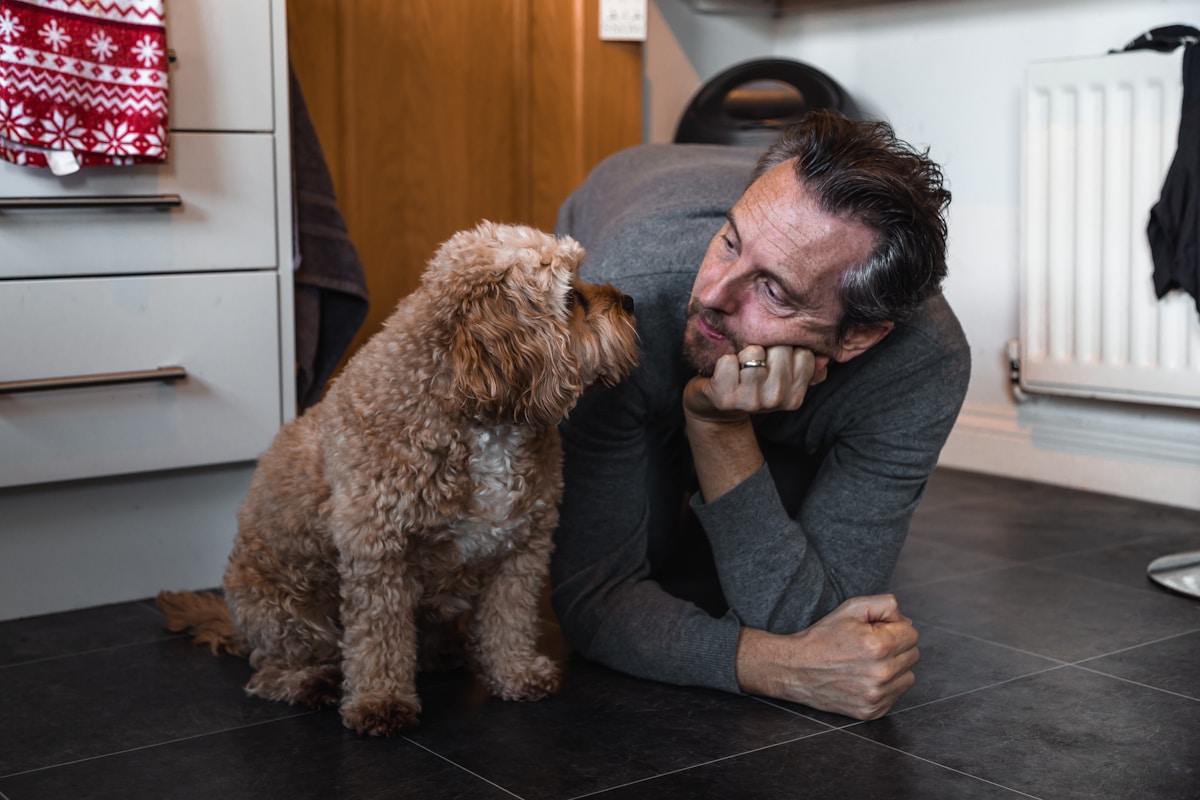
Every multi-person household has witnessed the fascinating, sometimes heartbreaking phenomenon of canine person-preference. Within any family, pack, or shared home, a dog will almost invariably select a single human as its primary attachment figure: its biological compass, emotional anchor, and favorite person. When this chosen individual is present, the dog exudes relaxed contentment, resting quietly at their feet, leaning affectionately against their shins, or maintaining calm peripheral observation. However, the moment this primary person begins the subtle, subconscious rituals of departure, picking up car keys, changing into work shoes, putting on a jacket, or reaching for a handbag, the dog’s behavioral demeanor undergoes an immediate, dramatic transformation.
Suddenly, the previously independent animal transforms into an inescapable shadow. It presses its flank against the person’s legs, tracks every footstep from the bedroom to the kitchen, blocks hallway passages, whines softly at closed bathroom doors, and rests its chin heavily on the departure bags. Even more perplexing to human guardians, when the favorite person finally steps through the exterior door, the dog often refuses comfort from the remaining family members. It may sit vigil at the front window, ignore enthusiastic invitations to play, refuse high-value treats, or pace anxiously from room to room, despite being surrounded by humans who love it dearly.
This intense pre-departure clinginess and post-departure despondency is not an act of willful stubbornness, spite, or simple jealousy. It is an intricate neurological, hormonal, and evolutionary reaction rooted in canine attachment theory, olfactory dependency, neurochemical oxytocin withdrawal, and cognitive distress. Drawing upon clinical veterinary behavior studies published by the Association of Professional Dog Trainers, research archives from the American Kennel Club, and behavioral medicine guidelines established by the American Veterinary Medical Association, this comprehensive treatise unpacks the deep science behind why dogs become clingy when their favorite person departs, how to evaluate attachment health, and how to foster emotional independence.
The Evolutionary Ethology of the Primary Attachment Figure
To decode why a dog fixates so intensely on one human, we must examine the evolutionary origins of domestic canine social architecture. Canines are obligate social carnivores whose survival over millions of years depended entirely upon the cohesion, predictability, and emotional stability of the pack unit.
1. John Bowlby’s Attachment Theory Applied to Canines
In developmental psychology, John Bowlby’s landmark Attachment Theory demonstrated that human infants form a primary emotional bond with a singular caregiver, known as the primary attachment figure. This figure serves two biological functions: a safe haven to which the infant retreats when frightened, and a secure base from which the infant explores unfamiliar environments.
Pioneering cognitive ethologists at Eotvos Lorand University in Budapest demonstrated that domestic canines are the only non-primate species on Earth that utilize their human caregivers in precisely the same manner as human children utilize their mothers. In experimental Strange Situation tests, dogs exposed to unfamiliar environments or frightening novel stimuli displayed immediate exploratory confidence when their primary owner was present in the room. When the primary owner left, even if another familiar, friendly human remained, the dog’s exploratory behavior plummeted, cortisol levels spiked, and proximity-seeking behaviors intensified dramatically. To your dog, you are not merely a convenient source of kibble; you are the biological secure base upon which its perception of environmental safety rests.
2. How Dogs Select Their Favorite Person
Human family members often assume that a dog’s favorite person is whoever buys the food, walks them most frequently, or spends the most hours sitting on the sofa beside them. In clinical reality, canine attachment selection is governed by far more subtle neuro-behavioral determinants:
- The Critical Socialization Imprinting Window: Canines undergo a vital neuro-developmental socialization window between four and sixteen weeks of age. An individual who provides positive, calm, trust-building experiences during this formative neuro-plastic phase often becomes permanently imprinted as the dog’s primary biological anchor.
- Quality of Reinforcement and Communicative Clarity: Dogs gravitate toward humans who provide predictable, clear, low-conflict communication. A human who reads subtle canine calming signals, respects physical boundaries, never uses punitive intimidation, and reinforces cooperative behaviors with high-value dopamine rewards is perceived by the dog as an oasis of safety.
- Personality Resonance and Energy Congruence: Canines are acute observers of human autonomic nervous system states. High-energy, reactive dogs frequently bond most deeply with calm, grounded individuals whose steady heart rate and low voice help regulate the dog’s runaway sympathetic arousal. Conversely, gentle, cautious dogs often bond with quiet, predictable humans who never force unwanted physical contact.
The Neuro-Chemistry of Canine Attachment: Oxytocin, Dopamine, and Cortisol
The behavioral shift that occurs when a favorite person prepares to leave is driven by powerful neuro-endocrine cascades operating within the canine limbic system.
1. The Oxytocin-Dopamine Positive Feedback Loop
Landmark comparative neuroscience studies have proven that when a dog engages in mutual gaze, gentle physical contact, or cooperative play with its primary human, its brain releases massive quantities of oxytocin (the neuro-peptide of social bonding and emotional safety) and dopamine (the neurotransmitter of reward and motivation). Simultaneously, circulating oxytocin surges in the human’s bloodstream, creating an inter-species bio-behavioral feedback loop unique in the animal kingdom.
For a clingy dog, physical proximity to its favorite person is a neurochemical necessity. Being near that person maintains baseline emotional equilibrium and suppresses anxiety. When the person prepares to leave, the dog anticipates an abrupt neurochemical crash: an immediate drop in oxytocin and dopamine availability, triggering anticipatory withdrawal symptoms similar to emotional distress in human primates.
2. The Cortisol Surge of Pre-Departure Cues
Canines are cognitive masters of associative learning and antecedent prediction. Long before a human touches the exterior door handle, the dog has detected dozens of subtle environmental and behavioral cues: the sound of a zipper on a laptop briefcase, the scent of specific cologne or deodorant applied only before work, the jingling of car keys, the change from soft slippers into firm leather shoes, and even the micro-changes in the human’s breathing rate and muscle tension.
These antecedent cues act as conditioned stimuli. The moment the dog detects them, its hypothalamic-pituitary-adrenal (HPA) axis activates, dumping cortisol and adrenaline into the bloodstream. Clinginess: leaning against shins, pacing, whining, and physically obstructing movement, is an urgent, instinctive attempt to maintain physical contact and interrupt the departure sequence before the biological anchor disappears.
Velcro Dogs versus Clinical Separation Anxiety: The Critical Boundary
Pet guardians frequently conflate normal breed-specific loyalty (often affectionately called velcro dog syndrome) with true, pathological separation anxiety. Distinguishing between these two conditions is critical for establishing an effective behavioral management plan.
1. The Natural Velcro Breeds
Centuries of selective working breeding have amplified cooperative tracking drives in certain canine functional groups. Herding breeds (such as Border Collies, Australian Shepherds, and Shetland Sheepdogs), sporting gun dogs (such as Golden Retrievers, Vizslas, and Labrador Retrievers), and working companion breeds (such as Doberman Pinschers and Toy Poodles) were intentionally bred to maintain unbroken visual contact with their human handler in the field. These dogs are genetically hardwired to shadow their human’s every movement.
A true velcro dog desires to be in the same room as its favorite person, but it does not experience physiological panic when separated. Once the person leaves, a velcro dog will sigh, relocate to a comfortable rug or bed, accept treats or affection from remaining family members, and nap peacefully until the person returns. The behavior is driven by social desire, not neuro-chemical terror.
2. The Clinical Pathology of Separation Anxiety
Separation anxiety, by contrast, is a severe psychiatric panic disorder recognized by the American Society for the Prevention of Cruelty to Animals and veterinary behavior specialists worldwide. When the primary attachment figure departs, an affected dog does not merely experience sadness; its central nervous system perceives imminent existential danger.
Affected dogs enter a state of acute autonomic terror, manifesting within five to twenty minutes of departure:
- Frantic Barrier Frustration and Self-Trauma: Scratching claw marks into doorframes, tearing up carpeting beneath exit doors, chewing through drywall, and fracturing canine teeth while attempting to bite through metal crate bars.
- Involuntary Autonomic Elimination: Urinating or defecating indoors despite being fully house-trained, caused by extreme sympathetic nervous system activation emptying the bladder and lower bowel.
- Continuous High-Pitch Vocalization: Persistent, mournful howling, frantic barking, or repetitive shrieking that lasts for hours without habituation.
- Severe Physiological Exhaustion: Profuse hypersalivation (soaking the chest and paws in drool), dilated pupils, frantic pacing in tight circles, and complete refusal of even raw meat or cheese treats.
The Rejected Family Member Phenomenon: Why Dogs Spurn Secondary Caregivers
One of the most emotionally painful dynamics in multi-person households occurs when a dog actively rejects other family members the moment its favorite person departs. A spouse, partner, or child may attempt to comfort the dog with cuddles, gentle words, or prized snacks, only for the dog to turn its head away, stiffen its body, walk out of the room, or sit like a sorrowful statue staring at the front door.
1. Olfactory Grief and Sensory Fixation
Canines perceive reality primarily through their vomeronasal organ and olfactory epithelium, processing scents with a brain allocation forty times greater than that of humans. When a dog’s favorite person departs, their ambient scent cloud begins to decay throughout the home. For an attached canine, the loss of this olfactory baseline is deeply disorienting.
Secondary family members, despite their loving intentions, carry completely different biochemical pheromone signatures. When a family member approaches an anxious, grieving dog and attempts to force physical affection (such as hugging or kissing the dog’s head), the dog perceives this unsolicited physical pressure as an overwhelming sensory invasion. In canine body language, hugging is an assertive, restrictive gesture. When delivered by someone who is not the dog’s primary attachment anchor during a moment of high stress, it increases the dog’s anxiety rather than soothing it.
2. The Solution: Low-Pressure Passive Parallel Coexistence
To rehabilitate the relationship between secondary family members and a clingy dog, human behavior must change. Secondary family members must stop attempting to force comfort upon the dog when the favorite person leaves:
- Practice Polite Indifference: Allow the dog to sit near the window or retreat to its bed without hovering, making intense eye contact, or attempting to stroke its head.
- Toss Low-Arousal Value from Afar: Rather than handing treats directly to the dog, gently toss small bits of high-value roast turkey or cheese onto the floor three feet away from the dog, then casually look away. This creates positive emotional associations with the secondary person’s presence without demanding social interaction.
- Shift Primary Resource Delivery: The favorite person must temporarily step back from delivering all life rewards. For thirty days, all meals, daily walks, puzzle toys, and games of fetch should be administered exclusively by the secondary family members. Over time, the dog’s brain recalibrates, recognizing that other humans are extraordinary sources of safety, sustenance, and fun.
Systematic Independence Protocols: Building Canine Emotional Resilience
Transforming an over-dependent shadow dog into a confident, self-soothing companion requires structured desensitization and counter-conditioning protocols certified by professional veterinary behaviorists.
1. Conditioning the Autonomous Place Mat Settle
Teaching your dog that lying on a designated bed away from you is the most lucrative activity in the house is the cornerstone of fostering independence:
- Select a high-density, comfortable orthopedic mat and assign it a clear verbal cue, such as place or mat.
- Lure the dog to the mat, cue a down, and deliver treats rapidly between the dog’s front paws while it remains lying down.
- Gradually increase physical distance in micro-steps. Take one step backward, immediately return, and reward. Practice moving across the room, into the hallway, and briefly behind a wall, always returning to reward calm recumbency on the mat.
- Introduce long-lasting decompression chews (such as a frozen KONG filled with peanut butter, canned pumpkin, and wet food) exclusively when the dog is resting on its place mat. The dog learns that physical distance from its favorite person is paired with intense, independent dopamine pleasure.
2. Antecedent Cue Desensitization: Decoupling Departure Triggers
Because clinginess is ignited by departure cues (keys, shoes, coats, bags), you must systematically break the associative link between these objects and your actual physical departure:
- Randomize the Triggers Without Leaving: Pick up your car keys, walk across the living room, jingle them loudly, and sit down on the couch to watch television. Put on your winter coat and heavy work boots, eat a bowl of cereal at the kitchen table, and then take them off. Pick up your briefcase, carry it into the bathroom, wash your hands, and set it back in the closet.
- Extinguishing the Alarm Response: When your dog witnesses these departure cues occurring fifty times without an actual departure taking place, the cues lose their predictive value. The dog’s nervous system stops releasing anticipatory cortisol, and the clingy shadowing behavior naturally fades away.
Medical and Neurological Underpinnings of Sudden Clinginess
When a dog that previously enjoyed independent relaxation suddenly develops intense, frantic clinginess, guardians must never assume it is merely behavioral. Sudden changes in attachment behavior are among the earliest clinical indicators of occult medical disease, sensory degradation, or physical pain.
1. Sensory Decline: Vision Loss and Hearing Impairment
As dogs age, degenerative conditions such as nuclear sclerosis, cataracts, progressive retinal atrophy (PRA), and age-related sensorineural deafness gradually erode their perceptual awareness. An animal experiencing progressive sensory impairment feels profoundly vulnerable in its environment. Sudden sounds or dark shadows startle them. Consequently, they cling tightly to their primary human, using their human as surrogate eyes and ears to navigate domestic space safely.
2. Endocrine Disorders and Metabolic Distress
Systemic endocrine disorders significantly alter canine behavior and emotional regulation. Hyperadrenocorticism (Cushing’s disease), characterized by chronic overproduction of cortisol by the adrenal glands, leaves dogs in a persistent state of biological stress, excessive thirst, and emotional vulnerability. Similarly, hypothyroidism (underactive thyroid gland) impairs metabolic energy and neurochemical synthesis, frequently manifesting as sudden anxiety, clinginess, and lethargy. Comprehensive geriatric blood chemistry, complete blood counts, and endocrine diagnostic panels are vital for any dog presenting with sudden behavioral clinginess.
Neuro-Biological Imaging: What Canine fMRI Scans Reveal About Owner Absences
For decades, animal behaviorists could only infer a dog’s emotional state by observing external physical posturing. The revolutionary development of Awake Canine Functional Magnetic Resonance Imaging (fMRI), pioneered by neuro-economist Dr. Gregory Berns at Emory University, has provided veterinary medicine with direct, real-time visualization of the canine brain in response to human departure and social separation.
1. Caudate Nucleus Activation and Human Olfactory Signatures
The canine caudate nucleus is a key subcortical brain structure located within the basal ganglia, dense with dopamine receptors and intimately tied to positive reward anticipation, emotional pleasure, and social bonding. In landmark neuro-imaging trials, awake, unrestrained dogs resting inside MRI scanners were exposed to five distinct biological scent profiles: their own scent, an unfamiliar dog, a familiar canine housemate, an unfamiliar human, and their primary human caregiver.
The experimental results were definitive: while the scent of familiar dogs activated expected sensory olfactory pathways, only the olfactory signature of the dog’s primary human caregiver ignited massive, statistically significant neural activation within the caudate nucleus. Even in the physical absence of the human, the lingering scent of that primary person activated the dog’s neurological reward center far more intensely than any other sensory stimulus. When that favorite person departs and their ambient scent cloud begins to decay throughout the household, the caudate nucleus experiences an abrupt withdrawal of neurochemical stimulation, explaining why dogs become frantic to maintain physical contact before the scent source walks out the door.
2. The Amygdala-Hypothalamic Stress Axis Under Social Isolation
When an over-attached dog observes its primary attachment figure walking toward the exterior threshold, functional imaging shows immediate hyper-activation of the basolateral amygdala, the emotional processing center that governs fear, threat appraisal, and alarm reactions. This amygdaloid surge bypasses the rational prefrontal cortex, sending instant excitatory neural impulses directly to the paraventricular nucleus of the hypothalamus.
The hypothalamus initiates the systemic stress response by synthesizing and releasing Corticotropin-Releasing Hormone (CRH), which signals the anterior pituitary gland to release Adrenocorticotropic Hormone (ACTH) into systemic circulation. Within ninety seconds, the adrenal cortex floods the bloodstream with glucocorticoids, primarily cortisol and corticosterone, driving the rapid heart rate, dilated pupils, trembling limbs, and desperate clinging posturing observed by owners at the front door.
The Genetic Architecture of Hyper-Attachment: The Williams-Beuren Link
Why do some individual dogs remain completely independent and aloof, while others develop intense, shadow-like dependency on a single human? Groundbreaking genomic research conducted by evolutionary biologists at Princeton University has uncovered a profound genetic connection between canine social hypersensitivity and human neuro-developmental genetics.
1. Transposon Insertions in Canine Chromosome 6
Researchers investigating the genetic divergence between wild gray wolves (Canis lupus) and domestic dogs (Canis lupus familiaris) identified specific genetic structural variants on canine chromosome 6. In domestic dogs, mobile DNA elements called retrotransposons have inserted themselves into two critical genes: GTF2I and GTF2IRD1. These exact genes are responsible for Williams-Beuren syndrome in humans, a rare genetic disorder characterized by extraordinary social warmth, hyper-sociability, high empathy, and an intense, pathological drive for proximity to other individuals.
Selective breeding during the initial domestication of dogs intentionally favored canids possessing these chromosome 6 mutations. Our human ancestors selected animals that were not merely tolerant of humans, but obsessively, biologically compelled to seek human company. In modern velcro breeds and clingy individuals, these genetic polymorphisms are strongly expressed, rendering the animal neurologically incapable of treating its human caregiver as an optional companion. Proximity to the human is an innate, genetically driven biological imperative.
Pharmacological Neuro-Modulation for Pathological Attachment Disorders
When a dog’s attachment to its favorite person crosses the boundary from affectionate shadowing into debilitating separation panic or destructive pre-departure agitation, behavioral training alone is often completely ineffective. A brain flooded with toxic levels of adrenaline and cortisol suffers from severe cognitive deficits; the amygdala overpowers the hippocampus, making operant learning biologically impossible. In these severe clinical presentations, veterinary behaviorists utilize targeted pharmaceutical neuro-modulation to restore neurochemical equilibrium.
1. Selective Serotonin Reuptake Inhibitors (SSRIs)
Fluoxetine hydrochloride (Reconcile) is an FDA-approved veterinary SSRI that selectively blocks the reuptake of serotonin (5-HT) at the presynaptic neuronal membrane. By increasing the concentration of serotonin within the synaptic cleft, fluoxetine enhances inhibitory neurotransmission, blunting the acute fear spikes generated by departure cues. It typically requires four to six weeks of daily administration to achieve steady-state therapeutic brain concentrations and induce beneficial neuro-plastic dendritic remodeling.
2. Tricyclic Antidepressants (TCAs)
Clomipramine hydrochloride (Clomicalm) is an FDA-approved tricyclic antidepressant that inhibits the reuptake of both serotonin and norepinephrine. This dual neurochemical mechanism stabilizes emotional reactivity, reduces hyper-vigilance, and dampens the autonomic panic cascade that occurs when the dog sees its favorite person reaching for departure items. Clomicalm has demonstrated profound clinical efficacy in reducing destructive barrier scratching and excessive vocalization.
3. Fast-Acting Event Medications and Anxiolytics
While daily maintenance medications like fluoxetine and clomipramine provide a baseline neurochemical safety net, they do not always completely extinguish acute pre-departure panic spikes. Veterinary clinicians frequently pair maintenance SSRIs with rapid-acting situational medications administered sixty to ninety minutes prior to the favorite person’s departure:
- Trazodone Hydrochloride: A serotonin antagonist and reuptake inhibitor (SARI) that provides safe, rapid anxiolysis and mild sedation without respiratory depression.
- Gabapentin: A voltage-gated calcium channel modulator that inhibits excitatory neurotransmitter release, providing somatic calming and reducing physical agitation.
- Clonidine Hydrochloride: A centrally acting alpha-2 adrenergic agonist that directly suppresses norepinephrine release from the locus coeruleus, blunting the physiological fight-or-flight panic response (tachycardia, panting, dilated pupils).
The Step-by-Step Sub-Threshold Absence Protocol
The definitive behavioral standard for rehabilitating a dog with pathological attachment to a departing person is the Sub-Threshold Systematic Desensitization Protocol, certified by the Association of Professional Dog Trainers. The central principle of this methodology is never allowing the dog to cross the neurological threshold into panic.
Implement this clinical protocol using a progressive duration ladder:
- Micro-Threshold Establishing: Set up a remote video camera (such as a smartphone or indoor pet camera) connected to your phone so you can monitor your dog’s subtle body language in real time from outside the house. Step through the front door, close it completely, and pause. Watch your dog’s eyes, ears, and breathing rate. Determine the exact number of seconds your dog can remain calm before it displays early tension (lip licking, yawning, freezing, or rising). If your dog can remain calm for only twelve seconds, your initial training threshold is eight seconds.
- Randomized Sub-Threshold Departures: Perform repetitions where you step outside for durations well below the panic threshold: three seconds, five seconds, two seconds, eight seconds. Re-enter the house quietly, without dramatic greeting or verbal celebration. The goal is to make your departure completely mundane and non-eventful.
- Systematic Variable Increments: Over days and weeks, gradually increase the duration of absence in small, variable increments. Never increase duration in a straight linear progression; mix short durations with slightly longer ones (for example: fifteen seconds, eight seconds, twenty-five seconds, twelve seconds, forty seconds). If the dog shows any signs of autonomic arousal, you have pushed too fast; reduce the duration back to the last successful sub-threshold level.
- Consolidating True Independence: Once your dog can calmly tolerate absences of thirty to forty-five minutes without pacing or watching the door, its neurological appraisal of departure has fundamentally shifted. The anticipation of panic is replaced by relaxed confidence, allowing the dog to settle into deep, restorative sleep while awaiting your return.
Neuro-Ethological Conditioning: Neurotransmitter Pathways and Cognitive Resilience
Analyzing canine behavioral modifications through the lens of neuro-ethology highlights the primary role of central neurotransmitters in emotional regulation. When a canine encounters stressful triggers – whether nocturnal environmental sounds, unexpected isolation, or sudden environmental phobias – the hypothalamic-pituitary-adrenal (HPA) axis activates, releasing corticotropin-releasing hormone and stimulating systemic cortisol secretion. Re-establishing behavioral equilibrium requires systematic counter-conditioning and desensitization protocols that replace fear-conditioned sympathetic nervous responses with dopamine-mediated positive expectations. Over successive training intervals, the canine nervous system transitions from reactive autonomic arousal to calm cognitive evaluation.
Stress Neurobiology: Parasympathetic Activation and the Vagal Calming Reflex
The parasympathetic branch of the autonomic nervous system serves as the primary biological counterbalance to acute stress responses. Engaging cranial nerves through prolonged mastication, sustained licking, and slow olfactory sniffing directly stimulates the vagus nerve, initiating a physiological calming cascade characterized by reduced heart rate, decreased blood pressure, and relaxation of peripheral muscle tone. Remote handlers and dog owners can strategically deploy these parasympathetic triggers during periods of high environmental arousal, utilizing puzzle mats and long-lasting natural chews to down-regulate nervous excitability before anxiety escalates into reactive behaviors.
Environmental Architecture and Stress-Inoculated Threshold Management
Structuring a dog’s physical living environment to reduce trigger stacking is fundamental to behavioral rehabilitation. Trigger stacking occurs when cumulative minor stressors – such as distant delivery sirens, passing pedestrians visible through windows, or unfamiliar appliance vibrations – compound throughout the day, eventually pushing the dog beyond its emotional threshold. Implementing visual barriers, acoustic masking with brown noise soundscapes, and designated low-stimulus resting zones prevents autonomic hyper-vigilance, allowing the canine central nervous system adequate recovery time between daily environmental exposures.
Long-Term Behavioral Maintenance: Building Sustainable Handler Partnerships
Sustaining behavioral improvements over the canine lifespan demands consistent handler alignment, clear communication cues, and compassionate positive reinforcement methodologies. Inconsistent boundaries or punitive training techniques induce learned helplessness and chronic behavioral conflict, undermining trust and elevating baseline cortisol levels. By rewarding offered calm behaviors, practicing cooperative care handling protocols, and ensuring predictable daily schedules, guardians foster secure emotional attachment and deep mutual understanding that endure across all domestic environments.
Veterinary Behavioral Pharmacology and Clinical Follow-Up for Separation Anxiety
Maintaining long-term wellness for companion dogs requires an active, ongoing partnership between dedicated guardians and qualified veterinary professionals. Establishing regular six-month wellness examinations, conducting routine diagnostic laboratory panels, and maintaining longitudinal records of behavioral patterns and dietary responses provides clinicians with essential baseline metrics. By adopting an evidence-based preventative mindset and addressing subtle environmental and physical changes promptly, pet parents ensure their canine companions enjoy optimal vitality, emotional comfort, and flourishing health throughout every developmental life stage.
Diagnostic Comparison Matrix: Differentiating 6 Types of Canine Clinginess
This table compares the primary underlying motivations when a dog displays excessive clinginess around human departures:
| Attachment Category | Primary Behavioral Motivation | Reaction to Departure Cues | Behavior with Remaining Family | Separation Anxiety Risk | Recommended Intervention Plan |
|---|---|---|---|---|---|
| Secure Attachment | Affectionate proximity seeking | Observes calmly; brief greeting | Engages happily; eats normally | Extremely low | Maintain predictable routines |
| Velcro / Shadow Dog | Extreme breed-specific biddability | Follows from room to room; stays close | Settles with others after brief pause | Low to moderate | Teach independent place mat settle |
| Primary Person Preference | Hyper-attachment to one individual | Agitated shadowing; blocks exits | Aloof; rejects comfort; watches window | Moderate | Transfer daily care to secondary members |
| Clinical Separation Anxiety | Full panic disorder upon departure | Frantic panting, pacing, vocalizing | Inconsolable; destructive; drooling | Severe (Pathological) | Systematic desensitization; medication |
| Sensory / Medical Clinginess | Vulnerability due to physical decline | Sudden onset; trembling; night pacing | Clings to anyone providing stability | Moderate to high | Full veterinary sensory and pain screen |
| Environmental Phobia | External fear trigger (storm/noise) | Desperate climbing into laps; shaking | Seeks dark den; ignores treats | High during events | Acoustic shielding; compression vest |
Frequently Asked Questions (FAQs)
Why does my dog follow me into the bathroom every single time?
Canines view domestic living spaces as a shared den. In the wild, leaving the safety of the pack leaves an individual vulnerable to ambush. When you enter the bathroom and close the door, your dog’s visual access is severed, creating mild social barrier frustration. Furthermore, bathrooms are concentrated reservoirs of family scent and auditory interest, making following you inside a natural drive for companionship and security.
Does sleeping in my bed make my dog more clingy during the day?
No. Robust scientific research in veterinary ethology has thoroughly debunked the myth that allowing a dog on the bed causes clinginess or separation anxiety. A dog’s attachment security is determined by early socialization, genetics, and predictable daily routines. If your dog is emotionally healthy, sharing your bed provides mutual comfort and strengthens your bond without increasing daytime clinginess.
Why does my dog refuse to eat its food when its favorite person is not home?
Anorexia during the absence of a primary caregiver is a direct physiological consequence of elevated sympathetic nervous system arousal. When a dog experiences attachment distress, the brain releases corticotropin-releasing factor (CRF) and adrenaline, which shut down gastrointestinal motility and blunt appetite. The dog cannot physically process food until its biological secure base returns and parasympathetic calm is restored.
Can getting a second dog cure my first dog’s clinginess and departure anxiety?
In the vast majority of cases, no. Clinginess and separation anxiety are almost always human-directed, specifically targeting the primary human attachment figure. Introducing a second dog does not replace the human secure base. In fact, an anxious, clingy dog often transmits its nervous arousal to the new dog, leaving the household with two distressed animals instead of one.
Why does my dog become clingy only when I pack a suitcase?
Suitcases are massive, unmistakable visual and contextual departure cues. Unlike a daily handbag or backpack, a suitcase is retrieved from storage, packed with large quantities of clothing, and left near the door, signaling an extended multi-day absence. Dogs quickly learn through associative memory that suitcases predict prolonged social isolation, igniting intense anticipatory clinginess.
How can I tell if my dog is protecting me or clinging out of fear?
True protective behavior is characterized by confident, assertive forward body language: weight shifted onto the front paws, ears forward, tail held high and stiff, and eyes scanning the perimeter for external threats. Fearful clinginess, by contrast, is characterized by retreat and proximity-seeking: leaning against your body, ears pinned back, low or tucked tail, lip licking, and hiding behind your legs.
Is it bad to pet my dog when it acts clingy and anxious before I leave?
Gentle, calm physical contact will not reinforce or reward fear; fear is an involuntary emotional state, not an operant behavior. Stroking your dog with slow, steady pressure on its chest or shoulders can help release soothing oxytocin. However, you should avoid frantic, dramatic, high-arousal farewells (such as gasping, weeping, or repeating poor baby), as your elevated emotional energy validates the dog’s perception that something catastrophic is about to happen.
Why does my dog become clingy when I am sick or feeling sad?
Canines possess an astonishing capacity for emotional contagion and physiological monitoring. When you are ill, injured, or depressed, your body releases distinct chemical biomarkers in sweat and breath (such as elevated cortisol and altered pheromones), accompanied by changes in vocal tone, posture, and movement speed. Dogs detect these physiological shifts instantly and position themselves close to you to offer comforting proximity.
Can thunder phobia make a dog permanently clingy even on sunny days?
Yes. Dogs that experience severe thunderstorm or firework phobias can develop generalized environmental anxiety. If an unexpected storm occurred while the dog was alone, the trauma can sensitize the dog’s limbic system, causing it to cling desperately to its human on clear days out of constant fear that a terrifying acoustic event could erupt at any moment.
What should secondary family members do if the clingy dog growls at them when they approach?
If a clingy dog growls at family members while sitting beside its favorite person, this is resource guarding of the human. The favorite person must immediately stand up without speaking or scolding, turn away, and walk out of the room, instantly removing the valued resource (themselves). The secondary family member should ignore the dog. Consult a certified veterinary behaviorist (DACVB) to implement a desensitization protocol.
Fostering Confidence and Emotional Harmony in Your Canine Companion
Loving a dog that views you as the center of its universe is one of the most rewarding privileges of human-canine companionship. Yet, true love and responsible stewardship demand that we do not allow our dogs’ affection to devolve into crippling emotional dependency. An animal that cannot function peacefully in the absence of a single human is an animal living under chronic vulnerability and distress.
By understanding the neurological and evolutionary forces driving your dog’s pre-departure clinginess, you can replace frustration or guilt with compassionate, effective guidance. Desensitizing departure cues, teaching autonomous place mat relaxation, empowering secondary family members, and fostering independent problem-solving skills will not diminish your dog’s deep devotion to you. Instead, it provides your faithful companion with the greatest gift a human can offer: the quiet confidence, emotional resilience, and enduring peace of mind to navigate the world with security and joy.
Every step you take toward building your dog’s emotional self-reliance strengthens the enduring harmony of your home. Celebrate your unique inter-species bond, nurture your dog’s autonomous spirit, and enjoy the rich, profound companionship of a happy, well-adjusted canine partner.
In the quiet spaces of our daily lives, our dogs teach us profound lessons about presence, empathy, and devotion. When we return that devotion with structured clarity, emotional patience, and respectful boundaries, we create a sanctuary where both human and dog can thrive in mutual security and peace.

Leave a Comment