

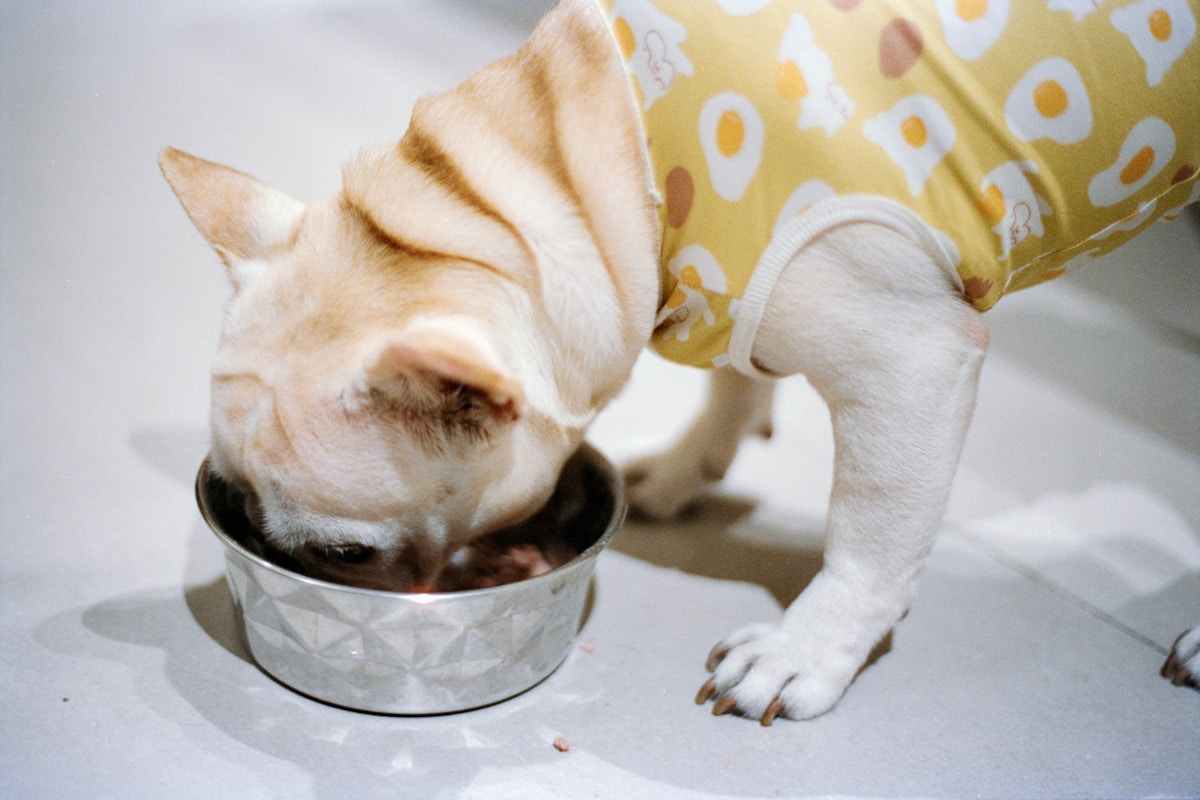
For millions of dog owners around the world, mealtime is shadowed by daily anxiety over their companion’s volatile gastrointestinal tract. You carefully measure out dry brown pellets into a bowl, watching with a protective eye as your dog eats. Within hours, the familiar cycle of digestive misery resumes: loud rumbling gurgles echoing from the abdomen, noxious sulfurous flatulence that clears the living room, early morning vomiting of frothy yellow bile, or frantic pacing at the back door followed by urgent, watery, unformed stools. You have tried switching between brands, transitioning from chicken to lamb, experimenting with grain-free formulas, and adding canned pumpkin, yet your dog’s gut remains hypersensitive, reactive, and chronically inflamed.
Faced with chronic gastrointestinal fragility, modern veterinary gastroenterology is increasingly examining the fundamental medium of modern canine nutrition: ultra-processed dry extruded kibble. For more than seven decades, dry kibble has reigned as the default global feeding format, prized by humans for its extreme shelf stability, cheap commodity pricing, and effortless convenience. However, an overwhelming body of independent nutritional research and clinical trial data reveals that the intense manufacturing physics required to produce shelf-stable kibble biscuits: extreme thermal extrusion, heavy starch binders, denatured rendered meals, and severe dehydration: places an unnatural biological burden on the canine digestive system, directly fueling mucosal inflammation, delayed gastric transit, and dysbiosis.
Conversely, the modern clinical revolution of gently cooked, fresh whole-food nutrition is transforming the treatment landscape for dogs with chronic digestive disorders. By delivering intact intracellular moisture, human-grade unoxidized lipids, highly bioavailable muscle proteins, and low-glycemic plant botanicals, fresh food honors the evolutionary physiology of the canine gut. According to clinical veterinary nutrition guidelines from the American Veterinary Medical Association (AVMA) and evidence-based dietary research documented by the American Kennel Club (AKC), dietary moisture and protein bioavailability represent the two most powerful therapeutic levers for reversing chronic enteropathies. This exhaustive clinical guide explores the biochemical, physiological, and microbiological differences between fresh food and extruded kibble, providing the evidence-based roadmap you need to heal your dog’s sensitive digestive tract.
The Food Processing Spectrum: High-Heat Extrusion versus Gentle Cooking
To understand why kibble frequently agitates a sensitive canine stomach while fresh whole food soothes it, one must examine the profound physical and chemical transformations that occur during commercial manufacturing.
The Physics of Thermal Extrusion: High Heat, Shear, and Pressure
Commercial dry dog kibble is not simply baked like human cookies; it is manufactured through a violent industrial process known as high-temperature short-time (HTST) extrusion:
- Extreme Thermal Stress: Raw ingredient mixtures (comprising dry meat meals, ground cereals, legume flours, and mineral premixes) are forced into an industrial extruder barrel where mechanical screws inject pressurized steam, driving internal temperatures between 250 and 320 degrees Fahrenheit (120 to 160 degrees Celsius).
- Mechanical Shear Forces: Enormous rotating screws subject the dough to extreme mechanical shear pressures exceeding 300 to 450 pounds per square inch (PSI), physically ripping apart delicate protein tertiary structures.
- Explosive Flashing: As the molten dough is forced through shaped dies into ambient atmospheric pressure, the superheated water instantly flashes into steam, causing the dough to puff and expand into a porous, crunchy biscuit.
- Nutrient Denaturation: These aggressive thermo-mechanical forces denature fragile natural proteins, destroy heat-labile vitamins (particularly thiamine, riboflavin, folic acid, and vitamin A), and deactivate beneficial food-borne enzymes, requiring manufacturers to spray finished biscuits with synthetic chemical vitamin-mineral premixes.
Gentle Low-Temperature Cooking: Sous-Vide and Atmospheric Steaming
In stark, dramatic contrast, high-quality commercial fresh dog food is prepared using gentle, human-grade culinary methods:
- Controlled Atmospheric Steaming: Whole meats, fresh organ cuts, and gently diced vegetables are cooked at low temperatures (typically between 165 and 185 degrees Fahrenheit, or 74 to 85 degrees Celsius) inside temperature-controlled steam kettles or vacuum-sealed sous-vide pouches.
- Pathogen Lethality without Destruction: This controlled thermal range easily surpasses the USDA thermal death point for bacterial pathogens (such as Salmonella enterica and Listeria monocytogenes) while remaining far below the threshold that denatures delicate amino acid peptide bonds.
- Preservation of Native Enzymes: Gentle low-temperature cooking preserves intact micronutrients, natural antioxidants, and endogenous moisture, completely eliminating the need for industrial texturizers, chemical binders, and synthetic flavor sprays.
Advanced Glycation End-Products (AGEs) and Mucosal Inflammation
One of the most insidious consequences of high-heat kibble extrusion is the creation of toxic thermal reaction artifacts:
- The Maillard Reaction: When proteins and reducing carbohydrate sugars are heated together under high pressure, they undergo the Maillard browning reaction, creating complex chemical cross-links known as Advanced Glycation End-Products (AGEs) and acrylamides.
- RAGE Receptor Binding: When an adult dog consumes kibble containing elevated AGE concentrations, these damaged protein molecules bind specifically to the Receptor for Advanced Glycation End-Products (RAGE) expressed on the surface of canine intestinal enterocytes and gut dendritic cells.
- Nuclear Factor-Kappa B Activation: Binding to RAGE activates the intracellular NF-kB transcription cascade, stimulating the continuous transcription of pro-inflammatory cytokines, including Tumor Necrosis Factor-alpha (TNF-alpha), Interleukin-1 beta (IL-1b), and Interleukin-6 (IL-6). In dogs with inflammatory bowel disease, this chronic chemical signaling keeps the mucosal lining in a state of permanent, smoldering micro-inflammation.
The Cellular Moisture Dynamic: Dehydration versus Physiological Intracellular Water
Perhaps the most profound physiological divergence between dry kibble and fresh dog food lies in their respective moisture profiles. Water is not an inert filler; it is the fundamental biological solvent required for every enzymatic, metabolic, and cellular process in the canine body.
The 10 Percent Moisture Kibble Reality and Biological Desiccation
To prevent mold proliferation and guarantee a twelve-to-eighteen-month shelf life in retail bags, commercial kibble is dried down to between eight and ten percent total moisture:
- Ancestral Moisture Deprivation: The evolutionary ancestor of the domestic dog (the grey wolf) consumed a carnivorous whole-prey diet consisting of fresh muscle, visceral organs, and bodily fluids containing seventy to seventy-five percent native moisture. Canines possess a relatively low thirst drive compared to omnivores and herbivores, having evolved to obtain the vast majority of their daily water directly through their food.
- The Gastric Sponge Mechanism: When a dog consumes a bowl of bone-dry kibble, the porous biscuits act like desiccants in the stomach, aggressively drawing available gastric acid, digestive enzymes, and systemic fluid from the vascular bloodstream into the stomach lumen to soften the food.
- Hypovolemia and Acid Dilution: This massive fluid shift can cause mild transient hypovolemia, reduce mucosal microcirculation, and dilute hydrochloric acid concentrations, impairing gastric pepsin activation and leaving meals stagnating in the stomach for eight to twelve hours.
Intracellular Structured Water in Fresh Whole Food
Fresh dog food delivers seventy to seventy-eight percent physiological, intracellular moisture bound within intact muscle fibers and cellular plant matrices:
- Effortless Enzymatic Dissolution: Because fresh meat is already fully hydrated, it requires zero fluid extraction from the dog’s tissues. Gastric juices penetrate the meal immediately, initiating rapid enzymatic breakdown without gastric distension.
- Superior Mucosal Barrier Hydration: Adequate dietary hydration supports the continuous production of the protective mucin hydrogel layer that lines the gastrointestinal tract. Irritable bowel syndrome and colitis frequently stem from a thinning, dehydrated mucus layer that allows luminal bacteria to contact and irritate underlying enterocytes.
- Renal and Urological Protection: Canines fed moisture-rich fresh diets produce more dilute, frequent urine, drastically reducing the concentration of calculogenic minerals and preventing the formation of calcium oxalate and struvite uroliths in the kidneys and bladder.
Nutritional adequacy standards defined by the Association of American Feed Control Officials (AAFCO) provide the regulatory framework for verified macro-nutrient balance and life-stage completeness.
Protein Bioavailability and Nitrogen Retention in Gastrointestinal Disease
Protein is the cornerstone of canine nutrition, essential for synthesizing muscle tissue, blood proteins, peptide hormones, antibodies, and cellular enzymes. However, the biological utility of protein is dictated not by crude percentages on a guaranteed analysis panel, but by structural bioavailability and amino acid digestibility.
Rendered Meals versus Human-Grade Whole Muscle Protein
The vast majority of commercial dry dog foods rely heavily on rendered animal meals (such as chicken meal, poultry by-product meal, or meat and bone meal):
- The Industrial Rendering Cycle: Rendering involves cooking slaughterhouse trimmings, necks, feet, and undeveloped viscera in massive industrial vats at extreme temperatures (240 to 290 degrees Fahrenheit) for up to an hour to separate fat from animal solids. The resulting slurry is dried and ground into a dark, powdery meal.
- Secondary Thermal Extrusion: This rendered powder is subsequently subjected to a second round of extreme heat during kibble extrusion. Double-thermal processing denatures essential amino acids, particularly lysine, transforming it into unabsorbable lysinoalanine.
- Fresh Human-Grade Whole Meat: High-grade fresh dog food utilizes whole cuts of USDA-inspected muscle meat (chicken breast, beef round, turkey thigh, or pork loin). These meats undergo a single, gentle low-temperature cook, preserving native quaternary protein folding, active peptide sequences, and maximum amino acid bioavailability.
True Ileal Digestibility and Putrefactive Colonic Dysbiosis
When dietary protein is poorly bioavailable, it creates severe microbiological turmoil in the lower bowel:
- The Ileal Cutoff: In a healthy canine, dietary proteins should be completely broken down into single amino acids and small dipeptides within the stomach and duodenum, allowing them to be absorbed across the small intestinal enterocyte border into the portal vein before reaching the ileocecal valve.
- Nitrogen Overflow into the Colon: When poorly digestible rendered proteins escape small intestinal absorption, large amounts of intact peptides pass into the large intestine.
- Proteolytic Bacterial Fermentation: Undigested nitrogen fuels a massive bloom of proteolytic, putrefactive bacteria: predominantly Clostridium perfringens, Bacteroides, and pathogenic Escherichia coli.
- Toxic Metabolic By-Products: These bacteria ferment unabsorbed amino acids into toxic, foul-smelling chemical compounds: ammonia, hydrogen sulfide, indoles, phenols, and biogenic amines (cadaverine and putrescine). These metabolites directly irritate the colonic mucosa, destroy tight junction proteins, and generate the putrid, eye-watering gas and runny stools characteristic of kibble-fed dogs with sensitive stomachs.
The Starch Dilemma: Why High-Carbohydrate Kibbles Agitate Canine Guts
To manufacture dry kibble that holds its structural shape without crumbling into powder in the shipping bag, commercial pet food recipes must contain between thirty and sixty percent carbohydrate starches (such as corn, wheat, white rice, peas, potatoes, or tapioca).
Canine Amylase Realities: The Lack of Salivary Amylase
Canines are biological carnivores belonging to the order Carnivora. While centuries of domestic co-evolution with humans have endowed dogs with additional copies of the pancreatic amylase gene (AMY2B) compared to wolves, their digestive anatomy remains fundamentally specialized for meat processing:
- Zero Salivary Amylase (Ptyalin): Humans produce rich concentrations of salivary amylase to begin carbohydrate breakdown in the mouth during chewing. Canines produce zero salivary amylase; their saliva serves purely as a lubricating fluid rich in lysozyme.
- Pancreatic Amylase Exhaustion: In a kibble-fed dog, the entire burden of breaking down forty to fifty percent dietary starch falls squarely on the pancreas. In dogs with sensitive digestion or subclinical exocrine pancreatic stress, this massive enzymatic demand exhausts acinar cells, leading to incomplete starch digestion.
Small Intestinal Bacterial Overgrowth (SIBO) and FODMAP Fermentation
When complex starches and legume oligosaccharides pass undigested through the small intestine, they trigger profound metabolic disruption:
- Rapid Sugar Fermentation: Undigested starches draw water into the upper bowel via osmotic pressure while serving as an all-you-can-eat carbohydrate buffet for opportunistic bacteria residing in the upper ileum and jejunum.
- Small Intestinal Bacterial Overgrowth (SIBO): Bacteria proliferate rapidly in areas where they should normally exist in low numbers, fermenting starches into massive volumes of methane, hydrogen, and carbon dioxide gases. This produces painful abdominal bloating, loud borborygmi, and severe intestinal cramping.
- Fresh Food Advantage: Formulated fresh diets derive the vast majority of their caloric energy from natural animal proteins and clean fats, utilizing only minimal quantities (ten to fifteen percent) of low-glycemic, highly digestible whole carbohydrates (such as gently steamed sweet potatoes, zucchini, or carrots). This starves opportunistic dysbiotic bacteria, rapidly quieting gut turbulence.
Global feeding recommendations established by the World Small Animal Veterinary Association (WSAVA) emphasize manufacturer transparency, rigorous quality assurance, and validated nutritional research.
Fat Quality, Lipid Peroxidation, and Pancreatitis Dynamics
Dietary fats are an essential energy source, providing more than double the caloric density of proteins and carbohydrates per gram while facilitating the absorption of fat-soluble vitamins (A, D, E, and K). However, the biochemical condition of those dietary fats represents a critical difference between kibble and fresh food.
Peroxide Values and Lipid Rancidity in Commercial Kibble
Extruded kibble biscuits emerge from drying ovens completely devoid of surface fat. To make the dry biscuits palatable to dogs, manufacturers spray finished kibbles with animal fats and digests:
- Surface Lipid Exposure: Because fat is sprayed on the exterior of porous kibbles, it is continuously exposed to atmospheric oxygen, ambient heat, and light inside commercial paper bags.
- Elevated Peroxide Values: Independent testing of opened commercial kibble bags reveals that peroxide values (a primary chemical marker of lipid oxidation) climb steadily after opening. Within three to four weeks at room temperature, polyunsaturated fats turn rancid.
- Mucosal Damage and Nausea: Oxidized fats generate toxic free radicals that strip the protective mucus from gastric walls, sparking chronic nausea, morning vomiting, and subclinical enteritis.
Fresh Unoxidized Lipids and Targeted Anti-Inflammatory Fatty Acids
Fresh dog foods deliver pristine, unoxidized fats locked inside intact cellular tissues or blended fresh under nitrogen blanket freezing:
- Marine EPA and DHA Integrity: High-grade fresh diets incorporate cold-water marine oils (wild salmon or sardine oil) that remain unheated and unoxidized. Intact Eicosapentaenoic Acid (EPA) integrates directly into enterocyte cell membranes, displacing inflammatory arachidonic acid and suppressing the synthesis of leukotriene B4 and prostaglandin E2.
- Moderate, Controlled Fat Levels: For dogs with sensitive digestions, fresh food recipes can be formulated with moderate, precise fat levels (between eight and twelve percent on a dry matter basis). This prevents the excessive duodenal cholecystokinin (CCK) release that causes delayed gastric emptying and minimizes the risk of acute pancreatitis flare-ups.
Microbiome Shifts: How Fresh Food Re-Engineers the Canine Gut Ecosystem
The canine gut microbiome, comprising tens of trillions of symbiotic bacteria, fungi, and archaea residing within the large intestine, acts as a primary immunological and metabolic organ. When a dog transitions from extruded dry kibble to gently cooked fresh food, the colonic microbiome undergoes a rapid, profound structural metamorphosis.
Microbial Alpha Diversity and Commensal Balance
Metagenomic DNA sequencing studies conducted at major veterinary universities have demonstrated dramatic differences in microbial architecture between kibble-fed and fresh-fed dogs:
- Kibble-Induced Microbial Monoculture: High-starch kibble diets foster large populations of starch-fermenting Firmicutes and opportunistic Bacteroidetes, often reducing overall microbial species richness (alpha diversity). A low-diversity microbiome is clinically correlated with mucosal fragility and inflammatory bowel disease.
- The Fresh-Fed Transformation: Within fourteen days of switching to a fresh, minimally processed diet, canine gut microbiomes exhibit a marked increase in beneficial commensal phyla, particularly Fusobacteria and diverse Bacteroidetes. In canines, contrary to human physiology, elevated Fusobacteria are a strong indicator of optimal carnivorous gut health, correlated with lean body condition and low fecal inflammation.
Short-Chain Fatty Acid (SCFA) Synthesis: Butyrate Power
Commensal bacteria ferment dietary fibers and unabsorbed proteins into short-chain fatty acids (SCFAs), primarily acetate, propionate, and butyrate:
- Colonocyte Energetics: Butyrate serves as the primary metabolic fuel source for canine colonocytes, powering the active cellular turnover of the colonic mucosal lining.
- Tight Junction Claudin Upregulation: Butyrate directly stimulates the genetic expression of claudin-1 and occludin: the structural tight junction proteins that seal the intercellular gaps between enterocytes. By repairing these microscopic bridges, fresh food actively reverses leaky gut syndrome, preventing intact antigens from escaping into systemic circulation.
- Luminal Acidification: SCFAs lower the pH of the colonic lumen, creating an inhospitable, acidic environment that inhibits the colonization and proliferation of pathogenic bacteria like Salmonella enterica, Clostridium perfringens, and Campylobacter.
Clinical guidance from the Tufts Cummings School Clinical Nutrition Service stresses tailored caloric evaluation and precise nutrient density rather than reliance on subjective feeding estimates.
The 10-Day Clinical Transition Protocol: Safely Moving from Kibble to Fresh Food
Because the canine digestive tract adapts its enzyme production and microbial populations to the specific substrates it receives daily, transitioning a dog with chronic digestive issues from dry kibble to fresh food must be executed methodically. Rushing the transition is the single most common cause of temporary soft stools and vomiting.
The Stepwise Adaptation Schedule
Veterinary gastroenterologists recommend a structured ten-day transition protocol:
- Days 1 to 3 (The 25 Percent Micro-Phase): Serve seventy-five percent of the dog’s calculated daily calories from their current kibble and twenty-five percent from the new, gently cooked fresh food. In dogs with severe gastrointestinal sensitivity, serve the fresh food as a separate meal (e.g., fresh food in the morning, kibble in the evening) to prevent transit-speed competition in the stomach.
- Days 4 to 6 (The 50/50 Tipping Point): Divide the daily calories equally: fifty percent current kibble and fifty percent fresh food. Observe stool consistency. Stools may become slightly darker and more compact. If transient softening occurs, hold this ratio for an additional two days before progressing.
- Days 7 to 9 (The 75 Percent Consolidating Phase): Feed twenty-five percent kibble and seventy-five percent fresh food. Pancreatic enzyme synthesis and bile acid secretion have now largely adapted to the bioavailable real meat matrix.
- Day 10 Onward (Complete 100 Percent Fresh Integration): Transition exclusively to one hundred percent fresh, gently cooked nutrition. Old kibble is eliminated entirely.
The Temperature Rule: Why Cold Food Triggers Emesis
One of the most frequent mistakes made by fresh-food feeders is scooping refrigerated food directly from the fridge into the dog’s bowl:
- Gastric Hypothermia: Ingesting a large bolus of ice-cold (38 degree Fahrenheit) food causes immediate vasoconstriction of gastric mucosal capillaries and triggers spastic cramping of the smooth muscle pyloric sphincter.
- Cold-Induced Regurgitation: Within five to fifteen minutes of eating, the dog regurgitates the intact cold meal onto the floor.
- The Warm Slurry Technique: Never feed chilled fresh food straight from the refrigerator. Always bring the portion to room temperature (or stir in two to three tablespoons of warm, purified water or warm low-sodium bone broth) to bring the meal to approximately 95 to 100 degrees Fahrenheit: mimicking the natural body temperature of freshly caught prey.
Sourcing, Balancing, and Veterinary Formulation Standards
While the clinical benefits of fresh food are extraordinary, feeding an unformulated home-cooked meal consisting solely of ground beef, white rice, and broccoli is exceptionally dangerous. Within weeks to months, an unbalanced diet will produce catastrophic nutritional deficiencies.
The Calcium-to-Phosphorus Imbalance Trap
Muscle meat is naturally rich in phosphorus but contains virtually zero calcium:
- Nutritional Secondary Hyperparathyroidism: When a dog is fed unbalanced meat without adequate calcium, the parathyroid gland detects low serum calcium and continuously secretes parathyroid hormone (PTH). PTH forces the dog’s body to demineralize its own skeleton, pulling calcium from the bones to maintain circulating blood levels. In growing puppies and adults alike, this leads to severe osteopenia, pathological fractures, and rubber jaw syndrome.
- The Optimal Ratio: Canine diets must maintain a precise calcium-to-phosphorus ratio between 1.1:1 and 1.4:1, calibrated alongside adequate vitamin D3 to facilitate active intestinal absorption.
AAFCO and FEDIAF Complete and Balanced Profiles
Whether you choose commercial fresh food delivery services or prepare meals at home, the diet must be rigorously certified:
- Complete and Balanced Certification: Ensure commercial fresh foods carry an explicit statement confirming the recipe is formulated to meet the nutritional levels established by the AAFCO (Association of American Feed Control Officials) or FEDIAF Dog Food Nutrient Profiles for adult maintenance or all life stages.
- Formulation by Board-Certified Nutritionists: Premium fresh food brands employ Diplomates of the American College of Veterinary Internal Medicine (Nutrition) to formulate their recipes using pharmaceutical-grade, hypoallergenic vitamin-mineral premixes.
- Home Cooking with Professional Recipes: If cooking at home, never follow random internet blog recipes. Utilize veterinary nutritionist-designed formulation software (such as BalanceIT Canine) to calculate exact gram-weight mineral supplements for your specific novel meat and vegetable bases.
Acinar Cell Zymogen Premature Activation and Lipid-Induced Cholecystokinin Cascades
Canine pancreatitis is a life-threatening inflammatory pathology triggered by the premature intracellular activation of digestive zymogens, primarily trypsinogen, within pancreatic acinar cells. When activated prematurely, these proteolytic enzymes begin auto-digesting pancreatic parenchyma and adjacent peripancreatic mesenteric adipose tissue.
Dietary lipids serve as potent stimuli for the release of cholecystokinin (CCK) and secretin from the duodenal mucosa, which in turn drive vigorous pancreatic enzyme secretion. In animals recovering from pancreatitis, even minor elevations in dietary fat content can reignite severe auto-digestive inflammatory cascades.
Dry-Matter Fat Threshold Calculations: Limiting Dietary Lipids Below Ten Percent
Formulating therapeutic diets for pancreatitis-prone canines requires calculating fat percentages on an uncompromising dry-matter (DM) basis. For acute pancreatitis convalescence, the dry-matter fat content must strictly remain below ten to twelve percent, which translates to less than three grams of fat per 100 kilocalories of metabolic energy.
Many commercial kibbles labeled as low fat contain twenty to thirty percent fat on a dry-matter basis, rendering them dangerously inappropriate for vulnerable dogs. Guardians must learn to convert moisture-containing guaranteed analysis labels into dry-matter values to ensure nutritional safety.
Fresh Lean Turkey and Cod Formulations versus Industrial Extruded Starch Matrices
Gently cooked fresh formulations utilizing skinless white turkey breast, Pacific cod, and pureed sweet potatoes offer immense clinical advantages over dry kibble. Ultra-lean fresh proteins maintain natural cellular moisture and high biological value without the oxidized fats and advanced glycation end-products found in high-heat extruded dry kibbles.
Furthermore, fresh whole-food diets can be calibrated to ultra-low lipid profiles while maintaining exceptional palatability for dogs experiencing post-pancreatitis inappetence. Whole-food moisture reduces gastric transit resistance, easing demands on the recovering digestive system.
Pancreatic Exocrine Enzyme Supplementation and Low-Residue Enteral Nutrition
In chronic pancreatitis cases where secondary exocrine pancreatic insufficiency (EPI) threatens nutrient absorption, adding exogenous porcine pancreatic enzymes (lipase, protease, amylase) to room-temperature food pre-digests nutrients before they reach the duodenum. This enzyme supplementation provides functional rest to the inflamed organ.
Small, frequent meals spaced four to six times daily prevent acute distension of the stomach and duodenum, dampening spikes in digestive secretions. Feeding easily absorbed, low-residue ingredients preserves muscle mass while shielding the pancreas from inflammatory flares.
Nutritional Management for Pancreatitis Convalescence: Low-Fat Whole Food Architecture
Supporting a canine recovering from acute or chronic pancreatitis requires lifelong commitment to ultra-low-fat nutritional formulations that minimize acinar cell stimulation. Preparing home-cooked meals under board-certified veterinary nutritionist guidance utilizing skinless chicken breast, Atlantic cod, and pureed sweet potatoes ensures fat content remains strictly beneath ten percent dry matter.
Dividing daily caloric rations into four to six micro-meals prevents gastric distension and suppresses intense digestive enzyme surges. Providing room-temperature meals and fresh water throughout the day ensures smooth gastrointestinal transit without metabolic stress.
Avoiding all high-fat commercial chews, rawhides, pig ears, and table scraps is essential to prevent sudden inflammatory pancreatitis relapses. Diligent nutritional management safeguards pancreatic health, fostering energetic recovery and lifelong vitality.
The nutritional pancreatitis comparison matrix below contrasts the dry-matter lipid levels, caloric densities, and digestive enzyme burdens of commercial kibbles versus therapeutic fresh whole-food diets.
Commercial Dog Food Formats Comparison: Extruded Kibble versus Alternative Diets
Review the comprehensive comparative matrix below evaluating manufacturing physics, nutrient retention, moisture profiles, carbohydrate levels, and digestive bioavailability across six primary canine feeding formats.
| Feeding Format | Thermal Processing | Carbohydrate Starch Content | Moisture Profile | Digestive Bioavailability | Impact on Sensitive Gastrointestinal Tracts |
|---|---|---|---|---|---|
| Fresh Gently Cooked | Low-temperature sous-vide / steaming (165F to 185F) | Very Low to Moderate (10% to 20% whole vegetables) | 70% to 75% (Intracellular physiological water) | Exceptional (92% to 95% true ileal absorption) | Soothes inflamed enterocytes, reduces fecal volume, restores gut motility |
| Extruded Dry Kibble | Ultra-high heat extrusion (250F to 320F) under pressure | Very High (35% to 60% essential structural starch) | 8% to 10% (Desiccated shelf-stable biscuit) | Moderate (70% to 80% with high fecal residue) | High risk of delayed gastric emptying, colonic fermentation, gas, and IBD |
| Freeze-Dried Raw | Sub-zero vacuum lyophilization (-45F under vacuum) | Minimal (0% to 5% non-functional botanicals) | 2% to 4% (Requires warm liquid rehydration) | Ultra-High (94% to 97% bioavailable peptides) | Excellent if rehydrated; high fat requires gradual pancreas adaptation |
| Cold-Pressed Food | Low-temperature mechanical compaction (110F to 130F) | Moderate to High (25% to 40% cooked starches) | 10% to 12% (Dense sinking pellets) | High (85% to 88% bioavailable nutrients) | Breaks down rapidly in stomach acid without expanding, reducing bloat |
| Commercial Canned Wet | High-heat retort pressure canning (240F to 260F) | Low to Moderate (5% to 15% thickener gums) | 75% to 82% (High water with chemical gelling gums) | High (85% to 90% protein absorption) | Moisture is beneficial, but industrial carrageenan and guar gum can trigger diarrhea |
| Commercial Frozen Raw | Zero thermal processing (Flash frozen at -20F) | Near-Zero (0% to 2% prey-model botanicals) | 68% to 74% (Natural physiological meat water) | Maximal (95% to 98% native enzyme matrix) | Biologically appropriate, but poses pathogen hazards for compromised immune systems |
Adhering to the low-fat nutritional parameters outlined in the comparative table above provides vital metabolic rest to the recovering canine pancreas. Explore the focused frequently asked questions below for essential dietary advice on managing canine pancreatitis.
Frequently Asked Questions About Fresh Dog Food versus Kibble
Is fresh dog food truly better for dogs with digestive problems than prescription kibble?
In many clinical scenarios, yes. While prescription kibbles utilize hydrolyzed proteins or high fiber levels to manage symptoms, they remain ultra-processed, high-heat dry biscuits laden with starch binders and zero native moisture. Fresh gently cooked food provides superior biological bioavailability, unoxidized healthy fats, and seventy percent natural intracellular hydration, giving an inflamed digestive tract the gentle, nutrient-dense rest it requires to heal.
Why does my dog produce so much less poop on fresh food compared to kibble?
This is one of the most immediate and delightful benefits of fresh food. Commercial dry kibble contains massive amounts of indigestible plant fiber, corn gluten, and grain hulls that the canine digestive system cannot absorb, resulting in massive, voluminous, foul-smelling stools. Fresh whole foods are absorbed at rates exceeding ninety percent, meaning the dog’s body utilizes nearly all the nutrients, leaving only tiny, compact, firm, low-odor eliminations.
Can fresh dog food cause pancreatitis in dogs prone to digestive flare-ups?
Only if the recipe contains excessive dietary fat. Fresh food recipes vary widely in fat content, from ultra-lean turkey and cod formulas (under ten percent fat on a dry matter basis) to rich beef and lamb formulas (over twenty-five percent fat). Dogs with a history of acute or chronic pancreatitis must strictly consume low-fat fresh recipes (under ten to twelve percent fat on a dry matter basis) to avoid stimulating excess pancreatic lipase secretion.
How long does fresh dog food stay fresh in the refrigerator?
Because gently cooked fresh food contains zero artificial chemical preservatives (such as BHA, BHT, or potassium sorbate), opened portions must be treated like human leftovers. Store thawed fresh food in an airtight glass or BPA-free container in the coldest part of your refrigerator and use within three to five days. Keep extra portions frozen until forty-eight hours before feeding.
Can I mix fresh dog food and dry kibble together in the same bowl?
Yes, many owners successfully practice a 50/50 hybrid feeding model to gain the nutritional benefits of fresh food while managing household budgets. However, in dogs with hyper-sensitive stomachs, mixing dense extruded starches and fresh meat in a single meal can occasionally cause digestive friction due to differing gastric emptying rates. In sensitive dogs, feed fresh food in the morning and kibble at night.
Is gently cooked fresh food the same as raw dog food?
No, they are distinct feeding formats. Commercial raw food consists of completely uncooked meat, organs, and bones flash-frozen or high-pressure processed without heat. Gently cooked fresh food is lightly steamed or cooked sous-vide at low temperatures (165 to 185 degrees Fahrenheit), which completely neutralizes bacterial pathogens like Salmonella while preserving fragile vitamins and live cellular enzymes.
Why did my dog vomit yellow bile after switching to fresh food?
Morning bilious vomiting syndrome occurs when an empty stomach experiences prolonged irritation from pooled duodenal bile overnight. Because fresh whole food digests and clears the stomach significantly faster than fibrous, high-starch kibble, your dog’s stomach may be completely empty by early morning. To resolve this, simply reserve a small portion of their daily fresh food and serve it as a warm bedtime snack right before sleep.
Does fresh dog food cause dental disease because it is soft?
No, this is a pervasive veterinary myth. Standard dry kibble biscuits shatter instantly upon tooth contact, offering virtually zero mechanical cleaning at the gingival margin. In fact, high-starch kibble residues form sticky oral pastes that feed anaerobic plaque bacteria. Independent dental studies show zero difference in periodontal disease rates between kibble-fed and wet/fresh-fed dogs. Real oral health is maintained through daily toothbrushing, enzymatic rinses, and safe natural collagen chews.
How do I calculate the correct feeding portion of fresh food for my dog?
Because fresh food contains seventy percent moisture, volumetric portion sizes are substantially larger than dry kibble, even while providing the exact same caloric intake. Follow the manufacturer’s weight-based feeding guidelines, or calculate your dog’s daily Resting Energy Requirement (RER = 70 x body weight in kg ^ 0.75) multiplied by their lifestyle activity factor, measuring portions with a digital kitchen scale.
Can puppies with sensitive stomachs eat fresh dog food safely?
Yes, provided the fresh food recipe is specifically formulated and certified by AAFCO for growth or all life stages. Growing puppies, particularly large and giant breed puppies, require precise calcium-to-phosphorus ratios (1.1:1 to 1.3:1) and tightly controlled caloric density to prevent developmental orthopedic diseases like hip dysplasia. Never feed an adult-maintenance-only fresh diet to a growing puppy.
Healing the Canine Digestive Tract Through Nutritional Purity
Watching your canine companion battle chronic gastrointestinal distress: suffering through painful bouts of abdominal cramping, relentless flatulence, bilious vomiting, and debilitating diarrhea: is an exhausting and heartbreaking ordeal. For decades, pet parents were told that dry brown pellets were the only scientific, balanced way to nourish a dog, leading many to believe that their dog’s digestive fragility was an unfixable biological flaw.
Today, the science of veterinary gastroenterology and comparative nutrition has shattered that outdated paradigm. You now understand that chronic digestive disorders are frequently the direct physiological consequence of feeding an ultra-processed, high-heat, starch-heavy, and biologically desiccated diet to an evolutionary carnivore. By stepping away from industrial extrusion and embracing the vibrant healing power of gently cooked fresh whole food, you provide your dog’s gut with the exact tools it needs to thrive: pristine intracellular hydration, highly bioavailable muscle proteins, unoxidized anti-inflammatory lipids, and prebiotic fibers that nurture a resilient, diverse microbiome.
The transformation is profound: calm and peaceful bellies, small and firm eliminations, radiant skin, fresh breath, and a joyful resurgence of playful energy. Your faithful companion depends completely upon your daily dietary choices for their comfort and health. By partnering with your veterinarian and implementing the evidence-based principles outlined throughout this guide, you bestow upon your loyal friend the ultimate biological gift: a peaceful digestive tract, uncompromised nutritional vitality, and a flourishing life by your side for all the happy years ahead.

Leave a Comment