

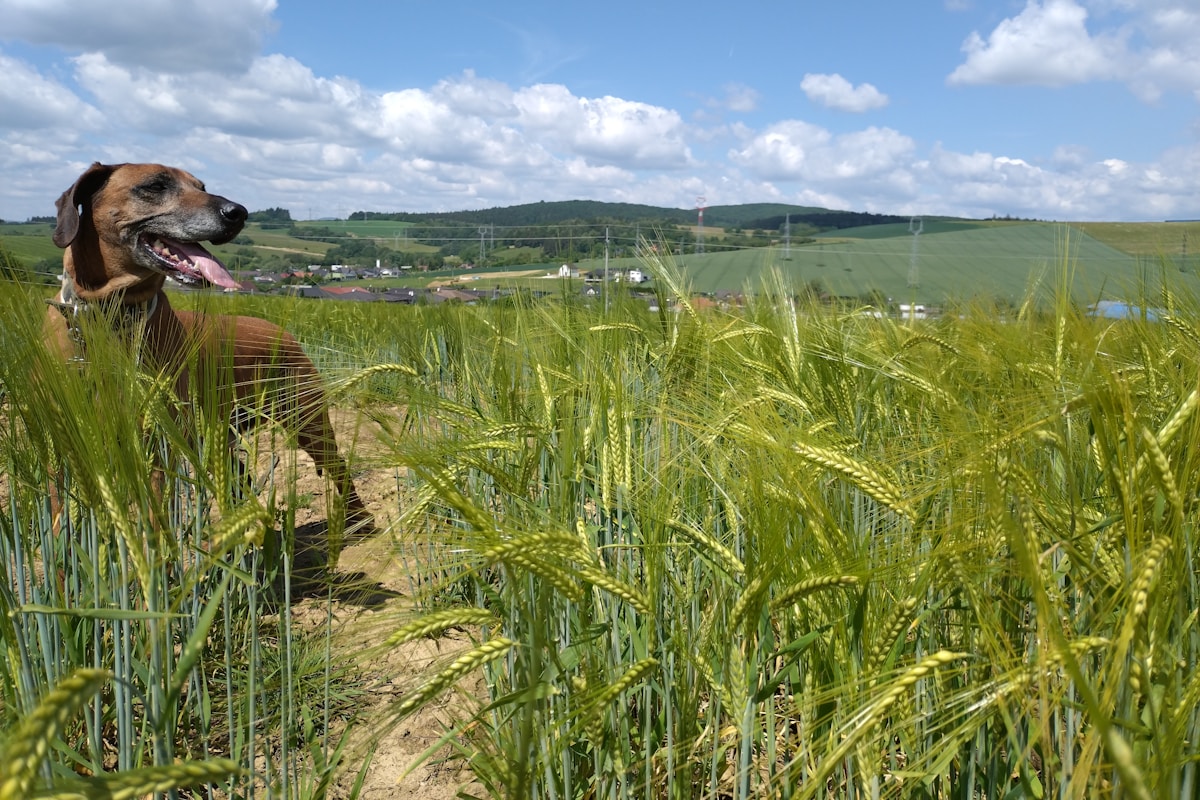
As global summer temperatures reach historic records, pet owners living in arid deserts, humid coastal plains, and sun-drenched southern climates face an increasingly urgent challenge: keeping their canine companions safe and comfortable in extreme heat. While humans possess millions of eccrine sweat glands distributed across their entire body to cool down through perspiration, domestic canines face a significant biological disadvantage. Dogs cool themselves primarily through panting, a process of rapid, shallow breathing that evaporates moisture from the tongue, mouth, and upper respiratory tract, combined with minimal vasodilation through the paw pads.
For many popular breeds, particularly thick-coated northern working dogs and flat-faced brachycephalic breeds like French Bulldogs and Pugs, hot summer weather represents an immediate medical crisis. However, certain remarkable dog breeds evolved over thousands of years in the sweltering deserts of North Africa, the Middle East, and Mediterranean archipelagos. These canines developed extraordinary anatomical, physiological, and coat adaptations that allow them to thrive in temperatures that would incapacitate other dogs.
Drawing on clinical veterinary thermal physiology, research from the American Veterinary Medical Association, and genetic studies published by the American Kennel Club, this comprehensive guide examines the best heat-tolerant dog breeds. You will explore the evolutionary science behind their thermoregulation, critical summer safety protocols, clinical heatstroke triage, and practical hydration strategies to keep your dog thriving all summer long.
The Physiology of Canine Thermoregulation: How Dogs Handle Extreme Heat
To understand why certain breeds withstand blistering heat better than others, one must examine the complex bio-energetic systems canines use to dissipate thermal energy.
1. Respiratory Evaporative Cooling and Cranial Anatomy
The canine nasal cavity is an architectural wonder. Inside the long muzzle of a dolichocephalic hound lies an intricate labyrinth of scroll-like bones called nasal turbinates, covered in a highly vascularized mucosal membrane. When a dog breathes through its nose, moisture on these membranes absorbs body heat and evaporates into the air stream. The longer and more developed the muzzle, the greater the surface area available for evaporative cooling. Dogs with long, refined muzzles can cool blood entering their cerebral circulation by several degrees, protecting their brain from heat trauma.
2. The Surface-Area-to-Volume Ratio
Biophysical laws dictate that heat dissipation is directly proportional to an animal’s surface-area-to-volume ratio. Massive, barrel-chested breeds possess a small surface area relative to their internal mass, meaning they trap immense metabolic heat within their core. Conversely, slender, leggy sighthounds and compact desert canines possess a very high surface-area-to-volume ratio. Their long limbs, lean torsos, and minimal subcutaneous fat layers act as biological radiators, dumping excess heat into the ambient air rapidly.
3. Pinnae Vasodilation and Heat Dumping
The ears of a canine, known clinically as the pinnae, are laced with extensive capillary networks. Breeds that developed in desert and Mediterranean climates, such as the Basenji, Ibizan Hound, and Pharaoh Hound, possess disproportionately large, upright, prick ears. In hot weather, blood vessels in these thin, leathery ears dilate significantly, circulating warm blood close to the skin surface where ambient air currents dissipate the heat before the cooled blood returns to the body core.
4. The Coat Dilemma: Insulation versus Solar Reflection
There is a widespread misconception that hairless or shaved dogs are coolest in summer. In reality, a dog’s coat serves as a two-way thermal barrier. Light-colored, harsh, or single coats reflect radiant solar ultraviolet energy and shield delicate canine skin from direct infrared radiation and blistering sunburns. Shaving a double-coated dog strips away this protective insulation, exposing the bare skin to direct solar radiation and drastically increasing the risk of cutaneous thermal burns and malignant melanoma.
Deep Profiles of the Premier Heat-Tolerant Dog Breeds
1. Basenji: The Barkless Bush Hound of Central Africa
Hailing from the dense, sweltering equatorial forests and arid bush regions of the Congo basin, the Basenji (22 to 24 pounds) is an ancient hunting breed that has lived in extreme tropical heat for millennia. Revered for their independence, cleanliness, and silence, Basenjis are unmatched masters of warm-weather survival.
Heat-Tolerant Adaptations: Basenjis possess an exceptionally short, fine, and silky coat that lies flush against their skin, trapping zero ambient humidity or heat. Their large, hooded prick ears stand continuously erect, acting as natural cooling towers that vent vascular warmth into the breeze. They produce virtually no traditional doggy odor because their skin lacks the sebaceous glandular density typical of northern breeds. Outside in 90-degree sunshine, a Basenji moves with effortless grace, showing none of the heavy, labored panting seen in cold-climate companions.
Care Considerations: Because their coat is thin and their body fat percentage is exceptionally low, Basenjis have zero tolerance for winter freezing temperatures. They require sweaters and heated beds when autumn arrives, making them true warm-climate specialists.
2. Saluki: The Ancient Royal Hound of the Arabian Desert
As one of the oldest recorded dog breeds in human history, depicted on Egyptian tomb walls dating back over four thousand years, the Saluki (40 to 65 pounds) was selectively bred by nomadic Bedouin tribes to course gazelles across the scorching sands of the Middle East.
Heat-Tolerant Adaptations: The Saluki is an aerodynamic marvel. Their deep chest houses an oversized heart and lung capacity, while their tuck-up abdomen and long, slender limbs maximize evaporative surface area. Their smooth, silky coat comes in two varieties, smooth and feathered, both of which are single-layered and shed heat effortlessly. The feathering along their ears and thighs acts like a desert sheik’s flowing robes, diffusing intense sunlight and preventing sunburn without inhibiting airflow. Salukis can sustain bursts of speed up to forty miles per hour across blistering desert sands without experiencing sudden hyperthermia.
Care Considerations: Salukis possess profound sighthound prey drive. They must always be exercised inside tall, secure fenced enclosures or on fixed leashes, as they will chase rabbits or moving wildlife across scorching highways without regard for danger.
3. Chihuahua: The Ancient Desert Survivor of Mexico
Weighing between 3 and 6 pounds, the Chihuahua is the smallest recognized canine in the world, tracing its lineage back to the Techichi dogs kept by the ancient Toltec and Aztec civilizations of Mexico. Originating from the arid, high-altitude deserts of northern Mexico, Chihuahuas are genetically primed for warmth.
Heat-Tolerant Adaptations: Thanks to their tiny body mass, Chihuahuas possess the highest surface-area-to-volume ratio of any domestic dog, allowing them to release body heat almost instantaneously. Their large, expressive flaring ears serve as efficient thermal radiators. While cold weather makes a Chihuahua shiver uncontrollably, sunny 85-degree afternoons bring them immense contentment. They are famous for seeking out sunny floor patches and lounging comfortably where other dogs would rapidly seek shade.
Care Considerations: While they tolerate high ambient temperatures well, their fragile size makes them vulnerable to dehydration much faster than large dogs. In hot climates, fresh, cool water must be accessible at all times, and walks should be kept brief to avoid asphalt pad burns.
4. Ibizan Hound: The Agile Mediterranean Leaper
Developed on the sun-bleached rocky island of Ibiza off the coast of Spain, the Ibizan Hound (45 to 50 pounds) was bred to hunt rabbits over steep cliffs and sun-baked limestone valleys. Known locally as the Ca Eivissenc, this breed operates on sheer athletic endurance under beating Mediterranean sunshine.
Heat-Tolerant Adaptations: The most striking feature of the Ibizan Hound is its colossal, rhomboid-shaped ears, which stand fully upright and measure up to six inches in height. These ears are heavily laced with blood vessels that dissipate core body heat with remarkable efficiency. Their light-colored red and white coats reflect intense solar rays, while their amber eyes are protected from glaring sunlight by pigmented eyelid rims. Their lean, muscular frame carries no excess fat, making them agile and untiring in humid coastal heat.
Care Considerations: Their vertical jumping ability is legendary. An athletic Ibizan Hound can clear a six-foot fence from a stationary standstill. Secure, tall perimeter fencing is mandatory for this spirited Mediterranean hunter.
5. Canaan Dog: The Resilient Bedouin Pariah of the Middle East
The Canaan Dog (35 to 55 pounds) is the national dog of Israel, an ancient landrace breed that survived for centuries as semi-feral pariah dogs across the Negev desert and Judean wilderness before being systematically domesticated in the twentieth century.
Heat-Tolerant Adaptations: Unlike sighthounds that rely on thin single coats, the Canaan Dog possesses a dense, harsh double coat that appears paradoxically thick. However, this coat is a marvel of desert adaptation. The stiff, flat-lying outer guard hairs act as a reflective shield against intense ultraviolet solar radiation, while the short, sparse summer undercoat creates a circulating cushion of air that keeps skin temperature significantly cooler than the surrounding desert atmosphere. Canaan Dogs are also metabolically adapted to water conservation, requiring substantially less fluid intake per kilogram of body weight than European working breeds.
Care Considerations: Canaan Dogs are aloof, vocal watchdogs with strong pack instincts. They require early, continuous socialization and an experienced handler who respects their primitive, survivalist intelligence.
6. Whippet: The Sleek, Efficient Thermal Radiator
While developed in nineteenth-century northern England for coursing and racing, the Whippet (25 to 40 pounds) possesses an anatomical blueprint that makes it surprisingly gifted at tolerating moderate-to-high warmth, provided shade and water are readily available.
Heat-Tolerant Adaptations: With a long, refined muzzle, an exceptionally low body fat percentage, and a sleek single coat devoid of undercoat, Whippets can vent internal heat with minimal effort. Their calm indoor demeanor ensures they do not elevate their metabolic rate through unnecessary pacing or barking during the hottest hours of the day. As long as they are protected from direct sunburn on thin-skinned belly areas, Whippets handle summer heat far better than bulky, heavy-coated sporting companions.
Care Considerations: Their thin skin is easily nicked by desert brush and cacti, and fair-colored individuals require pet-safe sunscreen applied to bridge of the nose and groin areas during peak daytime excursions.
Clinical standards established by the American Animal Hospital Association (AAHA) emphasize the necessity of structured diagnostic evaluations and routine monitoring protocols.
Clinical Veterinary Heatstroke Protocols and Emergency Triage
Even genetically heat-tolerant breeds can succumb to thermal overload if pushed beyond biological limits. Heat-related illness exists along a clinical spectrum, beginning with mild heat exhaustion and rapidly degenerating into life-threatening canine heatstroke (hyperthermia).
1. The Pathophysiology of Thermal Shock
A dog’s normal internal body temperature fluctuates between 100.5 and 102.5 degrees Fahrenheit. When core body temperature rises above 104 degrees Fahrenheit, physiological compensation begins to fail. Above 106 degrees Fahrenheit, cellular protein denaturation commences, leading to widespread vascular endothelial collapse, systemic inflammatory response syndrome (SIRS), acute renal failure, and disseminated intravascular coagulation (DIC), a catastrophic condition where micro-clots form throughout blood vessels, followed by uncontrollable internal bleeding.
2. Recognizing the Warning Continuum
Early Stage (Heat Cramps and Exhaustion): Heavy, frantic panting with an excessively widened, flattened tongue; thick, ropey saliva dripping from the mouth; bright red, congested gums and conjunctiva; weakness, staggering, and wide-eyed distress.
Critical Stage (Acute Heatstroke): The dog collapses and cannot rise; gums transition from dark brick-red to pale grey or muddy purple, signaling cardiovascular failure; vomiting and involuntary diarrhea containing dark blood; seizures, tremors, and sudden loss of consciousness.
3. Evidence-Based Emergency Cooling: What to Do and What to Avoid
If you suspect heatstroke, immediate action is necessary to save your dog’s life before transport to a veterinary emergency hospital. Guidelines from the VCA Animal Hospitals Emergency Department emphasize the following critical protocol:
- Move to Shade or Air Conditioning: Immediately move the dog out of direct sunlight into a climate-controlled room or vehicle.
- Apply Tepid, Cool Water Only: Pour cool tap water continuously over the dog’s groin, neck, underarms, and paw pads. Never use ice water or immerse the dog in an ice bath. Freezing temperatures cause peripheral blood vessels in the skin to instantly constrict, trapping scorching blood inside the vital core organs and driving core brain temperature even higher.
- Promote Air Circulation: Position an electric fan to blow air directly across the wet fur. Evaporation carries away massive amounts of thermal energy.
- The Target Stop Temperature: Monitor rectal temperature continuously with a digital thermometer. Stop active cooling efforts as soon as rectal temperature reaches 103.5 degrees Fahrenheit. Failing to stop cooling will cause the dog’s compromised temperature regulation to plunge into severe hypothermia.
- Transport to Emergency Care: Even if the dog appears to recover, transport it to a veterinary hospital immediately. Delayed organ failure and internal bleeding can develop twenty-four to forty-eight hours after an acute heatstroke episode.
Summer Pavement Physics and Paw Protection
One of the most frequent summer veterinary injuries is severe pad burns caused by walking on sun-baked asphalt and concrete. Asphalt acts as a massive thermal battery, absorbing solar radiation all day long.
Consider the thermal physics of urban walkways:
- At an ambient air temperature of 77 degrees Fahrenheit, direct asphalt temperature can reach 125 degrees Fahrenheit.
- At an ambient air temperature of 87 degrees Fahrenheit, asphalt temperature reaches a blistering 143 degrees Fahrenheit.
- At 140 degrees Fahrenheit, human skin and canine paw pads experience severe thermal burns and blistering in under sixty seconds of exposure.
Always perform the non-negotiable Seven-Second Test: press the back of your bare hand firmly against the sidewalk or street pavement for seven continuous seconds. If the surface is too hot for you to comfortably hold your hand there, it will burn your dog’s paws. Walk on shaded grass, use protective heat-resistant dog boots with rubber soles, or restrict all outdoor walks to early dawn before the sun has heated urban concrete.
According to clinical pathology references published in the Merck Veterinary Manual, early identification of underlying physiological changes provides the highest probability of positive long-term therapeutic outcomes.
Hydration Architecture and Summer Nutritional Management
Maintaining cellular hydration in hot weather involves more than simply filling a water bowl. Canines lose significant water volume through respiratory evaporation, which must be replenished systematically.
1. Preventing Gastric Dilation from Chugging Cold Water
When a panting, overheated dog is presented with a large bowl of ice water, it will instinctively gulp the liquid frantically, swallowing large volumes of air in the process. In deep-chested breeds, this rapid chugging of icy water can trigger severe stomach spasms, vomiting, and potentially fatal gastric dilatation-volvulus (bloat). Provide cool, but not freezing, water in controlled amounts, offering one cup every ten minutes until the dog’s breathing slows to normal.
2. Summer Caloric Adjustments and Moisture-Rich Feeding
Dogs naturally consume fewer calories during hot summer months because their basal metabolic rate decreases when they do not need to burn energy to stay warm. Do not force an adult dog to finish large kibble portions on sweltering days. Instead, boost fluid intake by adding bone broth, pureed seedless watermelon, or unsweetened coconut water to their food. These healthy additions provide natural electrolytes like potassium and magnesium, keeping cellular hydration balanced without adding harmful sodium.
The Summer Exercise Blueprint: Managing Arid and Humid Climates
High-heat pet guardianship requires adjusting your daily activity schedule to work with nature rather than against it.
Follow these seasonal operational rules:
- The Dawn Patrol Protocol (5:00 AM to 6:30 AM): Shift your primary physical exercise to early dawn. During early morning hours, ground temperatures are at their absolute lowest point of the day, having dissipated radiant heat throughout the cool night, and air quality and ozone levels are significantly cleaner.
- Evaporative Cooling Garments: Invest in a high-grade evaporative cooling vest, such as the Ruffwear Swamp Cooler. These vests utilize a three-layer technical fabric system that absorbs water and utilizes natural evaporation to draw heat away from the dog’s chest and cardiovascular core, reducing thermal strain by up to ten degrees.
- Embrace Scent Work and Indoor Games: When midday heat waves strike, keep your dog inside an air-conditioned home and replace physical exercise with mental enrichment. Snuffle mats, stuffed frozen chew toys, and hide-and-seek scent tracking games provide deep mental exhaustion without elevating internal core body temperature.
Renal Osmoregulation and Metabolic Water Conservation
In desert environments, water is an elusive luxury. For native desert breeds like the Canaan Dog and the Saluki, survival depended on the kidneys’ ability to conserve every milliliter of bodily fluid. Understanding the renal physiology of these canines provides fascinating insight into their evolutionary resilience.
Consider the metabolic adaptations that protect desert dogs from dehydration:
- Elevated Urine Concentration Capacity: When ambient temperatures soar, the canine pituitary gland secretes antidiuretic hormone (vasopressin), prompting the renal tubules to reabsorb water back into the bloodstream. While typical European breeds can concentrate urine to approximately 1600 to 1800 mOsm/L, desert landrace canines can achieve urine concentrations exceeding 2400 mOsm/L. This hyper-concentration minimizes water loss through urination while safely clearing metabolic wastes.
- Dietary Protein and Metabolic Water Demands: High-protein diets generate substantial amounts of urea as a byproduct of hepatic amino acid deamination. Excreting excess urea requires significant renal water expenditure. During the hottest summer months, working desert guardians often thrive on diets with moderate, highly digestible protein sources paired with healthy fats, which metabolize cleanly into carbon dioxide and metabolic water without placing unnecessary filtration strain on the kidneys.
Summer Parasite Surges and Toxic Aquatic Hazards
Warm weather is not only challenging for canine body temperature; it also triggers explosive blooms of environmental pathogens and parasites that can threaten your companion’s life.
1. Cyanobacteria (Toxic Blue-Green Algae)
During late summer, warm, stagnant, nutrient-rich freshwater ponds and lakes frequently develop blooms of cyanobacteria, commonly known as blue-green algae. Cyanobacteria produce potent neurotoxins (anatoxins) and hepatotoxins (microcystins). When an overheated dog swims in or drinks from an infected lake, even a single mouthful can be lethal. Clinical signs including muscle tremors, profuse salivation, vomiting, seizures, and acute liver failure can appear within twenty minutes. Never allow your dog to swim in stagnant water that displays a bluish-green film, pea-soup discoloration, or floating surface scum.
2. Vector-Borne Heartworm and Tick-Borne Disease Surges
Mosquitoes, the exclusive vector for Dirofilaria immitis (heartworm disease), reproduce exponentially in hot, humid weather. Similarly, tick species like the Brown Dog Tick and Lone Star Tick become aggressively active in summer grasslands, transmitting debilitating pathogens including Ehrlichia canis, Anaplasma, and Rocky Mountain Spotted Fever. Maintain non-negotiable monthly veterinary preventatives, and conduct thorough full-body tick inspections after every outdoor hike, paying close attention to the warm, vascular skin between the toes and inside the ear flaps.
Backyard Architecture and Outdoor Cooling Engineering
For dog guardians with fenced yards in southern and desert regions, outdoor design must prioritize shade, ventilation, and thermal protection.
Incorporate these essential yard modifications:
- High-Tension UV-Blocking Shade Sails: Solid metal or corrugated plastic patio roofs often trap hot air underneath them, creating an oven effect. Instead, install breathable polyethylene shade sails rated for 90 percent ultraviolet blockage. These technical fabrics block intense solar radiation while allowing rising warm air to escape freely through the micro-weave, keeping the shaded ground up to twenty degrees cooler than surrounding soil.
- Elevated Mesh Cooling Cots: Never expect your dog to rest directly on outdoor concrete or hot wooden deck boards. Provide elevated dog cots constructed with rust-resistant aluminum frames and breathable, heavy-duty vinyl mesh. By elevating the dog six to eight inches off the ground, ambient breezes circulate continuously underneath the torso, maximizing convective thermal heat loss.
- Misting System Physics: Dry versus Humid Applications: High-pressure outdoor misting systems are exceptionally effective in low-humidity environments like Arizona or Nevada, where micro-droplets flash-evaporate, absorbing heat from the air. However, in humid regions like Florida or coastal Texas, adding mist to the air raises relative humidity toward one hundred percent, which completely shuts down your dog’s ability to cool off through panting. Use misting systems exclusively in arid desert climates.
How can pet parents accurately test outdoor ground temperatures before summer walks?
Asphalt and concrete absorb intense solar radiation, reaching surface temperatures forty to sixty degrees hotter than the ambient air. When ambient air is 85 degrees Fahrenheit, black asphalt can easily exceed 135 degrees Fahrenheit: hot enough to cause second-degree thermal burns to canine digital pads in under sixty seconds. Execute the Seven-Second Hand Rule: place the back of your bare hand firmly against the pavement. If you cannot comfortably hold your hand there for seven full seconds, the surface is dangerously hot and walking your dog must be postponed until twilight.
What is the clinical difference between heat exhaustion and acute canine heatstroke?
Heat exhaustion is the early, compensatory stage of thermal stress, marked by frantic heavy panting, thick ropy saliva, bright brick-red gums, and mild weakness. Acute heatstroke (hyperthermia) occurs when internal core body temperature exceeds 104 degrees Fahrenheit. At this threshold, thermoregulation fails catastrophically: the dog exhibits vomiting, bloody diarrhea, glassy glazed eyes, uncoordinated staggering, seizures, and collapse. Heatstroke triggers disseminated intravascular coagulation (DIC) and multi-organ failure, representing an immediate life-threatening emergency requiring rapid veterinary critical care.
Can cooling vests and electrolyte supplements genuinely protect dogs during summer heat waves?
Evaporative cooling vests are effective tools for dry, arid climates because they utilize ambient airflow to draw heat away from the chest and cardiovascular core. However, in climates with high relative humidity (above seventy percent), evaporative cooling vests lose efficacy and can trap humidity against the skin. Plain cool water is always best for canine hydration; never administer human sports drinks containing high sodium and artificial sweeteners like xylitol. Offer clean, room-temperature fresh water with ice cubes floating in the dish for interactive summer enrichment.
How do heat-tolerant sighthounds regulate their energy levels during summer months?
Sighthounds originating from arid desert climates possess an innate instinct for energy conservation. During the hottest midday hours, they enter a state of relaxed semi-dormancy, curling up on cool shaded floors and minimizing muscular movement. They instinctively postpone vigorous exploratory sniffing and sprinting until twilight or early dawn when ground temperatures drop significantly. Respect this natural biological rhythm by shifting all primary outdoor exercise sessions to early morning hours.
Desert Sighthound Evolutionary Genomics: Cranial Turbinate Evaporative Adaptation
Modern canine genetic mapping reveals that breed-typical behaviors and physical temperaments are governed by intricate polygenic complexes selected over centuries of specialized working roles. Whether evaluating small companion breeds or large guardian lines, understanding ancestral working drives – such as pastoral herding instincts, sighthound prey drive, or retriever biddability – allows owners to anticipate cognitive needs before behavioral frustration emerges. During early neurological development, specifically between the critical socialization windows of eight and sixteen weeks of age, breed-specific behavioral tendencies solidify. Exposing adolescent canines to structured environmental stimuli, cooperative handling exercises, and calm problem-solving tasks activates neuroplastic adaptations within the canine prefrontal cortex.
Plantar Keratin Resistance: Paw Pad Thermal Protection Against Blistering Sands
Preserving musculoskeletal integrity across diverse breed conformations requires an understanding of functional biomechanics. Chondrodystrophic, brachycephalic, and giant breeds present unique biomechanical force distributions across their growth plates, coxofemoral joints, and spinal columns during adolescent growth phases. Implementing non-skid flooring, controlled staircase transitions, and low-impact proprioceptive conditioning prevents early micro-trauma to articular cartilage. Furthermore, proactive orthopedic screening – encompassing PennHIP distraction index evaluations, radiographic elbow scoring, and targeted physical rehabilitation – provides owners with objective clinical parameters to maintain fluid, pain-free mobility throughout every stage of life.
Diurnal Behavioral Shifting: Nocturnal Exercise Patterns in Arid Climates
Evaluating inter-canine social compatibility requires analyzing breed-specific communication signals and ritualized greeting postures. While certain companion breeds demonstrate low conspecific reactivity and natural sociability, primitive and livestock guardian breeds display heightened territorial vigilance and pronounced ritualized warning displays. Facilitating positive social interactions requires handlers to recognize subtle displacement behaviors, respect individual flight zones, and maintain loose leashes to avoid artificial defensive posturing. Structured parallel walking routines in neutral territory encourage harmonious social acclimation without placing dogs in high-pressure face-to-face greetings.
Renal Perfusion and Chronic Dehydration Prevention in High-Heat Working Canines
Establishing a lifelong preventative healthcare architecture requires customized veterinary protocols tailored to specific breed predispositions. Regular screening panels – including annual comprehensive biochemical testing, resting electrocardiograms, thyroid antibody assays, and digital ocular examinations – allow clinicians to detect degenerative metabolic conditions during early subclinical stages. Collaborating with veterinary specialists to establish individualized nutritional energy scaling, dental prophylaxis schedules, and lifestyle modifications ensures that companion animals achieve optimal health and cognitive vitality throughout their senior years.
Heat-Tolerant Breed Comparison Matrix
This table compares the primary heat-tolerant dog breeds across essential physiological and management parameters:
| Breed | Average Weight | Primary Cooling Mechanism | Coat Type | Heat Endurance Level | Cold Tolerance Profile |
|---|---|---|---|---|---|
| Basenji | 22 to 24 lbs | Erect ears and fine skin | Short, silky single coat | Exceptional (Equatorial) | Very poor (Needs clothing) |
| Saluki | 40 to 65 lbs | Deep lungs and slender frame | Smooth or feathered single coat | Flawless (Desert courser) | Low to moderate |
| Chihuahua | 3 to 6 lbs | High surface-area-to-volume ratio | Smooth or long single coat | Very high (Arid Mexican) | Extremely poor (Shiver-prone) |
| Ibizan Hound | 45 to 50 lbs | Colossal vascularized ears | Short smooth or wiry coat | Exceptional (Mediterranean) | Low (Thin body fat) |
| Canaan Dog | 35 to 55 lbs | Thermal reflective double coat | Harsh, reflective summer coat | Superior (Bedouin desert) | Moderate to good |
| Whippet | 25 to 40 lbs | Aerodynamic frame and thin coat | Ultra-short single coat | High (Requires shade) | Very poor (Zero undercoat) |
Frequently Asked Questions (FAQs)
Should I shave my double-coated dog in the summer to keep it cool?
No, you should never shave a double-coated dog such as a German Shepherd, Golden Retriever, Husky, or Canaan Dog. A double coat consists of harsh outer guard hairs that reflect solar radiation and a soft insulating undercoat. When properly brushed out, air circulates freely between the hairs, insulating the dog’s skin from heat and protecting it from direct ultraviolet sunburns. Shaving the coat removes this natural insulation, increases the risk of heatstroke, exposes the skin to solar burns, and frequently results in permanent coat damage known as post-clipping alopecia.
What is the difference between dry heat and humid heat for dogs?
Humid heat is substantially more dangerous for dogs than dry desert heat. Because canines rely almost entirely on evaporative cooling from panting, high atmospheric humidity prevents moisture on their tongue and airway membranes from evaporating into the air. In humid tropical environments, a dog can suffer fatal heatstroke at temperatures as low as 82 degrees Fahrenheit, whereas in bone-dry desert conditions with zero humidity, evaporative cooling functions with maximum efficiency.
Can dogs drink sports drinks like Gatorade for electrolytes?
Human sports drinks are formulated for human perspiration losses and contain excessively high concentrations of sodium and refined sugar, as well as artificial colorings and potentially lethal artificial sweeteners like xylitol. Never give human sports drinks to a dog. If your dog requires supplemental hydration after strenuous warm-weather exercise, use veterinary-formulated canine oral electrolyte solutions like Pet-A-Lyte, or simply add low-sodium bone broth to fresh tap water.
How can I tell if my dog’s paw pads have been burned by hot pavement?
Signs of thermal pavement burns include limping, refusing to walk, licking or chewing obsessively at the paws, pad tissue that looks unusually red or darkened, visible blisters, or sections of pad skin peeling away. If pad burns occur, flush the feet with cool water immediately, apply a soothing veterinary antimicrobial spray, wrap the paws in clean cotton bandages, and take your dog to a veterinarian for pain medication and infection prevention.
What should I do if my dog refuses to drink water in hot weather?
Dogs can become picky about water if it smells stale, contains high chlorine concentrations from city taps, or is served in warm plastic bowls that harbor bacteria. Use a stainless steel or ceramic bowl, wash it daily, and add several ice cubes to keep the water chilled. You can also flavor the water with a splash of tuna water (from tuna packed in water without salt) or unseasoned chicken broth to encourage eager drinking.
Are light-colored dogs at higher risk of sunburn than dark-coated dogs?
Yes. Dogs with white or light-colored coats, pink skin, and unpigmented noses, such as white Bull Terriers, Dalmatians, or light Whippets, are highly vulnerable to ultraviolet solar radiation. Chronic sun exposure on unpigmented skin causes solar dermatitis, actinic keratosis, and malignant cutaneous squamous cell carcinoma. Apply dog-safe, non-toxic pet sunscreen (devoid of zinc oxide and para-aminobenzoic acid) to the nose, ear tips, and thin-skinned belly areas before daytime outings.
How long does it take for a dog to acclimate to a warmer climate?
Canines require approximately sixty days of gradual exposure to fully acclimate to a significantly warmer or more humid climate. During this physiological adaptation period, the dog’s cardiovascular system increases plasma volume, reduces urinary electrolyte excretion, and optimizes breathing efficiency. When relocating to a hot region, keep walks very short and easy for the first two months. Provide gradual morning exposure to outdoor temperatures while ensuring the dog returns to climate-controlled spaces well before distress occurs. Pushing an unacclimated dog into strenuous outdoor activity during the first two weeks in a hot climate is one of the leading causes of acute veterinary hyperthermia emergencies.
Can dogs safely swim in chlorinated swimming pools to cool off?
Yes, swimming is one of the finest low-impact cooling exercises for dogs. However, heavily chlorinated pool water can irritate canine eyes and dry out skin. Teach your dog where the pool steps are located so it can exit safely on its own. Never assume a dog will instinctively navigate to an exit ladder designed for humans. Always rinse your dog with fresh tap water immediately after swimming to remove chlorine residues from the fur, and dry the ear canals thoroughly with an ear cleanser to prevent moist bacterial ear infections. Furthermore, monitor your dog closely to ensure it does not gulp mouthfuls of pool water while fetching floating toys, as chlorine and pool balancing chemicals can induce acute gastrointestinal gastritis.
Why do some dogs dig holes in the yard during hot summer afternoons?
Digging in the dirt is an ancient instinctual cooling strategy. In hot weather, the top inch of topsoil absorbs baking ambient heat, but several inches beneath the surface, the earth remains cool, moist, and insulated. Dogs dig down to expose this cool subterranean soil and then lie flat in the crater to cool their belly and abdominal organs through direct conductive heat transfer.
What are the symptoms of water intoxication in dogs playing in sprinklers or pools?
Water intoxication, or hyponatremia, occurs when a dog swallows massive volumes of water while repeatedly catching frisbees, biting sprinkler jets, or swimming. Excess water dilutes blood sodium levels, causing cells to swell with fluid. Symptoms include lethargy, nausea, vomiting, glazed eyes, staggering, bloating, and in severe cases, brain edema, seizures, coma, and death. Limit high-drive fetch games in water to brief ten-minute intervals with forced resting breaks.
The Definitive Blueprint for Warm-Climate Canine Stewardship
Living joyfully with a dog in hot climates is entirely achievable when you match your environmental reality with biological awareness, responsible breed selection, and scientific thermal management. Canines that evolved in warm climates, such as the Basenji, Saluki, Ibizan Hound, Canaan Dog, and Chihuahua, demonstrate that nature has engineered brilliant solutions for heat tolerance.
By respecting the limits of canine physiology, providing continuous fresh water, shifting exercise to cool morning hours, protecting paw pads from searing asphalt, and never leaving an animal in an enclosed vehicle, you create a safe, vibrant summer lifestyle. Keep evaporative cooling gear ready, prioritize mental enrichment during extreme midday heat waves, and learn to recognize the subtle physiological warning signs of thermal fatigue before clinical hyperthermia takes hold. With proactive vigilance, thoughtful preparation, and empathetic care, you and your heat-loving companion will enjoy endless sun-drenched adventures, staying healthy, cool, and happy throughout the hottest months of the year.

Leave a Comment