
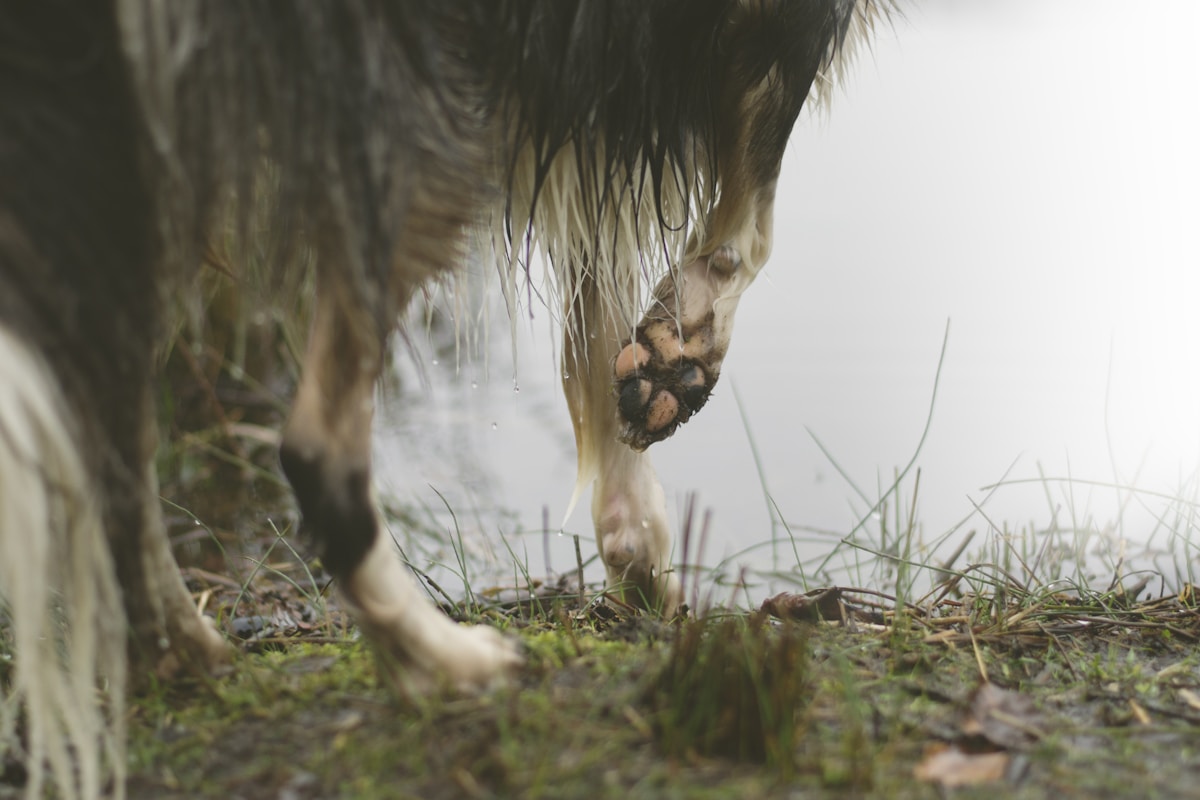
Every dog guardian is familiar with the exuberant joy of an outdoor adventure that ends in a thick, glorious coating of mud. Whether bounding through sodden forest trails, sprinting across sun-warmed marshlands, or digging enthusiastically in the backyard after an autumn rainstorm, dogs possess an innate, joyful affinity for wet earth. However, as the excursion concludes and your companion rests comfortably in the warmth of your home or vehicle, a silent physical transformation takes place beneath their feet. That soft, pliable, lubricating mud begins to lose its moisture to the ambient air, rapidly dehydrating and contracting into hardened, rock-like subterranean plugs wedged deep within the interdigital webbing and between the sensitive digital paw pads.
For pet parents, discovering paws encased in hardened, concrete-like mud presents a frustrating and deceptively dangerous grooming challenge. The instinctual human reaction is often to grab a coarse dry towel and vigorously scrub, or worse, to pinch the hardened clay chunks with fingers and yank them free from the fur. Seasoned veterinary dermatologists, orthopedic surgeons, and professional master groomers issue an urgent warning against these mechanical practices. Yanking hardened mud pulls delicate hair shafts directly from their follicles, tears the ultra-thin interdigital skin, introduces virulent soil-borne pathogens into open micro-fissures, and creates acute, traumatic pain that can turn an otherwise gentle canine into a fear-reactive biter whenever their feet are touched.
Safe and effective mud removal requires an understanding of canine pedal anatomy, soil biophysics, dermatological microbiology, and gentle hydrotherapy emulsification. A dog’s paw is not merely a piece of tough leather; it is a complex, highly specialized anatomical structure laced with proprioceptive nerves, shock-absorbing digital cushions, sweat-producing merocrine glands, and delicate vascular webs. By replacing traumatic mechanical tearing with scientific warm-soak rehydration, lipid-based de-clumping, and protective post-cleaning barrier restoration, you preserve your dog’s mobility, comfort, and trust.
Drawing on clinical veterinary podiatry guidelines, dermatology research from the American Veterinary Medical Association (AVMA), canine foot care standards from the American Kennel Club (AKC), and emergency soft-tissue protocols from VCA Animal Hospitals, this comprehensive guide provides an exhaustive clinical manual for safely cleaning dried mud, preventing debilitating pododermatitis, and protecting your companion’s paws through every season of outdoor exploration.
Canine Pedal Anatomy: Exploring the Complex Interdigital Webbing
To understand why dried mud presents such an acute physical hazard, one must first explore the intricate anatomical architecture of the canine paw. While human feet are protected by socks and synthetic footwear, a dog’s paws operate as exposed, load-bearing instruments navigating hostile terrain.
1. Digital and Metacarpal Pad Architecture
A canine paw consists of four weight-bearing digital pads, a central heart-shaped metacarpal pad (or metatarsal pad on the hind limbs), and a non-weight-bearing carpal pad located higher on the wrist. Each pad is composed of heavily keratinized, stratified squamous epithelium arranged in conical papillae, supported by a deep subcutaneous digital cushion. This cushion is rich in adipose tissue, collagenous elastic fibers, and vascular plexuses that absorb up to eighty percent of kinetic impact during locomotion.
2. The Delicate Interdigital Webbing
In stark contrast to the tough, calloused external pads, the skin connecting the digits: known as the interdigital webbing: is exceptionally thin, pliable, and vascular. It measures only a fraction of a millimeter in thickness. This webbing allows the digits to splay naturally during running and digging, providing dynamic traction and stability. Because this skin is so thin and protected from ambient air, it is highly sensitive to friction, micro-tears, and bacterial colonization.
3. Merocrine Sweat Glands and Interdigital Hair Tufts
Unlike humans who possess millions of sweat glands across their entire torso, canines possess functional merocrine sweat glands exclusively on their non-haired digital paw pads. Furthermore, the valleys between the pads and within the interdigital crevices are densely carpeted with coarse guard hairs and soft undercoat tufts. These hairs serve to filter dust, shield the webbing from sharp gravel, and cushion the toes. However, when wet mud saturates these hair tufts, the hair acts as a reinforced structural grid: much like fiberglass in resin: binding the mud into an impenetrable, rigid composite that locks tightly around the digits.
The Biophysics of Hardened Mud: How Clay Damages Paws
Mud is not a single uniform substance; it is a complex geological mixture of silt, sand, organic decaying vegetation, and microscopic clay platelets. Understanding how mud behaves as it transitions from liquid to solid explains why it becomes so destructive to canine tissues.
1. Desiccation, Volume Contraction, and Mechanical Constriction
Clay particles are microscopic, negatively charged crystal sheets that hold vast amounts of water between their layers. When wet mud fills the crevices between a dog’s toes, it expands into every available anatomical space. As ambient air evaporates the water, the clay platelets collapse together, undergoing dramatic volume contraction. The shrinking clay exerts immense compressive force, strangling hair tufts and pulling opposing folds of interdigital skin together into tight, pinched creases.
2. Abrasive Sandpaper Action and Micro-Lacerations
Dried mud contains sharp crystalline silica and quartz sand grains. Every time the dog takes a step with dried mud between its pads, the hardened clumps grind against the delicate interdigital skin like coarse sandpaper. With every stride, this mechanical shearing creates hundreds of microscopic epidermal lacerations, stripping the stratum corneum barrier and allowing blood serum to leak into the dried mud mass.
3. Capillary Compression and Ischemic Pain
When heavy, hardened mud plugs wedge between the digits, they prevent the dog’s toes from flexing and splaying naturally. The constant rigid pressure compresses microscopic capillaries supplying blood to the digital webbing. The resulting localized tissue ischemia (loss of blood perfusion) triggers throbbing, aching pain similar to a tight pebble wedged inside a human runner’s shoe, causing the dog to limp, lick obsessively, or refuse to bear weight.
Clinical standards established by the American Animal Hospital Association (AAHA) emphasize the necessity of structured diagnostic evaluations and routine monitoring protocols.
Pathological Complications of Neglected or Improperly Removed Mud
Failing to remove dried mud promptly, or attempting to yank it out violently with dry mechanical force, leads to severe, painful veterinary medical conditions requiring systemic medical therapy.
1. Acute Canine Pododermatitis
Pododermatitis is a generalized clinical term denoting severe inflammatory or infectious disease of the canine paw. When dried mud creates micro-lacerations in the interdigital webbing, soil-borne microorganisms immediately invade the damaged tissue. The combination of warmth, residual sweat moisture, and open wounds triggers acute bacterial pyoderma (predominantly driven by Staphylococcus pseudintermedius) or opportunistic fungal overgrowth (Malassezia pachydermatis). The paw becomes intensely swollen, fiery red, hot to the touch, and begins oozing purulent, foul-smelling exudate.
2. Foreign Body Granulomas and Embedded Organic Debris
Mud is rarely sterile dirt; it frequently conceals sharp biological hazards: such as thorn fragments, dried grass awns (foxtails), tiny glass shards, or jagged gravel pieces. When mud dries into a rock-hard matrix, it drives these sharp foreign bodies directly into the interdigital skin folds. Once embedded, the canine immune system walls off the foreign material with dense fibrous scar tissue, creating a painful, chronic inflammatory nodule known as a foreign body granuloma that often requires surgical excision under general anesthesia.
3. Interdigital Cysts and Deep Furunculosis
When dried mud is ripped away with dry fingers, hair shafts are frequently broken off beneath the skin surface or yanked out, damaging the hair follicle infundibulum. When a new hair attempts to grow back, the damaged follicle directs the hair shaft inward into the dermis rather than outward. The free keratin stimulates a violent foreign-body immune reaction, resulting in deep interdigital furunculosis: large, blood-filled, agonizing bullae between the toes that rupture and drain chronically.
4. Digital Pad Hyperkeratosis and Fissuring
Repeated exposure to drying alkaline clay draws essential lipid moisture out of the digital pads themselves. Over time, the pads respond with compensatory hyperkeratosis: an overproduction of hard, brittle, dry keratin that cracks open into deep, bleeding fissures. Walking on cracked pads is excruciatingly painful, transforming everyday strolls into a source of chronic canine suffering.
Dangerous Practices to Avoid: The Golden Rules of Paw Safety
Before examining the gold-standard removal protocol, pet parents must understand which widespread domestic practices cause severe veterinary harm and should be strictly avoided.
1. The Lethal Error of Dry Pincer Pulling
Pinching a dried, hardened clump of mud with fingers or pliers and yanking it backward is the single most destructive action an owner can take. Because hair shafts are locked into the hardened mud composite, pulling the clump exerts intense traction on hair roots, tearing the delicate skin, creating open micro-wounds, and causing agonizing pain. This practice frequently causes deep interdigital furunculosis and conditions the dog to snap or bite defensively when its paws are handled.
2. The Hazard of Household Scissors Between Paw Pads
When frustrated by rock-hard mud clumps, many owners grab pointed kitchen or household craft scissors to cut the clumps out of the fur. This practice accounts for thousands of emergency veterinary surgical visits every year. The interdigital webbing is highly mobile and elastic; if the dog twitches, kicks, or pulls its paw away while scissors are positioned between the pads, the sharp blades slice directly through the vascular webbing or sever the digital artery, resulting in arterial bleeding, permanent tendon damage, and urgent emergency surgery.
3. Harsh Human Sanitizers, Rubbing Alcohol, and Dish Soaps
Applying human antibacterial hand sanitizers, isopropyl rubbing alcohol, or concentrated degreasing dish soaps to muddy paws is intensely toxic to canine skin. Alcohol dehydrates the stratum corneum, causing burning pain in existing micro-lacerations. Dish soaps strip every trace of protective sebum, triggering rebound pododermatitis. Always use pH-balanced veterinary cleansers specifically formulated for canine epidermal biochemistry.
According to clinical pathology references published in the Merck Veterinary Manual, early identification of underlying physiological changes provides the highest probability of positive long-term therapeutic outcomes.
Formulation Science of Paw Balms and Barrier Waxes
Selecting the correct topical lipid formulation after mud removal is essential for maintaining the elastic integrity of the paw pads. Not all commercial paw balms are created equal; understanding their biochemical ingredients protects your pet from toxic absorption.
1. Beneficial Ingredients to Look For
- Refined Medical-Grade Beeswax (Cera Alba): Forms a dense, breathable, hydrophobic barrier over the stratum corneum that repels future mud and road salts while permitting normal oxygen exchange.
- Unrefined Shea Butter (Butyrospermum Parkii): Rich in cinnamic acid and triterpenes that exert natural anti-inflammatory effects on micro-scratched interdigital webbing.
- Cold-Pressed Jojoba Seed Oil (Simmondsia Chinensis): A liquid wax ester that closely mimics canine natural sebum, absorbing deeply into the digital cushion without leaving a greasy residue.
- Calendula Officinalis Extract: Clinically proven to stimulate tissue granulation, promote collagen synthesis, and accelerate the closure of microscopic epidermal tears.
- Ceramide NP and Ceramide AP: Synthetically identical to native canine epidermal lipids, ceramides integrate into the lipid bilayer, restoring trans-epidermal moisture barriers.
2. Hazardous Ingredients to Strictly Avoid
- Petroleum Jelly (Petrolatum / Mineral Oil): Forms an occlusive, suffocating plastic-like film over the pads that blocks merocrine sweat glands, trapping heat and moisture that fosters rapid fungal yeast blooms.
- Tea Tree Oil (Melaleuca Alternifolia): While popular in human herbal remedies, tea tree oil contains volatile terpenes that are neurotoxic to dogs. Ingesting even small amounts from paw licking can induce central nervous system depression, ataxia, and hypothermia.
- Synthetic Fragrances and Parabens: Artificial aromatic compounds penetrate micro-lacerations, causing severe contact dermatitis and allergic pruritus in sensitive canines.
Proprioception and Neurological Impacts of Paw Health
The digital cushions and footpads are packed with specialized mechanoreceptors: including Pacinian corpuscles and Meissner’s corpuscles: that transmit vital sensory information regarding ground texture, incline, and balance directly to the cerebellum.
1. Sensory Gating and Proprioceptive Feedback
When rock-hard dried mud remains packed between the digits, it physically distorts the alignment of the metatarsophalangeal joints. This abnormal mechanical pressure constantly fires deep sensory mechanoreceptors, sending confusing sensory signals to the brainstem. The dog’s brain interprets the hardened mud as an uneven, tilting ground surface, forcing the dog to alter its walking kinematics.
2. Biomechanical Compensation and Orthopedic Strain
To avoid bearing full weight on a painful, mud-encased digital pad, a dog will subtly shift its center of gravity toward the opposite limb. This compensatory gait causes asymmetric kinetic loading across the carpal joints, elbows, shoulders, and lumbosacral spine. In adult and senior dogs with pre-existing osteoarthritis, even forty-eight hours of walking with hardened mud between the pads can precipitate an acute orthopedic flare-up, manifesting as severe morning stiffness and lameness.
Step-by-Step Clinical Protocol for Safely Removing Dried Paw Mud
To safely dismantle hardened clay, protect interdigital skin, and soothe tired paws, pet owners must follow this evidence-based six-step clinical restoration protocol.
- Step 1: Preliminary Palpation and Large Debris Removal: Gently examine the dog’s paw in good lighting. With loose, gentle fingers, lightly brush away loose surface sand and unattached dried leaf debris. Never pull on anything that resists. Check for protruding thorns or foreign bodies that require medical extraction.
- Step 2: Warm Hydrotherapy Rehydration Soak: Prepare a shallow basin or foot bath with two to three inches of lukewarm water (95 to 100 degrees Fahrenheit). Dissolve two tablespoons of plain, unscented pharmaceutical-grade Epsom salts (magnesium sulfate) or a capful of 2 percent veterinary chlorhexidine solution into the water. Submerge the muddy paw for a full three to five minutes. Water molecules will penetrate the clay crystal matrix, reversing desiccation and transforming rock-hard mud back into soft, soluble silt without any physical pulling.
- Step 3: Gentle Finger Massage and Slurry Dissolution: While the paw remains submerged in the warm water, gently massage the valleys between the pads with your bare fingers. The softened mud will dissolve effortlessly into the water like melting chocolate. Allow the loosened silt to slide out of the hair tufts naturally without yanking.
- Step 4: Microfiber De-Grit and Deep Interdigital Flush: Lift the paw out of the basin and rinse with a gentle stream of clean lukewarm running water to flush out residual abrasive silica grains from the deepest webbing folds. Wrap the paw in a plush, high-density microfiber towel, gently pressing and blotting to absorb moisture without rubbing back and forth abrasively.
- Step 5: High-Velocity Cool Air Drying: Thoroughly dry the hair and skin between the pads. Never leave the interdigital webbing damp, as trapped moisture between toes creates an ideal breeding ground for Malassezia yeast. Use a high-velocity pet dryer set on cool or a gentle hairdryer on cold air, blowing until the skin between every digit is completely dry and comfortable.
- Step 6: Protective Lipid Barrier and Paw Balm Application: Once the paw is clean and dry, apply a thin protective layer of veterinary paw wax or organic balm containing beeswax, shea butter, calendula extract, and ceramides. This re-establishes the hydrophobic barrier, seals micro-abrasions, prevents paw pad cracking, and creates a slippery protective shield that prevents future mud from sticking during the next adventure.
Tools and Equipment Architecture for Home Paw Care
Equipping your home entryway or mudroom with the correct veterinary-grade tools transforms paw maintenance from a chaotic struggle into an effortless, five-minute luxury routine.
1. Essential Equipment Breakdown
- Silicone Bristle Paw Cleaner Cup: Features a durable plastic tumbler lined with hundreds of soft, flexible, food-grade silicone bristles. Filled with warm water, inserting the paw and gently twisting sweeps away mud from between pads with zero pain or skin abrasion.
- Blunt-Tipped Ball Safety Shears: If matted fur between pads must ever be trimmed, use strictly professional grooming shears featuring rounded ball tips on the blade ends. The rounded ball tip cannot puncture skin or slice webbing even if the dog makes a sudden, violent movement.
- Unscented Magnesium Sulfate (Epsom Salt): Natural mineral salt that creates an osmotic gradient, drawing out inflammatory edema, soothing aching digital joints, and softening compacted minerals.
- Organic All-Weather Paw Barrier Wax: Formulated with medical-grade beeswax, vitamin E, and natural plant oils. Applied before walks, it acts like an invisible boot, preventing mud, ice balls, and chemical road salts from adhering to pad skin.
- LED Headlamp or Clip-On Grooming Light: Provides focused, high-intensity illumination down into dark interdigital crevices, ensuring you can inspect for ticks, cuts, and embedded thorns with surgical clarity.
2. Paw Fur Maintenance and Trimming Principles
Breeds with profuse leg feathering: such as Golden Retrievers, Cocker Spaniels, Australian Shepherds, and Border Collies: frequently develop long, mop-like tufts of hair growing between and around their paw pads, often referred to by groomers as Grinch feet. While natural, these long hair tufts act as biological mops, dragging through mud, collecting burrs, and forming dense felted knots that trap dirt against the skin. Regular bi-weekly pad shaving using a professional veterinary trimmer equipped with a size 10 or size 30 blade flushes the hair flush with the pad level, dramatically reducing mud accumulation while improving floor traction indoors.
Seasonal Considerations: Winter Ice-Melts, Spring Slush, and Summer Clay
Canine paw hygiene is not a static challenge; seasonal environmental chemistry alters the physical composition of mud and introduces unique cutaneous threats throughout the year.
1. Winter Chemical Slush and Toxic Ice-Melts
In winter, outdoor mud is frequently contaminated with municipal de-icing chemicals: predominantly rock salt (sodium chloride), calcium chloride, and magnesium chloride: alongside toxic automotive fluids like ethylene glycol antifreeze. When a dog walks through slush, these chemical salts dissolve into the mud and wedge between the pads. As moisture evaporates, calcium chloride crystals heat up upon hydration, causing acute chemical caustic burns and deep ulcerations. Furthermore, when the dog licks its burning paws indoors, it ingests concentrated neurotoxic salts. In winter, every muddy walk must be followed by immediate warm water rinsing to neutralize toxic chemical residues.
2. Spring Heavy Clay and Organic Spores
Spring thaw creates dense, heavy clay saturated with decaying organic leaf mold and fungal spores. This rich, damp environment harbors high concentrations of Blastomyces and Histoplasma fungal organisms. If dogs with cracked pads walk through spring mud, fungal spores can penetrate subcutaneous tissues, leading to systemic fungal infections. Emulsifying spring clay immediately upon entering the home is mandatory.
3. Summer Hardened Adobe Clay and Burrs
In dry summer climates, mud forms rapidly after lawn irrigation or flash thunderstorms, only to bake under scorching afternoon sunshine into hard adobe clay within hours. This baked clay shrinks rapidly, cementing sharp burrs, goathead thorns, and foxtail grass seeds against the skin. Inspecting paws under direct illumination after every summer hike ensures plant awns are extracted before they migrate under the skin.
Canine Paw Dermatology: Diagnosing Underlying Autoimmune and Metabolic Disorders
While dried mud is a mechanical and environmental stressor, recurring paw pad inflammation, severe cracking, and chronic sensitivity can sometimes point toward deeper systemic, autoimmune, or metabolic diseases that manifest primarily on the canine feet.
1. Symmetrical Lupoid Onychodystrophy (SLO) and Claw Bed Fragility
Symmetrical Lupoid Onychodystrophy is an immune-mediated disease characterized by progressive, painful sloughing of the claws across all four feet. In early stages, owners often mistake the condition for outdoor trauma from digging or running in mud. As claws split, separate from the quick, and fracture longitudinally, secondary bacterial paronychia develops. When mud penetrates these exposed claw beds, it causes agonizing lameness. Diagnosing SLO requires veterinary biopsy or dewclaw amputation; treatment involves lifelong high-dose essential fatty acids (EPA/DHA), niacinamide, and tetracycline derivatives to modulate claw keratinization.
2. Pemphigus Foliaceus: Crusting Lesions and Pedal Pustules
Pemphigus Foliaceus is the most common autoimmune skin disorder in domestic canines, marked by autoantibodies targeting desmocollin-1, a critical adhesion protein that binds epidermal keratinocytes together. The disease presents as recurrent crops of superficial pustules that rupture rapidly, leaving thick, yellowish, honey-colored crusts across the bridge of the nose, ear pinnae, and footpads. When pemphigus affects the paw pads, the keratin layers develop severe fissures and painful erosions. Walking on mud introduces aggressive secondary staphylococcal infections, requiring immunosuppressive glucocorticoid therapy and cyclosporine to induce remission.
3. Superficial Necrolytic Dermatitis (Hepatocutaneous Syndrome)
Superficial Necrolytic Dermatitis is a severe metabolic-cutaneous disorder secondary to end-stage hepatic cirrhosis, functional neuroendocrine pancreatic glucagonomas, or profound amino acid deficiencies. The disease produces hallmark red, white, and blue histopathological lesions across the footpads: characterized by epidermal necrosis, cellular edema, and hyperkeratosis. The pads become severely thickened, crusty, and develop deep, bleeding fissures that make walking almost impossible. Recognizing that chronic, non-healing paw fissures may indicate internal hepatic failure emphasizes the importance of routine veterinary chemistry screenings.
Interdigital Webbing Anatomy: How Dried Clay Causes Mechanical Micro-Abrasions
The canine paw is an intricate biomechanical structure composed of thick digital pads cushioned by adipose tissue and connected by delicate interdigital webbing. When wet mud containing silica, quartz crystals, and clay minerals dries between these folds, it hardens into abrasive, cement-like nodules that grind against sensitive epidermal tissue with every step.
As the dog walks, the mechanical friction of hardened mud causes painful micro-fissures and excoriations in the interdigital skin. Over time, these micro-abrasions provide an open gateway for environmental pathogens to colonize the paw, leading to severe chronic pododermatitis if left unaddressed.
Interdigital Furunculosis Secondary to Impacted Silica and Mud Debris
When dried mud remains wedged between paw pads, microscopic soil particles become forced into hair follicles, creating deep foreign-body reactions known clinically as interdigital furunculosis or cysts. The body attempts to wall off the foreign silica particles, resulting in painful, draining nodules that cause severe lameness and compulsive paw licking.
Attempting to pull or cut dry mud clumps with scissors frequently lacerates the vascular interdigital webbing or drives follicular debris deeper into dermal layers. Safe management requires patient hydration protocols that soften mud without applying mechanical shear forces to compromised tissue.
Warm Water Hydration Soak versus Friction Scrubbing: Cellular Keratin Preservation
The gold standard veterinary method for removing stubborn dried mud is a five-minute warm water soak using a dedicated paw cleaning cup or shallow basin. Warm water rehydrates hardened clay and mineral deposits, causing them to dissolve and slide effortlessly away from the fur without abrasive brushing.
Aggressive dry scrubbing with stiff bristle brushes strips the protective keratinized surface from digital pads and inflames interdigital hair follicles. After soaking, handlers should gently pat the paws dry using high-absorbency microfiber towels, ensuring moisture is completely removed from between every toe.
Topical Barrier Wax Formulations: Hydrophobic Protection Against Marsh Soils
Applying a medical-grade paw barrier wax containing beeswax, carnauba wax, and vitamin E before outdoor excursions creates an invisible hydrophobic shield across the pads and interdigital fur. This protective coating prevents wet clay and mud from adhering directly to skin surfaces, allowing debris to rinse away easily upon returning home.
Regular application of soothing post-walk paw balms enriched with calendula and shea butter keeps pad tissue supple, preventing painful seasonal cracking. For dogs navigating marshy or abrasive hiking trails, lightweight, breathable protective booties offer the ultimate mechanical barrier against mud impaction.
Comprehensive Podiatric Hygiene: Seasonal Paw Protection and Preventative Care
Safeguarding canine paw health against dried mud and abrasive soil particles requires establishing a consistent post-walk inspection and cleaning ritual. Gently inspecting the interdigital spaces between all four digital pads and the central metacarpal pad allows early detection of impacted gravel, foreign burrs, or emerging redness before painful infections develop.
Applying non-toxic natural wax balms before muddy hikes establishes an effective barrier that repels clay and facilitates rapid cleaning upon return. Keeping interdigital fur neatly trimmed level with the pads prevents mud from forming tight, painful knots that pull on delicate skin.
For dogs with sensitive skin or recurrent interdigital furunculosis, incorporating gentle antiseptic paw wipes containing chlorhexidine gluconate ensures deep microbial control. Diligent foot hygiene protects your dog foundational mobility for a lifetime of comfortable outdoor adventures.
The clinical podiatric comparison matrix below contrasts the efficacy, tissue preservation, and safety profiles of standard paw cleaning methods utilized to remove stubborn dried mud from canine paws.
Plantar Integument Resilience: Keratin Regeneration and Footpad Elasticity Maintenance
Maintaining optimal paw pad elasticity is essential for canines traversing diverse outdoor terrains and abrasive soils. The specialized stratum lucidum and heavily cornified epidermis of the digital pads require continuous hydration from internal vascular networks to withstand mechanical shear stresses.
Regular post-cleaning inspections allow pet parents to detect minor pad abrasions, foreign burrs, or early cracks before deep tissue fissures develop. Pairing gentle warm-water cleansing with nourishing natural wax balms preserves footpad elasticity, ensuring your active companion remains agile and pain-free across all outdoor adventures.
Diagnostic Comparison Matrix: Paw Cleaning Methods and Safety Profiles
This table compares the primary methods utilized by dog owners to clean dried mud from between canine paw pads across essential clinical and safety parameters:
| Cleaning Method | Clinical Safety Rating | Pain and Discomfort Level | Debris Clearance Efficiency | Risk of Skin Micro-Tears | Recommended Clinical Setting |
|---|---|---|---|---|---|
| Warm Hydrotherapy Soak | Exceptional (Gold Standard) | Zero (Calming and soothing) | Maximum (Dissolves deep clay) | Negligible (Zero traction) | Home routine after muddy outdoor excursions |
| Lipid / Balm Emulsification | Very High (Therapeutic) | Zero (Gentle lubrication) | High (Breaks stubborn compacted resin) | Zero (Softens hair cuticles) | Paws with matted hair or sensitive skin |
| Silicone Paw Washer Cup | High (Effective) | Minimal (Soft silicone bristles) | Very High (Rapid mechanical wash) | Very Low (When filled with warm water) | Entryway mudroom or traveling after walks |
| Dry Towel Vigorous Rubbing | Poor (Contraindicated) | Moderate to High (Friction burn) | Low (Leaves deep plugs intact) | High (Abrasive epidermal friction) | Light surface dust only; never for dried clay |
| Manual Dry Clump Pulling | Dangerous (Strictly Prohibited) | Severe (Acute traumatic pain) | Moderate (Breaks hair shafts) | Extreme (Tears interdigital webbing) | Never; causes furunculosis and bite reactivity |
| Metal Scissor Trimming | Extremely Dangerous | High (Catastrophic laceration risk) | Variable (Incomplete) | Extreme (Risk of severing web arteries) | Only by trained groomers with blunt safety shears |
Referencing the comparative podiatric standards above ensures that paw hygiene practices protect delicate interdigital webbing and prevent painful pododermatitis. The frequently asked questions section below provides rapid, practical answers to common paw care challenges.
Frequently Asked Questions About Cleaning Dog Paw Pads
Why is yanking dried mud clumps with my fingers so dangerous for my dog?
Dry mud binds tightly around hair shafts and interdigital webbing. Pulling the clump exerts intense traction on hair roots, tearing the delicate skin, creating open micro-wounds, and causing agonizing pain. This practice frequently causes deep interdigital furunculosis and conditions the dog to snap or bite defensively when its paws are handled.
What is the fastest and safest way to soften rock-hard mud on dog paws?
The fastest and safest method is a warm water soak. Submerging the paw in a bowl of warm water (95 to 100 degrees Fahrenheit) for three minutes rehydrates the clay platelets, causing the hardened clump to dissolve naturally into harmless liquid silt without any pulling or discomfort.
Can I use coconut oil or olive oil to help remove dried mud from paws?
Yes. Pure organic virgin coconut oil or olive oil works as an exceptional natural emulsifier. Massaging a small amount of warm oil into stubborn mud clumps lubricates the hair cuticles, dissolves sticky resin and sap, and allows softened mud to slide away effortlessly while nourishing dry paw pad keratin.
How do I stop my dog from licking its muddy paws before I can clean them?
Canines lick muddy paws instinctively to relieve the uncomfortable pulling sensation of drying clay. However, ingesting soil exposes dogs to internal parasites (hookworms, roundworms), Giardia cysts, toxic fertilizers, and chemical pesticides. Place a clean towel or slip on protective dog booties immediately upon entering the vehicle or home, and clean the paws promptly using warm hydrotherapy.
Why do my dog’s paw pads smell like corn chips or stale popcorn after being muddy?
The corn chip smell: commonly called Frito feet: is caused by commensal bacteria (Proteus and Pseudomonas) and yeast (Malassezia pachydermatis) that thrive in warm, humid microclimates between the digital pads. When mud introduces moisture and organic matter, these microorganisms ferment natural sweat secretions, producing volatile organic acids with that distinctive aroma.
Can dog boots prevent mud from getting between paw pads during hikes?
Yes. High-performance, breathable, all-terrain canine booties with rugged rubber soles completely protect paws from mud, sharp rocks, foxtails, and chemical road salts. Ensure the boots fit snugly without constricting circulation, and remove them immediately after the walk to allow the paws to ventilate.
How can I tell if my dog has an infection between its paw pads?
Signs of interdigital infection (pododermatitis) include intense swelling, fiery red skin, purulent yellow or bloody discharge, persistent limping, continuous obsessive licking or chewing of the foot, foul sour odors, and yelping when the paw is gently touched. An infected paw requires veterinary evaluation for prescription antibiotics or antifungals.
Is it safe to use human baby wipes on my dog’s muddy paws?
Human baby wipes can be used occasionally in a pinch, but they are not ideal. Baby wipes are formulated for acidic human skin (pH 5.5) and often contain synthetic fragrances and moisturizing lotions that leave a sticky residue on canine fur. Use veterinary-formulated, alcohol-free, pH-balanced (6.5 to 7.2) cleansing wipes containing chlorhexidine or ketoconazole.
What should I do if I find a piece of glass or a thorn embedded in the mud clump?
Do not yank the foreign body out blindly. Submerge the paw in warm water to gently dissolve the surrounding mud, exposing the foreign object clearly. If a small thorn or splinter is shallow and easily graspable, gently extract it with sterile tweezers, flush the wound with dilute chlorhexidine, and apply a light bandage. If the object is deeply embedded, a piece of glass, or if the wound is bleeding heavily, wrap the paw loosely and take the dog to an emergency veterinary clinic immediately.
How often should the hair between my dog’s paw pads be trimmed?
For long-haired and double-coated breeds, trimming the hair flush with the pad level every four to six weeks is recommended. Keeping the hair short prevents mud and ice from finding purchase, improves traction on indoor slippery floors, and makes routine inspection for ticks and cuts effortless.
Safeguarding Your Dog’s Foundations for a Lifetime of Adventure
A dog’s paws are their primary tactile connection to the natural world: their foundation of balance, their source of athletic power, and their biological compass across earth and trail. When we welcome our companions home from a spirited outdoor adventure, taking the time to gently, scientifically care for their paws is one of the most profound acts of loving stewardship we can provide.
By banishing harmful practices like dry mechanical clump pulling and dangerous household scissors, and embracing the soothing restorative power of warm hydrotherapy, gentle lipid emulsification, complete drying, and protective barrier waxes, you eliminate pain and shield your companion from debilitating pododermatitis. You preserve the soft, flexible resilience of their digital webbing, keep their pads free of agonizing cracks, and ensure that every excursion into nature ends in physical comfort rather than hidden suffering.
With clean, comfortable, and protected paws, your faithful friend is always ready to stride out beside you with vibrant confidence: eager to explore, run, and discover all the breathtaking wonders that wait along the trail ahead.
Leave a Comment