

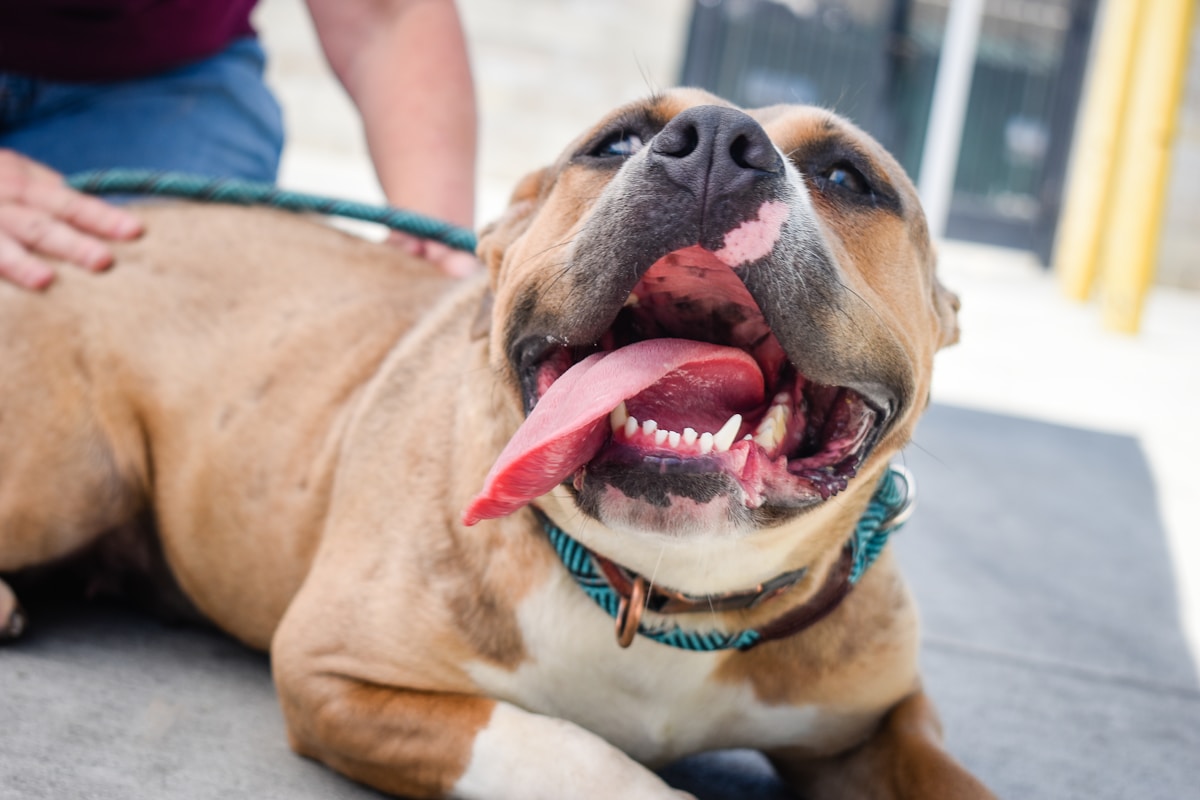
Welcoming a shelter or rescue dog into your domestic environment represents one of the most compassionate commitments an animal advocate can undertake, yet the initial seven days frequently diverge dramatically from the idyllic reunions portrayed in popular media. Animal shelters, municipal pounds, and foster transit hubs are neuro-sensory pressure cookers characterized by persistent concrete reverberations, high-frequency canine distress barking, pungent chemical disinfectant odors, and the chronic absence of predictable human social bonds. When an adopted dog crosses your threshold, their central nervous system is rarely in a state of tranquil celebration; rather, their circulating plasma cortisol, corticosterone, and adrenaline levels are severely elevated, placing the animal in a delicate state of acute sensory overwhelm and hyper-vigilance.
The initial week of adoption is not the appropriate window to host celebratory neighborhood welcoming parties, embark on bustling multi-mile urban park adventures, or demand immediate mastery of complex household obedience commands. Clinical veterinary behaviorists and shelter medicine directors emphasize that successful long-term integration hinges upon facilitating biological decompression. Decompression is the physiological and neurochemical process through which a traumatized or displaced canine downregulates their chronically activated sympathetic nervous system, restores homeostatic neurotransmitter balance, and gradually realizes that their new physical territory is secure, predictable, and devoid of imminent threats. Rushing this delicate transitional phase risks triggering fear-based defensive aggression, severe house-soiling regressions, persistent appetite suppression, or panic-induced escape attempts.
Navigating this critical baseline requires an uncompromising commitment to routine, environmental buffering, sensory gentleness, and realistic developmental expectations. By applying the clinically verified “3-3-3 Rule” – recognizing that a rescue dog requires three days to decompress from acute panic, three weeks to learn household routines, and three months to establish true psychological security – adoptive guardians can replace human impatience with empathetic behavioral science. The following definitive guide provides a minute-by-minute architectural roadmap for guiding your newly adopted companion through their first seven days of domestic life.
The Neuro-Endocrine Impact of Shelter Confinement and Relocation
To shepherd an adopted canine through their initial week successfully, one must comprehend the profound physiological impact of environmental instability. In municipal kennel settings, dogs are continuously exposed to unpredictable sensory inputs: high-decibel auditory reverberations, the scent of unfamiliar and distressed conspecifics, and minimal human contact. These persistent conditions stimulate the hypothalamic-pituitary-adrenal (HPA) axis, resulting in chronically elevated baseline cortisol and catecholamine levels.
When an animal transitions from a kennel directly into a novel residential home, the sudden environmental transformation does not instantly eliminate stress; rather, it introduces a whole new set of sensory anomalies. New acoustic frequencies (refrigerator hums, furnace clicks, television speakers), foreign flooring textures (slick hardwood, ceramic tile), and unreadable human behaviors induce cognitive overload. Authoritative guidelines from the Best Friends Animal Society Rescue Transition Guidelines emphasize that giving a dog autonomous space and quiet downtime is the single most vital intervention an owner can provide during early relocation.
Furthermore, elevated cortisol levels inhibit the immune system and impair the prefrontal cortex, the neurological center responsible for impulse control, social communication, and learning. A newly adopted dog is operating almost exclusively out of their primitive limbic system, governed by survival reflexes: fight, flight, freeze, or fidget. Expecting a shelter rescue to absorb formal obedience cues or exhibit perfect social manners during this acute phase is biologically impossible. True behavioral progress begins only when the autonomic nervous system shifts from sympathetic alarm to parasympathetic recovery.
In addition, shelter dogs often experience disrupted circadian melatonin rhythms due to unnatural 24-hour facility lighting schedules and irregular shift patterns. As a consequence, their natural sleep architecture is fractured. When brought into a home, these disrupted circadian rhythms can manifest as nighttime pacing, midnight whining, or sudden startle responses to gentle movements. Recognizing these physiological anomalies as normal sequelae of acute environmental transition enables guardians to maintain compassion rather than misinterpreting stress as willful stubbornness.
Pre-Arrival Home Preparation: Constructing the Safe Sanctuary Den
The success of Day One begins forty-eight hours before the dog physically enters the home. Creating a dedicated, low-traffic “Safe Sanctuary Den” establishes a physical boundary where the animal can retreat without feeling cornered. This sanctuary should ideally be located in a quiet spare bedroom, laundry area, or quiet alcove of a living room, positioned well away from front entry doors and loud television speakers.
Essential components of the sanctuary space include:
- Orthopedic Nesting Bedding: An enclosed cave-style bed or an open orthopedic foam mattress lined with multiple soft fleece blankets that the dog can paw, burrow, and manipulate to establish thermal security.
- Double-Containment Security Gates: Sturdy metal pressure-mounted or hardware-mounted walkthrough baby gates that partition the room while allowing the dog to maintain visual contact without feeling trapped behind a solid wooden door.
- Low-Stress Hydration and Nutrition Stations: Heavy ceramic or stainless steel bowls placed along a perimeter wall where the dog can drink and eat with their back secured against a corner, preventing vulnerable sightlines.
- Adaptive Pheromonal Saturation: A synthetic dog appeasing pheromone (DAP) diffuser plugged in twenty-four hours in advance to saturate the room’s atmosphere with comforting maternal olfactory signals.
- Acoustic Damping Panels: Placing heavy curtains over windows and soft area rugs over slick laminate or tile dampens indoor echo, significantly reducing acoustic startle sensitivity.
Day One Protocol: The Threshold Crossing and Initial Decompression
The moment of arrival at your residence requires absolute tactical calm. Upon arriving home, do not rush the dog through the front door into the main living quarters. Instead, keep the dog on a secure slip-lead or harness and lead them directly to your outdoor yard or designated relief zone. Allow them ten to fifteen minutes of uninterrupted sniffing on a slack leash to inspect the olfactory environment and perform crucial biological eliminations.
When entering the residence, keep the leash attached as you navigate directly to the prepared Safe Sanctuary Den. Unclip the leash calmly, speak in soft, low-register tones, and avoid direct frontal eye contact, which can be perceived as an intimidating dominance challenge by a fearful animal. Offer a small portion of clean water and a handful of bland food, then step out of the room, close the barrier gate, and allow the dog to exist in absolute silence for several hours. Guidance published by the ASPCA Companion Canine Care Standards highlights that minimizing initial social pressure prevents flight-or-fight threshold breaches during the critical first twenty-four hours.
Throughout the remainder of Day One, avoid the urge to invite neighborhood friends, extended family, or children into the sanctuary space. The dog’s sensory bandwidth is completely saturated. Treat the arrival day purely as a biological intake period focused solely on hydration, urination, and uninterrupted slumber. By removing all interpersonal demands, you demonstrate to the dog that your presence correlates with peaceful safety rather than invasive demands.
Days Two and Three: Managing the Biological Exhaustion Phase
A widespread phenomenon during Days Two and Three of adoption is the “sleep crash.” Having endured weeks or months of fractured, hyper-vigilant sleep in a shelter kennel, newly adopted dogs frequently collapse into profound biological exhaustion once they perceive a minimal threshold of safety. Owners are often surprised to see their new rescue sleep for sixteen to twenty hours a day during this window.
This prolonged slumber is deeply restorative and necessary for neuro-endocrine detoxification. During deep delta-wave sleep, the brain clears metabolic waste products, resets cortisol receptor sensitivity, and consolidates memory pathways. Resist the temptation to awaken the dog to cuddle, take photographs, or go on neighborhood explorations. Maintain a quiet, predictable household background, and ensure all basic biological needs are fulfilled on a strict clockwork schedule:
- Predictable Elimination Schedules: Escort the dog outside on leash every four hours: immediately upon waking, post-breakfast, mid-afternoon, post-dinner, and directly before evening bedtime.
- Bland Nutritional Consistency: Feed a consistent, easily digestible diet. Abrupt dietary transitions combined with relocation stress inevitably induce severe osmotic diarrhea.
- Zero Unscheduled Visitors: Strictly forbid extended family, neighbors, or friends from visiting the home during the first seventy-two hours. External visitors elevate arousal thresholds, undermining fragile safety associations.
- Minimal Vocal Demands: Communicate with gentle whispers or neutral body language, completely avoiding sharp verbal reprimands or loud displays of enthusiasm.
Days Four and Five: Gradual Territory Expansion and Sensory Mapping
By the fourth and fifth days, subtle signs of psychological recovery begin to emerge. The dog may begin stretching luxuriously upon waking, softly wagging the tip of their tail, approaching the baby gate with curiosity, or gently soliciting physical touch with soft eye contact. This marks the transition into the sensory mapping phase, where the animal is ready to explore adjacent interior living spaces under controlled conditions.
Allow the dog to explore the home one room at a time, keeping all exterior doors securely locked and interior closet doors closed. Keep a lightweight, six-foot nylon “drag line” leash attached to the dog’s harness (with the handle loop cut open to prevent snagging on furniture legs). This drag line allows you to guide the animal calmly away from restricted zones without having to physically reach into their space, grab their collar, or startle them. Comprehensive medical frameworks verified by the AAHA Canine Life Stage and Wellness Protocols emphasize that non-confrontational handling during territory expansion builds lasting trust between rescue canines and adoptive owners.
During these exploratory sessions, observe which household stimuli elicit curiosity versus apprehension. If the dog approaches a full-length mirror, a refrigerator ice dispenser, or an acoustic speaker with trepidation, do not physically pull them toward the object to “prove it is safe.” Instead, allow them to retreat to their comfort distance, scatter small pieces of boiled chicken on the floor between themselves and the object, and permit voluntary exploration at their own pace.
Days Six and Seven: The Power of Predictable Daily Micro-Routines
As you approach the end of the initial week, the primary objective shifts toward consolidating an unshakeable daily operational routine. Domestic canines thrive upon environmental predictability; knowing exactly when food will appear, when walks will occur, and when quiet downtime is expected eliminates chronic anticipatory anxiety.
Structure each twenty-four-hour cycle into distinct, repeatable operational blocks. Morning activities should follow an identical chronological progression: bathroom break, breakfast served in a slow-feeder or snuffle apparatus, quiet human coffee time, and a calm, loose-leash neighborhood sensory stroll. Afternoons should be dedicated to independent resting, and evenings should conclude with gentle grooming inspections, a calming lick mat, and lights-out at a fixed hour. When an animal can reliably predict the sequence of daily life, their limbic fear responses give way to calm domestic alignment.
Nutrition, Digestion, and Gastrointestinal Stabilization
The gut-brain axis is nowhere more visibly compromised than in a newly adopted rescue dog. Acute stress triggers rapid release of corticotropin-releasing factor (CRF), which accelerates colonic transit times, alters gut microbiome diversity, and induces acute stress colitis characterized by loose, mucoid stool or intermittent vomiting.
To stabilize gastrointestinal health during the first week:
- Maintain Shelter Diet Continuity: Whenever possible, obtain a five-day supply of the exact kibble formulation the animal consumed at the rescue organization. Maintain this diet exclusively for the first week before initiating any gradual seven-day brand transitions.
- Therapeutic Fiber and Probiotics: Incorporate two tablespoons of plain, pureed canned pumpkin and a veterinary-grade multi-strain probiotic (such as Enterococcus faecium) into daily meals to nourish beneficial intestinal flora and firm stool consistency.
- Divided Smaller Meals: Split the daily caloric intake into three modest meals rather than one large feeding to prevent gastric distension and reduce digestive workload.
- Slow-Release Bone Broth Hydration: If appetite is sluggish, warm low-sodium bone broth to body temperature and pour gently over the kibble. Warm aromas stimulate olfactory feeding pathways even when nausea is present.
Clinical nutrition insights from the Cornell University Riney Canine Health Center verify that supporting mucosal barrier integrity during emotional transitions significantly reduces systemic inflammation and stress-induced immune suppression.
Escape Prevention, Flight Risk Mitigation, and Double-Leashing
The initial week of adoption carries the highest statistical risk of canine escape and tragic disappearance. Shelter dogs do not yet recognize your home as their home, nor do they recognize you as their reliable protector. A sudden loud noise, a dropped stainless steel pan, or an open garage door can trigger an instinctive, blind flight reflex, causing the dog to bolt through microscopic openings.
Implement non-negotiable physical containment protocols across the property:
- The Double-Leash Security System: Whenever leaving the house, equip the dog with two separate points of connection: a properly fitted Martingale collar (which tightens gently to prevent backing out) attached to one leash, and a secure Y-harness attached to a secondary leash looped around your waist or cross-body.
- Airlock Door Procedures: Never open an exterior door directly to the outside world without an intermediate closed barrier (such as a mudroom door or baby gate) securing the canine behind you.
- GPS and Immediate Microchip Registration: Verify microchip operational status immediately upon adoption, and attach a dedicated GPS tracking collar (such as Fi, Whistle, or Apple AirTag in low-range settings) to the collar from the very first hour.
- Fence Line Perimeter Audits: Inspect residential fence perimeters on hands and knees before releasing the dog into a backyard. Check for rotted wooden slats, loose chain-link corners, and animal burrows where an agile escape artist can dig out in under thirty seconds.
Introducing Existing Resident Dogs and Cats Safely
If your household already includes resident pets, managing the introductory phase requires immense patience and spatial segregation. Direct, uncontrolled face-to-face greetings within the home during the first week are strictly forbidden. The resident animals view the newcomer as an invasive territorial threat, while the adopted dog views the residents as potential predators.
Follow a progressive three-stage introduction model:
- Olfactory Scent Swapping (Days 1 to 3): Keep the animals physically separated in distinct zones. Swap their bedding blankets daily and place scent cloths near feeding bowls so positive gustatory associations become linked with each other’s scent signatures.
- Parallel Outdoor Neutral Walks (Days 4 to 5): Conduct tandem leashed walks in a neutral outdoor environment (such as a quiet park fifty yards from the residence), walking fifty feet apart on parallel paths without physical contact, gradually decreasing distance as both dogs exhibit relaxed, curving body language.
- Barrier-Separated Indoor Visuals (Days 6 to 7): Allow visual contact through sturdy wire baby gates or glass doors while delivering continuous high-value treats to both sides, conditioning calm coexistence before any off-leash physical mingling occurs.
Managing Household Children and Establishing Boundaries
Children naturally react to a new canine family member with exuberant excitement, loud vocalizations, and impulsive desires to hug, pet, or play. However, to a decompression-phase rescue dog, high-pitched screaming, sudden erratic movements, and direct physical crowding are terrifying predatory signals that can provoke defensive growling or fear-based snap reactions.
Enforce strict behavioral ground rules for all household children from the first minute:
- The Sacred Sanctuary Rule: When the dog is inside their crate, on their settle mat, or sleeping in their safe room, children are forbidden from approaching, touching, or calling the dog.
- No Involuntary Hugging or Kissing: Educate children that canine body language interprets human frontal hugs as confining restraint. Teach gentle, two-finger petting along the side of the chest or neck, strictly avoiding the head and tail.
- Invited Contact Only: Children must wait for the dog to voluntarily approach them and solicit contact. If the dog moves away, turns their head, or exhibits lip-licking, children must respect the space immediately. Behavioral resources from the Humane Society Fearful Dog Rehabilitation Resources confirm that empowering fearful dogs with voluntary choice completely prevents child-directed bite incidents.
Emergency De-escalation Protocol for Acute Freeze and Panic States
Occasionally, an adopted dog experiences a catastrophic panic threshold breach, entering an acute catatonic “freeze” state or a frantic escape spiral. During an acute freeze state, the dog cowers in a corner, presses their spine firmly against the floorboards, refuses all treats, and exhibits dilated pupils with shallow respiration. This indicates complete neuro-sensory shutdown.
Execute this systematic de-escalation protocol:
- Relieve Immediate Spatial Pressure: Immediately turn your body sideways at a ninety-degree angle, take four slow steps backward, and sit quietly on the floor with your gaze averted toward the wall.
- Eliminate Direct Acoustic and Visual Load: Turn off ceiling lights, close blinds, deactivate television speakers, and turn on a low-frequency brown noise generator.
- Scatter High-Value Primary Aromatics: Gently slide small morsels of warm cooked hot dog or liverwurst along the floor six feet away from the animal, providing a sensory bridge without requiring proximity to humans.
- Allow Autonomous Time: Do not touch, stroke, or speak words of comfort to an acutely frozen dog. Human physical touch during full sensory freeze is experienced as predatory confinement. Allow forty-five to ninety minutes of undisturbed stillness for cortical blood flow to normalize.
Clinical Pharmacology: Evaluated Calming Supplements and Nutraceuticals
For canines arriving with profound shelter trauma or extreme noise phobias, incorporating veterinary-approved nutraceuticals during the first week can soften the peak of sympathetic arousal, making behavioral learning possible.
Evidence-backed calming modalities include:
- Alpha-Casozepine (Zylkene): A bio-active peptide derived from bovine milk casein that binds selectively to GABA-A receptors in the brain, mimicking the natural tranquilizing effect observed in nursing puppies without causing sedation.
- L-Theanine (Suntheanine): A natural amino acid found in green tea that stimulates alpha brain wave production, promoting alert relaxation and dampening acoustic startle responses.
- Synthetic Maternal Pheromones (Adaptil): Available as diffusers, sprays, and collars, these fatty acid esters provide continuous olfactory reassurance directly through the vomeronasal organ.
- Veterinary Collaboration: In severe cases characterized by non-stop panic pacing or self-mutilating barrier scratching, consult your veterinarian immediately regarding short-term pharmaceutical support (such as gabapentin, trazodone, or clonidine) to establish an emotional safety baseline.
Reading Canine Stress Signals: Subtle Signs of Threshold Breach
Canines communicate emotional discomfort long before they resort to overt vocalizations like growling or barking. Recognizing subtle, low-level displacement behaviors allows owners to intervene proactively, defusing anxiety before it escalates into full-blown panic.
Watch vigilantly for these early indicators of stress:
- Yawning Out of Context: A dog yawning repeatedly when not waking from sleep is exhibiting an autonomic physiological stress release mechanism.
- Tongue Flicks and Lip Licking: Rapid, darting tongue movements across the muzzle indicate heightened internal anxiety.
- Whale Eye (Sclera Visibility): Showing the white crescent borders of the eye while maintaining a tense, frozen head posture signals acute apprehension.
- Sudden Body Freezes: A complete cessation of movement and stiffening of the spinal musculature indicates that the animal is assessing whether fight or flight is necessary.
- Excessive Panting Without Heat: Rapid, shallow respiration with a curled spatula tongue in a cool indoor environment reflects elevated adrenaline surges.
- Piloerection (Raised Hackles): The involuntary erection of hair follicles along the dorsal ridge indicates sympathetic nervous system arousal, signaling heightened sensory alertness rather than inherent aggression.
Veterinary Medical Intake and Parasitological Screenings
While shelter veterinary teams work tirelessly to provide core inoculations and basic sterilizations, shelter environments present unavoidable epidemiological vectors for contagious pathogens and subclinical parasitism. Many rescue canines arrive in their adoptive homes harboring dormant respiratory infections, internal parasites, or subclinical dermatological conditions that remain masked during initial shelter triage due to acute adrenaline surges.
During the first five to seven days, adoptive owners should perform daily non-invasive physical health assessments:
- Respiratory Monitoring: Listen closely for soft tracheal coughing, bilateral mucoid nasal discharge, or ocular weeping indicative of infectious canine tracheobronchitis (kennel cough) or mycoplasma colonization.
- Comprehensive Fecal Parasite Screenings: Bring a fresh fecal sample to your veterinary wellness exam to test for giardia cysts, coccidia oocysts, hookworms, and roundworms. Many common internal parasites evade standard shelter dewormers and require targeted anti-protozoal therapies.
- Dermatological and Ectoparasite Audits: Inspect the thin skin of the inguinal region, axillary armpits, and pinnae for active flea dirt, tick attachment sites, or patchy circular alopecia characteristic of dermatophytosis (ringworm).
Establishing Scent Security: The Neurobiology of Olfactory Bedding Imprinting
Canine perception is primarily olfactory; where humans navigate through visual landmarks, dogs map safety through chemical signatures. When an adopted dog is abruptly removed from the familiar scent profile of their previous environment – even an impoverished shelter kennel – the complete absence of recognized olfactory cues induces acute spatial disorientation.
To establish rapid scent security in your home sanctuary, deploy the olfactory imprinting protocol. Wear an unwashed cotton t-shirt for twenty-four hours to saturate the fibers with your benign apocrine sweat secretions, and place this garment directly into the dog’s resting den. Inhaling your steady, resting scent profile while in a relaxed recumbent state accelerates the chemical imprinting of your presence as an evolutionary safety signal. Concurrently, retain a small scrap of bedding from their foster home or shelter kennel for the initial forty-eight hours, providing an olfactory bridge that eases territorial transition.
Long-Term Shelter Trauma: Recognizing Learned Helplessness and Deprivation Neurosis
Certain rescue canines, particularly those surviving long-term hoarding confiscations, severe neglect, or extended multi-year kennel stays, suffer from profound psychological deprivation neurosis and learned helplessness. These animals do not exhibit classic hyper-aroused barking or frantic pacing; instead, they display flat emotional affect, profound motor inhibition, and complete withdrawal from social inquiry.
Recognizing learned helplessness is essential because conventional training strategies fail completely when applied to emotionally shut-down canines. In these fragile individuals, any demand for compliance – even basic leash walking – triggers internal panic. Healing requires the complete cessation of expectations. Allow the animal to inhabit their safe zone without intrusion, deliver nutrition silently, and celebrate microscopic indicators of self-initiated curiosity, such as sniffing a carpet fiber or blinking softly during human passage. Over weeks and months, consistent lack of threat restores the neural pathways of autonomy and agency.
Long-Term Emotional Resiliency: Fostering Secure Canine Attachment
Modern attachment theory, originally developed in developmental human psychology, translates directly to companion canine dynamics. Dogs form specific attachment styles with their primary caregivers: secure, anxious-ambivalent, or disorganized-avoidant. A rescue dog emerging from shelter instability is at heightened risk of developing anxious-ambivalent attachment, manifesting as extreme separation distress whenever the guardian moves out of visual range.
To cultivate secure attachment rather than pathological dependency, incorporate planned micro-separations during the latter half of the initial week. Leave the room for two minutes while the dog engages with an aromatic frozen lick mat, returning calmly without effusive fanfare. By pairing your physical absence with high-value oral satisfaction, you teach the canine nervous system that human departures are benign, predictable preludes to inevitable, peaceful reunions.
Cortisol Elimination Half-Life in Shelter Canines: Physiological Recovery Timelines
Shelter environments subject canines to relentless sensory overload, including continuous acoustic barking, unfamiliar human turnover, and chemical disinfectant scents. These stressors induce chronic elevation of circulating plasma cortisol, catecholamines, and adrenocorticotropic hormones.
Endocrinological research demonstrates that it requires a minimum of seventy-two hours to multiple weeks for baseline neuroendocrine markers to normalize after leaving a high-stress shelter kennel. Understanding this physiological reality reinforces why newly adopted rescue dogs require profound decompression rather than immediate social stimulation.
The First 72 Hours: Minimalist Sensory Environment and Low-Stimulus Quarantine
During the critical first three days in a new home, the guardian primary objective is creating a quiet, low-stimulus quarantine zone. The dog should be provided with a comfortable crate or dedicated quiet room equipped with soft bedding, water, and predictable meal times, without hosting visitors, neighbors, or children.
Forcing interaction, excessive petting, or demanding obedience during this fragile period can overwhelm a stressed animal and trigger defensive growling. Allowing the rescue dog to sleep for sixteen to eighteen hours daily facilitates essential neurological recovery and builds early feelings of domestic security.
The Three-Week Benchmark: Testing House Rules and Establishing Stable Rhythms
Under the popular 3-3-3 rule of rescue dog integration, the three-week mark represents the phase where the dog true personality and behavioral habits begin to surface. As cortisol levels decline and the canine feels secure, testing boundaries and exploring domestic spaces increases.
Guardians must maintain unwavering consistency in daily schedules, walking routes, and feeding routines. Establishing predictable patterns provides the rescue dog with a clear cognitive framework, significantly reducing anxiety and accelerating positive habit formation.
Trigger Stacking Prevention: Postponing Non-Essential Grooming and Large Outings
Trigger stacking occurs when multiple minor stressors accumulate faster than the canine nervous system can recover, culminating in an uncharacteristic aggressive outburst or panic flight. Bathing, nail trimming, visiting pet supply stores, and attending dog parks are high-arousal events that should be postponed during the initial month.
Focusing on calm enrichment activities, such as snuffle mats, gentle backyard exploration, and cooperative handling games, establishes a strong foundation of trust. Once a solid bond is established, real-world socialization can proceed gradually without risk of emotional overload.
Long-Term Rescue Dog Integration: Building Secure Attachment and Household Routine
Guiding a rescue dog beyond the initial decompression phase involves fostering secure emotional attachment through patient, positive reinforcement training. Celebrating small victories, such as voluntary eye contact, relaxed play bows, and peaceful crate resting, reinforces feelings of safety in the domestic environment.
Maintaining predictable daily schedules for meals, potty breaks, and bedtime provides essential structure that eases lingering anxiety. By respecting your rescue dog emotional pace and avoiding overwhelming social scenarios, you build an unbreakable bond of mutual trust that lasts a lifetime.
Comparative Milestone Matrix: Shelter Dog Decompression Progression
Navigating the initial adoption timeline requires understanding predictable physiological and behavioral stages. The following comparative matrix outlines behavioral expectations, autonomic nervous system states, cortisol benchmarks, and recommended handler responses across the critical decompression phases:
| Adoption Timeline | Neuro-Endocrine State | Primary Behavioral Focus | Spatial Boundary Level | Expected Energy Output |
|---|---|---|---|---|
| Day 1 (Arrival & Sanctuary) | Peak acute cortisol; sympathetic fight-or-flight activation | Elimination baseline; quiet retreat; zero visitor exposure | Single designated safe room or pen | Subdued, catatonic, or hyper-vigilant |
| Days 2 to 3 (Biological Reset) | Cortisol plateau; sleep deprivation recovery phase | Feeding consistency; olfactory mapping; deep sleep cycles | Safe room plus gated adjoining hallway | Extended 16 to 18 hour restorative slumber |
| Days 4 to 5 (Tentative Curiosity) | Emergence of dopamine-driven exploratory motivation | Gentle scent tracking; voluntary proximity seeking | Supervised living areas; outdoor perimeter | Moderate exploratory sniffing; mild play bows |
| Days 6 to 7 (Routine Consolidation) | Circadian clock synchronization; baseline cortisol drop | Positive reinforcement marker cues; micro-walks | Full home (interior gates maintained for safety) | Predictable morning and evening active peaks |
Frequently Asked Questions About the First Week of Dog Adoption
How can I prepare my car for the adoption ride home to prevent motion sickness?
Line your vehicle backseat with waterproof protective hammocks, secure the dog with a crash-tested safety harness clicked into the seatbelt receptacle, and crack windows two inches for fresh airflow. Avoid feeding heavy meals within three hours prior to departure, and play soft bio-acoustic classical music to buffer loud highway engine vibrations.
What should I do if my rescue dog refuses to urinate during the first twelve hours?
Extreme urinary retention frequently occurs due to intense sympathetic vasoconstriction in novel environments. Keep the dog hydrated with low-sodium bone broth, escort them to quiet, grassy corners away from pedestrian traffic on a long lead, and allow patient, unhurried exploration. If anuria exceeds eighteen hours, contact your veterinarian immediately to rule out acute physical obstruction.
What is the 3-3-3 rule for adopted dogs and why is it so important?
The 3-3-3 rule is a behavioral framework outlining a rescue dog’s integration timeline: three days to decompress from acute terror, three weeks to learn household routines, and three months to feel completely secure. Respecting this natural curve prevents unrealistic owner expectations.
Why won’t my newly adopted dog eat their food during the first two days?
Elevated cortisol and sympathetic nervous system activation shut down peripheral gastrointestinal motility, leading to temporary appetite suppression. Offer warm bone broth, plain boiled chicken, or wet food toppers in a quiet room, and consult your veterinarian if anorexia persists beyond forty-eight hours.
Should I bathe my new rescue dog immediately after bringing them home?
Unless the animal is covered in hazardous grime or parasites, avoid an immediate bath on Day One. Forced restraint in a slick bathtub with loud running water is intensely traumatizing. Instead, use gentle, unscented veterinary grooming wipes for spot cleaning during the first week.
Is it normal for a rescue dog to have diarrhea during their first week home?
Yes. Stress-induced colitis triggered by elevated corticotropin-releasing factor, coupled with abrupt dietary shifts, causes loose stool in over sixty percent of newly adopted canines. Adding pureed pumpkin and veterinary probiotics typically restores balance.
How do I house-train an adopted adult dog who has accidents inside?
Treat the adult rescue dog like an eight-week-old puppy. Escort them outside on leash every two to three hours, reward successful eliminations enthusiastically with high-value treats, and clean indoor accidents with enzymatic cleaners without scolding.
Can I let my new dog sleep in my bed on the very first night?
It is generally safer to establish a cozy bed or crate beside your bed on the floor. Allowing the dog onto your bed before evaluating resource-guarding tendencies or startle reflexes can lead to accidental sleep-startle snap reactions.
What should I do if my adopted dog growls at me when I approach them?
Never punish a growl. A growl is vital early communication signaling that the dog feels threatened or overwhelmed. Immediately pause, soften your gaze, take two steps backward to relieve spatial pressure, and identify what environmental trigger provoked the boundary.
How soon should I take my newly adopted dog to the veterinary clinic?
Schedule a routine wellness exam within five to seven days post-adoption. This ensures the dog has had a few days to decompress while allowing a veterinarian to review shelter vaccine records, perform fecal parasite screenings, and establish baseline health.
The Decompression Journey: Long-Term Transformation Through Empathy and Patience
Guiding a rescue dog through their foundational week of domestic life is an exercise in emotional grace and biological stewardship. Every canine arrives with a unique, unwritten history composed of previous hardships, forgotten loyalties, and sensory associations that we may never fully comprehend. By providing an environment rich in predictability, spatial respect, and physical tranquility, you give your new companion the ultimate gift: the freedom to heal at their own biological pace.
Do not measure success by how quickly your dog masters a formal sit cue or how eagerly they greet strangers at the door. Measure success by the quiet, tender triumphs of decompression: the soft sigh of deep relaxation during their first uninterrupted afternoon nap, the tentative approach to gently touch your hand with their nose, and the unmistakable glow of trust returning to eyes that had known only uncertainty. With empathy, patience, and unwavering consistency, the challenging first week will lay the bedrock for a lifetime of unbreakable devotion and joyous companionship.Cate

Leave a Comment