

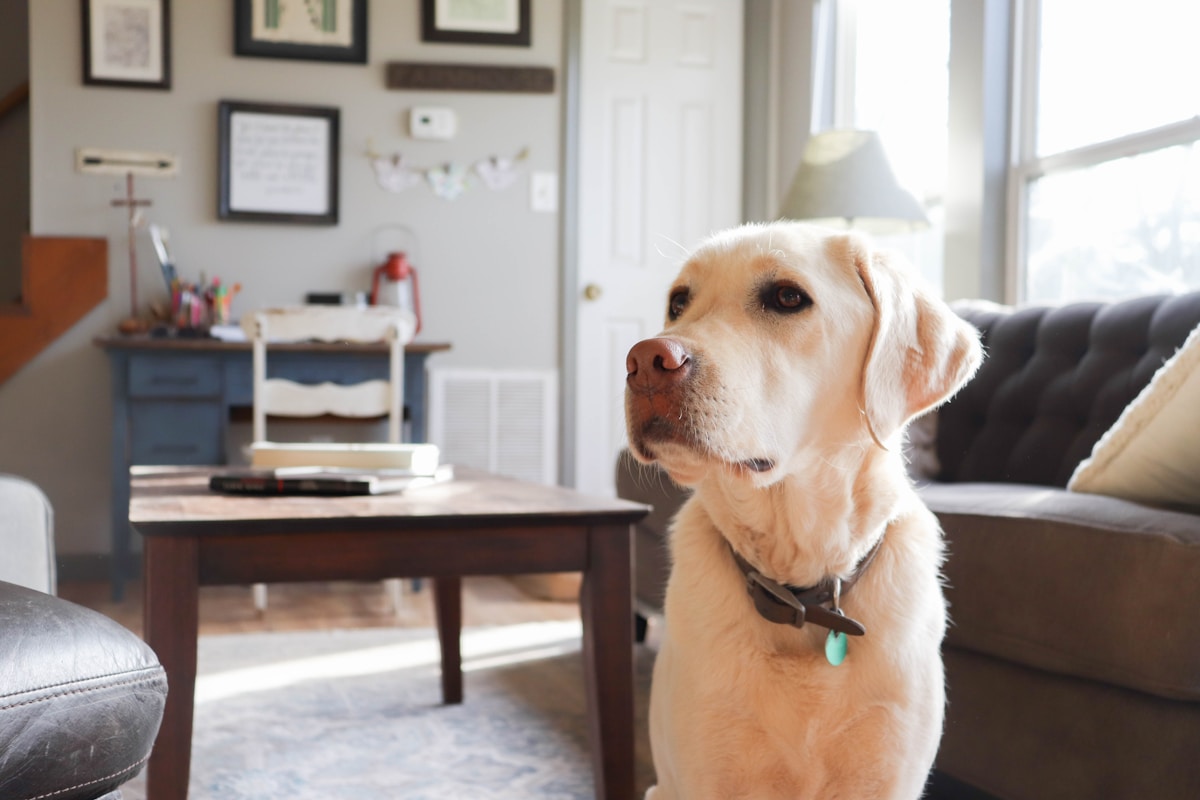
Working remotely alongside a canine companion offers unparalleled emotional companionship, yet it frequently introduces complex behavioral friction when a dog demands continuous engagement during critical conference calls and focused productivity blocks. Domestic canines are socially obligate organisms whose evolutionary wiring predisposes them to synchronize their arousal and activity levels with their human guardians. When a guardian sits stationary in a home office environment, a dog does not intuitively interpret this posture as intense professional labor; rather, they observe a physically accessible social partner who appears stationary, under-stimulated, and ripe for social solicitation. Without deliberate, structured environmental enrichment and clear communication boundaries, this perceptual disconnect rapidly manifests as chronic attention-seeking barking, relentless nudging with wet noses, destructive chewing of home furnishings, and acute separation distress whenever an office door closes.
Successfully establishing an harmonious remote-work dynamic requires moving far beyond the simplistic recommendation of handing your dog a generic tennis ball or turning on background television noise. Professional animal behaviorists recognize that canine mental fatigue generates deeper, more restorative physiological tranquility than sheer physical exertion alone. A twenty-minute targeted cognitive puzzle or olfactory discrimination challenge activates the canine brain’s prefrontal cortex, depleting neurological energy reserves and stimulating the release of calming neurochemicals such as dopamine and serotonin. Conversely, repetitive, high-arousal physical games like frenetic backyard fetch often elevate circulating cortisol and adrenaline, leaving an athletic dog physically exhausted yet neurologically wired and hyper-vigilant right as your critical presentation begins.
Designing an effective home-office enrichment architecture necessitates a methodical, tiered framework that seamlessly integrates proactive mental stimulation, automated solo occupation systems, environmental sensory tailoring, and consistent behavioral conditioning. By systematically addressing your dog’s instinctual drives for foraging, chewing, licking, scent tracking, and cooperative problem-solving at scheduled intervals throughout the workday, you transform your workspace from a battleground of competing demands into a serene, mutually supportive sanctuary of parallel productivity.
Neuro-Ethological Foundations of Canine Workplace Boredom
Understanding why dogs exhibit disruptive behaviors during remote work hours requires an examination of evolutionary neuro-ethology. In ancestral and free-ranging environments, canines allocate significant portions of their waking hours to active foraging, territorial scent assessment, and cooperative social interactions. Modern companion dogs confined to indoor domestic spaces retain these intense evolutionary drives, yet their daily environmental complexity is drastically attenuated. When a dog is provided food in a standard ceramic bowl that is consumed within ninety seconds, their evolutionary drive to forage remains almost entirely unfulfilled for the remaining twenty-three hours and fifty-eight minutes of the day.
This deficit in instinctual expression leads directly to behavioral displacement. When neurochemical arousal cannot find an appropriate functional outlet, the canine brain searches for alternative stimuli to resolve boredom-induced stress. Common displacement activities include repetitive carpet licking, destructive chewing on furniture legs, pacing between rooms, and vocalizing at minor auditory changes outside the window. Groundbreaking research from the ASPCA Canine Enrichment Guidelines confirms that structured cognitive challenges trigger profound neurochemical shifts, substituting frustration-fueled cortisol spikes with calming dopamine releases that promote sustained voluntary resting behavior.
Furthermore, canine sleep architecture is polyphasic, characterized by multiple resting cycles punctuated by brief bouts of alertness. When an animal experiences continuous physical confinement in an unchanging acoustic environment, these wakeful interludes transform into anxiety-producing voids. Without structured tasks, the canine brain interprets the guardian’s silent, screen-focused posture as social withdrawal or potential tension. Recognizing this fundamental biological reality allows telecommuting owners to replace exasperation with targeted cognitive stimulation that honors their dog’s evolutionary inheritance.
Establishing the Pre-Work Morning Decompression Walk
The foundation of a quiet work-from-home day is not established at your desk; it is constructed during the first sixty minutes after sunrise. Many well-intentioned pet owners make the mistake of conducting a hurried, ten-minute leash walk focused exclusively on physical elimination, or conversely, subjecting their dog to an intense session of high-speed ball chasing. While rapid aerobic sprint intervals tire physical muscles, they dramatically spike circulating catecholamines, including epinephrine and norepinephrine. A dog returning home from a chaotic ball-throwing session is frequently in a state of autonomic physiological arousal that can take up to four hours to fully subside.
A scientifically superior alternative is the sensory decompression walk, frequently conducted on a long training lead (ten to fifteen feet) in a quiet green space or neighborhood route. During a decompression walk, the human guardian surrenders directional control and permits the canine to dictate the walking pace, stopping to analyze every microscopic olfactory scent mark along tree trunks, grass verges, and curbs. Olfactory processing in canines is an exceptionally energy-intensive neurological activity; a dog possesses up to three hundred million olfactory receptors compared to a human’s meager six million, and the canine olfactory bulb is proportionally forty times larger than our own. Twenty minutes of uninterrupted scent-tracking induces measurable decreases in canine heart rate, establishing an autonomic foundation of physical relaxation that persists throughout the morning work hours.
During these morning decompression excursions, pet parents should deliberately practice loose-leash navigation without vocal scolding or sudden mechanical leash jerks. Constant tension on a collar or harness activates the dog’s innate opposition reflex, elevating adrenaline levels before the workday even commences. By utilizing a comfortable Y-shaped chest harness and allowing the animal to sniff uninterrupted, you initiate the secretion of calming endocannabinoids, preparing your dog for a peaceful three-to-four-hour rest cycle during your initial morning workload.
Advanced Licking and Chewing Protocols for Autonomous Calm
Licking and mastication are natural physiological downregulators for the canine nervous system. When a dog engages in prolonged rhythmic licking against a textured surface, specialized sensory receptors in the tongue stimulate the release of endogenous endorphins and serotonin within the brain, dampening activity within the sympathetic nervous system and activating the parasympathetic “rest and digest” branch. Utilizing this biological mechanism strategically during critical work windows provides remote professionals with extended periods of absolute silence.
To maximize the operational duration of a lick mat or hollow rubber dispensing toy, advanced preparation and thermal freezing are indispensable. Rather than applying room-temperature peanut butter that is cleared in five minutes, guardians should layer multiple ingredients of varying viscosities before freezing the device for a minimum of twelve hours. Recommended layering formulations include:
- Base Viscosity Layer: Unsweetened Greek yogurt, organic pureed canned pumpkin, or sodium-free bone broth gelatin.
- High-Value Protein Inclusions: Flaked cooked salmon, shredded boiled chicken breast, or rehydrated freeze-dried beef liver nuggets.
- Textural Interrupters: Steamed green beans, blueberries, or small carrot batons wedged tightly into the toy’s internal chambers.
- Thermal Freezing Protocol: Freeze the completed matrix at minus eighteen degrees Celsius for twelve to twenty-four hours to extend licking consumption time from eight minutes to forty-five minutes.
According to research verified by the Humane Society Toy Safety and Selection Protocols, providing safe, durable mastication outlets diverts natural exploratory chewing away from dangerous household wiring and expensive electronic peripherals while providing verifiable stress mitigation.
Kinetic Foraging and Mechanical Food Dispersal Systems
Completely banishing the traditional food bowl is one of the most transformative decisions a remote-working dog owner can make. Every single gram of your dog’s daily kibble or dry nutritional allocation represents an asset of cognitive currency that can be deployed to purchase hours of focused, autonomous concentration. Mechanical food dispersers require the dog to tip, roll, nudge, or spin a weighted vessel to trigger the gravitational release of individual food pellets.
When introducing kinetic foraging vessels, begin with broad apertures and minimal resistance to prevent canine frustration. Dogs that have never encountered problem-solving toys can quickly succumb to learned helplessness if the initial difficulty curve is excessively steep. Once your dog demonstrates competence, gradually introduce weighted wobblers, multi-tiered puzzle towers, and maze-style feeders. Distributing one third of your dog’s daily ration through these devices right as your morning focus block commences reliably occupies their attention for forty-five to sixty minutes, culminating in a natural, food-induced satiety nap.
To implement this successfully, calculate your dog’s exact metabolic energy requirement and divide their dry food allowance into three distinct enrichment allocations. The first portion is loaded into a kinetic wobbler at 9:00 AM, the second portion is hidden throughout a snuffle apparatus at 1:00 PM, and the remainder is reserved for evening cooperative training. This deliberate meal pacing satisfies the canine evolutionary drive known as contra-freeloading, wherein animals actively prefer working for their sustenance rather than consuming identical rations presented freely in open receptacles.
Olfactory Scent Games and Snuffle Mat Engineering
Snuffle mats and indoor scent tracking represent the gold standard of zero-noise enrichment. Constructed from dense fleece strips woven into rigid rubber perforated bases, snuffle mats simulate the complex textural topography of wild foraging grounds. Scattering dry treats or aromatic dehydrated meats into the depths of a snuffle mat compels the dog to bypass visual cues entirely and rely exclusively on olfactory localization.
Clinical studies evaluating canine heart rate variability have revealed that dogs engaging in scent work display significantly increased vagal nerve tone, indicative of physiological ease and emotional contentment. To expand upon basic snuffle mats, remote professionals can implement household “box searches.” By scattering empty cardboard shipping boxes across an adjacent room, placing high-value aromatic rewards inside three out of ten boxes, and releasing the dog with a designated search cue, owners create a self-rewarding search-and-rescue simulation that completely exhausts cognitive faculties in less than fifteen minutes.
Advanced olfactory progressions can incorporate natural botanical scents or specific essential distillations approved for veterinary safety, such as dilute birch or sweet orange water. Hiding scented cotton swabs alongside tiny dehydrated lung treats encourages your dog to execute systematic grid-searches along baseboards and rug perimeters. This systematic spatial investigation requires profound concentration, producing deep cortical fatigue that naturally precedes three hours of uninterrupted sleep.
Spatial Optimization and the Dedicated Workday Settle Mat
Spatial proximity in a home office can inadvertently exacerbate attention-seeking behaviors if physical boundaries are entirely ambiguous. When a dog has unfettered permission to wander beneath your desk, push into your lap, or chew on desk corners, they quickly learn that physical persistence reliably elicits human responses, whether positive praise or exasperated vocal redirection. From a behavioral conditioning standpoint, even negative attention – such as pushing a dog away or repeating “no, stop” – functions as an operant reinforcement loop for an under-stimulated animal.
The definitive solution is conditioning a dedicated “settle mat” positioned six to eight feet away from your primary workstation. This mat should possess distinct textural qualities, such as orthopedic memory foam lined with synthetic fleece, establishing a clear contextual signal. Through gradual positive reinforcement conditioning, the dog learns that lying calmly on this designated mat produces intermittent, unprompted deliveries of high-value treats from the seated guardian, whereas standing beside the desk or whining generates immediate, total social extinction (turning your back and breaking eye contact). Insights published by PetMD Telecommuting Dog Behavioral Management demonstrate that reinforcing an incompatible calm behavior eliminates the underlying motivation for desk-side solicitations.
To cement this behavior, implement the “capturing calm” protocol popularized by clinical animal behaviorists. Whenever your dog spontaneously chooses to recline on their mat without being instructed, quietly slide a tiny treat between their front paws without speaking or making direct eye contact. Over several days, the dog creates a subconscious association: staying relaxed on the mat causes rewards to manifest magically from the universe, whereas approaching the desk produces zero engagement.
Acoustic Masking and Sensory Environmental Design
Canine auditory acuity far exceeds human sensory thresholds, particularly across high-frequency spectra where external urban noises operate. In a quiet residential home office, the sudden slamming of a delivery truck door, the chatter of passing pedestrians, or the distant bark of a neighborhood canine acts as an abrupt acoustic trigger that shatters your dog’s rest and sparks uncontrollable alarm barking during conference calls.
To neutralize these environmental spikes, implement proactive acoustic masking protocols throughout the home office perimeter:
- Continuous Broadband White or Brown Noise: Utilizing dedicated physical sound machines or continuous sound applications generates an auditory barrier that raises the room’s ambient noise floor, smoothing out sudden external sound spikes.
- Bio-Acoustic Canine Music: Peer-reviewed veterinary research indicates that classical compositions with tempos between 50 and 65 beats per minute, as well as species-specific bio-acoustic soundscapes containing underlying synthetic heartbeats, significantly reduce stress biomarkers and nocturnal pacing in domestic canines.
- Visual Barrier Films: If your home office features low-sill windows facing high-traffic sidewalks, apply frosted static-cling window film across the lower third of the glass pane. Eliminating the visual stimulus of passing triggers stops territorial alarm barking before it can trigger an autonomic nervous system spike.
- Pheromonal Diffusers: Synthetic canine appeasing pheromone (DAP) diffusers plugged into wall outlets near your dog’s settle mat mimic the calming sebaceous secretions produced by lactating mothers, promoting neurochemical tranquility during high-stress meeting intervals.
Midday Decompression Breaks: The Fifteen-Minute Reset Protocol
Working from home should not imply a relentless eight-hour continuous focus block for either human or canine. Human cognitive productivity naturally waxes and wanes in ninety-minute ultradian cycles. Aligning your workday breaks with your dog’s natural arousal rhythms optimizes performance for both parties. Scheduling two deliberate fifteen-minute interactive breaks – one at midday and one in mid-afternoon – prevents the buildup of late-afternoon behavioral franticness.
A high-yield fifteen-minute canine reset should avoid hyper-arousing roughhousing. Instead, focus on structured, cooperative micro-training sessions that reinforce impulse control. Practicing multi-position transitions (sit, down, stand, stay), precision heelwork around living room furniture, or teaching novel trick behaviors like targeting specific objects with their nose provides immense cognitive satisfaction. Clinical guidance from Fear Free Pets Environmental Enrichment Directory emphasizes that cooperative training sessions foster a deep sense of psychological security while burning mental energy efficiently.
Furthermore, incorporating proprioceptive obstacle courses utilizing common household furnishings creates deep neuromotor engagement. Directing your dog to step gently over rolled yoga mats, place two front paws upon a sturdy storage ottoman, and crawl beneath a dining table requires intense motor-cortex coordination. This gentle, balance-focused movement lowers resting respiratory rates and readies the animal for an extended afternoon sleep cycle.
Nutritional Chemistry: Calming Ingredients for Enrichment Toys
What you put inside your dog’s enrichment devices has a direct, pharmacological influence on their central nervous system. Strategic selection of whole-food ingredients rich in specific amino acids and micronutrients can enhance the endogenous synthesis of inhibitory neurotransmitters that promote sedation and peaceful relaxation.
Consider incorporating the following evidence-based functional ingredients into your weekly enrichment prep:
- L-Tryptophan Rich Proteins: Roasted turkey breast, cottage cheese, and pumpkin seed powder are exceptionally high in tryptophan, the essential amino acid precursor to serotonin and melatonin.
- Omega-3 Fatty Acids (EPA & DHA): Incorporating pure sardine puree or cold-water fish oil dampens systemic neuro-inflammation and supports balanced neuro-endocrine reactivity to sudden acoustic stressors.
- L-Theanine and Chamomile Infusions: Soaking kibble in chilled, organic chamomile tea or bone broth steeped with L-theanine extracts elevates gamma-aminobutyric acid (GABA) levels, stabilizing the canine brain against acute panic triggers.
- Probiotic Fermented Colostrum: Fermented goat’s milk or kefir contains bio-active peptides that support the gut-brain axis, significantly reducing stress-related gastrointestinal hyper-motility.
Interactive Tech Gadgets: Automated Launchers and Smart Dispensers
For high-drive working breeds – such as Border Collies, Belgian Malinois, and Australian Shepherds – standard manual enrichment toys may occasionally prove insufficient during exceptionally demanding four-hour meeting blocks. In such scenarios, strategic deployment of automated technological solutions bridges the gap without requiring ongoing human intervention.
Smart remote treat dispensers equipped with two-way audio and high-definition video cameras enable you to reward spontaneous calm settling behavior from your smartphone screen without breaking vocal flow during a client presentation. Furthermore, automated indoor ball rolling devices or interactive kinetic moving toys that roll randomly across carpeted floors can provide solitary visual and pursuit stimulation for dogs possessing intense predatory chase drives, provided the equipment has undergone thorough introductory safety testing under close direct supervision.
When selecting automated electronic toys, ensure that internal mechanical gears are completely enclosed to prevent pinched tongues or crushed pads. Devices that operate with quiet brushless motors are vastly superior to loud clanking mechanisms that can trigger sound-sensitive dogs into flight-or-fight defense barking. Always introduce motorized gadgets during low-stakes weekend hours, allowing your pet to acclimate to mechanical motion while receiving generous positive reinforcement.
Managing Multi-Dog Dynamics in Remote Work Environments
Navigating remote employment with multiple dogs introduces unique sociological complexities. In a multi-dog household, the introduction of high-value resource items like frozen bone broth marrow bones or elaborate puzzle feeders can inadvertently spark competitive arousal or outright resource guarding aggression if managed carelessly. When multiple dogs compete for the same physical space or cognitive toys, the ambient stress level within the office multiplies exponentially.
To safely execute enrichment protocols in multi-canine households, physical spatial partitioning is mandatory. Utilize sturdy modular baby gates or separate designated resting rooms during food-based enrichment sessions. Each dog must be granted an isolated, secure zone where they can consume their chew or solve their puzzle with absolute physiological assurance that no secondary canine will encroach upon their prize. Once all items are fully consumed and sanitized, the dogs can be safely reunited within the shared communal space.
Additionally, pay meticulous attention to the order of deployment. Delivering enrichment items simultaneously using two hands prevents one animal from lingering watchfully over the other. If one dog consistently finishes their enrichment faster, provide them with a denser, more complex frozen matrix to equalize the operational duration across both animals.
Age-Specific Remote Work Adjustments: Puppies vs. Adolescents vs. Seniors
A fatal flaw in many remote work management guides is assuming all dogs possess identical cognitive and physiological capabilities regardless of life stage. A three-month-old golden retriever puppy possesses entirely distinct bladder capacities, attention spans, and emotional thresholds compared to a nine-year-old arthritic Labrador retriever.
Tailor your daily home-office framework according to chronological milestones:
- Puppyhood (8 to 20 Weeks): Characterized by explosive fifteen-minute bursts of frantic energy followed by immediate deep sleep. Confinement in a spacious exercise pen connected to an indoor potty station and multiple soft teething toys is essential. Expect to conduct brief two-minute potty breaks every seventy-five minutes.
- Adolescence (6 to 18 Months): Marked by surging reproductive hormones, heightened environmental reactivity, and testing of established boundaries. Adolescents require high-resistance mastication toys, daily impulse-control training, and rigorous sensory decompression walks to burn boundless cortical energy.
- Senior Years (8+ Years): Aging canines experience sensory decline, joint stiffness, and cognitive dysfunction syndrome (CDS). Senior companions require thick memory foam orthopedic resting beds, warm bone broth hydration licks, and simple cognitive puzzles that do not require intense physical manipulation or painful spinal flexion.
Rotational Toy Engineering: Preventing Habituation and Apathy
A widespread mistake among remote dog owners is maintaining a toy bin continuously overflowing with twenty distinct plush and rubber toys scattered across the living room carpet. Canine cognitive engagement relies heavily on environmental novelty. When toys remain perpetually accessible, the sensory phenomenon of habituation takes hold; the items lose their cognitive salience, blending into the background scenery like inanimate furniture.
Implement a strict rotational toy schedule by dividing your canine inventory into four separate, sealed plastic storage bins labeled Bins A, B, C, and D. At any given time, only the items from a single bin are active within the home. Every seventy-two hours, gather all active toys, wash or wipe them down to remove dried saliva, seal them into their respective container, and deploy the subsequent bin. By cycling novelty through deliberate scarcity, an inexpensive rubber chew toy suddenly recaptures the intense fascination of a brand-new acquisition, capturing your dog’s attention for twice as long during your critical afternoon workload.
To heighten novelty further, store rotational bins alongside dried natural herbs like catnip, chamomile, or dried valerian root. Dogs possess olfactory curiosity toward novel plant scents; rotating subtly scented toys re-ignites investigatory sniffing behaviors that occupy cognitive faculties without requiring expensive monthly toy subscriptions.
The Sixty-Second Emergency Interrupter Protocol
Despite flawless preparation, unpredictable workday emergencies occur: a sudden unscheduled call from a company executive, an urgent client crisis, or an unexpected doorbell chime from an aggressive package delivery courier. In these high-stakes moments, you need an instantaneous behavioral interrupter that halts canine vocalization in under sixty seconds without shouting or displaying frustration.
Construct an “Emergency Meeting Kit” housed in an airtight silicone pouch mounted on the underside of your desk. This kit contains ultra-high-value freeze-dried treats – such as real freeze-dried duck hearts, dried gouda cheese crumbles, or cooked tripe – items your dog never receives under routine circumstances. When unexpected noise occurs, scatter a generous handful of these micro-treats directly across the carpeted surface beneath your desk, whispering a gentle cue like “Find it.” The sudden cascade of aromatic, premium treats instantly triggers a primary olfactory search pattern, pulling your dog out of their vocal alarm circuit and buying you two to three minutes of immediate silence to mute your microphone or establish control.
Comprehensive Troubleshooting: Overcoming Whining, Demand Barking, and Destructive Tendencies
Even with meticulous enrichment schedules, certain canines will persistently test boundaries through demand barking, pawing at office chairs, or resting their chins directly over computer keyboards. Resolving these persistent behaviors requires a systematic diagnostic approach rather than emotional frustration.
When a dog engages in demand barking, they are executing an operant behavior that has previously yielded a successful outcome. If you have ever spoken to your dog, stroked their head, tossed a treat, or sighed loudly and stood up from your chair in response to a demand bark, you have successfully reinforced the exact behavior you wish to extinguish. Extinction protocols necessitate absolute neutrality: freeze physical movement, avoid eye contact, remain silent, and wait for a minimum of five full seconds of absolute silence before calmly turning to deliver reinforcement. Consultation literature from the International Association of Animal Behavior Consultants (IAABC) Research confirms that combining total extinction of demand solicitations with dense proactive reinforcement of spontaneous quiet resting represents the most clinically sound behavioral resolution.
If destructive chewing targets desk legs or electrical cables, perform immediate environmental management. Wrap exposed cables inside heavy-duty split-wire conduit tubing and apply bitter-apple sensory deterrent sprays to wooden furniture perimeters. Concurrently, provide an immediate legal alternative possessing similar textural resistance, such as an all-natural split deer antler or an unbleached coffee wood chew stick, gently guiding the animal’s jaw toward the appropriate target.
Daily Master Workday Schedule: A Sample Step-by-Step Blueprint
To synthesize these diverse modalities into an actionable daily template, review this optimized workday schedule engineered for typical eight-hour corporate telecommuting hours:
- 7:00 AM to 7:45 AM: Outdoor sensory decompression walk on a fifteen-foot lead, prioritizing scent marks and calm loose-leash exploration.
- 7:45 AM to 8:15 AM: Morning nutritional allocation distributed inside a kinetic wobbler toy or complex snuffle mat; fresh water bowl refreshed.
- 8:15 AM to 8:30 AM: Calm biological elimination break; white noise machine and pheromone diffuser activated in the home office.
- 8:30 AM to 11:30 AM (Deep Work Block 1): Dog settles voluntarily on designated memory foam settle mat; guardian rewards spontaneous resting with intermittent quiet treats.
- 11:30 AM to 12:00 PM: First high-stakes meeting block; guardian deploys a 24-hour deep-frozen Kong or textured lick mat packed with pumpkin and shredded chicken.
- 12:00 PM to 12:30 PM (Midday Human Lunch & Dog Reset): Brief five-minute outdoor elimination break, followed by ten minutes of low-arousal clicker obedience or balance trick work in the living room.
- 12:30 PM to 2:30 PM (Deep Work Block 2): Ambient classical bio-acoustic soundscape plays softly; dog enters natural post-lunch circadian resting slumber.
- 2:30 PM to 3:00 PM: Mid-afternoon mental recharge; cardboard box scavenger hunt or scent-swab search executed in an adjacent room.
- 3:00 PM to 5:00 PM (Final Work Block): Safe, long-lasting natural chew provided (beef collagen braid or coffee wood chew); final email wrap-ups and administrative tasks concluded.
- 5:00 PM Workday Conclusion: Formal end-of-day outdoor walk, vigorous fetch session, and social celebration, clearly signaling that the human workday is officially closed.
Environmental Architecture and Stress Mitigation: Structuring Daily Predictability
Structuring a fulfilling, stress-free domestic routine for companion dogs depends on thoughtful environmental architecture and behavioral predictability. Canines thrive within household routines that provide clear spatial demarcations between active engagement zones, autonomous puzzle-solving areas, and quiet, low-stimulus resting sanctuaries. Implementing phased decompression protocols, predictable daily schedules, and autonomous mental enrichment exercises empowers dogs to build confidence and navigate novel environments without separation distress or environmental anxiety.
Cognitive Enrichment Sequencing: Balancing Mental Foraging and Sensory Rest
Effective canine enrichment extends beyond merely keeping a dog occupied; it requires sequencing mental challenges to promote calm emotional balance. Alternating high-focus problem-solving activities (such as complex puzzle boxes and hidden scent tracks) with passive, rhythmic calming exercises (such as frozen lick mats and snuffle mats) allows the canine nervous system to cycle naturally between active problem-solving and deep parasympathetic relaxation, preventing hyper-arousal and reinforcing voluntary settle behaviors throughout the home.
Acoustic Environmental Engineering: Buffering Urban and Household Noise
Residential environments are filled with acoustic frequencies that can elevate canine stress without human awareness. Ultrasonic frequencies emitted by computer monitors, electrical appliances, and distant street traffic can stimulate hyper-vigilance in sound-sensitive canines. Installing acoustic dampening curtains, laying dense area rugs, and utilizing calibrated continuous brown or pink noise generators buffers startling sounds, creating a tranquil auditory environment that fosters undisturbed, restorative sleep cycles.
Lifelong Resilience Protocols: Cultivating Canine Independence and Emotional Security
Fostering emotional independence in companion dogs is the cornerstone of preventing separation anxiety and excessive clinginess. Structuring daily periods where dogs willingly choose to rest in separate rooms while engaging with self-soothing chew items builds cognitive self-reliance. By reinforcing calm independence through positive reinforcement and avoiding frantic departure or reunion rituals, guardians nurture secure, emotionally resilient companions capable of thriving in modern domestic life.
Veterinary Wellness Screenings for Work-From-Home Canine Companions
Maintaining long-term wellness for companion dogs requires an active, ongoing partnership between dedicated guardians and qualified veterinary professionals. Establishing regular six-month wellness examinations, conducting routine diagnostic laboratory panels, and maintaining longitudinal records of behavioral patterns and dietary responses provides clinicians with essential baseline metrics. By adopting an evidence-based preventative mindset and addressing subtle environmental and physical changes promptly, pet parents ensure their canine companions enjoy optimal vitality, emotional comfort, and flourishing health throughout every developmental life stage.
Comparative Strategic Matrix: Work-From-Home Canine Enrichment Modalities
To assist remote professionals in selecting the most effective behavioral interventions for their specific canine temperament and daily meeting schedule, the following comparative matrix evaluates key enrichment protocols across cognitive demand, setup complexity, independent engagement duration, and vocalization mitigation potential:
| Enrichment Category | Primary Mechanism | Average Duration | Supervision Level | Best Meeting Alignment |
|---|---|---|---|---|
| Licking & Chewing Mats | Endorphin release via repetitive tongue motion | 25 to 45 minutes | Low (post-intro) | High-stakes video presentations |
| Olfactory Snuffle Mats | Vomeronasal organ stimulation and heart rate drop | 15 to 30 minutes | Moderate | Mid-morning status syncs |
| Mechanical Food Dispersers | Kinetic manipulation and tactile reward cycles | 30 to 60 minutes | Low | Deep work focus blocks |
| Rotating Cognitive Puzzles | Sequential sliding, twisting, and lifting logic | 15 to 25 minutes | High initial supervision | Pre-call decompression buffer |
| Auditory & Sensory Tailoring | Acoustic masking and autonomic downregulation | Continuous (4 to 8 hours) | Zero | All day baseline tranquility |
Frequently Asked Questions About Keeping Dogs Entertained While Working from Home
How much mental exercise does a dog actually need each workday compared to physical exercise?
Most healthy adult dogs require approximately thirty to forty-five minutes of focused mental stimulation distributed across their waking hours, which frequently produces deeper physiological relaxation than two hours of continuous physical walking. Combining brief olfactory walks with fifteen-minute puzzle sessions provides optimal balance.
Can puzzle toys completely replace daily outdoor physical walks?
No. While puzzle toys provide indispensable cognitive fatigue, outdoor walks fulfill vital sensory exploration, cardiovascular conditioning, joint lubrication, and natural territory inspection needs that indoor domestic toys cannot replicate.
What should I do if my dog finishes their frozen Kong toy in less than ten minutes?
Increase the thermal freezing duration to a full twenty-four hours, blend a denser binder such as canned veterinary recovery diet or pureed pumpkin, and compress the ingredients tightly using the back of a spoon to eliminate internal air pockets.
Is it safe to leave my dog unattended with interactive puzzle toys in another room?
Not during initial introductions. Every enrichment device must undergo multiple supervised trials to verify that your dog will not fracture brittle plastic pieces, ingest rubber components, or swallow fibrous fabric strips from snuffle mats.
How do I handle an urgent phone call if my dog suddenly begins barking for attention?
Keep an emergency high-value enrichment item – such as a pre-frozen lick mat or a hollow marrow bone packed with frozen cream cheese – stored in an easily accessible mini-freezer within your office. Calmly place the item on their settle mat without speaking.
Why does my dog bark loudly whenever I start speaking on a Zoom or Teams meeting?
Dogs are acutely attuned to human body language and vocal tone. When you speak to a computer screen, your dog hears human vocalization directed into empty space, which can induce confusion, territorial alert states, or an instinctual assumption that you are addressing them directly.
Can background white noise or television harm a dog’s sensitive hearing over long periods?
When maintained at moderate decibel levels (between 45 and 60 decibels), broadband white noise, brown noise, or classical music is entirely safe and provides proven therapeutic benefits by masking unpredictable external acoustic spikes.
What are the safest edible chews for daily use during remote work hours?
Fully digestible chews such as high-quality beef collagen sticks, baked fish skin rolls, and dehydrated tendon chews are generally safer than bleached rawhide. However, all chews carry minimal choking risks and should be monitored periodically.
How do I prevent my dog from guarding their high-value chew toys while I work?
Never approach or snatch an active chew away from your dog. If you must retrieve an item, initiate a high-value trade by tossing premium cooked chicken pieces several feet away, allowing the dog to voluntarily disengage before retrieving the toy.
My dog gets frustrated and aggressive toward puzzle toys instead of solving them. What should I do?
A sudden display of aggressive biting, throwing, or whining at a puzzle toy indicates that the cognitive difficulty exceeds the dog’s current problem-solving threshold. Downgrade to an easier toy with wide openings so the dog experiences immediate positive reinforcement.
Long-Term Workplace Harmony: Building a Sustainable Telecommuting Canine Routine
Achieving a frictionless, peaceful work-from-home routine with your canine companion is not a short-term tactical fix; it represents an ongoing investment in behavioral clarity, mutual respect, and biological fulfillment. When you systematically satisfy your dog’s innate drives for exploration, problem-solving, and mastication, you eliminate the foundational anxiety that fuels disruptive workplace behavior. Remember that consistency is vastly more powerful than occasional grand gestures; a dependable schedule of modest ten-minute cognitive challenges outperforms an irregular weekend marathon every single time.
As you implement these tailored protocols, observe your dog’s unique personality and stress signals closely. Celebrate the quiet milestones: the afternoon when your companion chooses their orthopedic settle mat voluntarily without prompting, the video call that concludes without a single interruption, and the peaceful, synchronistic rhythm that develops between professional human focus and contented canine slumber. With patience, environmental tailoring, and science-backed enrichment, your home office can become the ultimate sanctuary of productivity and interspecies companionship.

Leave a Comment