

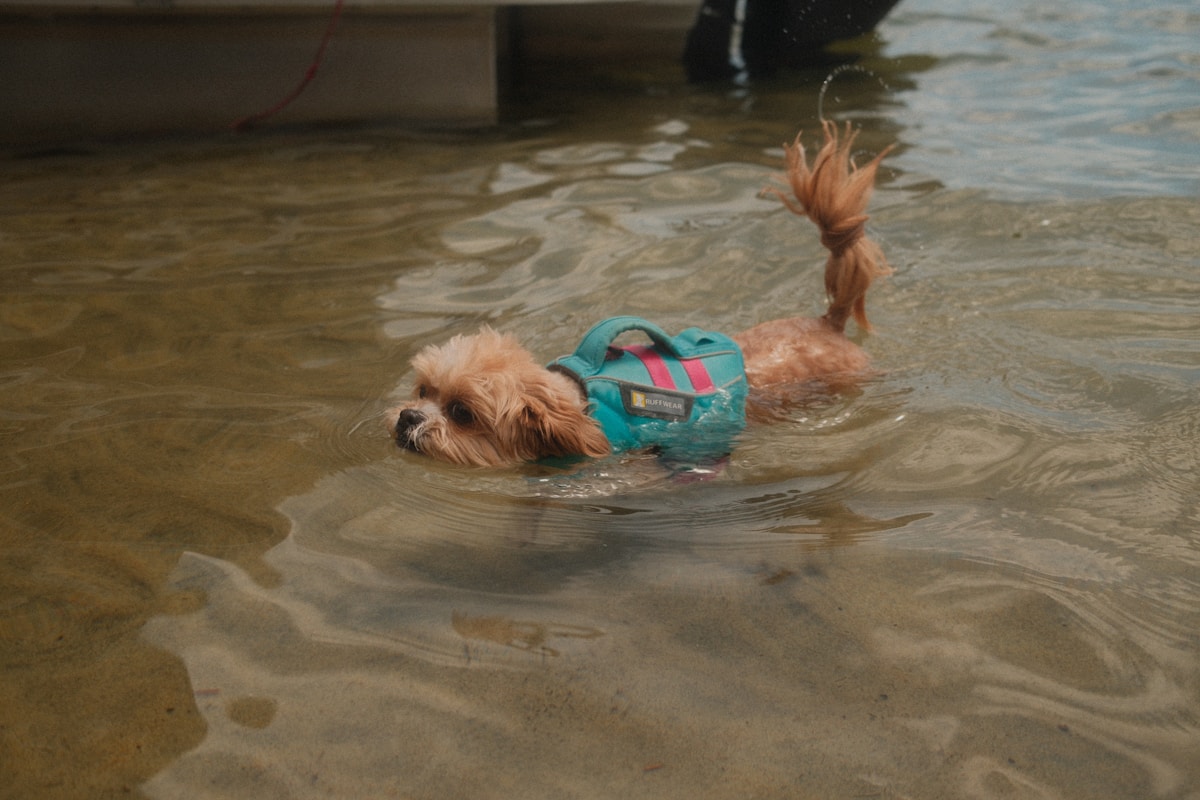
For millions of water-loving canines, few experiences rival the pure, unbridled euphoria of plunging headfirst into a cool lake, splashing through ocean surf, or retrieving tennis balls from a backyard swimming pool on a sweltering summer afternoon. Watching a retriever slice effortlessly through rippling water, tail wagging like a rudder, embodies the very essence of canine athletic joy. However, as the afternoon sun dips below the horizon and you load your drenched companion into the vehicle or welcome them back onto the living room rug, an all-too-familiar sensory nightmare begins to unfold. As the coat begins to dry, a heavy, suffocating, sour stench fills the air: an overwhelming aroma reminiscent of damp basements, rotten pond vegetation, moldy gym towels, and sour laundry forgotten in a washing machine.
This baffling olfactory phenomenon, colloquially termed wet dog smell or post-swim mustiness, is one of the most persistent complaints among pet parents with active outdoor companions. Many frustrated owners assume the odor is merely the natural, unavoidable consequence of wet fur. Consequently, they tolerate the offensive stench or attempt to mask it with heavily perfumed grooming sprays, scented dry shampoos, or commercial pet colognes. In physical reality, healthy wet hair does not naturally smell like sour mildew or decomposing swamp matter. When a dog’s coat emits a foul, musty stench hours or days after swimming, you are smelling the volatile metabolic byproducts of microscopic microbial blooms, decaying aquatic organic biofilms, trapped moisture fermentation, and oxidized epidermal sebum.
Leaving a wet coat to air-dry naturally is not merely an aesthetic grievance; it represents a serious dermatological hazard. When stagnant moisture becomes trapped against a dog’s warm skin beneath a dense, water-resistant undercoat, it creates an ideal biological incubator. Within hours, the skin’s protective lipid barrier breaks down, sparking acute moist dermatitis (hot spots), severe Malassezia yeast blooms, pseudomonal ear infections, and painful bacterial folliculitis. Eradicating post-swim mustiness demands a scientific understanding of aquatic microbiology, hair shaft water dynamics, volatile organic chemical synthesis, and high-velocity drying protocols.
Drawing on clinical veterinary dermatology research, aquatic epidemiology published by the American Veterinary Medical Association (AVMA), water safety standards from the American Kennel Club (AKC), and emergency soft-tissue guidelines from VCA Animal Hospitals, this comprehensive guide provides an exhaustive clinical manual for decoding post-swim odor, decontaminating aquatic coats, preventing chronic hot spots, and mastering professional drying protocols.
The Microbiology of Wet Dog Smell: Volatile Organic Compounds (VOCs)
To understand why wet fur smells so distinctively foul, one must explore the microscopic chemical ecology of the canine integumentary system. The smell of a dry dog and the smell of a wet dog are chemically and biologically worlds apart.
1. The Commensal Bio-Film and Resident Microflora
Even the cleanest, most immaculately groomed dog is home to billions of microscopic commensal organisms: including yeasts (principally Malassezia pachydermatis) and bacteria (predominantly Staphylococcus, Micrococcus, Corynebacterium, and Proteus species). These microscopic residents live peacefully on the skin surface, within the follicular infundibulum, and along the keratin scales of each hair shaft, feeding on microscopic dead skin cells and natural sebum secretions.
2. The Chemical Physics of Hydrophobic Volatilization
As these microorganisms consume sebum lipids and epidermal proteins, they excrete metabolic waste products: complex mixtures of volatile organic compounds (VOCs). Under dry environmental conditions, these chemical byproducts remain bound to the hair shafts, dissolved within the solid, hydrophobic sebum layer, where their vapor pressure is too low for human olfactory receptors to detect.
However, when a dog leaps into a lake, river, or pool, water molecules displace these volatile organic compounds from the sebum matrix. As the water begins to evaporate from the warm fur (accelerated by the dog’s 101.5-degree core body temperature), the relative humidity within the coat microclimate reaches ninety to one hundred percent. The evaporating water vapor carries a concentrated plume of volatile chemical compounds directly into the ambient air, striking human nasal passages with overwhelming intensity.
3. Analytical Chemistry: The Exact Molecules of Post-Swim Stench
Sophisticated gas chromatography-mass spectrometry (GC-MS) studies have isolated the precise volatile molecules responsible for the repulsive aroma of wet dog fur:
- 2-Nonanone and 2-Octanone: Fatty, soapy, herbaceous ketones produced by fungal lipid metabolism.
- Benzaldehyde and Phenylacetaldehyde: Sweet, almond-like, and rotting floral aromatic compounds generated by bacterial degradation of phenylalanine.
- Isovaleric Acid and Butyric Acid: Pungent, cheesy, sour short-chain fatty acids synthesized during yeast fermentation.
- Dimethyl Trisulfide and Methanethiol: Volatile sulfur compounds produced by anaerobic bacteria that impart an unmistakable rotten cabbage and sewer profile.
- 2,3-Pentanedione: Pungent buttery, sour organic diketone that contributes to the stale, fermented basement note.
- p-Cresol and Phenol: Medicinal, fecal, and barnyard notes generated by intestinal and cutaneous bacterial deamination of tyrosine.
Aquatic Environments: Comparing Lakes, Rivers, Oceans, and Chlorinated Pools
The specific body of water your companion swims in exerts an enormous impact on the intensity and biological hazard of the resulting odor. Not all water is created equal; each aquatic ecosystem introduces unique microbial and chemical contaminants.
1. Freshwater Lakes, Ponds, and Stagnant Reservoirs
Freshwater lakes and farm ponds represent the most potent generators of musty, rotting odor. Stagnant freshwater bodies teem with decaying organic matter: decomposing aquatic vegetation, fish waste, and thick biofilms composed of cyanobacteria (blue-green algae), green algae, and protozoa. When a dog swims through pond water, these microscopic algal filaments and bacterial biofilms cling tenaciously to the rough, porous cuticles of the hair shafts. As the coat dries, these aquatic organisms dehydrate and die on the dog’s warm skin, undergoing rapid anaerobic decay that produces an intensely pungent, rotting vegetative stench.
2. Moving Rivers and Mountain Streams
While moving river water appears pristine to human eyes, fast-moving rivers carry high suspended loads of fine mineral silt, clay platelets, and agricultural runoff containing animal manures and chemical fertilizers. Suspended silt particles penetrate deep into the dense undercoat, settling against the skin. If not thoroughly flushed out with clean domestic tap water, the mineral silt traps moisture against the epidermis, promoting rapid bacterial fermentation.
3. Ocean Saltwater and Tidal Marshes
Ocean saltwater introduces a unique dermatological dynamic. While high sodium chloride concentrations naturally inhibit certain freshwater bacteria, saltwater contains marine phytoplankton, sea kelp residues, and sulfur-producing marine bacteria. Furthermore, as ocean water evaporates, sharp microscopic salt crystals form across the hair shafts and skin. These hygroscopic salt crystals actively pull water out of living epidermal cells, dehydrating the stratum corneum, causing intense itching, and stripping protective sebum, which triggers reactive rebound seborrhea within 48 hours.
4. Chlorinated Backyard Swimming Pools
Many pet parents assume swimming in a chemically treated pool eliminates odor because chlorine disinfects water. However, chlorinated pools present a distinct chemical hazard. Pool chlorine is a powerful, harsh oxidizer with an alkaline pH. Swimming in chlorinated water strips every trace of protective sebum from the dog’s coat, flaring open the microscopic hair cuticle scales. The porous, stripped hair shafts rapidly absorb chloramines (compounds formed when chlorine binds to organic waste) and dissolved minerals like copper. When a chlorine-stripped dog exits the pool, its unprotected skin undergoes rapid moisture loss, while the hair emits a stale, bleached, chemical-musty odor that lingers for days.
Clinical standards established by the American Animal Hospital Association (AAHA) emphasize the necessity of structured diagnostic evaluations and routine monitoring protocols.
The Insulating Undercoat Trap: The Physics of Double Coats
Water-loving breeds: such as Labrador Retrievers, Golden Retrievers, Chesapeake Bay Retrievers, Newfoundlands, and Portuguese Water Dogs: were selectively engineered over centuries to swim in frigid northern waters. Their coats feature a complex architectural defense system known as a double coat.
1. Water-Repellent Guard Hairs versus Woolly Undercoat
The outer layer consists of long, coarse guard hairs coated in dense hydrophobic lipids that cause water to bead and roll off the surface. Beneath these guard hairs lies an ultra-dense, crimped, woolly undercoat containing millions of microscopic air pockets designed to trap warm air and insulate the body against freezing water temperatures.
2. The Capillary Action Sponge Effect
When a double-coated dog swims for extended periods, hydrostatic pressure forces water past the protective guard hairs, saturating the dense undercoat down to the skin. Once saturated, the woolly undercoat acts like a high-density synthetic sponge. Capillary action holds gallons of water tightly within the fiber mesh. Because the outer guard hairs lie flat over the wet undercoat, air circulation is completely blocked.
3. The 48-Hour Biological Fermentation Incubator
If an owner relies on a quick towel rub and leaves the dog to air-dry, the surface fur may feel dry to human touch within an hour, but the dense undercoat beneath remains damp, spongy, and warm for 36 to 48 hours. The dog’s core body temperature of 101.5 degrees Fahrenheit heats this stagnant moisture reservoir. Trapped skin squames, shed undercoat, and aquatic bacteria begin fermenting inside this warm, dark incubator, generating an unbearable, sour mildew odor that permeates every room the dog enters.
Pathological Complications of Inadequate Post-Swim Drying
Failing to decontaminate and thoroughly dry a dog after swimming leads to severe, painful veterinary medical conditions requiring systemic pharmaceutical therapy.
1. Acute Moist Dermatitis (Swimmer’s Hot Spots)
Acute moist dermatitis, commonly known as a hot spot, is one of the most painful soft-tissue emergencies in veterinary medicine. When trapped moisture softens the stratum corneum (a process called epidermal maceration), opportunistic Staphylococcus pseudintermedius bacteria penetrate hair follicles. Within a few hours, a tiny, itchy prickle escalates into a roaring, bright red, weeping, hairless lesion that can expand from the size of a coin to the size of a dinner plate in less than twelve hours. Hot spots throb with agonizing, fiery pain, requiring sedation, clipping, wound flushing, and systemic corticosteroids and antibiotics.
2. Severe Malassezia Fungal Dermatitis
Malassezia pachydermatis yeast organisms thrive in dark, humid, warm environments. Undercoat dampness combined with body heat sparks massive fungal overgrowths. Affected dogs develop intense pruritus (itching), hair thinning, hyperpigmentation (elephant skin), and a greasy, foul-smelling yellow discharge that smells like stale corn chips and sour blue cheese.
3. Swimmer’s Ear: Pseudomonas and Malassezia Otitis Externa
The canine auditory canal possesses an L-shaped anatomical configuration, featuring a vertical canal that drops downward and turns abruptly at a sharp right angle into a horizontal canal leading to the delicate tympanic membrane (eardrum). When a dog swims, surface tension traps pond water, river silt, and lake bacteria deep in the horizontal canal. Warmth and darkness create an ideal breeding ground for Pseudomonas aeruginosa and yeast. Within 24 to 48 hours, the dog begins shaking its head violently, pawing at its ears, whining in pain, and exuding a putrid, sweet-sour pus from the swollen auditory canal.
4. Limber Tail Syndrome (Acute Caudal Myopathy)
Also known as swimmer’s tail or cold water tail, this acutely painful condition occurs when dogs swim in cold water or swim vigorously without conditioning. The intense physical effort of using the tail for steering, combined with cold water vasoconstriction, causes muscle ischemia and swelling at the base of the tail. The tail hangs completely limp, flaccid, and lifeless, causing excruciating pain whenever the dog attempts to sit or defecate.
According to clinical pathology references published in the Merck Veterinary Manual, early identification of underlying physiological changes provides the highest probability of positive long-term therapeutic outcomes.
Critical Drying Equipment: Tools Every Swimming Dog Owner Needs
Attempting to dry a saturated double-coated retriever with standard domestic cotton bath towels is an exercise in futility. Standard cotton towels absorb only a tiny fraction of trapped moisture and quickly become saturated, merely smearing dampness across the fur. Professional groomers rely on specialized hydrodynamic equipment:
- Synthetic PVA Chamois Towels (The Absorber): Polyvinyl alcohol chamois towels absorb up to five times their weight in water and can be wrung out repeatedly to extract gallons of moisture from saturated coats within minutes.
- High-Velocity Forced-Air Grooming Dryer: Unlike human hair dryers that rely on high heat (which can scorch canine skin and bake odors into fur), professional canine dryers use room-temperature air driven at extreme air velocities (up to 30,000 feet per minute) to physically blast water droplets out of the dense undercoat.
- Undercoat Rakes and De-Shedding Blades: Stainless steel undercoat rakes with rotating teeth penetrate through coarse guard hairs to remove dead, decaying undercoat fibers that trap moisture and fuel bacterial fermentation.
- Astringent Drying Ear Cleaner: Veterinary otic formulas containing drying agents like salicylic acid, boric acid, and isopropyl alcohol evaporate residual water droplets trapped inside the L-shaped auditory canal.
Common Post-Swim Care Mistakes Made by Well-Meaning Owners
Many diligent pet parents inadvertently worsen coat mustiness and trigger skin disease through intuitive but clinically damaging post-swim habits:
- Spraying Perfumes and Deodorizers on Damp Fur: Applying scented grooming sprays or colognes over a wet undercoat traps moisture against the skin and mixes artificial fragrance with volatile sulfur compounds, creating a nauseating, sickening hybrid odor.
- Allowing Dogs to Roll in Dirt or Grass to Dry Off: Frustrated dogs instinctively roll on grass, soil, or carpets to scrape off dampness. This introduces millions of soil fungi, decaying leaf molds, and parasitic spores directly into the softened, macerated epidermis.
- Leaving Damp Collars and Harnesses On: Leaving a nylon or leather collar or chest harness on a wet dog traps water directly against the neck and chest. This almost inevitably triggers severe acute moist dermatitis (chafing hot spots) beneath the straps within twelve hours.
- Using Human Hair Dryers on High Heat Settings: Human hair dryers generate dangerous heat levels that easily cause thermal burns on delicate canine skin while dehydrating hair shafts, causing brittle breakage and reactive oil overproduction.
Step-by-Step Clinical Protocol: Complete Post-Swim Decontamination and Deep Drying
To ensure your companion remains entirely free of musty odors, bacterial infections, and fungal skin conditions, execute this standardized six-stage veterinary grooming protocol immediately after every swimming outing:
- Stage 1: Immediate Freshwater Field Rinse: Before loading your dog into your vehicle, use a portable pressurized shower tank or multiple gallons of fresh domestic water to thoroughly flush out river silt, lake algae, and ocean salt from the head down to the paws.
- Stage 2: Collar Removal and Chamois Extraction: Immediately remove all wet collars, bandanas, and harnesses. Vigorously press synthetic PVA chamois towels along the back, flanks, neck, and underbelly, wringing the towels out repeatedly until no more water can be squeezed from the fabric.
- Stage 3: Deep Undercoat Decontamination Wash: Once home, place the dog in the wash tub and apply a veterinary antibacterial and antifungal shampoo containing two percent chlorhexidine gluconate and one percent ketoconazole. Lather thoroughly down to the skin and allow the shampoo to sit for five to ten minutes before rinsing completely with lukewarm water.
- Stage 4: High-Velocity Forced-Air Blowout: Secure the dog and operate your high-velocity canine dryer without heating elements. Work systematically from the paws and hindquarters forward, parting the fur down to the skin with the air nozzle. Continue blowing until the undercoat at the skin is bone dry to the touch across the entire body.
- Stage 5: Thorough Undercoat Raking: Once the coat is completely dry, use a smooth-tipped stainless steel undercoat rake to comb through the dense fur. This removes dead undercoat fibers that loosen during swimming, maximizing skin ventilation and preventing matting.
- Stage 6: Otic Canal Drying and Ceramide Seal: Flush both ear canals with an astringent, veterinary-formulated drying otic cleanser, gently massage the base of the ear to loosen trapped debris, and allow the dog to shake. Wipe away excess fluid with a clean cotton round, and mist the coat lightly with a ceramide-rich barrier spray to restore stripped lipids.
Canine Ear Anatomy: Conquering Swimmer’s Ear and Otic Moisture
No post-swim care routine is complete without meticulous attention to the canine auditory system. The distinct anatomy of canine ears makes them uniquely vulnerable to aquatic infection. Unlike the straight, horizontal auditory canal of human beings, the canine canal descends vertically for several centimeters before making an abrupt ninety-degree turn into a narrow horizontal canal terminating at the tympanic membrane.
1. The Physics of Water Retention in L-Shaped Canals
When a dog plunges into a body of water, water surges down the vertical canal. The abrupt right-angle bend traps this fluid at the base of the horizontal canal. Surface tension, combined with natural ear wax and epithelial debris, prevents this water from draining out spontaneously, even when the dog shakes its head vigorously.
2. The Rapid Proliferation of Opportunistic Pathogens
The interior of the canine ear canal is dark, warm, and poorly ventilated, maintaining a constant temperature of approximately 101 degrees Fahrenheit. When lake or river water containing Pseudomonas bacteria, Proteus species, or Malassezia yeast spores becomes trapped inside this warm reservoir, bacterial colonies double in number every twenty minutes. Within 24 to 48 hours, this explosive bacterial bloom causes severe inflammation of the delicate lining, known clinically as otitis externa.
3. Clinical Symptoms of Post-Swim Otitis
Vigilant pet parents must monitor their dogs for early clinical indicators of ear distress following swimming excursions:
- Violent, repetitive head shaking and tilting to one side.
- Persistent scratching or pawing at the ear base, accompanied by groaning or whining.
- Redness, swelling, and heat radiating from the inner ear flap (pinna).
- A pungent, sickly-sweet or yeast-like sour odor emanating from the ear canal.
- Dark brown, yellow, or greenish purulent discharge pooling within the ear folds.
4. The Astringent Drying Flush Technique
Never use cotton swabs (Q-tips) inside a dog’s ear, as they push infected debris and trapped water deeper down into the horizontal canal, risking eardrum perforation. Instead, gently lift the ear flap, insert the nozzle of a veterinary drying ear cleanser into the vertical canal, and squeeze a generous amount of liquid until the canal is full. Massage the base of the ear for thirty seconds: you should hear a squishing sound as the fluid dissolves wax and displaces water. Step back and allow the dog to shake vigorously, then gently wipe away dislodged debris with a clean cotton pad.
Seasonal Water Quality Monitoring: Blue-Green Algae, Leptospirosis, and Cercarial Dermatitis
Outdoor aquatic recreation varies dramatically by season, temperature, and agricultural conditions. Understanding the biological cycles of natural waterways enables conscientious pet owners to prevent lethal intoxications and debilitating parasitic infections.
1. Cyanobacteria (Harmful Blue-Green Algae Blooms)
During late summer and early autumn, high ambient temperatures, intense sunlight, and agricultural phosphorus runoff combine to produce catastrophic cyanobacterial blooms in stagnant freshwater lakes and reservoirs. Cyanobacteria produce microscopic toxins known as microcystins and anatoxins. When a swimming dog swallows water or licks dried scum from its fur, these toxins cause acute fulminant hepatic failure or fatal neurotoxicity within twenty to sixty minutes. Never allow a dog to enter water that appears like pea soup, has spilled paint appearances, or bears surface scum.
2. Leptospirosis Transmission in Stagnant Shorelines
Leptospira interrogans is a pathogenic spirochete bacterium shed in the urine of infected wildlife such as raccoons, rodents, and deer. These spiral bacteria persist indefinitely in warm, slow-moving streams, marshes, and shoreline mud puddles. Dogs contract leptospirosis through micro-abrasions on paw pads or by ingesting stagnant water, leading to acute kidney injury and liver failure.
3. Cercarial Dermatitis (Canine Swimmer’s Itch)
Swimmer’s itch is caused by microscopic flatworm larvae (schistosome cercariae) that naturally cycle between aquatic snails and waterfowl. When cercariae mistakenly penetrate canine skin, they die immediately within the epidermis, triggering a severe hypersensitivity reaction characterized by intensely pruritic red papules, wheals, and secondary pustules across the sparsely-haired underbelly and groin.
Water: particularly chlorinated pool water and salty ocean brine: strips away the delicate layer of sebum and ceramides that protect canine skin. Rebuilding this protective barrier is crucial for preventing chronic dryness, flaking, and rebound odor.
1. Understanding the Role of Cutaneous Ceramides
The canine stratum corneum functions much like a brick-and-mortar wall: the flattened keratinocytes are the bricks, while lipid bilayers composed of ceramides, cholesterol, and free fatty acids represent the mortar. This lipid mortar prevents excessive trans-epidermal water loss and creates an impermeable chemical barrier that blocks environmental allergens and microbial pathogens.
2. The Phenomenon of Rebound Seborrhea
When frequent swimming strips this lipid mortar, the body detects severe epidermal dehydration. In an attempt to protect the compromised skin, the sebaceous glands go into hyperdrive, pumping out massive quantities of low-quality, thick sebum. This reactive rebound seborrhea provides an abundant feast for commensal yeast and bacteria, leading to a greasy coat and intense odor within 48 hours of swimming.
3. Dietary Omega-3 Fatty Acids for Dermal Resilience
Long-term resistance to post-swim dermatitis begins from the inside out. Supplementing your swimming dog’s daily diet with high-potency marine omega-3 fatty acids (specifically eicosapentaenoic acid [EPA] and docosahexaenoic acid [DHA]) strengthens cell membranes, reduces cutaneous inflammatory cascades, and improves the quality of natural sebum secretions. Consult your veterinarian for appropriate EPA and DHA dosing based on your companion’s body weight.
Aquatic Pathogen Reservoir Colonization: Pseudomonas and Fungal Spores in Dense Undercoats
Natural bodies of water such as lakes, rivers, and stagnant ponds harbor abundant populations of environmental bacteria and aquatic fungi, including Pseudomonas aeruginosa and Pseudallescheria boydii. When a dog swims, these microorganisms become deeply embedded within the waterlogged undercoat fibers.
If the thick double coat remains damp for extended periods, the combination of canine body heat and trapped moisture creates an incubator for bacterial colonization. The distinctive musty odor that develops is a direct warning sign of microbial overgrowth that threatens skin barrier health.
Trapped Moisture Dermatitis: The Pathogenesis of Canine Acute Moist Dermatitis
Acute moist dermatitis, commonly known as hot spots, develops rapidly when trapped moisture macerates the epidermal stratum corneum, enabling opportunistic Staphylococcus pseudintermedius bacteria to invade. Within hours, a dog compulsive scratching and chewing transforms damp skin into a weeping, ulcerated lesion.
Golden Retrievers, Newfoundlands, and German Shepherds are exceptionally susceptible to swimming-induced hot spots due to their water-resistant dense undercoats. Immediate post-swim rinsing with clean fresh water followed by thorough mechanical drying represents the primary line of defense.
Post-Swim Desalination and Micro-Filtration Washing Protocols
Swimming in ocean saltwater presents distinct dermatological hazards as salt crystals dry on fur and draw cellular moisture from the skin through osmotic dehydration. The resulting pruritus and epidermal flaking prompt intense scratching that damages skin integrity.
Owners should thoroughly hose down dogs with fresh, clean water immediately after every beach excursion, paying particular attention to the groin, underarms, and belly. A quick post-swim rinse removes abrasive salt granules, sand residue, and aquatic pollutants before they trigger irritation.
Antimicrobial Chlorhexidine Drying Sprays for Frequent Water-Retrieving Canines
For avid sporting and retrieving dogs that swim multiple times weekly, applying a leave-on veterinary antimicrobial spray containing two to four percent chlorhexidine gluconate offers essential skin protection. This treatment sanitizes fur fibers, neutralizes aquatic bacteria, and leaves a protective barrier against fungal colonization.
High-absorbency microfiber drying robes slipped onto dogs during the vehicle ride home wick away moisture continuously, ensuring the dog arrives home dry and comfortable. Investing in proper post-swim hygiene guarantees a lifetime of safe, odor-free aquatic adventures.
Aquatic Health Precautions: Post-Swim Decontamination and Water Safety Architecture
Allowing dogs to enjoy natural swimming spots requires vigilant post-swim hygiene to safeguard skin, ears, and respiratory health against aquatic microbes. Immediately flushing the coat with fresh, clean water washes away pond algae, silt, and stagnant bacteria before they can penetrate the protective undercoat.
Thoroughly drying the external ear canals with clean cotton balls and applying a gentle acidifying veterinary ear drying solution prevents painful swimmer ear infections caused by trapped moisture. Never leave wet double-coated dogs to air-dry in humid conditions or confined crates.
Providing absorbent microfiber drying coats for the homeward journey draws dampness away from the dermal layer, preserving skin barrier integrity. Diligent aquatic hygiene guarantees that water-retrieving activities remain safe, healthy, and exhilarating.
The aquatic health comparison table presented below analyzes water-borne microbial risks, coat drying speeds, and prophylactic skin treatments across freshwater, marine, and chlorinated swimming environments.
Diagnostic Comparison Matrix: Water Source Odor Profiles and Biological Hazards
This table compares the primary swimming water environments across microbial profiles, odor intensity, and clinical health risks for companion canines:
| Aquatic Environment | Primary Microbial / Chemical Threat | Characteristic Odor Profile | Hot Spot / Dermatitis Risk | Swimmer’s Ear Infection Risk | Mandatory Post-Swim Protocol |
|---|---|---|---|---|---|
| Stagnant Lake / Pond | Decaying algae, cyanobacteria, protozoa | Rotten vegetation, sour pond muck | Extreme (Severe hot spot risk) | Very High (Pseudomonas otitis) | Immediate shampoo wash and complete blow dry |
| Fast-Moving River | Agricultural runoff, suspended clay silt | Damp earth, metallic mud, swamp | High (Silt traps moisture) | Moderate (Sediment in canals) | Exhaustive freshwater rinse to the dermis |
| Ocean Surf / Beach | Marine phytoplankton, abrasive salt | Fishy brine, oxidized sea kelp | Moderate (Salt micro-abrasions) | High (Saltwater canal irritation) | Freshwater desalination rinse and barrier balm |
| Chlorinated Pool | Oxidizing chlorine, chloramines | Chemical bleach, stale metallic sour | Moderate (Severe lipid stripping) | Moderate to High (Chlorine irritation) | Hydrating ceramide conditioning rinse |
| Tidal Mudflats / Marsh | Anaerobic sulfur bacteria, rotting peat | Rotten eggs, sewer, hydrogen sulfide | Extreme (Deep pyoderma risk) | Extreme (Anaerobic canal sepsis) | Antimicrobial chlorhexidine bath immediately |
| Municipal Tap Water | Harmless domestic water minerals | Mild, neutral clean wet fur | Low (Except when left soaking) | Low (When ears are protected) | Standard towel blotting and thorough drying |
Implementing the comparative post-swim rinsing and drying protocols established in the matrix above protects double-coated breeds from painful acute moist dermatitis. The frequently asked questions below address vital practical tips for safe canine water recreation.
Frequently Asked Questions About Post-Swim Dog Odor and Coat Care
Why does my dog smell worse after swimming in a clean chlorinated pool than in a lake?
Pool chlorine is an alkaline oxidizer that strips away every trace of protective sebum from the dog’s coat, flaring open the microscopic hair cuticle scales. The porous hair shafts absorb chloramines and dissolved pool chemicals, while the stripped, unprotected skin undergoes rapid moisture loss. The resulting odor is a pungent mixture of oxidized keratin, trapped pool chemicals, and reactive bacterial metabolites that clings tenaciously to the coat.
Can I leave my dog to air-dry in the sun after swimming?
No. Allowing a dog: especially a double-coated or dense-coated breed: to air-dry in the sun is one of the leading causes of acute moist dermatitis (hot spots) and severe undercoat mustiness. While the outer tips of the fur may feel dry, sunlight and ambient air cannot penetrate the dense undercoat. The trapped water combined with body heat turns the undercoat into a 101-degree bacterial fermentation incubator.
How soon after swimming should I bathe my dog with shampoo?
Ideally, you should rinse your dog with fresh tap water immediately after swimming, and perform a full decontamination shampoo bath within two to four hours. If your dog swam in stagnant pond water, blue-green algae blooms, or tidal mudflats, an immediate antimicrobial chlorhexidine bath is mandatory to prevent severe bacterial skin infections.
What is the difference between a high-velocity dryer and a regular human blow dryer?
A high-velocity canine dryer uses high motor power to generate massive air speed (kinetic energy) without heating elements, physically blasting water droplets off the skin and out of the dense undercoat. A human blow dryer relies primarily on hot air with very low air speed, which can easily scorch sensitive canine skin, cause heat exhaustion, dehydrate hair shafts, and fail to penetrate deep undercoats.
Why do dogs roll frantically on grass or carpet after swimming?
Dogs roll after swimming because the sensation of wet, heavy fur feels uncomfortable and unnatural. Instinctively, canines attempt to scrape off trapped moisture and dry their coats by friction against absorbent surfaces like grass, soil, or carpets. Unfortunately, rolling in soil or grass deposits dirt, fungi, and decaying organic matter directly onto softened skin, worsening foul odors.
How often can I bathe my dog if they swim several times a week?
If your dog swims frequently, you should perform a thorough freshwater rinse and ear drying after every single swim. Full shampoo baths should be limited to once or twice a week using a gentle, soap-free, ceramide-rich or oatmeal-based veterinary shampoo that does not strip essential skin oils. For intermediate days, freshwater rinsing followed by high-velocity blow-drying is sufficient.
What are hot spots and why do they appear so quickly after swimming?
Hot spots (acute moist dermatitis) are rapidly spreading, painful, weeping bacterial skin infections caused by epidermal maceration. When moisture remains trapped against the skin beneath dense fur, the protective barrier softens and breaks down, allowing commensal Staphylococcus pseudintermedius bacteria to colonize the hair follicles. A hot spot can expand from a dime-sized irritation to a huge, raw, throbbing lesion in less than eight hours.
Can swimming in ocean saltwater cause skin problems in dogs?
Yes. While ocean saltwater has mild natural antiseptic properties, evaporating saltwater leaves behind microscopic, abrasive sodium chloride crystals on the hair shafts and skin. These crystals draw moisture out of epidermal cells, causing severe pruritus, flaking, and scratching. Furthermore, marine bacteria and decaying seaweed trapped in the fur generate strong fishy odors if not rinsed thoroughly with fresh water.
How can I tell if my dog has swimmer’s ear?
Signs of swimmer’s ear (otitis externa) include frequent, forceful head shaking, scratching at the ears, holding one ear flat, whining when the ear or head is touched, redness and swelling within the ear canal, and a foul, pungent, sour or yeasty odor emanating from the ear folds.
Is vinegar safe to use on a dog’s coat to eliminate wet dog smell?
A highly diluted solution of organic apple cider vinegar (one part vinegar to four parts water) can help restore a healthy acidic skin pH and neutralize alkaline odors when used as a final rinse. However, never use vinegar on broken, red, irritated, or ulcerated skin, as the acetic acid causes severe burning and pain.
Celebrating the Splendor of Canine Aquatic Joy
There is an undeniable, infectious magic in watching a dog swim: the unhesitating leap into deep water, the rhythmic power of athletic paws driving through the current, and the triumphant, dripping return with a retrieved stick held high. Swimming is one of the most enriching, low-impact cardiovascular exercises a canine can experience, building lean muscle mass, sparing arthritic joints, and fulfilling ancient evolutionary instincts.
By replacing passive neglect and superficial perfumed sprays with the scientific rigors of immediate freshwater hydro-flushing, proactive post-swim ear drying flushes, high-velocity forced-air undercoat blowouts, and protective ceramide restorations, you dismantle the threat of wet fur syndrome forever. You protect your loyal companion from the agonizing torment of hot spots, painful ear infections, and skin maceration, ensuring that every aquatic adventure ends in radiant comfort, physical health, and serene domestic freshness.
With a healthy, dry, and protected coat, your faithful partner is always ready for the next splash: splashing through life with boundless energy, clean vitality, and a joyful heart ready for every sunny adventure by the water’s edge.

Leave a Comment