

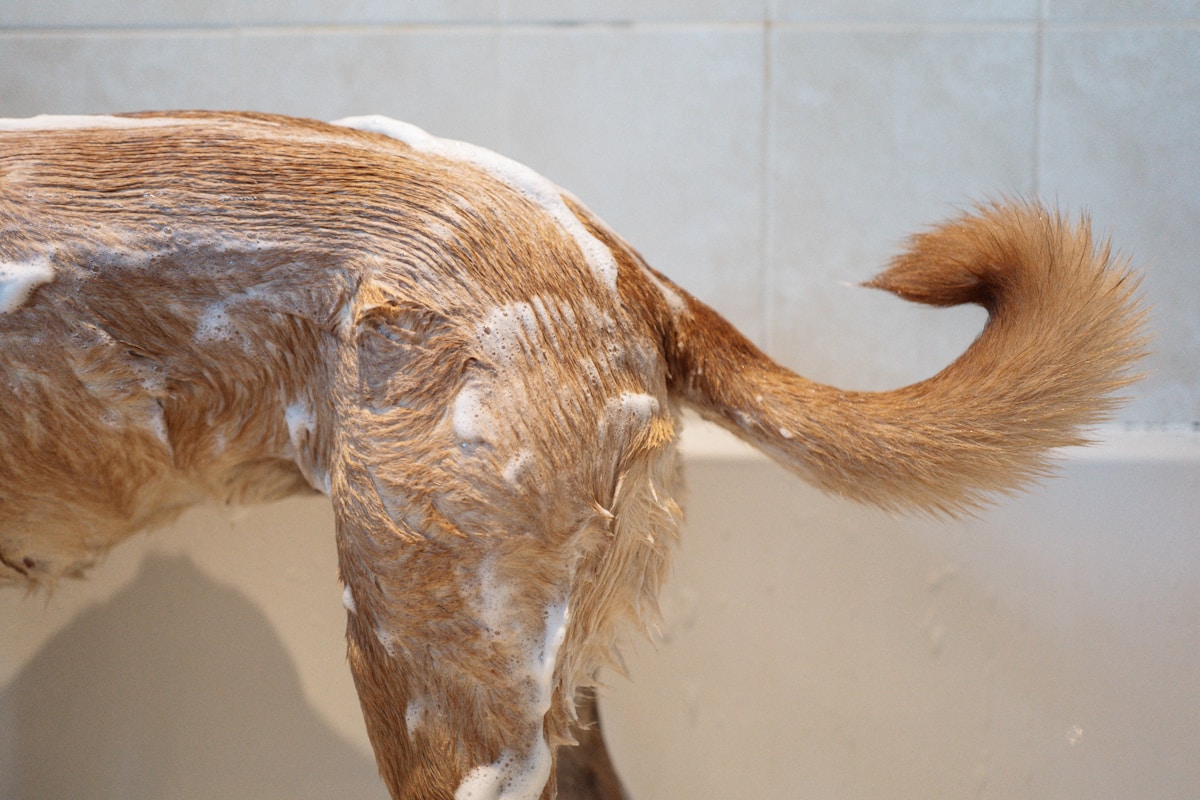
Few pet care experiences are quite as baffling or disheartening as bathing your dog thoroughly on a Saturday afternoon, admiring their radiant, velvety coat and clean scent, only to discover that by Tuesday morning, an overwhelming, pungent odor has returned with a vengeance. For millions of devoted dog owners, this recurring cycle of frequent bathing followed by rapid olfactory rebound transforms dog ownership into an endless battle against persistent grime and stench. Many frustrated owners assume the problem simply stems from an exceptionally outdoorsy dog, stubborn dirt, or cheap commercial grooming shampoo. Consequently, they double down on hygiene, scrubbing their pet twice a week with heavily perfumed washes, vigorous lathering, and hot water. Tragically, this instinctual reaction almost invariably worsens the underlying condition, accelerating the exact biological mechanisms that caused the foul odor in the first place.
The biological truth is that healthy canine skin does not produce an offensive, rancid, or overpowering odor. While every dog naturally maintains a subtle, neutral canine scent dictated by normal sebum and baseline pheromones, a repulsive smell that rebounds within two to four days of a complete bath is almost never a hygiene deficit. Instead, rapid post-bath odor is a definitive clinical marker of disrupted epidermal physiology, microscopic microbial proliferation, reactive glandular hypersecretion, or hidden anatomical pathology. When a dog develops offensive odors shortly after grooming, the skin’s protective barrier has broken down, allowing opportunistic bacteria, lipophilic yeasts, or regional secretory glands to surge unchecked across the cutaneous surface.
To permanently solve this frustrating dilemma, pet parents must transition away from treating canine odor as a superficial dirt problem and begin approaching it through the lens of veterinary dermatology. A dog’s integumentary system is a living, breathing, finely balanced ecosystem comprised of specialized lipids, antimicrobial peptides, friendly commensal flora, and complex sebaceous glands. By understanding how improper bathing protocols strip this delicate biological armor, identifying the precise microbial culprits behind common odors, uncovering hidden anatomical reservoirs like anal sacs and dental tartar, and implementing evidence-based dermatological remedies, you can eradicate the root cause of rebound dog odor forever.
Drawing on peer-reviewed clinical research published by the American Veterinary Medical Association (AVMA), veterinary dermatology consensus guidelines from the American Kennel Club (AKC), and dermatological diagnostic protocols from VCA Animal Hospitals, this comprehensive clinical treatise deconstructs the science of rebound odor, establishes a multi-tiered diagnostic framework, and delivers a professional dermatological roadmap to restore lasting freshness and health to your dog’s skin and coat.
Canine Epidermal Physiology: Understanding the Delicate Acid Mantle
To understand why dogs experience rapid odor rebounds, one must first explore the unique structural and chemical composition of the canine skin barrier. Human skin and canine skin diverge in fundamental physiological ways that make human bathing practices disastrous when applied to canines.
1. Epidermal Thickness and Cellular Architecture
While human skin consists of ten to fifteen compact layers of stratified squamous epithelium, canine epidermis is extraordinarily delicate, measuring only three to five cell layers thick across most areas of the body. This paper-thin cellular barrier means that harsh physical scrubbing, stiff-bristled brushes, or aggressive chemical detergents penetrate the entire depth of the stratum corneum almost instantaneously, creating microscopic fissures and mechanical abrasions that compromise tissue integrity.
2. The Cutaneous pH Disparity: Acid Mantle Biology
Human skin maintains a distinctly acidic pH ranging between 4.5 and 5.5. This acidic shield, known clinically as the acid mantle, acts as a hostile chemical barrier against environmental bacteria and fungi. Domestic canines, by contrast, possess a substantially more neutral to mildly alkaline epidermal pH, typically registering between 6.2 and 7.4 depending on anatomical location, breed, and hormonal status. Because canine skin lacks the protective acidity of human skin, it relies entirely on a delicate microscopic lipid bilayer to keep microbial populations in check.
3. Sebaceous Glandular Dynamics and Sebum Function
Clustered alongside every canine hair follicle unit are specialized compound alveolar glands known as sebaceous glands. These glands synthesize and secrete sebum: a complex biological cocktail composed of triglycerides, wax esters, sterol esters, free fatty acids, and squalene. Under healthy conditions, sebum serves indispensable physiological purposes:
- Moisture Retention: Sebum creates an impenetrable hydrophobic seal over the stratum corneum, preventing trans-epidermal water loss (TEWL) and maintaining optimal dermal hydration.
- Mechanical Lubrication: It coats each individual hair shaft, imparting tensile flexibility, preventing coat breakage, and shedding dirt particles.
- Antimicrobial Defense: Natural free fatty acids within sebum possess innate antimicrobial peptides (defensins and cathelicidins) that inhibit the overgrowth of pathogenic bacteria.
- Microbiome Equilibrium: Sebum provides a controlled lipid substrate that sustains beneficial commensal organisms while starving invasive pathogens.
The Reactive Hyper-Seborrhea Cascade: How Bathing Triggers Odor
When well-meaning dog owners bathe their pets too frequently or use aggressive, alkaline detergents, they trigger a violent physiological rebound known in clinical veterinary dermatology as reactive hyper-seborrhea.
1. Detergent Stripping and Lipid Dissolution
Mass-market pet shampoos frequently utilize cheap anionic surfactants: such as sodium lauryl sulfate (SLS) and ammonium laureth sulfate: engineered to strip grease with aggressive foaming action. When applied to canine skin, these harsh surfactants dissolve the protective lipid matrix within seconds. As the lipid bilayer washes down the drain, the stratum corneum dehydrates rapidly, intercellular junctions crack open, and dermal nerve fibers fire acute inflammatory signals.
2. Compensatory Glandular Rebound
Faced with catastrophic epidermal drought, the dog’s endocrine and local neuro-dermal systems initiate an emergency compensatory response. The sebaceous glands undergo rapid cellular hypertrophy, pumping out massive volumes of thick, heavy sebum within 24 to 72 hours post-bath in a desperate bid to re-coat the exposed skin. However, this emergency sebum is chemically abnormal: it contains elevated proportions of oxidized squalene and free fatty acids.
3. Rancid Lipid Oxidation and Odor Emission
As this tidal wave of emergency sebum reaches the skin surface and encounters atmospheric oxygen, a process of rapid lipid peroxidation occurs. Free radicals oxidize unsaturated fatty acids, generating volatile aldehydes, ketones, and short-chain organic acids. This chemical oxidation produces a heavy, greasy film that coats the dog’s coat, emitting an intensely stale, rancid, oily stench that owners mistake for dirt, prompting yet another harsh bath that restarts the vicious cycle.
According to clinical pathology references published in the Merck Veterinary Manual, early identification of underlying physiological changes provides the highest probability of positive long-term therapeutic outcomes.
Microbial Culprits Behind Post-Bath Stench: Yeasts and Bacteria
While oxidized lipids smell unpleasant, the most pungent, nauseating odors are generated when opportunistic microorganisms exploit the disrupted skin barrier and feed on the excess sebum.
1. Malassezia Pachydermatis: The Frito Feet and Stale Corn Chip Odor
The single most pervasive microbial agent responsible for rapid post-bath odor rebound is Malassezia pachydermatis: a non-mycelial, unipolar budding, lipophilic yeast that normally lives in minuscule, harmless colonies on canine skin, claws, and external ear canals. Because Malassezia is strictly lipophilic, it relies entirely on external lipids and fatty acids for metabolic nutrition.
When reactive seborrhea floods the skin with an endless buffet of warm sebum, Malassezia undergoes an explosive, logarithmic population boom. As billions of yeast organisms consume the lipids, their metabolic lipases cleave triglycerides into volatile organic compounds, primarily isovaleric acid and butyric acid. The resulting odor is unmistakable: a heavy, pungent stench reminiscent of stale corn chips, sour sourdough bread, moldy gym socks, or rotting cheese. The yeast also secretes irritating zymogen and proteases that cause intense pruritus, driving the dog to scratch, lick, and further mutilate the skin barrier.
2. Staphylococcus Pseudintermedius: The Sweet-Rotting Metallic Stench
A parallel bacterial threat is the proliferation of opportunistic bacterial pyoderma, predominantly driven by Staphylococcus pseudintermedius. Like Malassezia, this coagulase-positive bacterium is a normal commensal resident of canine mucosal margins. When the stratum corneum barrier is breached by aggressive bathing or hot water scalding, the bacteria penetrate the hair follicle infundibulum, initiating superficial bacterial folliculitis.
Staphylococcal colonies produce dense biofilms and release cellular exotoxins, creating epidermal collarettes, pustules, and a sickly sweet, metallic, or musty rotting odor. Authoritative epidemiological studies published by the American Veterinary Medical Association (AVMA) indicate that over eighty percent of recurrent post-bathing odors in domestic dogs stem directly from secondary microbial dysbiosis rather than environmental dirt.
3. Pseudomonas Aeruginosa: The Pungent Grape and Sewer Aroma
In moist anatomical pockets, particularly inflamed ear canals and deep skin folds, Pseudomonas aeruginosa can establish virulent colonies. Pseudomonas produces pyocyanin and volatile amines that generate an overwhelming, nauseating odor resembling rotting fruit or open sewage. Pseudomonas infections are notorious for resisting standard topical cleansers and require prompt veterinary cytology and targeted culture-directed antimicrobial therapy.
Hidden Anatomical Reservoirs of Post-Bath Contamination
Often, the foul odor that ruins a weekend bath did not originate on the body fur at all. Instead, it was produced within specialized anatomical glands or internal cavities that were either overlooked during the bath or accidentally triggered during the grooming process.
1. The Anal Gland Reservoir: The Fishy Sulfur Surprise
Situated bilaterally at the 4 o’clock and 8 o’clock positions relative to the anus are paired reservoir sacs known as the anal glands. Lined with sebaceous and apocrine glands, these sacs secrete an oily, pungent fluid rich in volatile sulfur compounds, trimethylamine, and organic acids, producing a suffocating, distinctly fishy, burnt-rubber stench.
During natural bowel movements, firm stools put mechanical pressure on these glands, expressing a small scent marker. However, dogs suffering from soft stools, anatomical deep positioning, or chronic allergies develop glandular impaction. During a bath, the warm water, tail manipulation, or stress of drying can trigger spontaneous partial expression of these sacs. If this thick, oily fluid leaks onto the dog’s rear coat or hind legs and is not thoroughly neutralized with an enzymatic cleanser, it contaminates the entire animal with an overpowering stench that owners mistake for dirty fur.
2. The External Ear Canal: The L-Shaped Moisture Trap
Canines possess an anatomical L-shaped ear canal: a vertical canal that descends before turning at a ninety-degree angle into a horizontal canal leading to the eardrum. During bathing, enthusiastic splashing or rinsing frequently allows water to enter the canal. In breeds with heavy, drop-down pinnae: such as Golden Retrievers, Cocker Spaniels, and Basset Hounds: trapped bathwater combined with 101.5-degree body temperature creates an ideal, dark biological incubator. Within forty-eight hours, subclinical yeast or bacterial colonies explode, emitting a pungent, sour-sweet stench from the dog’s head that ruins the clean bath scent.
3. Periodontal Disease and Saliva Grooming Vector
Over eighty percent of companion dogs over three years of age suffer from active periodontal disease. Heavy calcified tartar, subgingival calculus, and inflamed gums harbor massive colonies of anaerobic oral bacteria, including Porphyromonas and Treponema species. These anaerobes synthesize volatile sulfur compounds: hydrogen sulfide and methyl mercaptan: that produce severe halitosis.
When a freshly bathed dog grooms itself, licks its front paws, or gnaws at an itchy flank, it transfers milliliters of bacteria-laden saliva across its clean fur. As the water in the saliva evaporates, it leaves behind a crust of concentrated anaerobic bacteria that emit a foul, sour stench across the dog’s legs and chest within hours of stepping out of the tub.
4. Intertrigo and Skin Fold Pyoderma
Wrinkled and brachycephalic breeds: such as English Bulldogs, French Bulldogs, Pugs, and Shar-Peis: possess anatomical skin folds around their facial muzzle, jowls, vulva, and screw tail. These deep folds collect shed hair, dead squames, and sebum while trapping body heat. If an owner washes the dog’s body but fails to individually cleanse, dry, and medicate these crevices, the brewing yeast and bacterial fermentation inside the folds quickly wafts across the entire dog.
Bathing and Drying Mechanics: Eliminating the Swamp Undercoat Effect
The physical tools, water temperatures, and drying techniques utilized during a bath exert an immense influence on post-bath odor longevity. Understanding the physics of drying is vital for maintaining a fresh, healthy coat.
1. The Swamp Undercoat Effect in Double-Coated Breeds
Breeds equipped with dense double coats: such as German Shepherds, Siberian Huskies, Golden Retrievers, Bernese Mountain Dogs, and Newfoundlands: possess coarse outer guard hairs protecting a thick, woolly, water-repellent undercoat. When an owner bathes a double-coated dog at home and relies solely on towel drying and air drying, the surface guard hairs may feel dry to the touch within an hour, but the dense undercoat beneath remains damp, spongy, and cool for up to 36 to 48 hours.
This trapped moisture against the warm skin creates the swamp undercoat effect. Moisture-loving bacteria and fungal spores multiply rapidly on the warm, damp keratin, generating a foul, sour mildew odor identical to wet laundry forgotten in a washing machine for three days. To eliminate this hazard, pet owners must use a professional high-velocity forced-air blow dryer with no heat setting, systematically blowing the water out from the skin outward until every millimeter of undercoat is bone dry.
2. Surfactant Residue and Inadequate Rinsing
Shampoos contain chemical surfactant molecules with hydrophilic (water-loving) and lipophilic (oil-loving) ends. These molecules bind to sebum and dirt particles, allowing water to flush them away. If an owner does not rinse the coat thoroughly: spending at least twice as much time rinsing as lathering: micro-layers of surfactant residue remain bound to the hair shafts and skin cells.
As this residue dries, it causes contact irritation, dries out the epidermis, triggers intense scratching, and acts as an electrostatic magnet that attracts household dust, pollen, and dander. Within 48 hours, the tacky soap residue oxidizes, emitting an oily, chemical stench that makes the coat feel gritty and dirty.
3. Thermal Scalding and Water Temperature
Washing a dog with hot water is a critical error. Canine skin is far thinner than human skin, and hot water causes immediate vasodilation, strips the lipid bilayer, and inflames dermal mast cells, triggering histamine release and intense itching. Always bathe dogs using lukewarm or cool water. Cool water calms inflamed skin, tightens hair cuticles, and protects the stratum corneum from thermal trauma.
Nutritional Biochemistry: Dietary Support for the Epidermal Shield
Restoring a compromised skin barrier and controlling rebound odor requires nutritional building blocks from the inside out. Cutaneous health is inextricably linked to dietary lipid biochemistry and micronutrient availability.
1. Essential Fatty Acids: The EPA, DHA, and Linoleic Acid Balance
The epidermal lipid bilayer is constructed largely from polyunsaturated fatty acids. Canines cannot synthesize linoleic acid (an omega-6 fatty acid) endogenously; it must be supplied in the diet. Linoleic acid is directly incorporated into ceramides (specifically acylceramides) that form the moisture-retaining mortar between corneocyte bricks. Supplying high-quality cold-pressed plant oils or poultry fat ensures robust ceramide synthesis. Furthermore, marine-derived omega-3 fatty acids: eicosapentaenoic acid (EPA) and docosahexaenoic acid (DHA): incorporate into cell membranes, competing with arachidonic acid to down-regulate inflammatory leukotrienes and prostaglandins, reducing reactive seborrhea.
2. Zinc and Vitamin A for Keratinization Regulation
Zinc is an indispensable cofactor for over three hundred biological enzymes, including RNA polymerase and alkaline phosphatase required for epidermal cell division and protein synthesis. A marginal zinc deficiency or impaired intestinal zinc absorption results in parakeratosis: a condition where skin cells fail to mature properly, resulting in crusting, scaling, and rancid bacterial colonization. Vitamin A (retinol) regulates epithelial cell differentiation and sebaceous gland turnover. Therapeutic supplementation restores normal cell maturation cycles and prevents glandular hypersecretion.
3. Probiotics and the Gut-Skin Microbiome Axis
Cutting-edge veterinary research demonstrates a profound bidirectional communication network between the gastrointestinal tract and the cutaneous barrier, known as the Gut-Skin Axis. When intestinal microflora are disrupted by poor diets, antibiotics, or food allergies, circulating lipopolysaccharides (LPS) breach the gut barrier, triggering systemic inflammation that weakens the dermal stratum corneum. Supplementing sensitive dogs with veterinary synbiotics: containing Enterococcus faecium, Lactobacillus acidophilus, and prebiotic fructooligosaccharides: calms systemic inflammation and reinforces cutaneous resistance to Malassezia blooms.
Professional Grooming Tools and Equipment Architecture
Achieving veterinary-grade skin hygiene at home requires investing in professional grooming tools specifically engineered for canine hair morphology rather than repurposing human brushes.
1. Essential Toolkit Breakdown
- Stainless Steel Greyhound Comb: Features dual tooth spacing (fine and coarse) machined from solid brass or steel. It penetrates dense coats to the dermis, locating deep mats and verifying complete dead undercoat extraction.
- Undercoat Rake with Rotating Teeth: Conical, rotating stainless steel pins glide through dense woolly undercoats without pulling live guard hairs, removing dead shed keratin that traps moisture.
- Flexible Curved Slicker Brush: Features dense, fine wire bent pins on a flexible rubber backing that contours to the dog’s body, gently clearing minor surface tangles and distributing natural sebum along the hair shafts.
- High-Velocity Forced-Air Dryer: Operates at four to eight horsepower without heating elements, using focused air volume (CFM) to blast water droplets off the skin rather than baking the hair with dry heat.
- Microfiber Absorption Towels: High-density microfiber absorbs up to seven times its weight in water, pulling moisture off the surface without abrasive circular rubbing that snarls hair cuticles.
2. Breed-Specific Bathing Timelines and Protocols
- Double-Coated Working Breeds (Huskies, Shepherds, Bernese): Bathe every eight to twelve weeks. Frequent washing strips the insulating undercoat. Enforce rigorous daily line brushing and complete high-velocity blowout drying.
- Smooth-Coated Short Breeds (Boxers, Dobermans, Pointers): Bathe every six to eight weeks. Wipe coat weekly with a damp microfiber cloth and apply topical lipid mousse to maintain skin luster.
- Drop-Coated Breeds (Yorkies, Shih Tzus, Maltese): Bathe every three to four weeks using hydrating oatmeal and ceramide shampoos, followed by intensive leave-on conditioning to prevent hair cuticle tangling.
- Wrinkled Brachycephalic Breeds (Bulldogs, Pugs): Bathe the body every four to six weeks, but clean and dry facial and tail folds daily using chlorhexidine and ketoconazole veterinary wipes.
Step-by-Step Clinical Protocol for Restoring the Canine Skin Barrier
To eliminate rebound odor permanently, pet parents must follow a structured, multi-step dermatological protocol designed to heal the skin barrier and balance the cutaneous microbiome.
- Step 1: Thorough Pre-Bath Line Brushing: Before any water touches the dog, spend fifteen minutes line brushing the coat down to the skin using an undercoat rake and slicker brush. Removing dead, shed undercoat allows water and shampoo to penetrate and rinse out effortlessly.
- Step 2: Ear and Eye Protection: Place a large cotton ball inside each ear canal to block water entry during the bath. Apply a drop of veterinary sterile ophthalmic lubricant into each eye to protect corneas from accidental shampoo irritation.
- Step 3: Lukewarm Water Saturation: Thoroughly saturate the coat with lukewarm or cool water. Ensure the water penetrates completely through dense undercoats to the dermal surface before applying any shampoo.
- Step 4: Application of Therapeutic Veterinary Shampoo: Use a veterinary-formulated, soap-free, pH-balanced (6.5 to 7.2) shampoo containing active barrier-repairing ingredients: such as phytosphingosine, ceramides, colloidal oatmeal, or 2 to 4 percent chlorhexidine with ketoconazole if yeast or bacterial overgrowth is present.
- Step 5: Enforce the Mandatory 10-Minute Contact Time: Therapeutic shampoos cannot work if rinsed off immediately. Gently massage the lather into the skin and allow it to sit undisturbed for a full ten minutes by the clock, allowing active antimicrobials and lipid ceramides to penetrate the stratum corneum.
- Step 6: Exhaustive Double Rinsing: Rinse the coat thoroughly with running lukewarm water for at least five to seven minutes. Continue rinsing until the water running off the dog is crystal clear and completely devoid of foam or slick residue.
- Step 7: Application of Leave-On Lipid Conditioners: Apply a therapeutic leave-on conditioner or mousse containing ceramides and essential fatty acids. This replaces lost lipids, closes hair cuticles, and fortifies the epidermal shield against rebound seborrhea.
- Step 8: Forced-Air High-Velocity Drying: Use a high-velocity pet dryer to blast moisture off the skin surface. Work section by section from hindquarters to neck, verifying with your fingers that the skin feels completely dry and cool.
- Step 9: Post-Bath Ear Cleaning and Drying: Remove the protective cotton balls and administer an alcohol-free veterinary ear cleaner containing a drying agent (such as lactic or salicylic acid). Massage the ear base, allow the dog to shake, and wipe the outer canal clean with a dry cotton pad.
- Step 10: Environmental Bedding Sanitization: While the dog dries, wash all dog beds, crate pads, fabric collars, and car seat covers in hot water with fragrance-free detergent. Placing a clean dog onto an unwashed bed immediately inoculates the coat with millions of odor-causing microbes.
Malassezia pachydermatis Biofilm Proliferation in Alkaline Wet Undercoats
The quintessential wet dog smell that manifests after bathing is primarily caused by volatile organic compounds produced by cutaneous microflora, notably the yeast Malassezia pachydermatis. When moisture penetrates deep into the dense undercoat, it dissolves dried sebum, creating an ideal incubation broth for microbial metabolic activity.
As water evaporates from the fur, it volatilizes short-chain fatty acids, sulfur complexes, and phenylacetaldehyde, casting intense musty odors into the surrounding air. Thoroughly towel-drying and force-drying the undercoat down to the dermal layer arrests microbial evaporation cycles.
Reactive Sebaceous Hypersecretion: Why Stripping Shampoos Trigger Odor Rebounds
Over-bathing with harsh, alkaline human shampoos or detergent-heavy formulas strips the delicate lipid barrier from the canine stratum corneum. In response, sebaceous glands undergo reactive hypersecretion, flooding the dermal surface with excessive oils within forty-eight to seventy-two hours post-bath.
This oily rebound layer serves as rich sustenance for surface bacteria and yeast, causing dogs to smell noticeably worse just three days after bathing than they did before. Utilizing pH-balanced veterinary shampoos formulated between 6.5 and 7.5 preserves the acid mantle and prevents rebound oiliness.
High-Velocity Forced-Air Drying: Evaporating Deep Follicular Micro-Pockets
Air-drying a dense double-coated breed like a Golden Retriever or Siberian Husky traps persistent humidity against the skin for up to twenty-four hours. This prolonged dampness creates warm follicular micro-pockets that encourage bacterial proliferation and can trigger painful acute moist dermatitis.
Professional-grade high-velocity dryers use mechanical air pressure rather than intense heating elements to blast water droplets directly out of the coat core. This rapid moisture removal leaves the fur completely dry down to the follicle, locking in a clean, neutral scent.
Acetic and Boric Acid Rinse Formulations for Acid Mantle Stabilization
For canines prone to persistent yeasty or musty post-bath odors, veterinary dermatologists recommend incorporating diluted acidifying flushes into the final grooming step. Formulations containing two percent acetic acid and two percent boric acid alter skin surface pH, rendering the dermal environment hostile to yeast colonization.
Applying a gentle leave-on conditioning rinse enriched with ceramides and essential fatty acids restores the epidermal barrier after cleansing. This preventative skin regimen eliminates musty odor rebounds while fostering a resilient, glossy coat.
Advanced Dermal Barrier Restoration: Lipid Replenishment and Undercoat Aeration
Eliminating recurring post-bath odor requires proactive restoration of the cutaneous lipid matrix following water exposure. Applying leave-on veterinary mists enriched with essential fatty acids, phytosphingosines, and colloidal oatmeal rebuilds the acid mantle, preventing opportunistic Malassezia yeast from colonizing damp hair follicles.
Thorough mechanical undercoat line-brushing during high-velocity cool blow-drying ensures trapped humidity is completely eliminated from deep skin folds. Combining thorough drying mechanics with pH-balanced therapeutic cleansers leaves the canine coat fresh, resilient, and odor-free for weeks.
Establishing a clean bedding rotation schedule where dog blankets and cushion covers are laundered weekly in fragrance-free detergents prevents external re-contamination of freshly washed fur. Total environmental cleanliness guarantees long-lasting post-grooming freshness.
The dermatological comparison matrix below details the primary microbiological, follicular, and chemical factors governing post-bath odor development, sebaceous rebound, and drying efficacy across diverse canine coat types.
Cutaneous Microbiome Homeostasis: Preserving Commensal Microflora on Post-Bath Canine Skin
The canine cutaneous ecosystem relies upon a delicate balance between beneficial commensal bacteria, such as Staphylococcus epidermidis, and opportunistic pathogens like Malassezia pachydermatis. When overzealous bathing strips the natural microbiome, opportunistic microbes colonize vacant follicular niches, triggering inflammatory erythema and unpleasant odors.
Integrating topical post-bath microbiome sprays formulated with targeted postbiotics and fermented botanical extracts reinforces natural dermal resistance. Sustaining a healthy microfloral barrier ensures lasting post-bath freshness and long-term dermatological comfort for double-coated companions.
Comparative Diagnostic Matrix: Dermal Rebound Odor Profiles
This table provides a comprehensive veterinary diagnostic breakdown of the primary causes of rapid post-bath odor rebound in companion canines:
| Underlying Condition | Primary Sensory Odor Profile | Primary Anatomical Distribution | Microbial / Biological Driver | Clinical Red Flags | Veterinary Treatment Strategy |
|---|---|---|---|---|---|
| Reactive Seborrhea | Stale, rancid oil, oxidized grease | Dorsal spine, tail base, flanks | Overactive sebaceous glands post-stripping | Oily residue on hands after petting | Ceramide shampoo, cool water, phytosphingosine |
| Malassezia Dermatitis | Sour corn chips, moldy gym socks, bread | Paws, groin, armpits, neck folds | Lipophilic yeast proliferation (M. pachydermatis) | Rusty brown fur staining, intense itching | Chlorhexidine-ketoconazole therapeutic baths |
| Bacterial Pyoderma | Sweet rotting, damp earth, metallic | Trunk, abdomen, inner thighs | Staphylococcus pseudintermedius invasion | Pustules, circular crusts, hair loss patches | Topical chlorhexidine 4 percent, systemic antibiotics |
| Impacted Anal Sacs | Suffocating fishy, metallic, burnt rubber | Perianal area, tail base, rear thighs | Anaerobic bacterial glandular fermentation | Scooting, licking anus, bloody discharge | Manual internal expression, antibiotic infusion |
| Swamp Undercoat Effect | Musty, sour mildew, wet laundry | Deep undercoat, chest, hip denseness | Trapped moisture fermenting against warm dermis | Dampness felt hours after bathing | Forced-air high-velocity blow dry to the skin |
| Periodontal Saliva Transfer | Stale halitosis, rotten flesh, swamp | Forelegs, front paws, flank fur | Oral anaerobic sulfur bacteria via grooming | Heavy brown dental tartar, bleeding gums | Professional dental scaling and polishing |
Applying the comparative drying protocols and pH guidelines established in the matrix above eliminates musty post-bath odor rebounds permanently. Review the targeted frequently asked questions below for expert grooming solutions to stubborn wet fur smells.
Frequently Asked Questions About Dog Bathing and Rebound Odor
Why does my dog smell like corn chips or Fritos two days after a bath?
The distinctive corn chip or Frito smell is caused by the proliferation of Malassezia pachydermatis yeast and Proteus bacteria. When a bath strips the protective skin barrier, sebaceous glands pump out excess sebum. The yeast feeds on these lipids, producing volatile organic compounds: primarily isovaleric and butyric acids: that emit this pungent, fermented odor.
Can human shampoo or baby shampoo be safely used on dogs?
No. Human skin has an acidic pH (4.5 to 5.5), while canine skin is neutral to mildly alkaline (6.2 to 7.4). Human shampoos, including gentle baby shampoos, are formulated for acidic skin and contain strong surfactants that strip the canine acid mantle, destroy the stratum corneum lipid bilayer, and trigger violent reactive hyper-seborrhea and microbial infections.
How often should a dog with sensitive or smelly skin genuinely be bathed?
For healthy dogs with normal skin, bathing every four to six weeks is optimal. However, if a dog suffers from active yeast dermatitis or bacterial pyoderma, veterinarians prescribe medicated baths two to three times per week for two to four weeks. Crucially, these frequent baths must utilize medicated veterinary shampoos that restore lipids rather than harsh commercial cleansing washes.
What is the swamp undercoat effect and which breeds are most vulnerable?
The swamp undercoat effect occurs when a double-coated dog (such as a German Shepherd, Golden Retriever, or Husky) is towel-dried or air-dried, leaving the dense undercoat damp against the warm skin for 24 to 48 hours. Trapped humidity creates an optimal incubator for mildew-like bacterial fermentation. It is prevented by using a high-velocity blow dryer to dry the coat completely to the skin.
Why does my dog emit a strong, pungent fishy odor after grooming?
A sudden fishy, burnt-rubber stench is caused by the expression of the anal glands. The physical manipulation, stress, or warm water of bathing can trigger spontaneous partial discharge of these oily sacs onto the hind legs and tail base. If not neutralized with enzymatic cleaners, the volatile sulfur compounds produce a suffocating odor across the animal.
Can diet and food allergies cause a dog to smell bad quickly after a bath?
Yes. Adverse food reactions to common dietary proteins (such as chicken or beef) cause systemic allergic inflammation that compromises the cutaneous barrier. The inflamed skin produces abnormal, malodorous sebum and provides an ideal substrate for chronic secondary yeast and bacterial blooms. Transitioning to a hypoallergenic novel or hydrolyzed protein diet often resolves chronic rebound odor.
What active ingredients should I look for in a therapeutic dog shampoo?
For yeast and bacterial odors, look for shampoos containing 2 to 4 percent chlorhexidine gluconate combined with 1 to 2 percent ketoconazole or miconazole. For restoring the skin barrier, seek formulas enriched with ceramides, phytosphingosine, colloidal oatmeal, and essential fatty acids. Avoid shampoos containing sodium lauryl sulfate, artificial dyes, and heavy synthetic perfumes.
Why is leave-on conditioner essential after bathing a sensitive dog?
Shampoo cleanses the coat by emulsifying lipids, which temporarily removes natural oils. A veterinary-formulated leave-on conditioner or mousse deposits microscopic layers of ceramides, cholesterol, and free fatty acids directly onto the stratum corneum, restoring the hydrophobic barrier and preventing the sebaceous glands from going into reactive overdrive.
How do dirty dog beds and collars ruin a fresh bath?
Dog beds, fabric harnesses, and nylon collars absorb months of accumulated body oils, dead skin squames, and fungal spores. When a freshly bathed dog lies on unwashed bedding, the porous clean coat acts as a biological sponge, instantly absorbing odor molecules and inoculating the fur with billions of dormant microorganisms.
Can dental disease cause a dog’s coat to smell bad?
Yes. Dogs with periodontal disease harbor dense colonies of anaerobic bacteria that produce foul volatile sulfur compounds. When the dog grooms its paws, legs, or body, it coats the hair with bacteria-laden saliva. Once the liquid evaporates, a crust of malodorous oral bacteria remains on the fur, emitting a stale, putrid halitosis scent.
Restoring the Harmony of Your Dog’s Cutaneous Ecosystem
The journey to eliminating chronic rebound dog odor requires a profound shift in mindset: moving from the aggressive pursuit of superficial cleanliness to the thoughtful, compassionate preservation of biological harmony. When we recognize that a dog who smells offensive days after a bath is not dirty, but rather signaling that their delicate epidermal shield has been compromised, our care transforms from frustrating scrubbing into healing restoration.
By replacing harsh commercial detergents with physiologic, pH-balanced ceramide shampoos, respecting the vital 10-minute therapeutic contact time, banishing hot water in favor of calming lukewarm rinses, and utilizing forced-air high-velocity drying to eradicate moisture from dense undercoats, you dismantle the primary drivers of reactive seborrhea and microbial dysbiosis. Uncovering and treating hidden anatomical reservoirs like impacted anal sacs, infected ear canals, and periodontal dental disease ensures that odor is neutralized at its true physical origin.
Your canine companion depends entirely on your informed stewardship for their physical comfort and skin health. When you nurture their cutaneous barrier with evidence-based dermatological care, the reward is immediate and enduring: a soft, lustrous coat, a comfortable, itch-free companion, and a clean, naturally fresh presence that makes every cuddle, couch cuddle, and shared moment in your home a pure, uninterrupted joy.
Leave a Comment