

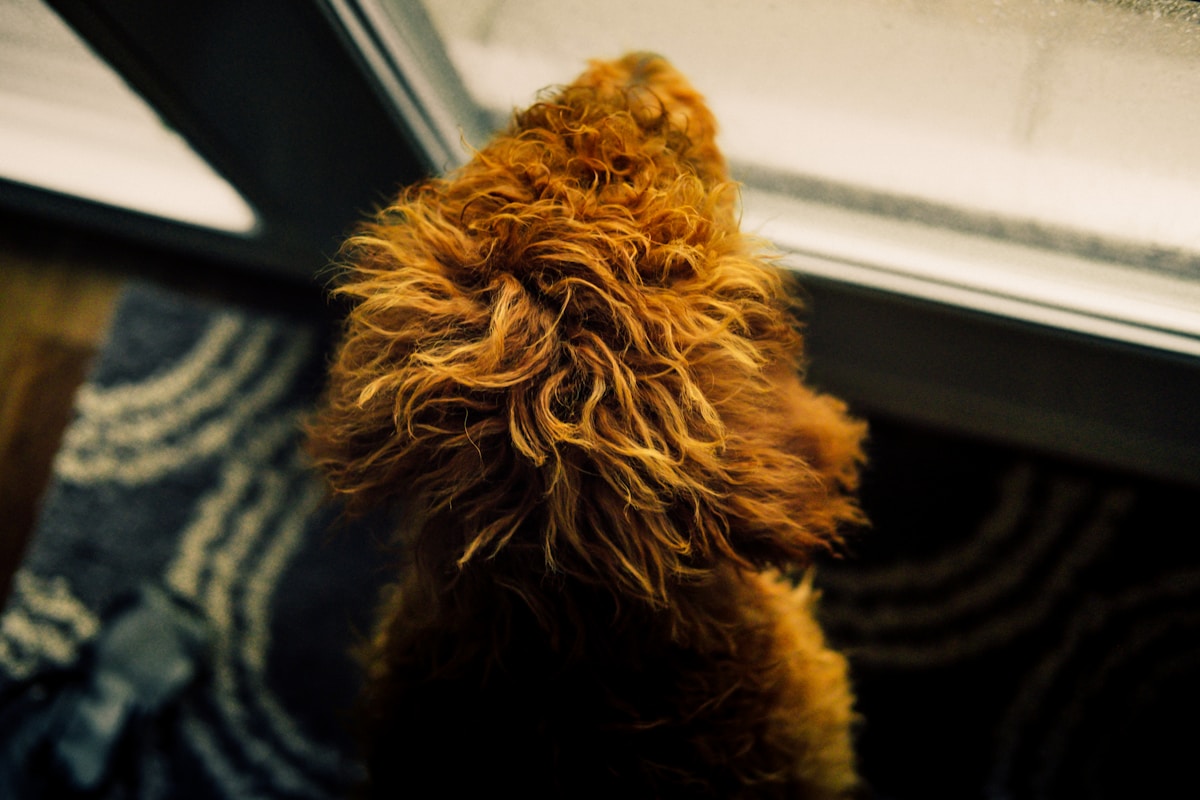
Among the countless mysteries of the human-canine bond, few phenomena evoke as much domestic wonder as the homecoming vigil. In millions of households around the globe, family members witness an astonishing daily ritual. Long before an automobile pulls into the driveway, before footsteps echo on the front walkway, and before keys jingle in the lock, the family dog suddenly stirs from a dead sleep. It trots intentionally to the front living room window, rests its chin on the windowsill, twitches its ears forward, and begins wagging its tail in joyful anticipation. If a spouse or roommate checks the clock, they note that the dog began its vigil ten, fifteen, or twenty minutes before the absent person actually arrived.
For centuries, human observers attributed this uncanny punctuality to psychic telepathy, extrasensory perception, or a mystical canine sixth sense. In popular literature, books have celebrated the apparent psychic powers of animals anticipating their guardians’ return across vast geographical distances. However, modern cognitive ethology, sensory neuroscience, and evolutionary biology have revealed an even more astonishing reality. Domestic canines do not rely on supernatural forces to anticipate your return; they utilize an extraordinary array of micro-olfactory clocks, ultrasonic acoustic telemetry, circadian neuro-hormonal rhythms, and acute environmental pattern recognition.
Drawing upon clinical research from the American Kennel Club, cognitive studies published by the Association of Professional Dog Trainers, and veterinary sensory research documented by the American Veterinary Medical Association, this comprehensive guide investigates the scientific mechanics behind how dogs predict homecoming, analyzes landmark experiments, debunks persistent myths, and explains the profound neuro-biology of canine anticipation.
The Olfactory Hourglass: How Dogs Measure Time Through Scent Decay
The primary sensory organ through which domestic canines decode temporal reality is not their eyes or ears, but their extraordinary olfactory apparatus. While humans conceive of time as an abstract, linear progression of minutes and hours marked by ticking clocks, canines perceive the passage of time as a physical, chemical process: the gradual evaporation, dispersal, and decay of scent molecules within their domestic territory.
1. Scent Concentration Dynamics and Indoor Air Currents
Every human body continuously sheds an invisible, highly concentrated atmospheric cloud composed of skin cells (corneocytes), sebaceous gland lipids, sweat secretions, and volatile organic compounds. When you are inside your home, your physical presence continuously recharges this olfactory cloud, keeping household scent concentrations saturated at peak levels.
The moment you step out the front door in the morning and close it behind you, this continuous olfactory replenishment ceases abruptly. From that exact second onward, your scent begins to undergo steady, measurable degradation. Ambient indoor airflow, thermal convection currents created by heating and cooling systems, and chemical oxidation break down and disperse your scent molecules at a remarkably predictable rate. To an olfactory specialist whose nasal cavity contains up to three hundred million sensory receptors, the strength of your remaining scent profile operates like an invisible, chemical hourglass.
2. The Olfactory Threshold Trigger
Through weeks and months of repetitive daily domestic routines, your dog’s brain correlates the concentration of your decaying scent with the moment of your physical arrival. When you are absent for eight hours during an ordinary workday, your scent reaches a specific, calibrated dilution point at precisely the seven-hour-and-forty-minute mark.
When the ambient concentration of your scent drops below that critical biological threshold, your dog’s olfactory bulb signals the brain: The human scent has decayed to the level that immediately precedes arrival. The dog stirs, stands up, and moves to the window, not because it possesses magical clairvoyance, but because the chemical clock inside your living room has run down to the final grains of sand.
3. Alexandra Horowitz’s Olfactory Timekeeping Trials
This olfactory clock hypothesis received compelling scientific backing through the experimental work of renowned canine cognitive scientist Dr. Alexandra Horowitz at Barnard College. In controlled observational experiments, researchers sought to determine whether altering a room’s scent concentration could manipulate a dog’s anticipation of its owner’s arrival.
Researchers had the owner depart on an ordinary schedule. However, mid-way through the owner’s absence, an accomplice entered the home through a back door and distributed freshly worn clothing items belonging to the absent owner across the furniture, artificially recharging the room with the owner’s scent. When the actual time of the owner’s regular return approached, the dogs failed to perform their usual window vigil; because the room was thick with fresh scent, the dogs’ internal olfactory clocks registered that the owner had only recently left. The dogs only initiated their greeting behaviors long after the owner had actually arrived, providing powerful evidence that scent concentration directly modulates temporal anticipation.
Ultrasonic Acoustic Telemetry: The Power of Canine Audition
While scent decay establishes the general temporal window of homecoming, acoustic detection provides the precise, split-second confirmation that triggers immediate physical alertness.
1. Auditory Acuity and Frequency Range
The domestic canine auditory spectrum spans frequencies up to 45,000 Hertz, compared to the human hearing limit of approximately 20,000 Hertz. Furthermore, canine ears are controlled by eighteen independent muscles capable of rotating the pinnae to maximize acoustic capture. Most crucially, dogs can detect sounds at distances four to five times greater than the human ear can perceive, across amplitudes far below the human sensory threshold.
Long before a car becomes visible to human eyes or audible to human ears, a dog can detect its acoustic approach. When your vehicle enters your suburban neighborhood, turns onto your residential street half a mile away, or downshifts at a distant stop sign, your dog’s auditory cortex picks up the specific acoustic signature of your car’s engine, exhaust harmonics, and tire tread friction against the asphalt.
2. Unique Acoustic Fingerprints of Personal Vehicles
Every motorized vehicle possesses a distinct acoustic profile. The high-frequency hum of a specific alternator, the rhythmic rattle of a loose heat shield, the pitch of power steering pump whine, the squeak of a worn suspension bushing, and the exact rotational frequency of the engine create a unique sonic fingerprint. Canines are masters of frequency discrimination. While an owner may think, my dog knows when any car approaches, rigorous testing shows that dogs ignore dozens of passing delivery trucks, neighbor sedans, and emergency vehicles, reacting exclusively when that one unique acoustic profile enters the auditory horizon.
3. The Ultrasonic Signature of Human Locomotion
For guardians who commute by public transit or walk home on foot, acoustic telemetry remains equally operative. Every human walks with a distinct gait biomechanic: footfall cadence, heel-to-toe pressure distribution, stride length, and clothing friction. The faint jingle of specific keys bumping against a belt loop, the squeak of leather shoe soles, the metallic click of a gate latch two properties away, or the rhythmic swing of a nylon backpack strap emits high-frequency sounds that carry hundreds of yards through the quiet air. Your dog recognizes these signature sounds long before you reach the front porch.
Clinical research conducted by the Cornell University College of Veterinary Medicine demonstrates that biological sensory thresholds and neurological adaptations play a defining role in everyday canine responses.
Circadian Chronobiology: The Hypothalamic Biological Clock
Beyond external sensory stimuli, canines possess an internal biological chronometer that functions with remarkable mathematical precision. The science of chronobiology explains how physiological rhythms govern daily behavior.
1. The Suprachiasmatic Nucleus and Circadian Oscillations
Deep within the canine anterior hypothalamus lies the suprachiasmatic nucleus (SCN), the master circadian pacemaker of the mammalian brain. The SCN regulates daily 24-hour physiological cycles by modulating body temperature, blood pressure, digestive enzymatic secretions, and hormonal pulses of cortisol and melatonin in response to environmental photoperiods (daylight and darkness).
Through these continuous biochemical fluctuations, the canine body tracks time internally. If you leave for work every morning at 8:00 AM and return home at 5:30 PM, your dog’s physiological systems adapt to this schedule. Metabolic activity dips into a midday nadir and begins rising in the late afternoon. Cortisol levels begin a gentle upward climb, blood glucose shifts, and digestive peristalsis increases around 5:15 PM in anticipation of your arrival and subsequent evening feeding. This internal physiological activation awakens the dog, signaling that homecoming is imminent.
2. What Happens When Schedules Are Irregular?
The true test of circadian timekeeping occurs when an owner’s daily schedule is completely disrupted. When an owner who usually returns at 5:30 PM unexpectedly arrives home at 1:00 PM, does the dog still wait at the window twenty minutes beforehand?
Systematic behavioral trials have demonstrated that on days when owners return hours ahead of their usual schedule, dogs rarely perform their extended window vigils. The dog is typically caught completely off guard, often found fast asleep on its bed, rising only when the vehicle actually enters the driveway or the key turns in the deadbolt. This lack of anticipation during irregular returns conclusively disproves the telepathic hypothesis and confirms that anticipation relies heavily on circadian habituation and olfactory decay.
Neighborhood Environmental Cascades: The Chain of Antecedent Predictors
Canines are superlative observers of environmental context. In many cases where an owner believes their dog is anticipating their arrival through impossible intuition, the dog is actually responding to a predictable cascade of external neighborhood events that precede the owner’s arrival.
1. The Environmental Chain of Events
Consider the daily sequence of events that unfolds in a typical suburban neighborhood between 4:30 PM and 5:30 PM:
- At 4:45 PM, the neighborhood yellow school bus drops off local elementary children, accompanied by shouting voices and slamming doors.
- At 5:00 PM, the mail carrier drives down the street, depositing mail into metal boxes with a distinct metallic clatter.
- At 5:15 PM, the next-door neighbor arrives home, their garage door opener emitting a low-frequency motor rumble that vibrates through the ground.
- At 5:25 PM, the neighbor’s Golden Retriever is let out into the adjoining yard, barking twice at a passing squirrel.
To human residents focused on screens or domestic chores, these background events are ignored as meaningless ambient noise. To an alert, observant canine lying on the floor with nothing else to do, these events represent a precise behavioral sequence. The dog learns through classical conditioning: Event A leads to Event B, which leads to Event C, which is immediately followed by my human walking through the door. By the time Event C occurs, the dog is already at the window, primed for arrival by the environmental chain.
According to clinical pathology references published in the Merck Veterinary Manual, early identification of underlying physiological changes provides the highest probability of positive long-term therapeutic outcomes.
The Rupert Sheldrake Controversies: Testing the Telepathic Claim
Any serious examination of canine homecoming anticipation must address the famous research of British parapsychologist Dr. Rupert Sheldrake, whose 1999 book Dogs That Know When Their Owners Are Coming Home popularized the theory of morphic resonance and canine telepathy.
1. Sheldrake’s Experimental Claims
Sheldrake conducted extensive video-monitored trials with a terrier named Jaytee in northwest England. In these trials, Jaytee’s owner traveled miles away and returned home at randomized times using unfamiliar transportation (such as taxis) to eliminate acoustic vehicle cues. Sheldrake claimed that video analysis showed Jaytee consistently went to the porch window at the exact moment the owner formed the mental intent to travel home, often dozens of minutes before arrival, which he argued proved non-local telepathic communication between pets and owners.
2. The Scientific Replications by Wiseman and Smith
Because extraordinary claims require extraordinary evidence, mainstream scientists sought to replicate Sheldrake’s findings under rigorous, double-blind laboratory conditions. Renowned research psychologists Dr. Richard Wiseman and Dr. Matthew Smith conducted independent, meticulously controlled replications with Jaytee, published in the British Journal of Psychology.
The results of the scientific replication completely dismantled the telepathy hypothesis:
- The Reality of Continuous Window Visits: When continuous, unedited video footage was analyzed objectively, researchers discovered that Jaytee visited the porch window frequently throughout the entire day: whenever a car passed, a pedestrian walked a dog, a bird landed in the yard, or simply out of routine restlessness.
- Selective Human Reporting Bias: In Sheldrake’s earlier methodology, visits to the window were counted as successful hits if they coincided with the owner’s travel period, while hundreds of identical window visits occurring earlier in the day were dismissed as random movements. When standard statistical controls were applied, Jaytee spent no more time at the window during the owner’s return journey than during any other random period of the day.
- The Power of Confirmation Bias: Human owners remember the spectacular instances when their dog was waiting by the door at the exact moment of arrival, but completely forget the hundreds of days when the dog was sleeping under the bed or chewing a bone when they walked inside.
Neuro-Chemical Cascades of Canine Reunion: The Oxytocin Flood
The intense motivation that drives dogs to monitor time and anticipate homecoming is powered by the profound neuro-chemical reward that accompanies the moment of reunion.
1. The Azabu University Oxytocin Discoveries
Groundbreaking research conducted by Dr. Takefumi Kikusui and his neuro-biology team at Azabu University in Japan demonstrated that the reunion between a dog and its bonded human triggers a dramatic, reciprocal surge of oxytocin in both species. Within three minutes of calm reunion greeting, circulating oxytocin concentrations in canine blood rise by over 130 percent, accompanied by parallel oxytocin spikes in the human bloodstream.
Oxytocin is the master hormone of maternal bonding, emotional attachment, and parasympathetic relaxation. For a dog that spent eight hours in quiet solitude, the homecoming of its favorite person represents an explosive neurochemical relief: an abrupt transition from low-arousal sensory deprivation into an intoxicating bath of oxytocin, dopamine, and endorphins. The anticipation of this profound neurochemical pleasure is what motivates the dog to vigilantly track the final hour of separation.
2. Endocannabinoids and Social Reward Processing
In addition to oxytocin, canine neuro-imaging studies have revealed that social reunions activate the canine endocannabinoid system. Circulating levels of anandamide (often called the bliss molecule) rise significantly during human greetings. This endocannabinoid activation dampens residual cortisol and adrenaline, inducing the deep physical relaxation, prolonged sighs, and contented recumbency that dogs display thirty minutes after their family has safely gathered under one roof.
The Vomeronasal Organ and Pheromonal Chemical Signaling
To fully appreciate how canines track time through scent decay, we must examine the dual-channel architecture of the canine olfactory system. Dogs possess not one, but two anatomically distinct scent-processing systems: the primary main olfactory epithelium within the ethmoid turbinates, and the auxiliary vomeronasal organ (Jacobson’s organ) located in the hard palate.
1. Anatomy and Physiology of Jacobson’s Organ
The vomeronasal organ consists of two fluid-filled, mucosal-lined cartilaginous tubes situated just above the roof of the mouth, communicating with the oral and nasal cavities via the incisive ducts located directly behind the upper incisor teeth. While the main olfactory epithelium processes airborne volatile odorants (such as the scent of food or gasoline), the vomeronasal organ is dedicated almost exclusively to detecting non-volatile, heavy chemical messengers: primarily pheromones and biochemical signatures of emotional and physiological status.
When a dog curls its upper lips, flutters its tongue against the roof of its mouth, and clicks its teeth: a behavioral mechanism known as the flehmen response: it pumps microscopic fluid samples from its oral cavity directly into the incisive papillae. This action delivers concentrated human sweat lipids, apocrine gland secretions, and steroid metabolites (such as androstenol and human skin cortisol) directly onto the specialized sensory receptors of Jacobson’s organ.
2. Pheromonal Decay Kinetics as a Chronometer
Unlike volatile scent molecules that disperse rapidly through atmospheric air currents, heavy skin pheromones and sebum lipids adhere tenaciously to household furniture, door handles, and fabrics. These complex organic compounds undergo slow, steady biochemical breakdown catalyzed by environmental oxygen and ambient humidity. The sensory neurons of the vomeronasal organ project directly to the accessory olfactory bulb, which connects with the medial amygdala and hypothalamus without passing through the conscious cerebral cortex.
This anatomical wiring means that pheromone concentrations modulate emotional and autonomic arousal on a subconscious, physiological level. As the concentration of human sebum pheromones across the living room carpet and couch cushions declines toward late afternoon, the dog’s accessory olfactory bulb detects the quantitative dilution. This signals the hypothalamus that the biological presence of the pack leader has diminished to its critical minimum threshold, triggering an instinctual shift from quiescent rest into active sentry anticipation.
Comparative Neuroanatomy: Canine Auditory Processing Superiority
Human technology has developed sophisticated acoustic sensors and algorithmic voice recognition filters, yet none can match the real-time acoustic discrimination performed by the canine auditory cortex.
1. Cochlear Tonotopic Architecture and Basilar Membrane Resonators
The canine inner ear features an elongated cochlea equipped with a basilar membrane that contains significantly higher hair cell density compared to the human auditory organ. This anatomical adaptation enables remarkable tonotopic frequency mapping. The base of the canine cochlea is engineered by nature to resonate with ultra-high acoustic frequencies up to 45,000 Hertz, while the apex captures deep, low-frequency motor vibrations down to 67 Hertz.
When a distant vehicle approaches, the acoustic wave propagates through atmospheric air as a complex, multi-harmonic frequency packet. A human standing outside hears only a generic, muffled road hum. The canine cochlea, by contrast, deconstructs this acoustic packet into its constituent frequencies with microscopic precision. The auditory cortex isolates the unique RPM (revolutions per minute) harmonics of the engine pistons, the discrete high-frequency whine of the vehicle’s serpentine belt, and the specific resonance of the vehicle’s exhaust manifold. The dog’s brain matches this complex sonic profile against stored auditory templates, achieving positive identification long before human senses detect the vehicle’s presence.
2. Independent Pinna Pinpoint Triangulation
Canine ears are anatomical masterpieces of kinetic acoustic capture. Governed by eighteen independent auricular muscles, each pinna can twist, tilt, and flatten independently, swiveling across an arc of nearly two hundred degrees. By tilting one ear toward the street while angling the other toward the front door, the dog performs instantaneous binaural time-difference calculations.
When sound waves reach the ears with a time differential of mere microseconds, the canine superior olivary complex processes the interaural time and intensity differences to pinpoint the exact three-dimensional coordinates of the approaching sound source. This allows the dog to know not merely that a car is approaching, but precisely which street corner it is currently turning around two neighborhoods away.
Episodic Memory versus Associative Conditioning in Canine Cognition
The ability of domestic canines to anticipate their owner’s return raises profound questions regarding the cognitive nature of canine memory. Does a waiting dog actively visualize its owner, or is the behavior purely an automated reflexive response to associative environmental cues?
1. The Operant Chain: Classical and Pavlovian Conditioning
From a strict behaviorist perspective, homecoming anticipation can be explained through extensive chains of Pavlovian classical conditioning. The daily sequence of environmental cues: school buses passing, afternoon sunlight angles shifting, furnace blowers cycling, and ambient scent levels dropping: acts as a tiered cascade of Conditioned Stimuli (CS). Each antecedent stimulus reliably predicts the next, culminating in the Unconditioned Stimulus (US): the arrival of the human, which delivers the Unconditioned Response (UR): massive dopamine release, social affection, and food rewards. Through years of daily repetition, this operant chain becomes hardwired into the dog’s behavioral repertoire.
2. Evidence for Mental Representations and Episodic-Like Memory
However, modern cognitive experiments conducted at the Family Dog Project at Eotvos Lorand University indicate that canines possess far more than automated stimulus-response loops; they maintain active mental representations of their human caregivers. When dogs are presented with recorded sounds of their owner’s voice playing through a speaker, infrared eye-tracking technology demonstrates that the dog looks expectantly toward the specific physical doorway where the owner usually enters, expecting a visual match for the auditory stimulus.
Furthermore, studies investigating canine expectations have shown that if an unfamiliar person steps through the door when the dog was anticipating its primary owner, the dog displays visible physiological surprise: head tilting, pupil dilation, and temporary motor inhibition: proving that the dog was holding a specific, anticipatory mental image of its chosen human companion.
Veterinary Pathology of Homecoming Hyper-Arousal: When Greeting Turns Dangerous
While a joyful reunion greeting is a heartwarming domestic scene, veterinary clinicians caution that uncontrolled hyper-arousal during homecoming can pose severe medical risks for vulnerable canines.
1. Cardiovascular Strain, Tachycardia, and Syncope
When an over-excited dog observes its owner walking up the driveway, its sympathetic nervous system unleashes an explosive surge of catecholamines: epinephrine and norepinephrine. In young, athletic dogs, this adrenergic storm merely produces rapid tail wagging and joyful bounding. However, in senior dogs or breeds genetically predisposed to cardiovascular disease (such as Cavalier King Charles Spaniels with degenerative mitral valve disease or Doberman Pinschers with dilated cardiomyopathy), the sudden spike in blood pressure and heart rate can exceed 250 beats per minute.
This acute myocardial workload can trigger severe ventricular arrhythmias, acute pulmonary edema, or cardiogenic syncope (sudden fainting collapses caused by transient cerebral hypoperfusion). Owners of dogs with diagnosed heart conditions must actively condition low-arousal, calm greeting protocols to prevent life-threatening cardiovascular events at the doorway.
2. Orthopedic Micro-Trauma and Cruciate Ligament Ruptures
The intense physical acrobatics displayed by dogs during greeting: jumping vertically, spinning in tight circles on slick hardwood floors, and slamming into front doors: represent major orthopedic hazards. When a heavy dog lands awkwardly on a low-traction floor while its muscles are tense with excitement, the rotational torque on the stifle (knee) joint frequently causes catastrophic tearing of the cranial cruciate ligament (CCL).
Veterinary orthopedic surgeons report that a disproportionate percentage of CCL tears and patellar luxations occur during the initial five minutes of owner reunion. Training dogs to perform a four-paws-on-the-floor greeting or directing their energy toward a soft rug with an oral toy drastically reduces orthopedic injury risks.
Comparative Cognitive Neuroscience: Canine Sensory Perception and Evolutionary Adaptation
Recent breakthroughs in comparative animal cognition and functional magnetic resonance imaging (fMRI) have revolutionized our understanding of how canines perceive and navigate their physical reality. From referential communication and cross-modal sensory integration to dichromatic visual acuity and olfactory discrimination, canines process environmental data through specialized sensory architectures honed over tens of thousands of years of shared co-evolution alongside human societies. Rather than merely reacting to immediate physical stimuli, canines demonstrate advanced causal reasoning, social eavesdropping capabilities, and episodic-like memory.
Sensory Integration: The Biomechanics of Olfactory and Auditory Information Processing
The canine sensory system functions as an integrated multi-modal perceptual network. While human cognition relies predominantly on high-resolution trichromatic vision, dogs prioritize an extraordinarily sensitive vomeronasal and main olfactory apparatus, complemented by mobile pinnae capable of capturing high-frequency acoustic vibrations up to forty-five thousand Hertz. This sensory synergy enables canines to map micro-environmental temperature shifts, atmospheric barometric pressure changes, and subtle chemical volatile organic compound (VOC) gradients that remain entirely undetectable to human senses, providing profound insight into their predictive behavioral responses.
Evolutionary Domestication Genomics: The Social Brain Hypothesis in Canines
Genomic sequencing comparing modern domestic canines with ancestral wolf populations reveals targeted mutations in genes associated with social bonding and hyper-sociability, specifically loci corresponding to the Williams-Beuren syndrome region in humans. These genetic adaptations enable domestic dogs to look directly into human faces for communicative direction, decipher human gaze vectors, and form mutual oxytocin neurochemical feedback loops during gentle eye contact. This unique evolutionary trajectory established a cross-species socio-cognitive bridge unmatched by any other domesticated animal.
Scientific Canine Research Methodologies: Bridging Laboratory Data and Everyday Life
Translating laboratory findings from canine cognition research centers into daily pet guardianship enhances the quality of companion animal care. Understanding how dogs perceive spatial temporal intervals, interpret olfactory decay rates to anticipate guardian arrivals, and process emotional prosody in human speech allows handlers to communicate with greater clarity and empathy. Grounding pet care in peer-reviewed ethological science dispels anthropomorphic myths and fosters a deeper appreciation for the complex inner lives of domestic canines.
Veterinary Neurological Evaluation for Hyper-Arousal and Anticipatory Stress
Maintaining long-term wellness for companion dogs requires an active, ongoing partnership between dedicated guardians and qualified veterinary professionals. Establishing regular six-month wellness examinations, conducting routine diagnostic laboratory panels, and maintaining longitudinal records of behavioral patterns and dietary responses provides clinicians with essential baseline metrics. By adopting an evidence-based preventative mindset and addressing subtle environmental and physical changes promptly, pet parents ensure their canine companions enjoy optimal vitality, emotional comfort, and flourishing health throughout every developmental life stage.
Diagnostic Comparison Matrix: The 6 Sensory Mechanisms of Canine Homecoming Anticipation
This table compares the primary sensory and cognitive mechanisms domestic dogs utilize to predict their owner’s return:
| Sensory Mechanism | Primary Biological Apparatus | Detection Range / Timing | Sensitivity to Routine Variations | Scientific Evidence Level | Common Human Misinterpretation |
|---|---|---|---|---|---|
| Olfactory Scent Decay | Olfactory bulb and vomeronasal organ | Hours; predicts 15-30 min window | High (Fails if scent refreshed) | Peer-reviewed cognitive studies | Believed to be psychic premonition |
| Acoustic Vehicle Telemetry | Cochlea and movable pinnae | 1000 to 2500 feet (1 to 3 blocks) | Moderate (Ignored if new car used) | High clinical acoustic evidence | Thought to be visual spotting |
| Circadian Hormonal Clock | Suprachiasmatic hypothalamic nucleus | Fixed daily schedules (Within minutes) | Extreme (Fails on irregular days) | Universal mammalian chronobiology | Assumed to be conscious clock reading |
| Neighborhood Environmental Cues | Auditory and visual association | 30 to 60 minutes prior | High (Linked to external events) | Operant conditioning principles | Believed to be spontaneous enthusiasm |
| Infrasonic Ground Vibration | Pacinian corpuscles in digital paw pads | 500 to 1000 feet | Moderate (Heavy vehicles/footsteps) | Biomechanics and sensory physiology | Mistaken for sudden restlessness |
| Secondary Human Body Language | Visual tracking of remaining humans | Immediate (Inside household) | Extreme (Reads subtle preparations) | Comparative ethology studies | Assumed dog has independent knowledge |
Frequently Asked Questions (FAQs)
Can dogs really smell what time it is?
Yes. Canines utilize scent decay as a functional temporal clock. As an owner’s personal scent particles gradually evaporate, dilute, and oxidize in household air currents over several hours of absence, the concentration drops to a predictable level that the dog learns to associate with the time of arrival.
Why does my dog know my car’s engine sound when all modern cars sound so similar?
While modern vehicle engines sound identical to human ears, canine audition operates across a much wider frequency spectrum (up to 45,000 Hertz) with exceptional frequency discrimination. Every vehicle produces a unique acoustic signature composed of tire tread friction, exhaust resonance, alternator pitch, and specific mechanical vibrations that a dog can identify among thousands of passing vehicles.
Do dogs anticipate homecoming if the owner returns hours earlier than usual?
Generally, no. Controlled scientific studies show that when owners return home significantly ahead of schedule, dogs rarely display anticipatory waiting behavior. They are typically found sleeping or relaxing, rising only when they hear the vehicle enter the driveway or the door latch click, confirming that anticipation relies on time habituation and scent decay rather than psychic premonition.
Why does my dog wait at the front window when I am on vacation and someone else is pet-sitting?
Dogs thrive on environmental predictability and familiar circadian rhythms. Even when an owner is away on a multi-day trip, the dog’s internal hypothalamic clock still triggers wakefulness and anticipation at the usual late-afternoon hour when homecoming traditionally occurred. It takes several days or weeks for a dog to recalibrate its expectations during prolonged absences.
Can dogs tell time by the position of the sun and shadows in the living room?
Yes. Canines are highly attuned to optical environmental cues. As the sun traverses the sky, the angle of illumination, the length of window shadows across the carpet, and ambient room luminance shift predictably. Dogs easily correlate specific shadow patterns across the living room floor with the approaching hour of their owner’s return.
Why does my dog get excited when my spouse begins preparing dinner?
This is a classic example of secondary antecedent conditioning. In many households, the remaining partner begins dinner preparation, turns on the stove, or sets the dining table shortly before the commuting partner arrives. The dog recognizes that the sounds and aromas of kitchen preparation reliably predict the sound of the front door opening ten minutes later.
Can a dog sense its owner’s emotional intention to come home from miles away?
There is no rigorous, peer-reviewed scientific evidence supporting telepathic emotional transmission across long distances. Controlled double-blind replications of parapsychological claims have consistently shown that dogs react to local physical stimuli (scent, sound, vibration, schedules) rather than non-local mental intentions.
Why do dogs wag their tails and bring toys when their owner arrives?
Greeting rituals allow dogs to discharge intense greeting arousal safely. Grabbing a toy acts as an oral pacifier that stimulates jaw mechanoreceptors, sending calming parasympathetic signals to the brainstem and preventing inappropriate mouthing or nip-biting. Tail wagging in wide, fluid circles reflects high social joy and appeasement.
Do dogs have a concept of the past and future?
Canines possess episodic-like memory and rudimentary mental time travel. While they do not engage in complex abstract forecasting like humans, they readily remember past events, anticipate imminent future outcomes based on conditioned cues, and maintain internal temporal representations of daily events.
Why does my dog run to the door when a delivery truck drives by?
Delivery trucks (such as postal vans or couriers) make sudden stops, feature distinctive diesel engine rumbles, and produce loud door-slamming sounds that can mimic arrival cues. Furthermore, delivery vehicles often represent high-value stimuli: the arrival of novel packages, territorial defense opportunities, or past delivery driver interactions.
The True Beauty of the Human-Canine Connection
The discovery that dogs anticipate homecoming through scent decay, acoustic telemetry, and circadian chronobiology does not diminish the wonder of the phenomenon; it enhances it. The reality that a dog’s brain can track the microscopic evaporation of your scent molecules across a living room, or isolate the unique mechanical vibration of your engine among thousands of city sounds, reveals an extraordinary sensory sophistication that surpasses human technology.
Every time your dog greets you at the window with an alert gaze and a wagging tail, you are witnessing the convergence of millions of years of evolutionary adaptation and deep personal devotion. Your dog’s entire world revolves around the predictability, safety, and joy of your presence. Understanding the true science behind their daily vigil deepens our appreciation for these faithful companions, reminding us of the profound privilege it is to be welcomed home with unconditional love.
In every gentle wag of a tail, every expectant glance at a windowsill, and every joyous greeting at the front door, our dogs demonstrate that home is not merely a physical structure. To our canine companions, home is wherever their human family gathers, and the anticipation of that reunion remains one of the purest expressions of devotion in the natural world.
By honoring their extraordinary sensory world and nurturing their biological rhythms with love and consistency, we enrich the lives of the animals who dedicate their entire existence to being by our side. There is no greeting on Earth quite like the joyous welcome of a dog who has counted every minute until your return.

Leave a Comment